
Hospital Emergency Power: Requirements, Sizing & Compliance Guide [2026]
The Joint Commission surveyors entered Metro General Hospital for their inspection which started in March 2024 and asked for all generator testing records from the past year. The facilities director presented printing materials which appeared complete to the surveyor at first sight. The surveyor conducted a basic inquiry when he requested “Where are the actual load levels achieved during each monthly test?” The records for three months confirmed the generator testing activity but did not document any kW measurements. The hospital received conditional accreditation after its accreditation assessment found it necessary to implement a 90-day corrective action plan. The hospital spent 45,000 dollars on emergency load bank testing and documentation software which served as the solution to their operational deficit.
Healthcare professionals who oversee hospital facilities and engineering and procurement operations understand that hospital emergency power systems undergo more inspections than any other hospital system. The regulatory framework which includes NFPA 99 NFPA 110 CMS and The Joint Commission presents an extremely complicated and strict set of requirements.
This guide explains the actual requirements of hospital emergency power systems. The study will include the Type 1 Essential Electrical System together with three EES branches and actual generator sizing calculations and CMS 96-hour fuel rule requirements and testing schedules and the most common survey findings that catch hospitals off guard.
Need the full emergency power picture? (Read our complete guide to emergency power systems for broader backup power strategy.)
What Is Hospital Emergency Power?
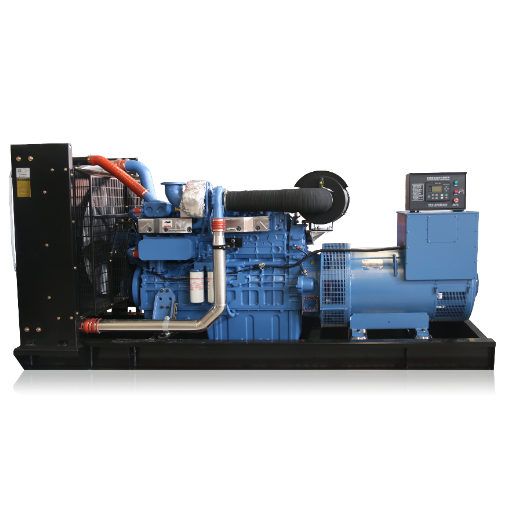
The emergency power system of hospitals consists mainly of its Essential Electrical System (EES) which functions as its backup power source during utility power outages. The Essential Electrical System (EES) operates essential medical equipment through its three separate branches which maintain complete operational independence from each other.
The Health Care Facilities Code requires hospitals to use Type 1 Essential Electrical Systems according to NFPA 99 standards. The system contains three separate branches which distribute power to different load types while maintaining operational independence between all three branches.
Life Safety Branch: The branch requires exit signs and emergency lighting with fire alarm systems and egress communications. Emergency power must receive the loads within 10 seconds.
Critical Branch: The branch requires patient care receptacles with nurse call systems and surgical equipment and essential alarms. The loads need transfer within 10 seconds.
Equipment Branch: The branch requires all major building equipment that supports hospital functions together with specific HVAC systems for critical areas and medical air compressors and vacuum systems and one elevator for each patient floor bank. The system needs up to 15 seconds for transfer.
The equipment that delivers this emergency power is formally called an Emergency Power Supply System (EPSS). It includes the generator set (engine and alternator), automatic transfer switches, fuel system, starting batteries, and control panels.
The Regulatory Framework for Hospital Emergency Power
Hospital emergency power operates under one of the most layered regulatory frameworks in building systems. Four organizations govern different aspects of design, installation, testing, and documentation.
NFPA 99: The Health Care Facilities Code
NFPA 99 defines what must be powered. It mandates that hospitals have a Type 1 EES with the three branches described above. It also establishes risk categories for healthcare facilities; general hospitals fall under Category 1, where failure of equipment or systems is likely to cause major injury or death.
Importantly, NFPA 99 determines which systems require emergency power. It does not tell you how to build the generator itself. That role belongs to NFPA 110.
NFPA 110: The Emergency Power Standard
NFPA 110, the Standard for Emergency and Standby Power Systems, governs the performance, installation, testing, and maintenance of the EPSS. For hospitals, the classification is:
- Level 1: Failure could result in loss of human life or serious injury.
- Type 10: Power must be restored to the load within 10 seconds of utility failure.
- Class X or Class 96: Runtime without refueling. While NFPA 110 allows Class X (duration set by the Authority Having Jurisdiction), CMS effectively mandates 96 hours for Medicare-certified hospitals.
The 2025 edition of NFPA 110 introduces a revised annual load bank test protocol of 1.5 hours (50% load for 30 minutes, 75% load for 60 minutes) and expanded battery maintenance requirements. For a complete breakdown, see our detailed NFPA 110 testing and maintenance requirements.
CMS Emergency Preparedness Rule
The Centers for Medicare & Medicaid Services enforce the 96-hour fuel rule under 42 CFR 482.15. All Medicare-certified hospitals need to maintain enough fuel reserves for their emergency generators to operate at full capacity for 96 hours.
CMS does not require all 96 hours to sit in-on-site tanks. Facilities may supplement on-site storage with documented vendor delivery agreements. The contracts must demonstrate that priority delivery will occur and that delivery times will be achieved and that multiple vendors will supply products. The fuel supply plan requires annual testing through the emergency preparedness exercise.
The Joint Commission
Joint Commission accredited hospitals are surveyed under Environment of Care standard EC.02.05.07. Surveyors review:
- Weekly inspection logs
- Monthly load test records with actual kW achieved
- Annual and triennial load bank test reports
- ASTM-standard fuel quality reports
- The actual fuel burn-rate calculations supporting the 96-hour reserve
- Staff competency on manual transfer and emergency procedures
A finding on any of these elements can result in a conditional accreditation or requirement for improvement. In severe cases, repeated deficiencies can threaten Medicare reimbursement.
Sizing a Hospital Emergency Generator
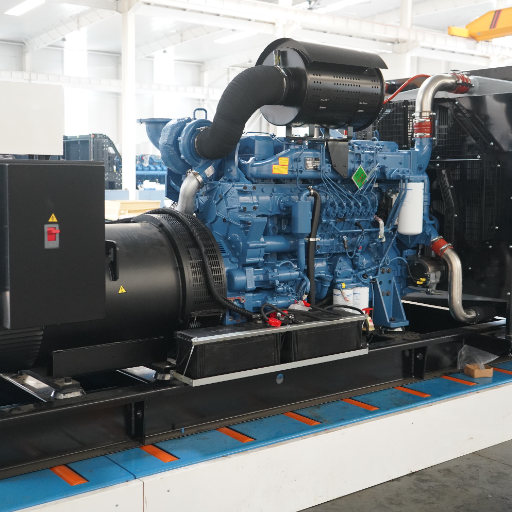
Sizing a hospital emergency generator is more complex than adding up nameplate ratings. The calculation must account for simultaneous motor starting, medical imaging surges, and future growth.
Step 1: Inventory All Three EES Branches
Create a detailed load list for every piece of equipment on the Life Safety, Critical, and Equipment branches. Do not rely on rule-of-thumb estimates. Use actual nameplate data or measured clamp-meter readings.
Include everything: OR lights, imaging equipment, chillers, fire pumps, air compressors, elevators, and UPS systems. Each load must be recorded in both running kW and starting kVA.
Step 2: Account for Motor Starting and Surge
This is where undersizing becomes catastrophic. Large motors can draw 5-6 times their running current during startup. A hospital generator must be able to start the largest motor while all other emergency loads are already running.
Common high-inrush loads in hospitals include:
- Fire pumps: Often the single largest motor on the EES
- Chillers and air compressors: Critical for maintaining OR and ICU environmental controls
- Medical imaging (CT/MRI): High momentary kVA demand
- UPS battery recharge: After an outage, UPS systems draw significant power to recharge batteries. A Miami hospital discovered this the hard way in 2017 when their 500kW generator overloaded within 18 minutes of a hurricane-related outage because the UPS recharge load had never been included in the sizing study.
The generator must maintain voltage sag within acceptable limits (typically 15% or less) during the largest motor-starting event.
Step 3: Apply Diversity and Growth Margins
Not every load runs at full capacity simultaneously. Engineers often apply an 80% diversity factor to non-life-safety loads on the Equipment branch. However, Life Safety and Critical branch loads are typically sized at 100% because they must all be available at any moment.
After calculating the diversified load, add a 20-25% margin for future growth. Then apply environmental derating:
- Altitude: Capacity drops approximately 3.5% per 1,000 ft above sea level.
- Temperature: Capacity drops approximately 1% per 10°F above 77°F.
Example Sizing Calculation:
- Total running load across all three branches: 620 kVA
- Largest motor starting surge (fire pump): +180 kVA
- Subtotal: 800 kVA
- Apply 80% diversity on Equipment branch: 800 kVA × 0.92 = 736 kVA
- Apply 25% future growth margin: 736 kVA × 1.25 = 920 kVA
- Altitude derating at 3,000 ft (10.5%): 920 ÷ 0.895 = 1,028 kVA
- Round up to next standard size: 1,250 kVA hospital emergency generator
This systematic methodology prevents the failures that occur when generators are sized on steady-state assumptions alone.
Fuel Systems and the 96-Hour Rule
Fuel management is where many hospitals technically meet the CMS requirement but still receive survey findings. Understanding the 96-hour rule, the 133% buffer, and documentation requirements is essential.
The CMS 96-Hour Requirement
CMS medical facilities which possess Medicare certification must keep sufficient fuel supplies to operate their emergency generators at maximum load for a total of 96 hours. The rule was made more stringent because Hurricane Katrina demonstrated that insufficient fuel reserves lead to deadly outcomes.
The NFPA 110 133% Buffer
NFPA 110 Section 7.9 adds a safety margin. Fuel storage capacity must equal 133% of calculated consumption for the required runtime. This 33% extra accounts for:
- Fuel degradation and incomplete combustion
- Cold-start inefficiency
- Load fluctuations during extended outages
- Inability to refuel during widespread disasters
Calculation example:
- Generator burn rate at full load: 40 gallons/hour
- Basic 96-hour need: 40 × 96 = 3,840 gallons
- With 133% buffer: 3,840 × 1.33 = 5,107 gallons minimum
On-Site Storage vs. Vendor Contracts
CMS allows a combination approach:
- On-site tanks: Commonly sized for 24-48 hours of operation
- Vendor delivery agreements: Signed contracts showing priority delivery with committed timeframes and backup vendors
The catch: vendor contracts must be tested annually as part of the emergency preparedness exercise, and the documentation must be available for surveyors.
Fuel Quality Testing
Diesel fuel degrades within 6-12 months. Water contamination promotes microbial growth, which clogs filters and damages injectors. Joint Commission surveyors routinely request ASTM D975 fuel quality reports. Annual testing for water, sediment, microbial contamination, and oxidation stability is standard practice.
Testing, Maintenance, and Documentation
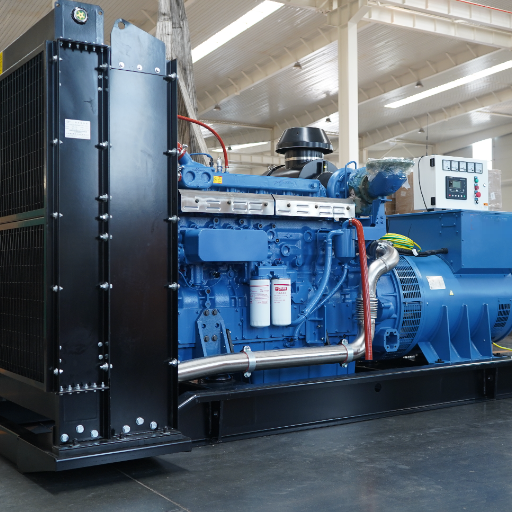
An emergency generator that is not rigorously tested is a liability. NFPA 110, NFPA 99, and The Joint Commission impose overlapping testing schedules that must be documented with precision.
Weekly Inspections
Every week, a qualified technician must visually inspect the generator and EPSS:
- Fuel level, leaks, and water contamination
- Engine oil level and condition
- Coolant level and freeze protection
- Battery electrolyte, terminal connections, and charger status
- Control panel indicators and fault codes
- Enclosure ventilation and block heater operation
Monthly Loaded Testing
The generator must be exercised under load for a minimum of 30 continuous minutes every month. It must achieve at least 30% of its nameplate kW rating or the manufacturer’s minimum exhaust gas temperature.
If the hospital’s actual emergency load is too light, a portable or permanent load bank must be used. Operating below 30% load causes wet stacking, a condition where carbon deposits and unburned fuel accumulate in the exhaust system.
Annual and Triennial Testing
Under the 2025 NFPA 110 edition, the annual load bank test protocol requires:
- 50% of nameplate kW for 30 minutes
- 75% of nameplate kW for 60 minutes
- Total: 1.5 continuous hours
Every 36 months, Level 1 systems must undergo a 4-hour continuous test at actual building load or 30% of nameplate (whichever is greater). This extended duration reveals problems that short tests miss: fuel pump starvation, sustained-load overheating, and control system drift.
Battery Maintenance
Battery failure is a leading cause of generator starting failures. The 2025 NFPA 110 edition enhances battery requirements:
- Weekly visual inspections
- Monthly testing (impedance, conductance, or cranking voltage drop)
- Temperature-compensated charging
- Replacement every 3-5 years
Documentation for Surveys
Surveyors typically request 12-24 months of records. Required documentation includes:
- Dated weekly inspection logs with technician signatures
- Monthly test reports showing actual load levels achieved
- Annual and triennial load bank test reports
- ASTM fuel quality test results
- Battery test records
- Preventive and corrective maintenance logs
- Staff training records
The most common survey finding is incomplete logs that state “generator tested” without documenting the actual kW output.
Common Compliance Failures in Hospitals
After decades in emergency power manufacturing, we see the same hospital compliance failures repeatedly. Most are entirely preventable.
Wet Stacking from Under-Loading
Hospitals with light actual emergency loads often skip load bank testing because “the generator starts fine.” Chronic under-loading causes carbon buildup, reduced efficiency, and eventual engine damage.
Solution: Use a load bank to achieve 30% minimum load during every monthly test.
Missing or Incomplete Test Logs
A single skipped monthly test or a log sheet without technician signatures can become a Joint Commission finding.
Solution: Implement electronic documentation with tamper-evident records and automated reminders.
Incorrect 96-Hour Fuel Calculations
Some facilities calculate 96 hours based on nominal load instead of full essential load. During a CMS survey, this shortfall can result in a serious deficiency.
Solution: Recalculate burn rate annually using the full EES load and apply the 133% NFPA 110 buffer.
Expired Fuel Quality Reports
Surveyors routinely ask for the most recent ASTM D975 report. An expired or missing report is an immediate finding.
Solution: Schedule annual fuel testing and store reports in the same system as generator test logs.
ZC Power Hospital Emergency Power Solutions
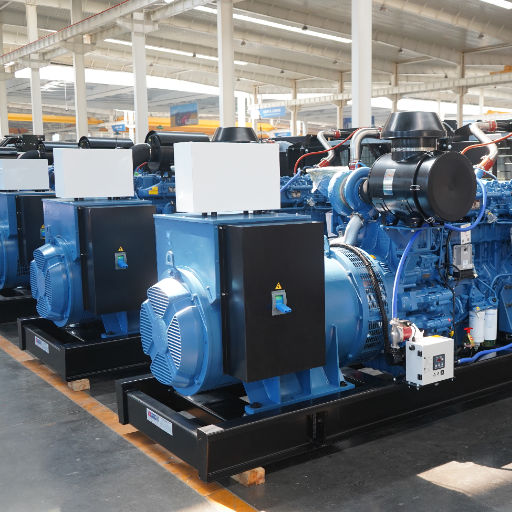
As a source manufacturer with a 300,000-square-meter facility and national standard testing center, ZC Power builds hospital emergency power systems that meet the most demanding global standards.
Factory-Built Level 1, Type 10 EPSS:
- Engineered for NFPA 110 Level 1, Type 10 performance
- Load tested at 110% of rated capacity before shipment
- Full documentation package prepared for AHJ and Joint Commission review
Silent Canopies for Urban Campuses:
- Sound-attenuated enclosures keeping noise below 75 dB at 7 meters
- Maintain full airflow and cooling performance
- Ideal for hospitals in dense urban environments with strict noise ordinances
For more details on acoustic solutions, explore our silent generators for urban hospital campuses.
Custom Engineering and Global Compliance:
- Configurations from 8kVA to 4000kVA
- Custom voltage and frequency for international grid requirements
- ISO9001, CE, and CCC certified
- OEM and ODM capabilities for medical equipment distributors
Global Support:
- 80+ technical engineers
- Commissioning, startup assistance, and training
- Direct OEM parts supply to hospitals worldwide
Frequently Asked Questions
What is a Type 1 Essential Electrical System?
A Type 1 EES is the emergency power architecture required by NFPA 99 for hospitals and other Category 1 healthcare facilities. It consists of three physically separated branches: Life Safety, Critical, and Equipment.
How long must a hospital emergency generator run?
CMS requires Medicare-certified hospitals to maintain enough fuel for 96 continuous hours of operation. The generator itself must be capable of running for that duration at full or maximum anticipated load.
How often must hospital generators be tested?
Weekly inspections, monthly loaded tests (30 minutes at 30% minimum load), annual load bank tests (1.5 hours under the 2025 NFPA 110 protocol), and triennial 4-hour tests.
What is the 96-hour fuel rule?
The CMS Emergency Preparedness Rule (42 CFR 482.15) requires hospitals to maintain a fuel reserve sufficient to operate emergency generators for 96 continuous hours. NFPA 110 adds a 133% safety buffer to this calculation.
Can a hospital use natural gas emergency generators?
While technically possible, diesel is the industry standard for hospital emergency power because it offers rapid startup, higher motor-starting torque, and independence from utility pipelines that can fail during disasters.
Conclusion
Hospitals need emergency power systems because they are essential for their emergency operations and their power systems must follow specific compliance regulations which require both engineering work and ongoing maintenance operations.
Key takeaways:
- Understand the three EES branches and their specific transfer-time requirements
- Size generators for motor starting surge, not just running load
- Apply the 133% NFPA 110 buffer to your 96-hour fuel calculations
- Maintain complete, detailed test logs with actual kW readings
- Choose a manufacturer with proven Level 1, Type 10 experience and certified pre-shipment testing
ZC Power has developed emergency power systems which deliver reliable performance during critical moments of need throughout its 25 years of operation. Our hospital-grade diesel generators undergo testing at our national standard testing center because we have built the facility to meet your specific EES needs and our team of 80+ technical engineers will provide global support.


