
Get in touch

Contact Form
ISO9001 & CE Certified Since 1999

Calculate Your Exact Generator Size in 60 Seconds

Engineered for industrial applications. Our precision sizing calculator factors load diversity, starting surge requirements, and environmental conditions to recommend the optimal kW/kVA rating.

Trusted by project contractors across 50+ countries.

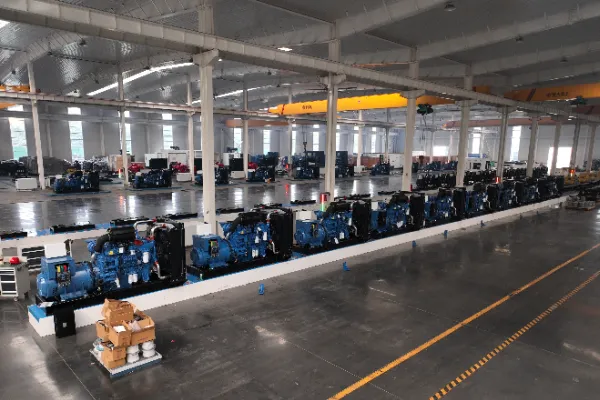
Industrial diesel generator set in soundproof canopy, professional factory setting

“An undersized generator risks catastrophic failure during peak demand. An oversized unit wastes capital and fuel. ZC Power’s calculator—developed by our 80-engineer team with 25 years of field data—delivers precise sizing recommendations that protect your investment and ensure uninterrupted power.”

10,000+ projects sized accurately since 1999

Related Calculators & Tools

Complete suite of power system engineering calculators for accurate project planning and equipment specification

Wattage Calculator for Generators

Calculate total power requirements in watts for residential and commercial backup power applications.

Calculate Wattage

Generator Sizing Calculator

Industrial-grade sizing tool with kW/kVA conversion, load diversity factors, and surge capacity analysis.

Size Generator

Generator Size Calculator

Quick-reference calculator for standard generator set sizes from 8kVA to 4000kVA capacity ranges.

View Size Guide

Fuel Consumption Calculator

Estimate hourly diesel consumption and runtime at 25%, 50%, 75%, and 100% load percentages.

Calculate Fuel

Voltage Drop Calculator

Calculate voltage drop across cable runs to ensure compliance with IEEE standards and equipment specifications.

Check Voltage

Power Factor Correction Calculator

Determine required kVAR compensation and capacitor bank sizing for inductive load applications.

Correct PF

Power Quality & Distribution

Analysis tools for harmonic distortion, THD limits, and electrical distribution system design.

Analyze Quality

View All Products

Explore our complete range of diesel generators, from 8kVA portable units to 4000kVA containerized solutions.

Browse Catalog

Why Generator Sizing Accuracy Matters for Your Project

When critical infrastructure depends on backup power, guesswork is not an option. An undersized generator set will overload during motor starting sequences, triggering protective shutdowns when you need power most. Conversely, an oversized genset operates inefficiently at partial load, increasing fuel consumption by 15-30% and accelerating engine wear.

ZC Power has manufactured industrial generator sets since 1999, ranging from 8kVA portable units to 4000kVA containerized power plants. Our national standard testing center has validated sizing methodologies across extreme environments—from offshore platforms to desert mining operations. We understand that proper sizing requires more than simple wattage addition; it demands analysis of load profiles, starting surge characteristics, altitude derating, and future expansion requirements.
“A mining operation in West Africa initially specified a 500kW standby unit based on basic load calculations. Our engineering team conducted a detailed analysis revealing that their crushing equipment required 2.8x starting surge capacity. We recommended a 750kW unit with soft-start configuration—preventing a costly undersizing error that would have caused production downtime exceeding $50,000 per day.”

Ready to eliminate sizing uncertainty?

Calculate My Generator Size

How Our Industrial Sizing Calculator Works

Unlike basic consumer calculators that simply sum appliance wattages, ZC Power’s industrial sizing tool applies engineering-grade methodology aligned with ISO 8528 standards. The calculator accounts for the critical distinction between resistive loads (heaters, lighting) and inductive loads (motors, compressors, pumps) that require 2-4x surge capacity during startup.

Our algorithm applies diversity factors based on your application type—recognizing that not all loads operate simultaneously. For continuous prime power applications, we incorporate 10-25% safety margins. For standby emergency systems, we factor in transfer switch timing and critical load prioritization. The result is a comprehensive sizing report specifying recommended kW and kVA ratings, fuel tank sizing, and estimated runtime at various load percentages.

ZC Power Calculator vs Basic Consumer Tools

Sizing Factor ZC Power Industrial Calculator Basic Consumer Tools
Starting Surge Analysis 2-4x motor starting multiplier with soft-start options Simple running wattage sum
Load Diversity Factors Application-specific diversity (0.6-0.9) Assumes 100% simultaneous load
Altitude Derating -3.5% per 1,000ft above 3,000ft automatic adjustment Not included
Power Factor Correction kVA calculation with 0.8 PF default (adjustable) Watts only, no kVA conversion
Fuel Consumption Estimates Hourly and runtime projections at 25/50/75/100% load Not provided
Environmental Adjustments Temperature and humidity derating factors Not included
Future Expansion Margin Recommended 20-30% capacity buffer option Static calculation

What You Receive with Your Sizing Report

Precise kW & kVA Recommendations

Exact generator set ratings based on your specific load profile and operational requirements

Fuel Consumption Projections

Hourly fuel estimates at various load percentages for accurate operating cost planning

Configuration Guidance

Open, silent, trailer, or containerized recommendations based on your site conditions

Engineering Consultation

Direct access to our technical team for complex projects or custom requirements

Electrical engineer reviewing generator specifications on tablet, industrial control panel in background

Critical Sizing Factors Most Calculators Miss

Effective generator sizing requires understanding the difference between Prime Power (continuous operation at variable load) and Standby Power (emergency backup with limited annual hours). A unit rated for 500kW standby cannot safely deliver 500kW continuously—typically prime power ratings are 10% lower for the same hardware.

Starting Surge Requirements represent the most common sizing error. Electric motors in HVAC systems, pumps, and compressors draw 2-4 times their running current during startup. If your generator cannot supply this momentary surge, the motor will fail to start or the generator will trip offline. Our calculator identifies your largest motor load and ensures adequate surge capacity.

Altitude and Temperature Derating significantly impact output in harsh environments. Diesel generator sets lose approximately 3.5% power for every 1,000 feet above 3,000 feet elevation. High ambient temperatures above 40°C (104°F) further reduce capacity. Our calculator automatically applies these correction factors based on your site coordinates.

Get engineering-grade sizing accuracy

Get Free Sizing Report

Calculator Specifications & Methodology

ISO 8528 Compliant Calculations

Sizing methodology adheres to international standards for reciprocating engine-driven alternating current generating sets. Reports include rated power definitions, performance classes, and acceptance testing references.

Benefit: Ensures your specification meets international procurement and insurance requirements

Load Profile Analysis

Categorizes your equipment into continuous loads, intermittent loads, and motor starting requirements. Applies diversity factors based on operational patterns—recognizing that 100% of connected load rarely operates simultaneously.

Benefit: Prevents costly oversizing while maintaining adequate capacity for peak demand

Environmental Derating Engine

Automatically adjusts output calculations for site elevation, ambient temperature, and cooling air restrictions. Critical for high-altitude mining operations, desert installations, and containerized applications.

Benefit: Generator performs to specification despite challenging environmental conditions

Fuel System Sizing

Calculates required fuel tank capacity based on your runtime requirements and the selected generator’s fuel consumption curve. Includes day-tank and main storage recommendations for extended operation.

Benefit: Eliminates fuel logistics surprises and ensures regulatory compliance for fuel storage

What Project Engineers Say

“The ZC Power sizing calculator saved our project timeline. We were specifying a 750kVA unit for a hospital backup system, but the calculator revealed we needed 1000kVA to handle the MRI starting surge. Catching this before procurement avoided a critical error.”

James Morrison

West African Medical Infrastructure

Senior Project Engineer

“Finally—a calculator that understands industrial applications. The altitude adjustment for our 7,000ft mining site was spot-on. The unit ZC Power delivered based on these calculations has operated flawlessly for 18 months.”

Chen Wei

Zijin Mining Group

Power Systems Manager

“As a procurement manager for international projects, I need sizing documentation that meets engineer scrutiny. The detailed report from ZC Power’s calculator includes all the technical references our consultants require.”

Sarah Okafor

AfriConstruct Logistics

Procurement Director

99.2%

Sizing accuracy rate across 10,000+ projects

25%

Average fuel savings with optimized sizing

0

Critical failures from undersizing since 1999

72hr

Average response time for custom sizing consultations

Common Generator Sizing Mistakes to Avoid

Our engineering team has reviewed thousands of specifications over 25 years. These are the errors we encounter most frequently—and how our calculator prevents them:

Mistake 1: Ignoring Power Factor
Generators are rated in kVA (apparent power), not just kW (real power). Most industrial loads have a power factor of 0.8, meaning a 100kW load requires a 125kVA generator. Our calculator performs this conversion automatically.

Mistake 2: Overlooking Load Sequence
If motors start simultaneously during generator pickup, surge requirements stack. Our calculator analyzes your transfer switch timing and recommends staggered starting sequences or larger capacity as needed.

Mistake 3: Neglecting Future Expansion
Projects evolve. Our calculator includes optional expansion margins (20-30%) to accommodate growth without requiring complete generator replacement.

Avoid costly sizing mistakes—get your professional report

Get Free Quote

How to Use the Calculator

Four simple steps to engineering-grade generator sizing

1

Enter Your Load Data

Input your equipment list with running watts and starting watts. Include all motors, HVAC, lighting, and specialized equipment.

2

Specify Site Conditions

Provide altitude, ambient temperature range, and application type (prime or standby power).

3

Review Sizing Report

Receive detailed kW/kVA recommendations, fuel consumption estimates, and configuration guidance via email.

4

Consult Our Engineers

Complex project? Schedule a call with our 80-engineer technical team for custom recommendations.

Frequently Asked Questions

kW (kilowatts) measures real power consumed by your equipment. kVA (kilovolt-amperes) measures apparent power—the total power the generator must supply including reactive power for inductive loads like motors. Most generators are rated in kVA with a typical power factor of 0.8, meaning a 100kVA generator delivers 80kW of real power. Our calculator converts between both units automatically.

Our calculator applies engineering-grade methodology validated against 25 years of field installations across 50+ countries. For standard applications, accuracy exceeds 99%. For complex industrial projects with variable load profiles, we recommend following up with our technical team for detailed modeling. The calculator serves as an excellent starting point for budgetary quotations and preliminary specifications.

Yes—significantly. Diesel engines require oxygen for combustion, and air density decreases with elevation. Standard derating is 3-3.5% per 1,000 feet above 3,000 feet. A 500kW generator at sea level delivers only 385kW at 8,000 feet elevation unless specially configured. Our calculator applies these corrections automatically based on your site altitude.

Prime Power (PRP) is for unlimited hours of operation at variable load—typical for remote construction or mining where grid power is unavailable. Standby Power (ESP) is for emergency backup with limited annual hours (typically 200-500 hours). A generator rated 500kW standby may only be rated 450kW prime. Using a standby-rated unit for continuous operation voids warranties and risks premature failure.

Electric motors draw 2-4 times their running current during startup, typically for 3-10 seconds. Your generator must supply this momentary surge without voltage dip exceeding 15-20%. Our calculator identifies your largest motor and total simultaneous starting requirements, then verifies the generator’s surge capacity (typically 150-200% of continuous rating for 10 seconds).

Absolutely. Your sizing report includes a reference number. Contact our sales team with this number for a detailed quotation including generator set specifications, optional equipment (AMF panels, fuel tanks, exhaust systems), delivery timeline, and factory-direct pricing. For large projects, we offer site assessments and custom engineering services.

About ZC Power Engineering

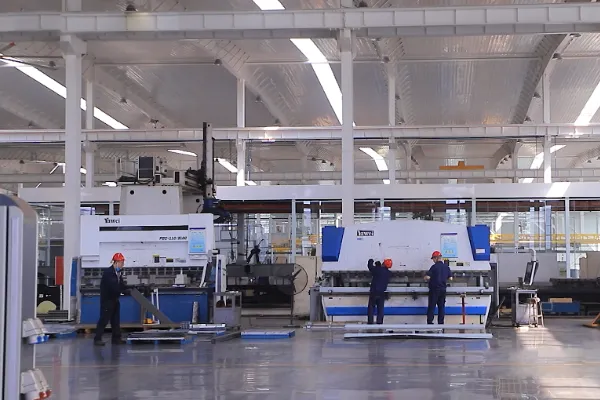
Shandong ZC Power CO., LTD. has manufactured industrial generator sets and environmental equipment since 1999. Our 300,000 square meter facility in Jining, Shandong operates precision production lines for diesel generators (8kVA to 4000kVA), AGV robots, and electric industrial fog cannons.

Our national standard testing center validates every generator set against declared specifications before shipment. ISO9001, CE, and CCC certifications ensure compliance with international procurement standards. With 80 technical engineers and export experience across Africa, the Americas, the Middle East, and Southeast Asia, we provide comprehensive support from initial sizing through lifetime maintenance.