Get in touch

Contact Form
Trusted by 2,000+ Communities

Public Utility Power: Own Your Energy, Control Your Future

2,000+ communities have discovered the public power advantage—14% lower rates, 40% fewer outages, and local democratic control over your electric service.

When reliability matters, public utilities trust proven backup power solutions.

Trusted by 2,000+ municipal utilities nationwide
Modern municipal electric utility control room with operators monitoring power grid displays

14%

Lower Rates

40%

Fewer Outages

2,000+

Communities

“Every year, American households served by public utilities save an average of $100-$320 on their electric bills compared to those served by investor-owned utilities. But the benefits go far beyond cost savings—public power means local control, superior reliability, and keeping energy dollars in your community rather than sending them to Wall Street shareholders.”

Trusted by 2,000+ municipal utilities nationwide

What Is Public Utility Power?

Public utility power—also known as community-owned or municipal electric utilities—represents a fundamentally different approach to electricity service. Unlike investor-owned utilities (IOUs) that operate for shareholder profit, public power utilities are owned and operated by local governments as not-for-profit entities.

When you pay your electric bill to a public utility, you are not just a customer—you are an owner. Every resident of a public power community has a voice in how their utility operates, with decisions made by locally elected or appointed officials who answer directly to the community.

This democratic governance model, combined with tax-exempt financing and the absence of profit motives, allows public utilities to prioritize service quality and community benefit over quarterly earnings. The result? Lower rates, higher reliability, and energy dollars that stay local rather than flowing to distant corporate headquarters.
“When Winter Storm Uri hit Texas in 2021, the city of Garland—served by its own municipal utility—was able to prioritize local needs and maintain service to critical facilities while many investor-owned utility customers experienced catastrophic outages. This is the public power difference in action.”

Ensuring uninterrupted power for critical infrastructure?

Request a Custom Backup Power Assessment

Public Power vs. Investor-Owned Utilities: The Real Difference

Metric Public Utility Power Investor-Owned Utilities
Average Residential Rate 14% lower than IOUs Baseline rates with profit markup
Annual Outage Duration (SAIDI) 62 minutes average 150 minutes average
Ownership Structure Community-owned, not-for-profit Shareholder-owned, profit-driven
Accountability Elected/appointed local boards Corporate executives, state regulators
Revenue Destination Reinvested locally (infrastructure, services) Dividends to shareholders
Tax Status Tax-exempt financing available Subject to federal/state taxes
Customer Service Local crews who live in community Centralized call centers
Electric utility lineworkers repairing power lines during storm restoration in residential neighborhood

Why Public Utilities Deliver Superior Reliability

Public power utilities consistently outperform their investor-owned counterparts when it comes to reliability. According to data from the American Public Power Association (APPA), public power customers experience an average of 62 minutes without power per year—compared to 150 minutes for customers of investor-owned utilities.

This reliability advantage stems from several factors unique to the public power model:

Local Crews, Local Knowledge: Public utility lineworkers live in the communities they serve. They know the infrastructure intimately and are personally invested in rapid restoration when outages occur.
Reinvestment Over Dividends: Without shareholders demanding quarterly returns, public utilities can invest more heavily in proactive maintenance, vegetation management, and grid modernization.
Community Priorities: Public utilities make decisions based on what serves the community best—not what maximizes profit margins.

The Four Pillars of Public Power Advantage

Lower Rates Through Not-for-Profit Operations

Public utilities charge only what it costs to provide service—no shareholder profit markup means residential rates average 14% lower than investor-owned utilities.

Superior Reliability & Faster Restoration

With 40% fewer outages and local crews who treat every customer like a neighbor, public power delivers industry-leading service continuity.

Democratic Local Control

Public records, open meetings, and elected boards ensure utility decisions reflect community values and priorities—not distant corporate interests.

Community Economic Impact

Energy dollars stay local, funding infrastructure improvements, city services, and local jobs instead of Wall Street dividends.

Public utilities require backup power systems that match their reliability standards

Get Free Quote

Critical Infrastructure Demands: Why Public Utilities Invest in Backup Power

For public utilities, reliability is not just a metric—it is a public trust. Municipal water treatment facilities, emergency services, hospitals, and critical communication infrastructure depend on uninterrupted power to protect community safety and health.

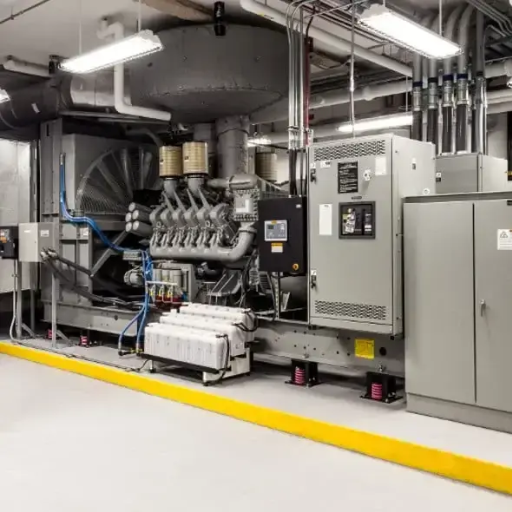
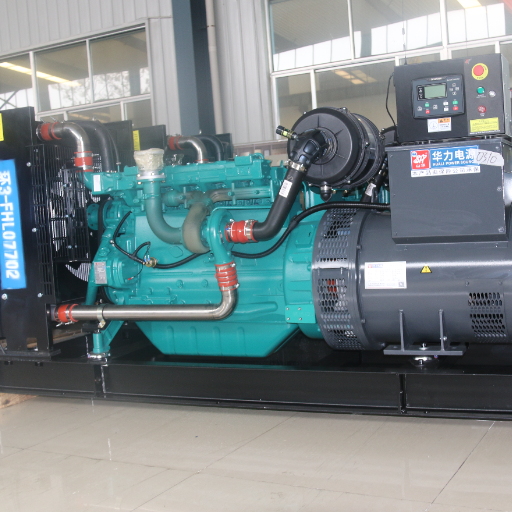
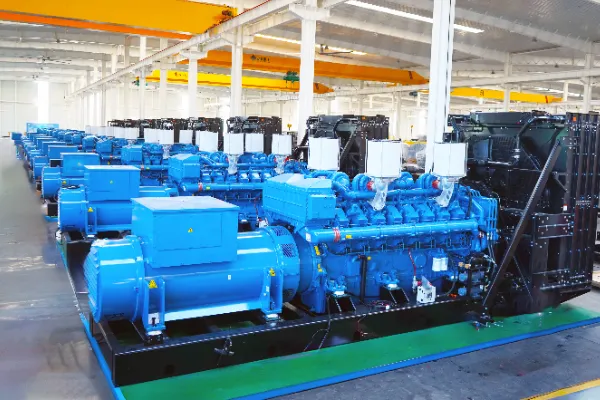
This is why leading public power utilities partner with established manufacturers for their backup power needs. A municipal utility in Michigan recently deployed a fleet of 500kW standby diesel generator sets to ensure their water treatment facilities remain operational during extended grid outages.

Immediate Response: Auto Mains Failure (AMF) panels ensure seamless transition within milliseconds
Extended Runtime: Fuel-efficient engines providing 24+ hours of continuous operation
Environmental Compliance: EPA-certified emissions systems meeting local air quality standards
Weather Resistance: Sound-attenuated canopies protecting equipment in extreme conditions
Industrial diesel backup generator at municipal water treatment facility

2,000+

Community-owned utilities across 49 states

49M

Americans served by public power

14%

Lower residential rates vs. IOUs

62min

Average annual outage time

41%

Of public power generation is clean energy

35

States where public power has lowest rates

How Public Utility Power Works: Governance & Operations

Understanding the mechanics of public power helps explain why these utilities consistently deliver superior outcomes for their communities. The public power model combines democratic governance with professional utility management.

Governance Structure: Public utilities typically operate under one of several models: as a city department managed by elected officials, as a municipal utility district with an elected board, or as an independent municipal power authority with appointed commissioners. Regardless of structure, the key principle is local accountability through regular public meetings, public records access, and direct community input.

Operational Excellence: Public utilities maintain professional engineering and operations staff comparable to any investor-owned utility. Many belong to joint action agencies that enable economies of scale in wholesale power purchasing and generation while retaining local control over distribution and customer service.

“The Sacramento Municipal Utility District (SMUD) demonstrates public power innovation at scale. As the sixth-largest public utility in the United States, SMUD has achieved a 50% carbon-free electricity portfolio while maintaining rates 40% below California’s investor-owned utilities—proving that public power can lead on both affordability and sustainability.”

What Communities Say About Public Power

“Since our city formed a municipal utility in 2018, our residents have saved an average of $280 per year on electric bills. During the last major storm, our local crews had power restored in under 4 hours while neighboring IOU territories were out for days.”

Michael R. Thompson

City of Riverside Public Utilities

Utility Director

“As a public utility, we answer to our neighbors, not shareholders. That means when a hospital or school needs reliable backup power, we deliver solutions that prioritize community safety over profit margins.”

Jennifer K. Martinez

Springfield Municipal Power

Chief Operating Officer

“The transparency of public power is remarkable. I can attend board meetings, review the budget, and actually talk to the people making decisions about our electric service. Try doing that with a Fortune 500 utility.”

David L. Chen

Lansing Board of Water & Light

Customer Advocate

Partner with a manufacturer that understands public utility reliability standards

Request Factory-Direct Quote

How Communities Transition to Public Power

A streamlined four-step process designed to empower communities with local energy control.

STEP 1

Feasibility Study

Commissions analyze costs, benefits, and legal requirements of forming a municipal utility.

STEP 2

Community Engagement

Public hearings and ballot measures give residents voice in pursuing public power.

STEP 3

Formation & Transition

New utility entity established with professional staff and local control.

STEP 4

Local Operation

Community-owned utility begins operations with not-for-profit rates and service.

STEP 1

Feasibility Study

Commissions analyze costs, benefits, and legal requirements of forming a municipal utility, including valuation of existing infrastructure.

STEP 2

Community Engagement

Public hearings, educational campaigns, and ballot measures give residents voice in the decision to pursue public power.

STEP 3

Formation & Transition

New utility entity is established, professional staff hired, and operations transitioned from incumbent provider to local control.

STEP 4

Local Operation

Community-owned utility begins operations with local decision-making, not-for-profit rates, and community-focused service.

Frequently Asked Questions About Public Utility Power

Public utility power refers to electricity service provided by a community-owned, not-for-profit utility rather than an investor-owned company. The key differences are ownership (you and your neighbors own it), purpose (community benefit rather than shareholder profit), and accountability (locally elected boards vs. corporate executives). Public utilities typically offer lower rates, better reliability, and keep energy dollars in your community.

Yes. According to the American Public Power Association, public power residential rates average 14% lower than investor-owned utility rates. In some states, the savings are even more dramatic—up to 30% lower in Indiana and Ohio. These savings come from tax-exempt financing, no profit markup, and efficient local operations.

Public power utilities deliver significantly better reliability. APPA data shows public power customers experience an average of 62 minutes of outages per year compared to 150 minutes for investor-owned utility customers—a 59% improvement. Local crews who live in the community and reinvestment of revenues into proactive maintenance drive this reliability advantage.

Public utilities are governed by locally elected or appointed boards who answer directly to the community through public meetings, public records laws, and elections. This means rate decisions, service priorities, and strategic investments reflect community values rather than quarterly profit targets. Most utilities hold regular public meetings where customers can voice opinions and review utility operations.

Public utilities are not-for-profit entities, so they do not generate profits for shareholders. Any revenues beyond operating costs are reinvested in the community—either through infrastructure improvements, rate reductions, or transfers to the city general fund to support police, fire, parks, and other local services. This keeps energy dollars circulating locally rather than flowing to Wall Street.

Yes, through a process called municipalization. Communities can form municipal utilities by purchasing the local distribution infrastructure from the incumbent utility at fair market value. Cities like San Diego, Tucson, and Ann Arbor are currently exploring this option. The process requires feasibility studies, community engagement, and often voter approval, but many communities find the long-term benefits of local control justify the transition costs.

The Future of Public Utility Power

As America faces unprecedented electricity demand growth—projected to increase 29% over the next five years—the public power model is increasingly relevant. Communities with public utilities are better positioned to manage this growth through local decision-making, direct infrastructure investment, and the ability to prioritize community needs over quarterly earnings.

Six of the communities achieving 100% renewable electricity are public power utilities, demonstrating that local control can accelerate clean energy transitions. Meanwhile, the reliability advantages of public power become even more critical as extreme weather events increase and grid resilience demands grow.

Latest Insights & Resources