Generator Transfer Switch: Complete Guide to ATS Selection and Installation
In the month of March 2023, in a factory in Ohio, the Facilities manager reported an equipment failure in the on-site generator that would have been catastrophic. Though the new 500 kW Cummins diesel generator started up smoothly, the production bay remained sitting in darkness due to another reason. For the production bay, the fault was not a generator. It was the automatic transfer switch. The ATS was undersized for the motor loads in the factory, and when it tried to transfer, its contacts welded together, damaging both the switch and the voltage regulator in the generator. The total cost for repair surpassed $47,000, excluding 14 hours of lost production.
This scenario highlights a valuable lesson that electrical contractors and facility managers come to learn all too late: an emergency power system is only as reliable as its transfer switch. Whilst most attention is given to the generator when it comes to specifications, the transfer switch is the real decision-making factor in the operation of critical loads during a power outage. This sphere has immense complexity, encompassing the consideration of such details as transition types, short circuit withstand ratings, motor load compatibility, and myriad code requirements, of which very few specifications actually consider.
Shandong ZC Power CO., LTD. (ZC Power) is a global system provider for the manufacturing of diesel gensets with integrated automatic transfer switches. This detailed guide should give an overview of the working principles of transfer switches, how you can choose the right type and size, and prevailing code requirements for installation.
Wondering about the full scope of electric generators? (Read Electric Generators: Complete Guide to Types, Applications & Selection) for all-around insights into their categories, uses and selection tips.
What Is a Generator Transfer Switch?
A transfer switch is a structure that carries transfer of a load between two principal sources of power, that is, between the utility and an emergency generator. This device monitors the primary power and, in the event of power outage, automatically takes the load to an alternate source, automatically returning to the primary source when power is restored.
The Critical Safety Function
Transfer switches serve as important safety devices and go beyond convenience. Safety is an important consideration in transfer switches, since a generator without a well-utilized transfer switch means that electricity could be backfed to utility lines and pose a lethal hazard to the Environment for utility workers repairing the utility service. The NEC adopts the reason of this provision for generator operating conditions.
The transfer switch also ensures that the generator and utility power supply are less simultaneously connected, avoiding any damage that could occur to the generator with this configuration, Thus explosion or fire risk is highly minimised. This is a mechanical and electrical interlocking system that is simply known as one safety system above all.
How Transfer Switches Work
Normal Operation Monitoring: The transfer switch continuously monitors the utility power through voltage sensing circuits. When voltage remains within acceptable parameters (typically 90-110% of nominal), the switch maintains the load connection to utility power.
Power Failure Detection: The transfer sequence is started when the voltage of utility power falls below the set threshold for a predetermined period (usually 1-3 seconds in order to interdict unnecessary transfers).
Generator Starting: Having confirmed the voltage/frequency sufficient startup signal has been sent from the transfer switch to the generator.
Load Transfer: Transfer is maintained by the disconnection from utility power to connecting with the generator after the generator stops and stabilizes.
Retransfer: In case of the return of the utility power and when stabilized for a programmed time delay (typically 10-30 minutes for ensuring offter stability), the transfer will now put the load back over the utility. The generator senses this signal and will switch off after a-cooldown period.
Types of Generator Transfer Switches
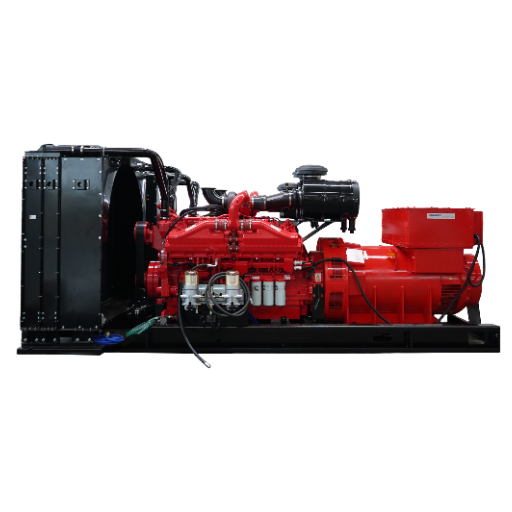
Transfer switches come in several configurations, each suited to specific applications and operational requirements. Understanding these types is essential for proper specification.
Manual Transfer Switches (MTS)
Manual transfer switches require physical operation by a person to transfer the load between power sources.
Operation: The operator is responsible for starting the generator when the utility power fails. After the generator has stabilized, the operator manually moves the switch and gets connected. When utility power is restored, the operator manually switches back to utility power and shuts down the generator.
Applications: Small commercial sites, farming operations, and any facility not requiring automatic transfers per code. Conditions where the power constantly fails and expert staff or the facilities’ owner will always be available.
Limitations: Manual switches needed for emergency systems as per the National Electric Code (Article 700) and legally required standby system applications (Article 701) will not meet this requirement where automatic transfer may be required. Additionally, human response times and possible operator errors must be taken into consideration.
Cost Range: 300−300−2,500 depending on amperage, significantly less than automatic switches.
Automatic Transfer Switches (ATS)
Automatic transfer switches perform all transfer operations without human intervention.
Operation: The Automatic Transfer Switch continuously monitors utility power. Automatically it will start and stop based upon programmed parameters, the generator will engage and transfer the load. Thus, the sequence will be reversed upon restoring power to the system and the generator will shut down.
Applications: Virtually any commercial or industrial backup power system, emergency system, and health care and data center environment; all applications requiring unattended operation and code-mandated automatic transfer.
Advantages: Meets code requirements for emergency systems, eliminates human response delays, enables remote or unattended facilities, and provides a consistent and reliable operation.
Cost Range: 800−8000−10,000+ depending on amperage, features, and transition type.
Bypass Isolation Transfer Switches
Bypass isolation switches provide a maintenance bypass around the automatic transfer mechanism.
Operation: The switch consists of two components: the automatic transfer switch and a manual bypass switch. During normal operation, the ATS handles transfers. When maintenance is required, the manual bypass allows the load to be powered directly from either source while the ATS is isolated and serviced.
Applications: Critical facilities where maintenance cannot interrupt power, including hospitals, data centers, semiconductor manufacturing, and financial processing centers. Any facility where downtime during ATS maintenance is unacceptable.
Cost Consideration: Bypass isolation switches cost approximately 2-3 times more than standard ATS units but eliminate the vulnerability of maintenance windows.
Transfer Switch Transition Types: A Critical Technical Decision
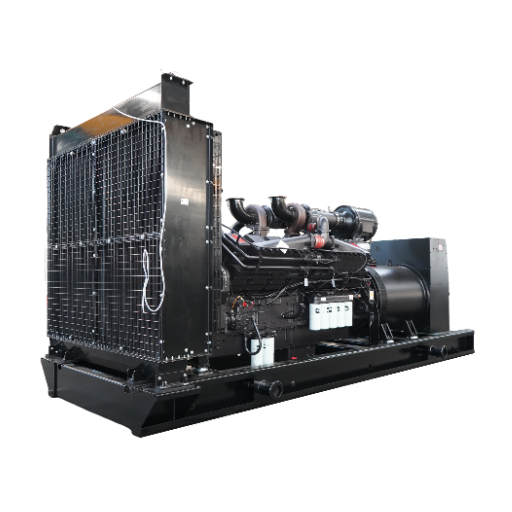
One of the transition types for a transfer switch is one of the biggest yet beset by confusion. The transition type specifies how the transfer switch switches loads or how it changes from one power source to another. This is very essential; otherwise, it could lead to damage to equipment, code violations, or operation-related problems.
Open Transition (Break-Before-Make)
How It Works: The switch completely disconnects the load from the utility source before connecting it to the generator power. There is a brief moment (typically 100-500 milliseconds) when the load is connected to neither source.
Advantages:
- Simplest and most common design
- Lowest cost
- No possibility of utility-generator paralleling
- Suitable for most applications
Disadvantages:
- Momentary power interruption to the load
- May cause computers, PLCs, and sensitive electronics to reboot
- Motor loads may drop out and require restart
Applications: General commercial and industrial loads, non-critical equipment, motor loads with across-the-line starters, most standby power applications.
Code Notes: Open transition is acceptable for all standby power applications but may not be suitable for certain emergency system requirements where continuous power is essential.
Closed Transition (Make-Before-Break)
How It Works: The switch momentarily connects the load to both utility and generator power simultaneously before disconnecting from the utility. The overlap period is typically less than 100 milliseconds, but both sources are briefly paralleled.
Advantages:
- Zero power interruption to the load
- No equipment reboots or process disruptions
- Enables transfer without motor contactor dropout
Requirements:
- Both power sources must be synchronized in phase, voltage, and frequency
- Utility approval required for intentional paralleling
- More complex control systems
- Higher cost (typically 50-100% premium)
Applications: Data centers, hospitals, semiconductor manufacturing, continuous process industries, any facility where even momentary interruption is unacceptable.
Code Compliance: NEC permits closed transition when proper protective relaying and utility coordination are in place. NFPA 99 (Healthcare Facilities) recognizes closed transition for critical care areas.
Delayed Transition
How It Works: The switch intentionally introduces a time delay (typically 1-10 seconds) between disconnecting from utility and connecting to generator power.
Advantages:
- Allows motor loads to decay before re-energization
- Reduces inrush current during transfer
- Smaller generator can often be used for motor-heavy loads
Disadvantages:
- Power interruption to load during delay
- Not suitable for loads requiring continuous power
Applications: Motor-heavy loads such as HVAC systems, chiller plants, industrial machinery with large motors. Applications where across-the-line motor starting would exceed generator capacity.
Sizing Impact: Delayed transition can reduce required generator size by 20-40% for motor-heavy loads by avoiding simultaneous starting inrush.
Soft Load Transfer (Ramp Load Transfer)
How It Works: The most advanced transition type, soft load transfer gradually ramps the load from one source to another using load control modules. The generator synchronizes with utility power and takes load gradually over several seconds.
Advantages:
- No power interruption
- Minimal voltage and frequency disturbance
- Generator can support utility during peak demand (peak shaving)
- Load shedding capability for non-critical loads
Requirements:
- Sophisticated paralleling controls
- Utility interconnection agreement
- Complex protective relaying
- Highest cost (2-3x standard ATS)
Applications: Large industrial facilities, utility peak shaving programs, facilities with multiple generators operating in parallel.
Mini-story: In 2022, a Virginia data center kept losing servers upon generator testing because it supposedly lost power despite the on-board generators. Initially, the standard open-transition ATS unit was causing a 200-millisecond interruption of power during transfer, which was enough to trigger cycles within the server power supplies. The solution was to employ a closed-transition ATS unit with synchronization capability. Although the ATS upgrade cost the company $18,000, it helped to avoid any downtime, which was initially costing the facility around $50,000 per event in the form of SLA credits and customer refunds.
Sizing a Transfer Switch: Critical Selection Criteria
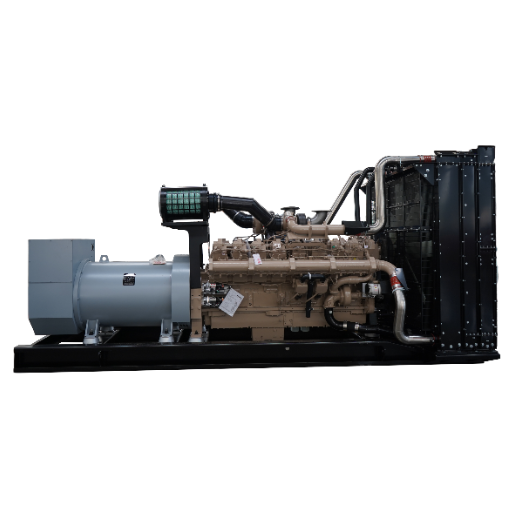
Generator sizing entails more than matching the output of the generator. Numerous technical factors must be taken into account to ensure safe and reliable operation.
Continuous Current Rating
The transfer switch must be rated for the maximum continuous current it will carry. This rating should match or exceed the generator’s rated output current.
Calculation: For three phase generators, current = (kW x 1000) / (Voltage x 1.732 x Power Factor)
Example: A 100kW generator at 480V three phase with 0.8 PF: (100,000) / (480 x 1.732 x 0.8) = 150A minimum transfer switch rating.
Sizing Rule: Select a transfer switch rated for at least 100% of generator capacity, with 125% rating preferred for future expansion.
Short Circuit Withstand Rating
Perhaps the most frequently overlooked specification, the short circuit withstand rating determines whether the transfer switch can safely survive a fault condition without catastrophic failure.
The Risk: When the shorting circuit occurs downstream from the transfer switch, the fault current flowing through it is very great until the fault is cleared by protective devices. Therefore, the transfer switch must withstand these forces without causing contact welding or housing rupture.
Rating Requirements: The transfer switch must have a withstand rating equal to or greater than the available fault current at its location. This requires coordination with:
- Utility available fault current
- Generator subtransient reactance
- Upstream transformer impedance
- System voltage
Coordination: The ATS short circuit rating must coordinate with both the utility breaker and the generator breaker. Inadequate withstand ratings can result in explosive failure of the transfer switch during a fault.
Standard Ratings: Transfer switches are typically available in 10kA, 22kA, 42kA, 65kA, and 100kA+ withstand ratings.
Voltage and Phase Configuration
The transfer switch must match the electrical system’s voltage and phase configuration:
Single Phase: 120V, 240V, or 120/240V for residential and light commercial
Three Phase: 208V, 240V, 480V, or 600V for commercial and industrial
Multi-Voltage: Some switches handle multiple voltage configurations for flexibility
Three Phase Considerations: Three phase transfer switches must transfer all phases simultaneously (4-pole switching including neutral for solidly grounded systems).
Motor Load Considerations
Motor loads present special challenges for transfer switch sizing:
Starting Current: At the initiation of operations, a motor will require 5 to 7 times its operational current in start-up. This inrush must be within switch current ratings without deploring with excessive voltage drop.
Transition Style Affects: Open-transition switchgears might cause motors to trip momentarily and restart, potentially adding to inrush. Closed or delayed-transition units are favored for heavy motor loads.
Load Shed: For facilities with prevalent motors, it is advisable to choose transfer switches that have a load-shed mechanism and sequencing of motor startups to prevent generator overprotection.
Specific Load Types Requiring Special Consideration
UPS Systems: Uninterruptible power supplies can interpret open transition transfers as power failures and switch to battery. Coordinate transfer timing with UPS ride-through capabilities.
Variable Frequency Drives (VFDs): VFDs may fault on voltage or frequency transients during transfer. Delayed transition or closed transition switches are recommended.
Transformers: Energizing transformers creates inrush currents similar to motor starting. Size transfer switches accordingly for transformer primary switching.
Code Requirements and Standards
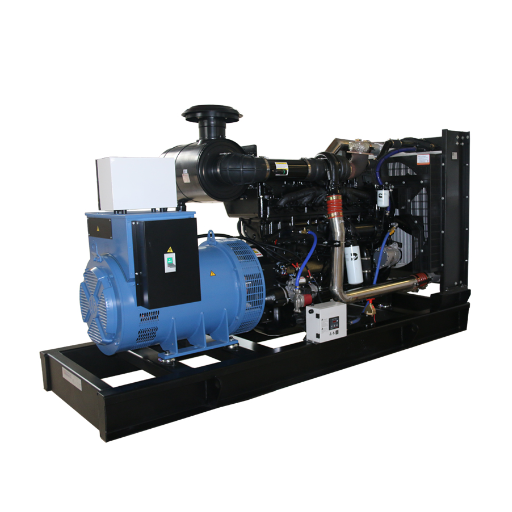
A transfer switches installation is subject to many codes and standards. It is important to keep track of these requirements to pass inspection and ensure safe operations.
NEC Article 700: Emergency Systems
Article 700 of the National Electrical Code governs emergency systems where failure could present life safety hazards.
Transfer Switch Requirements:
- Automatic transfer is mandatory for all emergency systems (700.12)
- Transfer switches must be located ahead of the emergency system main disconnect (700.12(B))
- Transfer equipment must be automatic, identified for emergency use, and approved for the purpose
Testing Requirements:
- Monthly testing of emergency systems including transfer switch operation (700.3)
- Annual testing under load (when practical)
- Documentation of test results
Level 1 and Level 2 (NFPA 110): Emergency power systems are classified into Level 1 (life safety) and Level 2 (critical operations), each with different transfer time requirements.
NEC Article 701: Legally Required Standby Systems
Legally required standby systems provide power to aid in evacuation and firefighting, though not critical for life safety.
Requirements:
- Automatic transfer required (701.12)
- 10-second maximum transfer time (coordinated with NFPA 110 Type 10)
- Transfer equipment must be identified for standby use
NEC Article 702: Optional Standby Systems
Optional standby systems provide power for property protection and business continuity where life safety is not involved.
Flexibility:
- Manual or automatic transfer permitted
- No specific time requirements
- Must still comply with general wiring requirements
NFPA 110: Emergency and Standby Power Systems
NFPA 110 provides comprehensive requirements for emergency power systems beyond the NEC.
Type Classification:
- Type 10: Power restored within 10 seconds (emergency systems)
- Type 60: Power restored within 60 seconds
- Type 120: Power restored within 120 seconds
Transfer Switch Requirements:
- UL 1008 listing required (standard for transfer switch equipment)
- Short circuit withstand ratings must be verified
- Overcurrent protection coordination required
UL 1008: Transfer Switch Equipment
UL 1008 is the standard governing the construction and testing of transfer switches.
Key Requirements:
- Endurance testing (number of operations)
- Temperature rise testing
- Short circuit withstand testing
- Dielectric voltage withstand
Listing Importance: Only UL 1008-listed transfer switches should be specified. Non-listed switches may not meet safety or performance requirements.
IEC 60947-6-1: International Standard
For international projects, IEC 60947-6-1 governs transfer switch equipment.
Applications: European, Asian, African, and South American installations
CE Marking: Required for European Economic Area
Differences from UL: Different testing protocols but similar safety objectives
Installation Best Practices
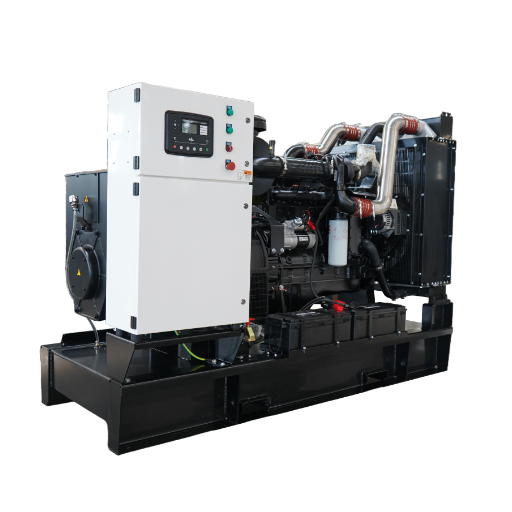
Proper installation ensures reliable operation and code compliance. While qualified electrical contractors should perform installations, understanding these requirements helps facility managers verify proper work.
Location and Mounting
Indoor against outdoor: Transfer switches are available in NEMA 1 (indoor) and NEMA 3R (outdoor) enclosures. Select appropriate rating for environmental conditions.
Point of Installation: Install the transfer switch as near as practical to both the utility services entrance and the generator. A much longer distance will naturally enhance voltage drop and the overall cost of installation.
Accessibility: Provided there exists the space for it, the NEC requires that electrical equipment be provided with working space (minimum 30-inch front clearance, 6.5 feet headroom) so that easy maintenance can be done.
Seismic Considerations: In seismic zones, transfer switches require proper anchoring to prevent damage during earthquakes.
Wiring and Connections
Utility and Generator Feeds: Using the NEC Article 310, find the correct size conductors that fit within the ampacity tables. Considerations need to be made for the temperature rating and bundling.
Neutral Switching: With three-phase, four-wire systems, the switched neutral is necessary to prevent ground faults. Make sure the transfer switch includes a neutral pole for 4-wire systems.
Grounding: Transfer switch frames will be bonded to the equipment grounding conductor per NEC Article 250.
Control Wiring
Generator Start Circuit: Two-wire or three-wire start circuits connect the ATS to the generator controller. Verify compatibility between ATS and generator control systems.
Status Monitoring: Advanced transfer switches provide status outputs for:
- Utility available
- Generator available
- Source connected
- Test mode active
- Alarm conditions
Remote Monitoring Integration: Modern transfer switches can communicate with building management systems (BMS) or remote monitoring platforms.
Testing and Commissioning
Initial Testing: Before final acceptance:
- Verify proper voltage and phase rotation
- Test transfer and retransfer operations
- Simulate utility failures
- Verify generator start signal timing
- Test protective functions
Testing Banks: Confirm system performances under live load circumstances to anticipate commissioning an essential facility.
Documentation: All test information, setting, and commissioning data will be recorded and filed for subsequent reference and review by code.
Cost Analysis: Equipment and Installation
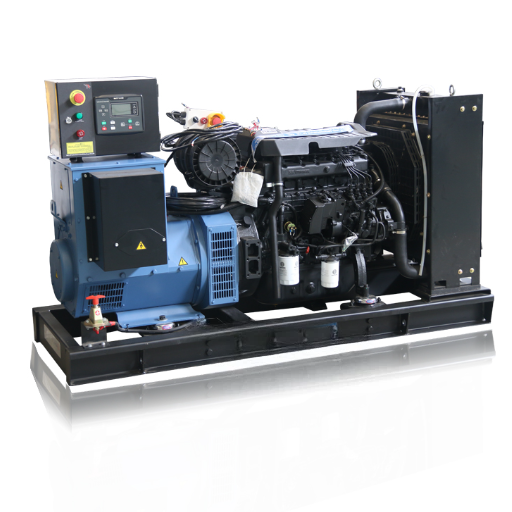
Understanding transfer switch costs helps with budgeting and value engineering decisions.
Transfer Switch Equipment Pricing
| Amperage | Manual Switch | Standard ATS | Closed Transition ATS | Bypass Isolation ATS |
|---|---|---|---|---|
| 100A | $300-600 | $900-1,500 | $1,800-2,500 | $3,000-4,500 |
| 200A | $500-1,000 | $1,500-2,500 | $3,000-4,500 | $5,000-7,500 |
| 400A | $800-1,500 | $3,000-5,000 | $6,000-9,000 | $10,000-15,000 |
| 800A | $1,500-2,500 | $6,000-10,000 | $12,000-18,000 | $20,000-30,000 |
| 1200A | $2,500-4,000 | $10,000-16,000 | $20,000-30,000 | $35,000-50,000 |
| 1600A+ | Custom | $15,000+ | $30,000+ | $50,000+ |
Price Factors:
- Brand and quality level
- Enclosure rating (NEMA 1 vs NEMA 3R)
- Control features and communication options
- Transition type
- Short circuit withstand rating
- Certifications (UL, CE, etc.)
Installation Cost Components
Electrical Labor: 75−75−150 per hour depending on location and contractor
- Typical residential installation: 4-8 hours
- Typical commercial installation: 8-20 hours
- Complex industrial installations: 20+ hours
Permits and Inspections: 100−100−500 depending on jurisdiction
Additional Materials:
- Conduit and conductors
- Junction boxes
- Termination lugs
- Control wiring
Total Project Cost Ranges
Residential (100-200A):
- Equipment: 1,000−1,000−3,000
- Installation: 1,500−1,500−3,000
- Total: 2,500−2,500−6,000
Commercial (200-400A):
- Equipment: 3,000−3,000−8,000
- Installation: 3,000−3,000−8,000
- Total: 6,000−6,000−16,000
Industrial (400A+):
- Equipment: 8,000−8,000−50,000+
- Installation: 8,000−8,000−30,000+
- Total: 16,000−16,000−80,000+
Regional Variations: Urban areas with high labor costs (Northeast US, West Coast) may see installation costs 50-100% higher than rural areas.
Maintenance and Testing Requirements
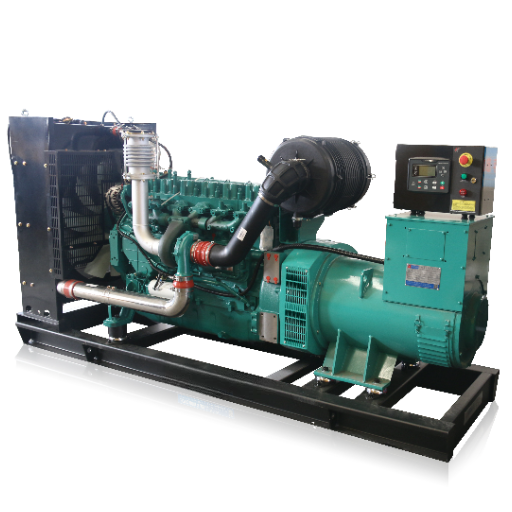
Regular maintenance ensures that transfer switches will perform reliably when required. NFPA 110 and NEC specify minimum testing requirements.
Required Testing Schedule
Monthly Testing (NFPA 110):
- Operate transfer switch under no-load or load conditions
- Verify proper transfer and retransfer
- Document test results
Quarterly Testing:
- Test with actual facility load when practical
- Verify generator starting and load carrying capability
- Check indicator lights and alarms
Annual Maintenance:
- Inspect contacts for wear and pitting
- Tighten all electrical connections
- Clean dust and debris from enclosure
- Exercise operating mechanism
- Verify control settings
- Test protective functions
Five-Year Maintenance:
- Detailed contact inspection
- Mechanical component inspection
- Control calibration verification
- Replacement of worn components
Common Problems and Troubleshooting
Transfer Failure to Generator:
- Cause: Control circuit failure, voltage sensing issues
- Solution: Check control fuses, verify voltage sensing connections
Failure to Retransfer to Utility:
- Cause: Control malfunction, utility sensing issues
- Solution: Verify utility voltage, check time delay settings
Chattering or Excessive Contact Wear:
- Cause: Undersized switch for load, poor power quality
- Solution: Verify sizing calculations, check for voltage imbalances
False Transfers:
- Cause: Nuisance tripping from voltage sags, improper sensing settings
- Solution: Adjust voltage dropout settings, verify sensing circuit
When to Call a Professional
Contact a qualified electrical contractor when:
- Transfer switch fails to operate
- Unusual sounds or odors detected
- Visible damage to enclosure or components
- Repeated nuisance operations
- After any fault condition
ZC Power Generator and Transfer Switch Solutions
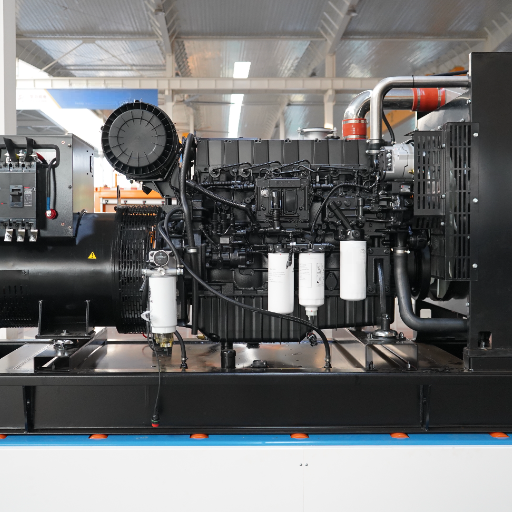
For your facility that needs a backup power solution that offers automatic transfer to code-complaint standards, ZC Power comes along with a variety of integrated generators and ATS solutions that are designed for the industrialists.
Looking for technical specifics on standby generators in 2026? (Read Standby Generator: Complete Technical Guide 2026 [Types, Sizing & Installation])to learn about its classification, dimensioning and installation standards.
Factory-Matched Generator and ATS Packages
Pre-Configured Compatibility:
Our diesel generator sets are engineered for seamless integration with automatic transfer switches. Each system includes:
- Matched voltage and phase configurations
- Compatible control interfaces (DSE, ComAp, SmartGen)
- Coordinated protective relaying
- Pre-wired control circuits
- Factory testing of complete system
Three Phase and High-Amperage Expertise:
While many suppliers focus on residential applications, ZC Power specializes in commercial and industrial transfer switch solutions:
- Three phase ATS from 100A to 3,000A+
- Voltage configurations: 208V, 240V, 480V, 600V, 400V (international)
- Short circuit withstand ratings to 100kA+
- Open, delayed, and closed transition options
Global Certification and Code Compliance
Multi-Standard Certification:
Our transfer switches and generator packages carry certifications for global deployment:
- UL 1008 listing for North American installations
- CE marking for European Economic Area
- CCC certification for China
- IEC 60947-6-1 compliance for international projects
Code Compliance Support:
Our engineering team provides documentation and guidance for:
- NEC Article 700, 701, and 702 compliance
- NFPA 110 Type 10, 60, and 120 requirements
- Local jurisdiction approval packages
- Inspection readiness support
Custom Engineering Capabilities
Beyond Standard Products:
For unique applications, ZC Power’s 80+ engineer technical team develops custom solutions:
- Non-standard voltage configurations
- Custom transition timing and sequencing
- Integration with existing building controls
- Special enclosure requirements
- Seismic and environmental ratings
Integration Services:
- Parallel generator and ATS systems
- Multi-generator load sharing
- Remote monitoring integration
- Building management system (BMS) interfaces
Frequently Asked Questions
What does a generator transfer switch do?
An automatic transfer switch safely averts power flow to and from the electrical loads between the utility and generator. It checks the supply power to automatically start the generator, shift the load to generator power, and give the load back to the supply when it becomes available. The switch renders the linkage between generator and utility one thing that cannot be made at one time.
How much does it cost to install a transfer switch?
Transfer switch installation costs will depend on amperage and complexity. The installations in residential buildings (100-200A) cost on average between $2,500 to 6,000 for parts and labor. For installations in commercial settings (200-400A), plan on spending at least $6,000 to $16,000. Industrial settings with installations that exceed 400A will cost anything from $16,000 to $80,000 and beyond. Variables affecting the cost also include the differing amp ratings, transition types (open vs. closed), the site of the installation, and regional labor rates.
Can I install a transfer switch myself?
While technically possible for qualified individuals, transfer switch installation should generally be performed by licensed electrical contractors. The installation requires working with live electrical panels, proper grounding, code compliance, and often permits and inspections. Improper installation can create fire hazards, electrocution risks, and code violations. NEC requirements and most jurisdictions mandate licensed electrician installation.
What size transfer switch do I need for my generator?
Size the transfer switch for at least 100% of generator rated output current. For a 100kW generator at 480V three phase: Current = (100,000W) / (480V x 1.732) = 120A minimum. Select the next standard size up (150A or 200A) for safety margin. Also verify the switch’s short circuit withstand rating meets or exceeds available fault current at the installation location.
What is the difference between an automatic and manual transfer switch?
The automated transfer switch (ATS) is a switch that keeps track of utility power and by default switches loads over to the generator source when utility power fails, without human intervention. It’s contrasted with a manual transfer switch, which requires human intervention to operate. ATS is said to be required by code; therefore, it is appropriate for emergency systems and chiller plants requiring immediate response. Manual switches are cheaper but can be used in this context only if you want qualified personnel all the time or if immediate transfer is not necessary.
How does an automatic transfer switch work?
Utility voltage is continuously monitored by the ATS. The switch activates the generator when the voltage drops below prescribed thresholds for a predetermined time. The generator comes online and stands in readiness to energize its output toward nominal voltage and frequency. It cuts power from the utility and connects the supply to the generator. Utility returns and is solid; ATS switches back and enables the generator to switch off after a cool-down duration.
Do I need a permit to install a transfer switch?
Yes, in most of the jurisdictions of a country, you need permits to install such a transfer switch. This permit is a formal assurance that the installation is fully compliant with NEC or the set regulations for a particular locality. In general, inspections are for ensuring that the wire sizes are correct, correct grounding, overcurrent protection, and code are adhered. Installing such systems without seeking approval will void insurance coverage for damages that could be caused.
How long does it take to install a transfer switch?
Installation time is variable depending on complexity. On the low end, the simplest residential installations usually take four to eight hours, while the most complex commercial installations can take as long as twenty; and industry-wise, such installations might be here for days. The time-sticking factors will include the amperage rating, distance from generator to electrical panel, existing electrical capacity, and complexity of the control wiring.
Can you use a generator without a transfer switch?
While it is possible in an unsafe manner by backfeeding from a dryer outlet, it is not advisable or illegal to use a generator without a proper transfer switch in most regions. Backfeeding can be dangerous for utility workers, damages the generator, and spoils the electrical code. NEC Article 702 requires transfer equipment with all permanently installed generators. Portable generators supplied with extension cords need no transfer switch, but they cannot serve as the power source for hardwired building circuits.
What is the code for generator transfer switches?
Transfer Switches are governed by Article 700 (Emergency Systems), Article 701 (Legally Required Standby), and Article 702 (Optional Standby) of the NEC. NFPA 110 provides additional requirements for emergency power systems. Transfer switches must be UL 1008 listed (or IEC 60947-6-1 for international). Basically, the key requirements refer to automatic transfer of emergency systems, the life safety load maximum transfer time is 10 seconds; proper short circuit withstand ratings; and regular testing set forth for the same.
What is the difference between open and closed transition transfer switches?
An open-transition switch disengages the utility before it can engage the generator, causing a brief (100-500ms) power disturbance. In March, the operational states of both supply sources briefly coincide, before the utility is cut off, which ensures a no-interruption transfer. Closed transition requires a power source synchronization and utility consents before providing service to critical loads such as data centers and hospitals. Open transition is most common in commercial and industrial applications.
How often should a transfer switch be tested?
NFPA 110 requires monthly testing of emergency power systems including transfer switch operation. Test by simulating utility failure and verifying proper transfer and retransfer. Annual testing under actual load conditions is recommended when practical. Document all test results for code compliance and maintenance records. Facilities with Level 1 emergency systems must maintain detailed testing documentation.
Conclusion
The transfer switch is the essential connection between the generator and the distributed network under protection. Understudies receive a lot of attention during the specification process; the undersized, mis-engineered, or even improperly installed transfer switch can cause even the most reliable generator to be down during an outage or even worse, create safety hazards and damage equipment.
Key principles for transfer switch selection and installation:
- Size for full generator capacity with 25% margin for future expansion
- Verify short circuit withstand ratings to prevent catastrophic failure during faults
- Select appropriate transition type based on load sensitivity (open for most, closed for critical)
- Ensure code compliance with NEC Articles 700/701/702 and NFPA 110
- Specify UL 1008 listed equipment for safety and performance verification
- Follow maintenance schedules including monthly testing per NFPA 110
- Use qualified contractors for installation and major maintenance
In critical applications such as emergency and standby power supplies, the small investment necessary for ensuring a well-specified reliable transfer switch is far outweighed by the costs of failure during an outage. If the transfer switch is not an optional afterthought, but considered an intrinsic part of the backup power system and therefore deserving of just as much design attention as the generator.
For ZC Power, depending on your requirement for a synchronous, synchronous through a clutch, or uninterruptible power supply, you are accompanied up to the protection with the help of global certificates and certified technical services to efficiently ensure operation. In addition to the mathematical sizing practice and establishment of the vital code compliance documentation, the expert team, 80+ engineers, offers high-quality equipment for certain liabilities.
Planning to purchase a home backup generator in 2026? [Read Backup Generator for Home: Complete 2026 Buying and Sizing Guide] for tailored purchasing advice and accurate sizing strategies.