NFPA 110: Complete Compliance Guide for Emergency Power Systems [2026 Edition]
The Joint Commission surveyors who visited St. Mary’s Medical Center in 2024 March requested access to NFPA 110 testing records. The facility manager produced incomplete records; three months of monthly tests were missing documentation of actual load levels achieved. The finding resulted in conditional accreditation which required the organization to complete a 90-day corrective action plan. The hospital spent $45,000 on emergency load bank testing and documentation system implementation to achieve compliance.
This scenario plays out in facilities across the country every day. The National Fire Protection Association’s Standard 110 establishes operational standards which determine whether organizations will sustain operations or face total system breakdown during power outages.
NFPA 110 understanding proves essential for all professionals who work in emergency power systems for hospitals and data center designers and industrial backup system installers. This complete guide provides all required information about the 2026 edition while presenting all compliance-related changes that require your attention.
Want the complete picture first? (Read our complete guide to emergency power systems before diving into emergency generator specifics.)
What Is NFPA 110?
The National Fire Protection Association published NFPA 110 as the Standard for Emergency and Standby Power Systems. The standard, which first appeared in 1985, establishes minimum requirements which emergency power supply systems must meet during their installation process and their maintenance operations and testing activities which need to happen in locations where power failures lead to life-threatening conditions and severe injuries and substantial economic damages.
The standard works in conjunction with several other codes:
- NEC Article 700 (Emergency Systems): Covers legally required emergency systems—roughly equivalent to NFPA 110 Level 1
- NEC Article 701 (Legally Required Standby): Covers systems that aren’t life-safety critical but are legally required—roughly equivalent to NFPA 110 Level 2
- NEC Article 702 (Optional Standby): Covers systems where failure means business disruption, not life safety—not regulated by NFPA 110
- NFPA 99 (Healthcare Facilities Code): Establishes which healthcare systems require Level 1 EPSS
- NFPA 101 (Life Safety Code): Determines which building systems need emergency power
Critical distinction: The installation and maintenance requirements for emergency power systems become established through NFPA 110. Your organization requires emergency power systems for operation which the Authority Having Jurisdiction (AHJ) will decide based on NFPA 99, NFPA 101, and local building codes.
2025 Edition Overview
The NFPA 110-2025 edition, released in August 2024, includes several significant changes that facilities must understand:
- Revised annual load bank testing protocol (now 1.5 hours instead of 2)
- New Reliability-Centered Maintenance (RCM) approach
- Expanded battery technology acceptance (nickel-zinc and lithium-ion)
- Enhanced battery maintenance requirements
At ZC Power, we’ve been building NFPA 110-compliant generator systems since 1999. Our national standard testing center verifies every unit exceeds minimum requirements before shipment to your facility.
The NFPA 110 Classification System
NFPA 110 uses a three-part classification system to specify exactly what an emergency power system must do. Every EPSS has a Level, Type, and Class designation.
Level 1 vs Level 2 Systems
The Level designation answers one critical question: What happens if this system fails?
| Aspect | Level 1 EPSS | Level 2 EPSS |
|---|---|---|
| Consequence of Failure | Loss of human life or serious injury | Economic loss or operational disruption |
| Typical Applications | Hospitals, fire pumps, emergency egress lighting, smoke control | HVAC, refrigeration, industrial processes, data centers |
| Transfer Time | Type 10 (10 seconds) typically required | Type 60 (60 seconds) or Type 120 (120 seconds) |
| Testing Stringency | Most rigorous (weekly, monthly, annual, triennial) | Less frequent testing requirements |
| Fuel Storage | 133% rule applies; 96-hour minimum for healthcare | Standard fuel storage acceptable |
Important: Equipment designed for Level 1 can always be used for Level 2 applications, but Level 2 equipment cannot be used for Level 1. When in doubt, specify Level 1.
Type Classifications (Transfer Time)
The Type designation specifies how quickly power must be restored after utility failure:
- Type 10: Power restored within 10 seconds—standard for healthcare, life safety systems
- Type 60: Power restored within 60 seconds—acceptable for many business-critical loads
- Type 120: Power restored within 120 seconds—suitable for non-critical standby loads
- Type M: Manual transfer—requires operator intervention
A Midwest pharmaceutical manufacturer learned about Type requirements the hard way. The state survey inspectors discovered that the company needed 60 seconds of transfer time which exceeded their Level 1 EPSS requirement for sterile manufacturing operations. The company had to spend $34000 on equipment upgrades and electrical system changes to implement a Type 10 system with improved ATS switching capabilities.
Class Classifications (Fuel Duration)
The Class designation specifies how long the system must operate without refueling:
| Class | Runtime | Typical Applications |
|---|---|---|
| Class 2 | 2 hours | Limited standby, non-critical |
| Class 6 | 6 hours | Short-duration backup |
| Class 48 | 48 hours | Standard commercial facilities |
| Class 96 | 96 hours | Healthcare (CMS requirement), critical infrastructure |
| Class X | Specified by user | Custom applications |
The 96-Hour Rule: The NFPA 110 standard requires Level 1 systems to meet Class 48 requirements but the Centers for Medicare and Medicaid Services mandate that hospitals must maintain 96-hour on-site fuel storage. The requirement which emerged from Hurricane Katrina’s demonstration of the hazards linked to insufficient fuel supplies needs to remain exclusively used for dedicated EPSS functions.
Fuel Calculation: The 133% rule requires fuel storage capacity of 133% of the calculated consumption at full load for the assigned Class duration. For a Class 48 system consuming 50 gallons per hour: 50 × 48 × 1.33 = 3,192 gallons minimum.
NFPA 110 Equipment Requirements

Generator Set Requirements
NFPA 110 Chapter 5 specifies minimum equipment standards:
Prime Mover (Engine):
- Must be rated for standby power service
- Governor response must maintain frequency within ±5% for Level 1, ±10% for Level 2
- Must start and reach rated speed within required Type time
Alternator:
- Voltage regulation within ±10% during transient conditions
- Must withstand short-circuit current without mechanical damage
- Appropriate for environmental conditions (temperature, altitude, humidity)
Control Systems:
- Automatic starting on utility failure
- Safety shutdowns for low oil pressure, high coolant temperature, overspeed
- Annunciator panel for fault indication
Transfer Switch Requirements
The automatic transfer switch (ATS) is often the most critical—and most failure-prone—component in an EPSS:
By Type Classification:
- Type 10 systems require open transition or closed transition ATS with fast switching
- Bypass isolation switches required for critical facilities to enable maintenance without power interruption
- Manual transfer capability required as backup
2026 Edition Updates: Enhanced requirements for ATS testing frequency and documentation of transfer/retransfer operations.
Fuel System Requirements
The 133% Rule Explained:
Fuel storage must equal 133% of calculated consumption for the assigned Class. This 33% safety margin accounts for:
- Fuel degradation over time
- Incomplete combustion during cold starts
- Variations in load during actual emergencies
- Inability to refuel during widespread disasters
Main Tank vs. Day Tank:
Large EPSS systems typically use a two-tank system:
- Main storage tank: Holds bulk fuel (underground or aboveground)
- Day tank: Supplies fuel directly to the engine, typically sized for 4-8 hours of operation
- Transfer pumps: Move fuel from main tank to day tank under automatic control
Battery and Starting System (2025 Updates)
The 2025 edition significantly expands battery requirements:
Accepted Battery Types (Section 5.6.4.5):
- Lead-acid (traditional, maintainable)
- Nickel-cadmium
- Nickel-zinc (new in 2025)
- Lithium-ion (new in 2025)
Cranking Performance Requirements:
- Must crank engine to starting speed within required Type time
- Minimum cranking cycles specified by manufacturer
- Voltage drop during cranking must not exceed specification
Maintenance Access:
- Maintainable batteries require access for electrolyte level checking
- Non-maintainable batteries (sealed) must meet equivalent performance standards
NFPA 110 Testing Requirements (2026 Edition)
The success of NFPA 110 compliance testing depends on testing procedures. The 2026 edition refines several testing protocols based on field experience and reliability data.
Weekly Inspection Requirements
Every week, a qualified technician must visually inspect:
- Fuel system: Level adequate for assigned Class, no leaks, water contamination check
- Coolant system: Level and condition, no leaks, freeze protection adequate
- Lubrication system: Oil level, no leaks, condition check
- Battery system: Electrolyte level (if applicable), terminal connections, voltage
- Engine: No fluid leaks, unusual conditions, cleanliness
- Generator: Control panel indicators, fault codes, annunciator test
- Enclosure: Ventilation clear, heating/cooling operational, block heater functioning
Documentation Required: Dated log entry with technician signature and any deficiencies noted.
Monthly Testing Requirements
The monthly test is where most facilities fail compliance. NFPA 110 requires:
Duration: Minimum 30 minutes of loaded operation
Load Requirements: Minimum 30% of nameplate kW rating OR manufacturer’s recommended minimum exhaust temperature
Why 30% Matters: Operating below 30% load causes “wet stacking”—unburned fuel and carbon buildup in the exhaust system. This reduces efficiency by 15-25% and can cause engine damage.
Parameters to Record:
- Load level achieved (kW and % of rating)
- Operating voltage and frequency
- Oil pressure and coolant temperature
- Any alarms or abnormal conditions
- Transfer and retransfer times
Building Load vs. Load Bank: If your facility’s connected load cannot achieve 30% of generator rating, you must supplement with portable load bank testing. Many data centers and hospitals face this situation.
After two consecutive annual tests revealed excessive carbon buildup, a data center operator implemented monthly 30% load bank testing as NFPA 110 requires. Within six months, exhaust temperatures normalized, oil consumption dropped 20%, and the generator passed its next annual inspection with no carbon-related issues. The load bank rental investment of 8,000/yearpreventedanestimated8,000/yearpreventedanestimated60,000 in engine rebuild costs.
Annual Testing Requirements (2026 Changes)
The 2025 edition revises the annual load bank test protocol:
Previous Protocol (Pre-2026):
- 25% load for 30 minutes
- 50% load for 30 minutes
- 75% load for 60 minutes
- Total: 2 hours
2026 Protocol:
- 50% load for 30 minutes
- 75% load for 60 minutes
- Total: 1.5 hours
Note: Check with your AHJ which edition they enforce. Many jurisdictions lag 1-3 years behind the latest edition.
Additional Annual Requirements:
- Fuel quality testing per ASTM D975: specific gravity, water/sediment, flashpoint, viscosity, sulfur, cetane number
- Transfer switch maintenance: Inspect, clean, test contacts and mechanism
- Battery load testing: Impedance testing or conductance testing
- Comprehensive system inspection: All components, wiring, connections
Triennial Testing (Level 1 Only)
Every 36 months, Level 1 systems require:
Duration: 4 hours minimum at actual building load OR 30% of nameplate (whichever is greater)
Purpose: This extended test reveals issues that shorter tests miss—fuel system problems, overheating, vibration issues, control system failures under sustained load.
Documentation: Detailed test report including all parameters logged at 15-minute intervals.
Installation and Acceptance
Before an EPSS enters service, NFPA 110 requires formal acceptance testing:
Initial Acceptance Testing
- Full-load test for assigned Class duration
- Voltage and frequency stability verification
- Transfer switch operation under all modes
- Safety shutdown verification (supervised tests)
- Full documentation package delivery
AHJ Witnessing
The Authority Having Jurisdiction typically witnesses:
- Initial acceptance testing
- Major modifications or upgrades
- Periodic reinspections (varies by jurisdiction)
Pro tip: Invite your AHJ to witness a test before the formal acceptance. Building relationships with inspectors prevents surprises during official inspections.
Commissioning Documentation
Required documents at handover:
- Manufacturer’s installation, operation, and maintenance manuals
- As-built drawings
- Testing and maintenance procedures
- Parts list with supplier information
- Warranty documentation
- Training records for operating personnel
Recordkeeping and Documentation
Documentation is the backbone of NFPA 110 compliance. Inspectors typically request 12-24 months of records.
Required Records (3-Year Retention)
- Weekly inspection logs
- Monthly test reports with load levels achieved
- Annual test reports
- Triennial test reports (Level 1)
- Fuel quality test results
- Battery test results
- Maintenance performed (preventive and corrective)
- Repair records
- Training records for personnel
Electronic vs. Paper Systems
NFPA 110 accepts electronic documentation if it provides:
- Tamper-evident records
- Backup and recovery capability
- Signature/authentication of responsible personnel
- Accessibility for AHJ review
Common Documentation Failures:
- Missing actual load levels (just noting “generator tested”)
- No technician signatures
- Inconsistent dates (testing on weekends when facility is closed)
- Lost records (no backup system)
- Illegible handwritten logs
2026 NFPA 110 Edition: Key Changes
The 2026 edition, effective August 2025, includes several updates based on field experience and emerging technology.
1. Revised Annual Load Bank Test Protocol
As detailed above, the annual test now requires 1.5 hours instead of 2 hours, with different load steps. This change reflects data showing the revised protocol adequately tests system reliability while reducing runtime and fuel consumption.
2. Reliability-Centered Maintenance (RCM)
Section 8.1.3 now permits RCM approaches for planning routine maintenance. This allows facilities to:
- Align maintenance with safety and cost outcomes
- Use condition-based maintenance instead of calendar-based where justified
- Implement predictive maintenance technologies
Important: RCM requires formal program development and AHJ approval. Don’t simply skip maintenance activities without documented justification.
3. Expanded Battery Technologies
The 2025 edition officially accepts nickel-zinc and lithium-ion batteries for starting systems, reflecting improved technology and real-world performance data. Requirements include:
- Meeting cranking performance criteria
- Voltage drop requirements during cranking
- Temperature-appropriate specifications
4. Enhanced Battery Maintenance (Section 8.3.6)
Weekly battery inspection is now explicitly required for all Level 1 facilities (previously implied but not stated).
Monthly battery testing is now required for all Level 1 facilities, not just lead-acid batteries.
New testing methods added:
- Conductance testing
- Ohmic testing
- Cranking voltage drop testing
Minimum voltage tables based on temperature are now included (Table A.8.3.6.1.2).
5. Fuel Tank Capacity Updates
Section 5.5.3 provides more flexible standards for systems classified for shorter runtimes, allowing more practical tank sizing while ensuring reliable service.
Common Compliance Failures
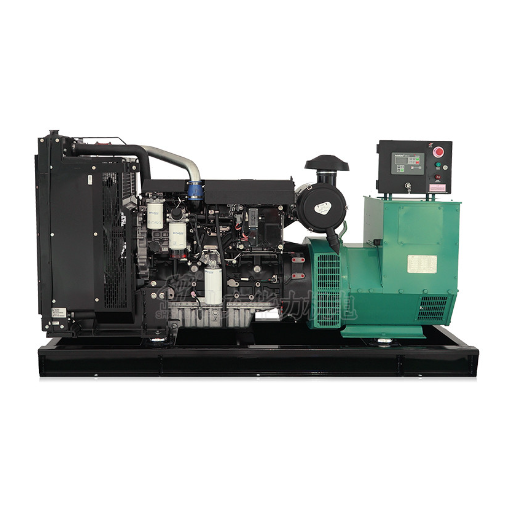
After 25 years of building emergency power systems, we’ve seen the same compliance failures repeatedly:
Wet Stacking from Under-Loading
Operating below 30% load causes carbon buildup, unburned fuel accumulation, and reduced engine life. Symptoms include black exhaust, oil dilution, and glazing of cylinder walls.
Solution: Portable load bank testing when building loads are insufficient.
Fuel Degradation
Diesel fuel begins degrading within 6-12 months. Contamination with water, microbes, and oxidation products causes filter clogging, injector damage, and starting failures.
Solution: Annual fuel testing per ASTM D975, fuel polishing systems, biocide treatment, and fuel rotation.
Battery Failures
80% of generator starting failures are battery-related. Causes include sulfation, loose connections, temperature extremes, and age.
Solution: Weekly inspections, monthly testing, temperature-compensated charging, and replacement every 3-5 years.
Missing or Incomplete Logs
Inspectors routinely find logs with “generator tested” but no load levels, missing dates, or no technician signatures.
Solution: Standardized forms, electronic documentation systems, and management oversight.
Inadequate Load Bank Testing
Facilities skip load bank testing when building loads are light, or they test at insufficient load levels.
Solution: Contract portable load bank services—cost is minimal compared to compliance violations or emergency failures.
ZC Power NFPA 110 Solutions
As a source manufacturer with a 300,000-square-meter facility and national standard testing center, ZC Power builds NFPA 110 compliance into every emergency power system we produce.
Factory-Built NFPA-Compliant Systems:
- Engineered for your specific Level, Type, and Class requirements
- Load tested at 110% of rated capacity before shipment
- All components certified and traceable
- Documentation package prepared for AHJ review
Custom Engineering:
- Parallel generator systems for large loads
- Containerized solutions for extreme environments
- Custom voltage and frequency configurations
- Integration with existing building systems
Global Compliance Support:
- 80+ technical engineers
- Export experience to 50+ countries
- Understanding of regional AHJ interpretations
- Commissioning and startup assistance
FAQ: NFPA 110 Compliance
What is NFPA 110?
The National Fire Protection Association Standard for Emergency and Standby Power Systems NFPA 110 establishes minimum standards for the installation and maintenance and testing of emergency power supply systems which protect against power outages that threaten human life and safety and which can result in major financial losses.
What is the difference between Level 1 and Level 2 in NFPA 110?
Level 1 systems serve loads which can endanger human life through system failures. Level 2 systems provide power to less critical loads while system failures create economic losses and operational outages. The testing and fuel storage requirements of Level 1 exceed all other requirements.
How often should generators be tested per NFPA 110?
Weekly inspections, monthly loaded tests (30 minutes at 30% minimum load), annual load bank tests (1.5 hours per 2025 edition), and triennial 4-hour tests for Level 1 systems.
What is the 96-hour fuel requirement for hospitals?
CMS (Centers for Medicare & Medicaid Services) requires hospitals to maintain 96 hours of on-site fuel for their emergency power systems which exceeds the NFPA 110 minimum. The fuel must be dedicated to the EPSS system and cannot be used for any other purpose.
What are the changes in NFPA 110 2025 edition?
The main modifications involve the updated testing procedure which lasts for 1.5 hours and the implementation of Reliability-Centered Maintenance and the approval of nickel-zinc and lithium-ion batteries and the new battery maintenance standards.
What is the 133% fuel rule in NFPA 110?
Fuel storage capacity needs to match 133% of the estimated fuel needs required for the entire duration of the Class. The 33% safety margin exists because fuel will degrade and combustion will not reach full efficiency and refueling will be impossible during emergency situations.
What is Type 10 vs Type 60 in NFPA 110?
Type 10 requires power restoration within 10 seconds and is standard for healthcare and life safety systems. Type 60 allows up to 60 seconds and is acceptable for many business-critical loads.
What is Class 48 in NFPA 110?
Class 48 means the emergency power system must operate for 48 hours without refueling at full load. This is the standard minimum for most Level 1 commercial and industrial facilities.
Does NFPA 110 apply to my facility?
NFPA 110 applies when your AHJ (Authority Having Jurisdiction) requires it, typically based on NFPA 99, NFPA 101, local building codes, or insurance requirements. When in doubt, consult your local fire marshal or building official.
What happens if I fail an NFPA 110 inspection?
The consequences depend on the severity of the situation and the authority which handles it. Healthcare facilities may lose their accreditation status. Emergency power failures result in denial of insurance claims.
Conclusion
NFPA 110 compliance isn’t a one-time achievement—it’s an ongoing commitment to testing, documentation, and maintenance. The 2025 edition brings important changes that affect your testing protocols and battery maintenance procedures.
Key takeaways:
- Understand your Level, Type, and Class requirements
- Follow the testing schedule rigorously—especially the 30% load requirement
- Maintain complete documentation for 3+ years
- Stay current with edition updates and AHJ adoption timelines
- Address fuel quality and battery maintenance proactively
You need to work with manufacturers who possess comprehensive NFPA 110 knowledge for both designing new systems and confirming compliance with existing systems. ZC Power has dedicated 25 years to creating emergency power systems which surpass standard requirements and remain operational during critical moments.


