
Get in touch

Contact Form
NFPA 99 & 110 Compliant

Hospital Emergency Power Systems That Won’t Fail When Lives Are on the Line

NFPA 99 & 110 compliant backup generators with full lifecycle support. From design through Joint Commission audit—protecting critical healthcare infrastructure since 1999.

Trusted by 500+ healthcare facilities across 60+ countries
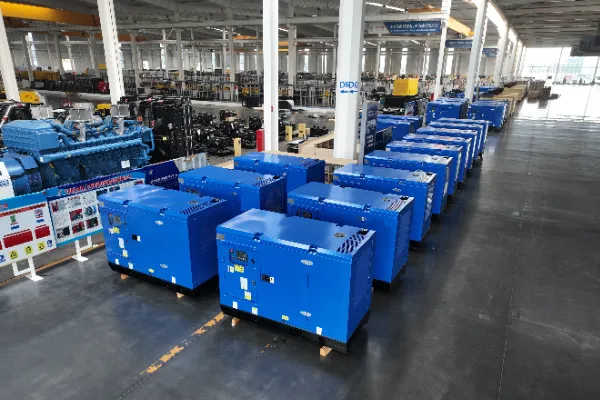
Hospital backup diesel generators in weatherproof enclosure at modern medical facility

10s

Transfer Time

96h

Fuel Capacity

100%

Joint Comm.

25+

Years Exp.

Every second without power in a hospital costs more than dollars—it costs lives. Yet 23% of hospitals fail Joint Commission inspections due to inadequate generator documentation and maintenance. When Hurricane Sandy struck NYU Langone, backup power failures forced the complete evacuation of patients. Your emergency power system isn’t just equipment. It’s a lifeline that demands zero-failure confidence.

Trusted by 500+ healthcare facilities across 60+ countries

The Real Cost of Hospital Power Failure

Hospital power failures create cascading crises that extend far beyond inconvenience. When the grid goes down, operating rooms lose critical lighting, ventilators cease functioning, surgical equipment powers off mid-procedure, and electronic medical records become inaccessible. Vaccines spoil. Security systems fail. Patient safety hangs in the balance.

The statistics are sobering. A ProPublica investigation documented multiple hospital evacuations directly attributed to generator failures during emergencies. NYU Langone’s experience during Hurricane Sandy—where fuel pumps flooded despite functional generators—demonstrates how even prepared facilities face unexpected vulnerabilities. Patient mortality increases measurably during power outages, with vulnerable populations in ICUs and surgical suites facing the greatest risk.

Beyond patient safety, the financial and reputational consequences are severe. Emergency patient evacuations cost millions in direct expenses and liability exposure. Regulatory penalties from CMS and Joint Commission findings can threaten Medicare reimbursement—often representing 40-60% of hospital revenue. The question isn’t whether you can afford a robust emergency power system. It’s whether you can afford to operate without one.
“A 340-bed community hospital in the Midwest experienced three minor power outages within six months. While their generator activated each time, subsequent analysis revealed chronic under-loading during monthly tests had caused severe wet stacking. Our assessment identified the issue before disaster struck, implementing load bank testing protocols that restored full operational readiness within 30 days.”

Don’t wait for an outage to discover your vulnerabilities

Schedule Your Free Assessment
Hospital electrical room with red emergency power switchgear and control panels

100%

Joint Comm. Success

NFPA 99 & Joint Commission Requirements Explained

Hospital emergency power systems operate under the most stringent regulatory framework in the backup power industry. Understanding these requirements is essential—not only for compliance but for ensuring your system performs when lives depend on it.

NFPA 99: The Health Care Facilities Code mandates that hospitals maintain an Emergency Power Supply System (EPSS) capable of restoring essential power within 10 seconds of utility failure. This isn’t a recommendation; it’s a legally enforceable standard.

NFPA 110: Emergency and Standby Power Systems governs the technical specifications. Hospitals require Level 1, Type 10, Class 96 systems—highest reliability, startup within 10 seconds, and fuel capacity for 96 hours of operation.

NFPA 99 NFPA 110 Joint Comm. CMS
Hospital emergency power system diagram showing NFPA 99 EES three branches

The Three Branches of Hospital Emergency Power

A properly designed Essential Electrical System distributes power through three interconnected but functionally separate branches. Understanding this architecture is critical for proper sizing, load management, and compliance.

Life Safety Branch: Powers emergency lighting, fire detection and alarm systems, egress illumination. Power restoration required within 10 seconds.

Critical Branch: The most technically demanding branch serves operating rooms, ICUs, recovery rooms, and emergency treatment areas where interruption could cause patient death.

Separate automatic transfer switches for each branch
Distinct distribution panels and color-coded receptacles
Red emergency outlets for clinical staff identification

Why Healthcare Facilities Choose ZC Power

NFPA 99 & 110 Compliance Guaranteed

Every system designed, installed, and documented to meet or exceed regulatory requirements. Joint Commission audit support included.

10-Second Transfer Standards

Advanced AMF panels ensure seamless power transition within regulatory timeframes, protecting critical life-support systems.

96-Hour Fuel Capacity Planning

On-site diesel storage and fuel management protocols ensuring sustained operation through extended outages.

N+1 Redundancy as Standard

Eliminate single points of failure with parallel generator configurations and automatic load sharing.

24/7 Emergency Response

Technical support and emergency service available worldwide with average response times under 4 hours.

See how we protect healthcare facilities worldwide

Book Your Consultation

Hospital Emergency Power System Components

Diesel Generator Sets (300kW – 2,000+ kW)

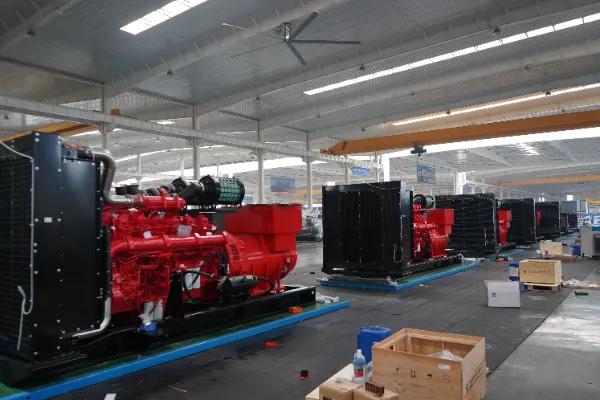
Hospital-grade diesel gensets from leading OEMs including Cummins, Perkins, and MTU. Engineered for rapid starting, stable voltage regulation, and extended runtime. Our national standard testing center validates every unit for full-load acceptance and transient response before shipment.

Benefit: Guaranteed power delivery within 10 seconds with fuel efficiency up to 15% better than market standard.

Automatic Transfer Switches (ATS)

Industrial-grade ATS units rated for healthcare applications with seamless switching capabilities and manual bypass for maintenance. Available in open transition, delayed transition, and closed transition configurations to match your critical load requirements.

Benefit: Eliminates manual intervention during outages with contactors rated for 10,000+ switching cycles.

Uninterruptible Power Supply (UPS) Integration

Battery-based UPS systems bridge the sub-10-second gap during generator startup, protecting sensitive medical electronics from voltage sags and frequency fluctuations. Modular designs allow concurrent maintainability without system shutdown.

Benefit: Zero-downtime power for patient monitors, imaging equipment, and IT infrastructure during transfer.

Fuel Storage & Management Systems

Double-wall UL-listed fuel tanks with leak detection, automated fuel polishing systems, and quality monitoring. We address the 83% diesel tank corrosion rate with proactive maintenance protocols that prevent the contamination causing most generator failures.

Benefit: Clean fuel delivery ensuring generator reliability when emergencies strike.

Remote Monitoring & Control

24/7 generator monitoring via SCADA integration, Modbus protocols, and cloud-based diagnostics. Real-time alerts for fault conditions, fuel levels, and maintenance requirements. Complete event logging for Joint Commission documentation.

Benefit: Predictive maintenance preventing failures and automated compliance documentation.

Diesel vs. Natural Gas: Choosing the Right Fuel for Your Hospital

Factor Diesel Generators Natural Gas Generators
Startup Speed 5-10 seconds to full power 15-30 seconds (slower ignition)
On-Site Fuel Storage 96+ hour capacity independent of utilities Grid-dependent supply (vulnerable during infrastructure failures)
NFPA 110 Level 1 Compliance Fully compliant for life safety applications Limited acceptance for critical healthcare loads
Fuel Stability Requires polishing every 12-24 months Unlimited shelf life (continuous supply)
Emissions Profile Higher particulates (mitigated with Tier 4 Final) Cleaner combustion, lower NOx
Best Application Primary backup for critical care facilities Supplementary power where gas infrastructure is highly reliable

The Hidden Risks Most Hospitals Overlook

Generator failures rarely result from sudden mechanical catastrophe. They emerge silently through deferred maintenance, inadequate testing, and unrecognized vulnerabilities. Understanding these hidden risks is essential for zero-failure confidence.

Wet Stacking: The most common cause of diesel generator degradation occurs when units run at chronic light loads during monthly tests. Operating below 30% capacity prevents exhaust temperatures from reaching levels needed for complete combustion. Our maintenance protocols include quarterly load bank testing to ensure full-load operation and prevent wet stacking damage.

Fuel Contamination: An EPA study found 83% of diesel storage tanks nationwide show moderate to severe corrosion. Modern ultra-low sulfur diesel lacks natural antimicrobial properties. Our fuel management programs include annual quality testing per ASTM D975, automated fuel polishing, and proactive tank maintenance.

ATS Failure: The automatic transfer switch represents the highest-risk single component. Contact oxidation occurs silently, often without triggering alarms. ATS failure rates increase 3× within 5 years without regular exercising. We implement quarterly ATS testing with contact resistance measurement.

What Hospital Facility Directors Say

“Our hospital’s previous generator failed during a critical surgery. ZC Power’s 800kVA standby system with dual-redundant AMF panels has provided flawless backup power for two years. Their 24/7 monitoring caught a fuel pump issue before it became a problem.”

Dr. Hassan Al-Rashid

Royal Medical Center

Chief of Facilities

“When Hurricane Sandy struck, our old generator flooded and failed completely. ZC Power designed our new elevated system with 96-hour fuel autonomy and waterproof enclosures. We weathered last year’s storm with zero power interruptions.”

Jennifer Morrison

Coastal Regional Hospital

Director of Facilities

“The Joint Commission documentation ZC Power provided was exceptional. They handled everything from EPA Tier compliance verification to acceptance testing records. We passed our inspection with zero findings—a first for our facility.”

Michael Chen

Metro General Hospital

Compliance Officer

The ROI of Hospital Emergency Power Systems

Hospital emergency power systems represent significant capital investment—typically $800-1,500 per bed for comprehensive protection. But this expenditure pales against the financial consequences of power failure.

Direct Cost Avoidance: Emergency patient evacuations cost $50,000-150,000 per incident for personnel overtime, ambulance transfers, and temporary equipment rental. Extended outages can reach millions in lost revenue, spoiled pharmaceuticals, and emergency contracting. Most critically, CMS termination of provider agreements following Joint Commission findings can threaten 40-60% of hospital revenue.

Insurance Premium Reductions: Comprehensive documentation of well-maintained emergency power systems often reduces property and business interruption premiums by 5-15%. One 200-bed facility in the Midwest reported annual savings of $47,000 following system upgrades.

Reputation Protection: In the age of social media and healthcare quality transparency, power failures generate lasting reputational damage. Consumer confidence is difficult to restore once lost. The investment in robust emergency power protects the institutional reputation built over decades.

500+

Healthcare Facilities Protected

100%

Joint Commission Success Rate

10s

Transfer Time Achieved

24/7

Emergency Response

96h

Fuel Autonomy Standard

25+

Years of Experience

From Assessment to Commissioning: How We Work

A streamlined five-step process designed to get your hospital’s emergency power system operational and compliant

STEP 1

Power Reliability Assessment

Comprehensive analysis of current emergency power infrastructure including generator capacity, fuel storage, and regulatory compliance status

STEP 2

System Design

Custom engineering to match your facility’s specific needs, including N+1 redundancy, UPS integration, and compliance documentation

STEP 3

Installation & Integration

Professional installation by certified technicians with minimal disruption to hospital operations and coordination with existing systems

STEP 4

Testing & Commissioning

Comprehensive load bank testing, acceptance testing per NFPA 110, and documentation for Joint Commission readiness

STEP 5

Ongoing Support

24/7 monitoring, preventive maintenance, and emergency response ensuring zero-failure confidence for years to come

STEP 1

Power Reliability Assessment

Comprehensive analysis of current emergency power infrastructure including generator capacity, fuel storage, ATS functionality, and regulatory compliance status

STEP 2

System Design

Custom engineering to match your facility’s specific needs, including N+1 redundancy, UPS integration, and complete compliance documentation

STEP 3

Installation & Integration

Professional installation by certified technicians with minimal disruption to hospital operations and seamless coordination with existing electrical systems

STEP 4

Testing & Commissioning

Comprehensive load bank testing, acceptance testing per NFPA 110 requirements, and complete documentation for Joint Commission audit readiness

STEP 5

Ongoing Support

24/7 monitoring, preventive maintenance, and emergency response ensuring zero-failure confidence for years to come

Frequently Asked Questions About Hospital Emergency Power

NFPA 99 (Health Care Facilities Code) is the legally enforceable standard governing emergency power systems in healthcare settings. It mandates that hospitals must restore power to critical care areas within 10 seconds of utility failure. Non-compliance can result in Joint Commission findings, CMS sanctions, and loss of Medicare reimbursement. Every hospital emergency power system we design meets or exceeds NFPA 99 requirements.

NFPA 110 requires a minimum of 96 hours (4 days) of fuel storage for hospital emergency power systems. However, many facilities opt for 7-14 days of autonomy following lessons learned from Hurricane Katrina and Sandy. We design fuel storage systems based on your hospital’s specific generator load calculations, with typical configurations supporting 200-500 gallon per megawatt-hour consumption rates.

Joint Commission surveyors review generator documentation including maintenance logs, test records, fuel quality reports, and repair histories. They physically inspect the generator room, ATS units, and distribution panels. Common findings include incomplete testing documentation, fuel quality issues, and missing acceptance testing records. Our comprehensive documentation packages have helped over 500 facilities achieve zero findings on emergency power systems.

CMS Conditions of Participation require monthly testing under load for 30 minutes minimum, plus annual full-load testing for 4 continuous hours (the “4-hour load test”). Transfer switches must be tested monthly. We implement testing protocols that exceed minimum requirements while managing the operational challenges of monthly testing in active healthcare environments.

Wet stacking occurs when diesel generators operate chronically below 30% capacity, preventing exhaust temperatures from reaching levels needed for complete combustion. Carbon deposits accumulate, degrading performance and increasing failure risk. Prevention requires quarterly load bank testing at 50%+ capacity for 2-4 hours. Our maintenance programs include automated load bank testing to eliminate wet stacking before it causes damage.

Many upgrades are possible without full replacement. We can add paralleling capability for N+1 redundancy, upgrade control systems to modern digital interfaces, install remote monitoring, and enhance fuel systems. However, generators exceeding 15-20 years of age or those with significant wet stacking damage often require replacement for reliable operation. Our assessment determines the most cost-effective path forward.

N+1 redundancy means having one more generator than required to handle the full load. If three generators can power the entire hospital, an N+1 configuration includes four. This allows maintenance on any single unit without compromising backup capability. While not mandated by NFPA 99, N+1 is considered best practice for critical care facilities and is required by some state health departments.

Our 24/7 emergency response team typically arrives on-site within 4 hours for critical failures. For facilities under maintenance contracts, remote monitoring often identifies developing issues before they cause outages. We maintain regional parts inventories for rapid component replacement. In true emergencies, we can deploy rental generators to bridge power requirements while permanent repairs are completed.