Commercial Generator: Complete Buyer’s Guide 2026 [Sizing, Costs & Installation]
The power outage that hit downtown Chicago on July 2024 resulted in Maria Santos losing $8000 worth of refrigerated food because her restaurant lost electricity for six hours. A nearby competitor located three blocks away continued to operate their business because they had a commercial generator which allowed them to serve customers and take away market share. The difference stemmed from proper planning which included deploying the most suitable commercial backup power system for their needs.
Business owners and operators know that power outages create more than just minor interruptions. Power outages present direct threats to business operations because they endanger revenue streams, damage inventory, disrupt customer connections, and in some situations lead to violations of regulatory standards. The commercial generator market creates major confusion because people need to understand that residential and commercial generators differ significantly while sizing processes remain difficult and various applications need different code standards. The incorrect choice results in two dangers which include insufficient security measures and violations of building codes together with financial losses.
ZC Power presents this commercial generator guide to assist users in understanding which generator size matches their business requirements while they learn about installation procedures and generator pricing together with their industrial equipment selection process. Our 25 years of experience in creating commercial power systems which serve more than 100 countries will enable us to help you make decisions that safeguard both your business interests and financial resources.
Wondering about the full scope of electric generators? (Read Electric Generators: Complete Guide to Types, Applications & Selection) for all-around insights into their categories, uses and selection tips.
What Is a Commercial Generator?
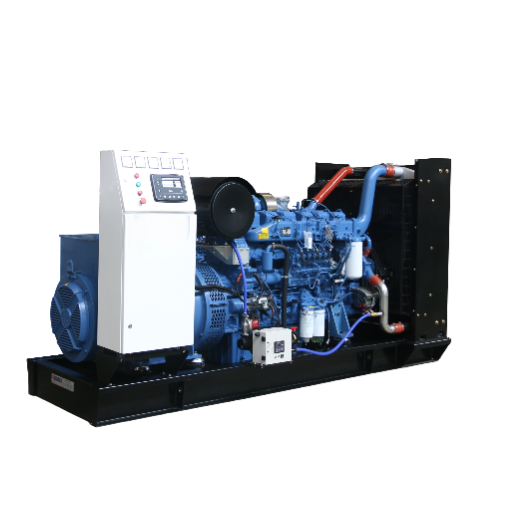
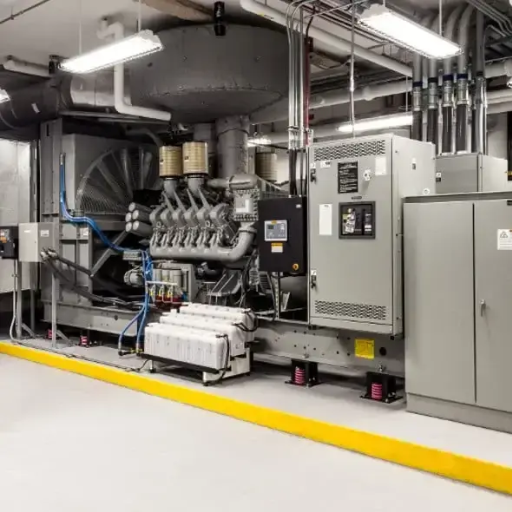
A commercial generator is a power generation system engineered specifically for business applications, with capabilities and construction that exceed residential units. The systems operate three-phase electrical loads while they follow commercial duty cycles and they meet code requirements that apply to businesses but not homes.
Key Differences from Residential Generators
Understanding the distinctions helps explain why commercial generators cost more and deliver greater capability:
- Three-Phase Power Output: Commercial generators produce three-phase electricity (208V, 480V) which commercial HVAC systems and elevators and industrial equipment need to operate while residential units produce single-phase power (120V/240V) for home use.
- Higher Duty Cycles: Constructed for duty for full-time business activities with components lasting with corresponding continuous commercial usage
- Code Compliance: Must meet NEC Article 445, NFPA 110, and other standards applicable to commercial installations
- Advanced Controls: The system provides automatic transfer switches which operate with advanced technology and enables users to monitor the system remotely while connecting with building management systems
- Professional Installation: The procedure needs licensed electricians to obtain permits while conducting their work which requires inspection both for commercial and residential setups.
Commercial vs Residential Generator Comparison
| Feature | Residential | Commercial |
|---|---|---|
| Voltage Output | 120/240V single-phase | 208V, 480V three-phase |
| Power Range | 8-25 kW | 20 kW – 4,000+ kW |
| Duty Cycle | Intermittent backup | Heavy duty, extended runtime |
| Control Systems | Basic automatic start | Advanced AMF, remote monitoring, load management |
| Enclosures | Standard weather protection | Sound-attenuated, weather-resistant, security features |
| Code Requirements | Minimal | NEC Article 445, Article 700, NFPA 110 |
| Expected Lifespan | 10-15 years | 20-30 years |
| Installation | Simpler, often plug-and-play | Complex, requires professional electrical contractors |
When Your Business Needs a Commercial Generator
The events which occurred to Robert Chen who owns a grocery store in Houston which covers 15000 square feet need your consideration. Robert’s residential-grade 22 kW generator failed after 36 hours of continuous operation when Hurricane Harvey struck in 2017. The unit needed to operate across multiple usage cycles because commercial refrigeration systems required it to function. He lost $45,000 in inventory and had to close for five days.
A commercial generator would have provided:
- Three-phase power for his HVAC and refrigeration compressors
- Duty cycle rating appropriate for extended operation
- Sufficient capacity (150+ kW) for his actual loads
- Code compliance for his commercial occupancy
When to choose commercial over residential:
- Your facility requires three-phase power
- Total load exceeds 20 kW
- Code requires NEC Article 700 compliance
- Extended runtime is expected (more than 24 hours)
- The business cannot tolerate downtime
Commercial Generator Applications by Industry
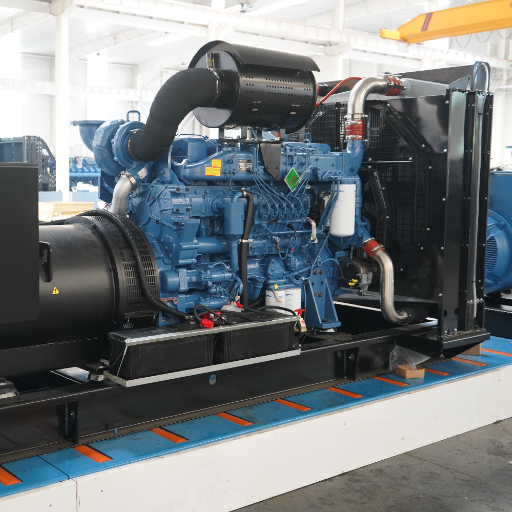
Different industries have unique power requirements, runtime needs, and code compliance standards. Understanding these variations helps ensure proper generator specification.
Restaurants and Food Service
Food service establishments experience instant financial losses when power outages occur because their refrigeration systems cease operations and their cooking equipment becomes inoperable and their health regulations mandate them to discard food products that have lost proper storage temperatures.
Critical Loads:
- Walk-in coolers and freezers (typically 5-15 kW each)
- Cooking equipment (electric ovens, ventilation)
- Point-of-sale systems
- Lighting for customer safety
Typical Sizing: 50-150 kW depending on kitchen size and seating capacity
Revenue Impact: Restaurants lose 1,000−1000−5,000 per day closed, plus inventory losses. A commercial generator often pays for itself in a single prevented outage.
Retail Stores and Shopping Centers
Retail operations require power for customer transactions, security, inventory protection, and comfort.
Critical Loads:
- POS systems and credit card processing
- Security systems and cameras
- Emergency and security lighting
- HVAC for customer comfort and inventory protection
Typical Sizing: 75-200 kW for standalone stores, 500+ kW for shopping centers
Business Impact:
Office Buildings
Commercial office buildings must maintain elevators, HVAC, lighting, and often server rooms or telecom equipment.
Critical Loads:
- Elevators (15-50 kW each)
- HVAC systems (largest load, 20-100+ kW)
- Emergency egress lighting
- Server rooms and IT infrastructure
- Fire alarm and security systems
Typical Sizing: 200-500 kW for mid-size buildings, scaling to megawatts for high-rises
Tenant Considerations:
Healthcare and Medical Facilities
Healthcare facilities face the strictest requirements, with life safety systems that must operate without fail.
Critical Loads:
- Life safety systems (ventilators, monitors)
- Operating rooms and emergency departments
- Medical imaging equipment (MRI, CT, X-ray)
- Pharmacy refrigeration
- HVAC for infection control
Typical Sizing: 500-2,000+ kW for hospitals, 100-300 kW for clinics
Code Requirements:
Manufacturing and Industrial
Manufacturing facilities face direct production losses, equipment damage risks, and safety hazards during outages.
Critical Loads:
- Production line equipment
- Process control systems
- Safety systems and ventilation
- Quality control and testing equipment
Typical Sizing: 200-5,000+ kW depending on facility size and processes
ROI Calculation: For a facility producing 50,000inproductperday,ageneratorpreventingjustfourdaysofoutageannuallyprovides50000inproductperdayageneratorpreventingjustfourdaysofoutageannuallyprovides200,000 in protected revenue.
Data Centers and Telecommunications
Data centers have zero tolerance for power interruption, with cooling systems that must operate continuously to prevent equipment damage.
Critical Loads:
- IT equipment and servers
- Cooling systems (often 1:1 ratio with IT load)
- UPS charging systems
- Fire suppression systems
Typical Sizing: 500-2,000+ kW per facility, often with N+1 redundancy (multiple generators)
Tier Ratings: Tier III and Tier IV data centers require concurrent maintainability and fault tolerance, which creates a need for generator redundancy.
Sizing a Commercial Generator: Step-by-Step Method
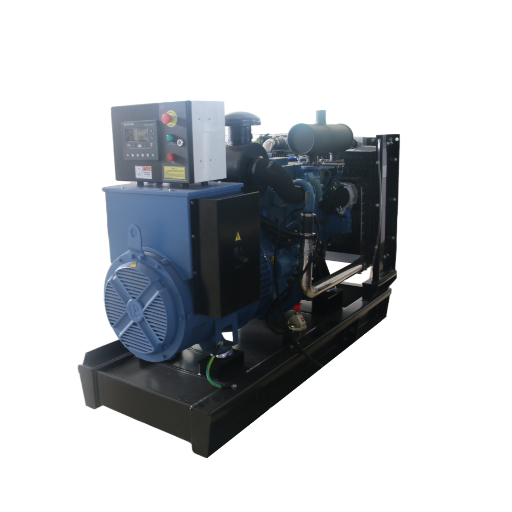
Proper sizing ensures your commercial generator can handle required loads without overload or the efficiency problems of severe under-loading.
Load Analysis Process
Step 1: Inventory All Electrical Loads
Create a comprehensive list of all equipment requiring backup power. The critical loads will be identified through a review of electrical panel schedules and equipment nameplates combined with discussions with department managers.
Step 2: Separate Essential from Optional Circuits
Not everything needs generator power. Categorize as:
- Life Safety: Fire alarms, egress lighting, medical equipment (code-required)
- Business Critical: Revenue-generating equipment, IT infrastructure, refrigeration
- Important: HVAC, elevators, security systems
- Optional: General outlets, non-critical lighting, convenience loads
Step 3: Calculate Running kW for Each Load
Record the continuous power requirement for each piece of equipment. Nameplate ratings typically indicate this value. Convert all ratings to kilowatts for consistency.
Step 4: Identify Starting Surge Requirements
Common motor starting multipliers:
- Standard efficiency motors: 6x running current
- High-efficiency motors: 5x running current
- Fire pumps (across-the-line start): 6-7x running current
- Fire pumps (reduced voltage start): 3-4x running current
- HVAC compressors with soft-start: 3-4x running current
Step 5: Apply Diversity Factors
Not all loads operate simultaneously. Diversity factors account for this reality:
- Lighting: 90% (most lights on during outage)
- HVAC: 75% (staggered compressor starting, not all zones at peak)
- Receptacles: 50% (not all outlets fully loaded)
- Motors: 80% (not all starting simultaneously)
Step 6: Add Future Growth Margin
Commercial Load Reference Table
| Equipment Type | Running Load | Starting Surge | Notes |
|---|---|---|---|
| Rooftop HVAC unit (20-ton) | 25 kW | 75-125 kW | Highest surge typically |
| Commercial walk-in cooler | 5 kW | 25-35 kW | Multiple compressor stages |
| Commercial walk-in freezer | 8 kW | 40-56 kW | Larger compressors |
| Hydraulic elevator | 20 kW | 40 kW | Varies by capacity and speed |
| Fire pump (100 HP) | 75 kW | 450-525 kW | Across-the-line starting |
| Server rack (standard) | 5 kW | 5 kW | Minimal surge with UPS |
| Production equipment | Varies widely | Varies | Consult manufacturer specifications |
Sizing by Business Type
| Business Type | Square Footage | Typical Generator Size | Key Load Drivers |
|---|---|---|---|
| Small restaurant | 2,000-4,000 sq ft | 50-100 kW | Kitchen equipment, refrigeration, HVAC |
| Retail store | 5,000-15,000 sq ft | 75-150 kW | Lighting, POS, HVAC, security |
| Medical clinic | 5,000-10,000 sq ft | 100-200 kW | Medical equipment, HVAC, refrigeration |
| Office building | 20,000-100,000 sq ft | 200-500 kW | Elevators, HVAC, lighting, servers |
| Manufacturing | Varies | 200-2,000+ kW | Production equipment, process loads |
| Hospital | 100,000+ sq ft | 500-2,000+ kW | Life safety, OR, imaging, HVAC |
Example Sizing Calculation: Restaurant
Facility: 3,000 sq ft full-service restaurant
Load Inventory:
- Walk-in cooler: 5 kW running / 25 kW starting
- Walk-in freezer: 8 kW running / 40 kW starting
- Kitchen equipment (ovens, ventilation): 30 kW running / 60 kW starting
- HVAC (2 rooftop units): 40 kW running / 120 kW starting (staggered)
- Lighting: 15 kW running
- POS and miscellaneous: 5 kW running
Calculation:
- Running total: 103 kW
- Apply diversity (85% for mixed loads): 88 kW
- Largest motor surge (freezer): 40 – 8 = 32 kW additional
- Subtotal: 120 kW
- Future growth (20%): 24 kW
- Recommended commercial generator size: 150 kW
Three-Phase Power for Commercial Applications
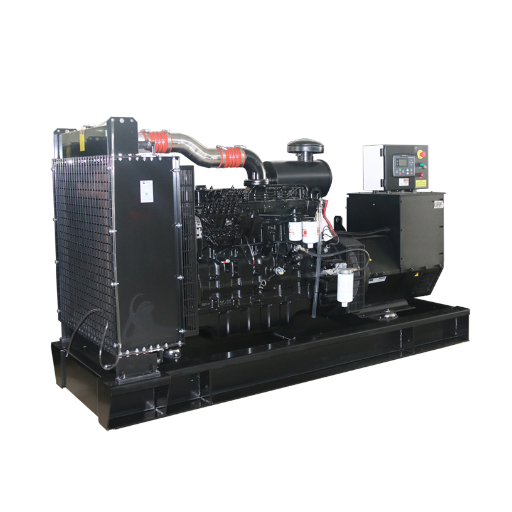
Understanding three-phase power is essential for commercial generator selection, as nearly all commercial buildings use three-phase electrical systems.
Why Commercial Buildings Use Three-Phase Power
Three-phase power provides significant advantages over single-phase for commercial and industrial applications:
- Power Density: Three-phase motors and equipment produce more power per unit size than single-phase systems
- Efficiency: Three-phase motors require less current to achieve equivalent power output which results in higher operational efficiency
- Smooth Power Delivery: Power delivery in three-phase systems maintains constant flow instead of producing the pulsing pattern found in single-phase systems
- Balanced Loads: Three-phase systems automatically distribute electrical loads throughout the entire utility system
- Motor Starting: Three-phase motors require less current surge for their starting process than other motor types
Common Commercial Voltages
Commercial buildings in different regions use standardized voltage configurations:
| Voltage | Configuration | Typical Applications |
|---|---|---|
| 208V/120V wye | Three-phase, four-wire | Small commercial, retail, offices |
| 480V/277V wye | Three-phase, four-wire | Large commercial, industrial |
| 400V/230V wye | Three-phase, four-wire | International (Europe, Asia, Australia) |
| 240V delta | Three-phase, three-wire | Mixed commercial loads, motor-heavy facilities |
| 600V/347V | Three-phase, four-wire | Canadian commercial/industrial |
Voltage Selection Considerations:
- Match generator output voltage to building service voltage
- 208V systems cannot directly power 240V equipment without transformers
- International operations require voltage matching for host country standards
- Some equipment (large motors) may require 480V while building service is 208V
Three-Phase Generator Configuration
Commercial generators must be configured for the specific voltage required:
- Generator Winding Configuration: 12-lead reconnectable alternators allow voltage selection at installation
- Voltage Regulation: Automatic voltage regulators (AVRs) maintain ±1% voltage stability under varying loads
- Frequency: 60 Hz (North America) or 50 Hz (most international locations)
- Phase Rotation: Critical for motor direction; must match building phase sequence
For multi-national companies, specifying dual-voltage generators (e.g., 208/480V) provides flexibility across different facility types.
Fuel Type Selection for Commercial Generators
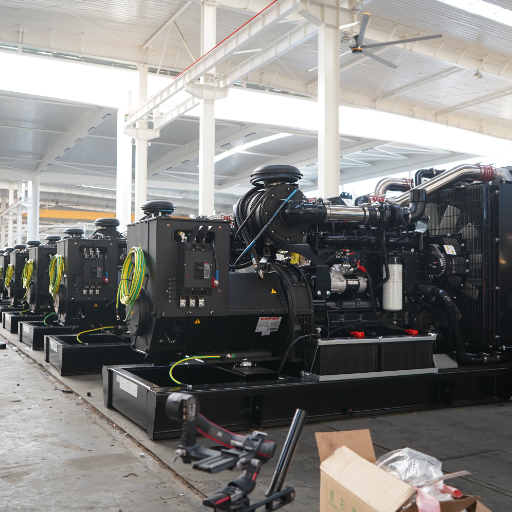
Fuel choice significantly impacts operating costs, maintenance requirements, runtimes, and code requirements for commercial installations.
Diesel Commercial Generators
Diesel generators represent the industry standard for commercial applications requiring reliability and code compliance.
Advantages:
- Reliability: Diesel engines are more robust and tolerate varying loads better than gaseous engines
- Power Density: More kilowatts per engine displacement, important for large commercial loads
- Code Compliance: NFPA 20 (fire pumps) requires diesel; NFPA 110 prefers diesel for Type 10 systems
- Fuel Storage: On-site fuel provides independence from utility infrastructure
- Safety: Lower fire risk than natural gas; diesel is less volatile
- Longevity: Diesel engines typically last 20-30 years in standby service
Considerations:
- Fuel Maintenance: Diesel requires treatment and periodic polishing to prevent degradation
- Emissions: May require after-treatment (DPF, SCR) in some jurisdictions
- Initial Cost: Typically 20-30% higher than equivalent natural gas units
- Noise: Higher noise levels require sound-attenuated enclosures
Best Applications: Hospitals, data centers, fire pumps, manufacturing, large commercial facilities (100+ kW)
Natural Gas Commercial Generators
Natural gas generators offer convenience and lower maintenance for appropriate applications.
Advantages:
- Clean Burning: Lower emissions than diesel without after-treatment
- Unlimited Runtime: Pipeline-supplied fuel never depletes (assuming pipeline integrity)
- Lower Maintenance: Spark-ignition engines require less frequent service
- No Fuel Storage: Eliminates tank installation, environmental compliance, and fuel maintenance
- Lower Initial Cost: Equipment typically costs less than equivalent diesel
Limitations:
- Pipeline Dependency: Earthquakes or disasters can disrupt gas service when backup is most needed
- Size Limitations: Limited to smaller commercial applications (typically under 400 kW for air-cooled)
- Fire Pump Exclusion: NFPA 20 prohibits natural gas for fire pump drivers
- Power Density: Less kW per engine size compared to diesel
Best Applications: Retail stores, small offices, restaurants without fire pumps, locations with reliable gas service
Propane (LPG) Commercial Generators
In particular circumstances, propane represents a compromise between diesel and natural gas.
Advantages:
- Fuel Stability: Propane stores indefinitely without degradation
- On-Site Storage: Tank installation provides fuel independence
- Clean Burning: Similar emissions benefits to natural gas
- Cold Weather Performance: Better cold-start capability than diesel in extreme temperatures
Limitations:
- Delivery Requirements: Tanks require periodic refueling
- Vaporization Limits: Tank size and ambient temperature limit maximum fuel withdrawal rates
- Higher Fuel Cost: Typically more expensive per kWh than diesel or natural gas
- Size Range: Generally limited to smaller commercial applications
Best Applications: Remote locations without natural gas, facilities requiring long-term fuel storage, cold climate installations
Fuel Economics Comparison
| Factor | Diesel | Natural Gas | Propane |
|---|---|---|---|
| Fuel cost per kWh | 0.15−0.15−0.25 | 0.08−0.08−0.15 | 0.18−0.18−0.30 |
| Maintenance cost | Higher | Lower | Moderate |
| Equipment cost | Higher | Lower | Moderate |
| Runtime flexibility | Excellent (on-site tank) | Pipeline dependent | Limited by tank size |
| Code acceptance | Universal | Limited (no fire pumps) | Limited |
| Storage requirements | Tank + maintenance | None | Tank |
| Environmental regulations | More stringent | Less stringent | Moderate |
For facilities with fire pumps or requiring the highest reliability, diesel remains the preferred choice despite higher costs. Natural gas provides economic benefits to smaller commercial operations that do not require life-safety systems.
Torn between diesel and natural gas generators for your project? (Read Diesel vs Natural Gas Generator: Complete Comparison Guide [2026]) for a thorough 2026 performance and application contrast.
Commercial Generator Installation Requirements
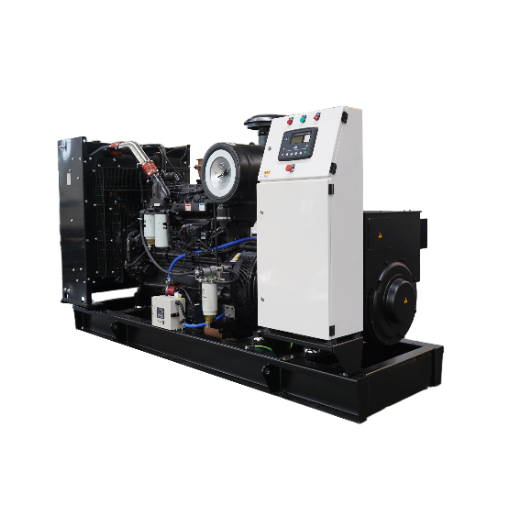
Commercial generator installation involves multiple trades, permits, and inspections that significantly exceed residential installations.
Electrical Installation
The electrical scope connects the generator to the building’s power distribution system through an automatic transfer switch.
Key Components:
- Service Entrance Equipment: ATS typically installed between utility meter and main distribution panel
- Conductor Sizing: Based on generator full-load ampacity per NEC Article 445, with temperature and voltage drop corrections
- Overcurrent Protection: Generator circuit breaker must coordinate with building overcurrent devices
- Grounding and Bonding: Separate equipment grounding conductor, grounding electrode connections per NEC 250
- Load Shedding Controls: For applications where generator capacity is less than total building load
Three-Phase Considerations:
- Phase rotation must match building systems
- Neutral grounding configurations must be compatible
- Voltage regulation must accommodate motor starting surges
Fuel System Installation
Diesel Fuel Systems:
- Tank Sizing: Typically sized for 24-72 hours of runtime at rated load
- Tank Types: Double-wall tanks with leak detection required by environmental regulations
- Fuel Transfer: Day tanks and transfer pumps for large installations
- Fuel Treatment: Polishing systems and biocide injection for long-term storage
- Containment: Secondary containment for tank and piping
Natural Gas Systems:
- Line Capacity: Gas utility must verify adequate capacity for generator full-load consumption
- Pressure Requirements: Typically 5-14 inches water column for generators
- Earthquake Valves: Automatic shut-off valves required in seismic zones
- Meter Sizing: May require commercial-grade meter and regulator upgrades
Propane Systems:
- Tank Placement: Distance requirements from buildings and property lines
- Vaporization Rates: Tank size must accommodate generator consumption at lowest expected ambient temperature
- Vaporizers: Required for large loads in cold climates
Location and Clearance Requirements
Outdoor Installation:
- Combustible Clearances: Typically 5 feet from structures (verify manufacturer specifications)
- Airflow: Adequate clearance for cooling air intake and hot air exhaust
- Flood Elevation: Generators must be above base flood elevation in flood-prone areas
- Roof Installation: Special requirements for structural load, vibration isolation, and access
Indoor Installation:
- Ventilation: Combustion air and heat rejection requirements
- Fire-Rated Construction: Separation from occupied spaces per building code
- Fuel Piping: Specialized requirements for indoor fuel supply
- Noise Control: Acoustic treatment for indoor installations
Noise Considerations:
Commercial generators must comply with local noise ordinances that local authorities measure at property boundaries. Standard generators produce 75-85 dB which sound-attenuated enclosures reduce to 65-75 dB. Property line distance creates natural noise reduction, which decreases sound levels by approximately 6 dB for every distance increase to twice the original measurement.
Permits and Inspections
Commercial generator installations typically require:
- Electrical Permit: All wiring, ATS installation, grounding
- Building Permit: Generator pad, enclosures, structural attachments
- Fire Department Permit: Fuel storage, fire suppression integration
- Environmental Permits: Fuel tank installation, air quality (in some jurisdictions)
- Zoning Approval: Location compliance with zoning ordinances
- Final Inspection: Electrical, fire, and building code compliance verification
Acceptance Testing:
NFPA 110 requires acceptance testing including full-load bank testing before system commissioning. This verifies rated output, voltage regulation, and proper transfer operation.
Code Compliance for Commercial Generators
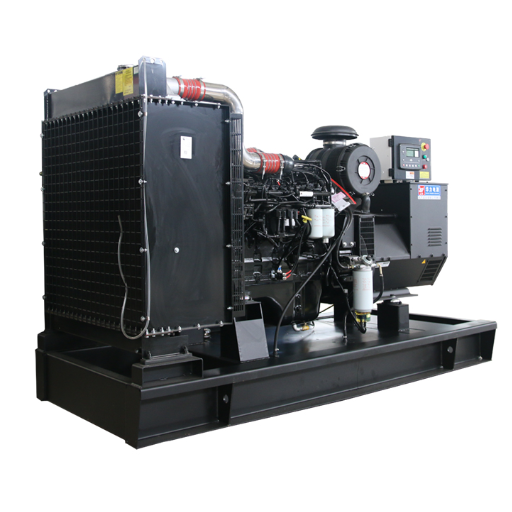
Commercial installations must comply with National Electrical Code (NEC), National Fire Protection Association (NFPA) standards, and local amendments.
NEC Article 445 – Generators
Article 445 provides requirements for generator installation:
- Location: Accessibility for maintenance, ventilation requirements
- Overcurrent Protection: Generator output circuit breaker sizing and coordination
- Grounding: Equipment grounding, grounding electrode connections
- Disconnecting Means: Location and accessibility requirements
- Conductor Sizing: Ampacity requirements including temperature corrections
NEC Article 700 – Emergency Systems
Article 700 applies to systems legally required for life safety:
- Wiring Methods: Separation from normal power wiring
- Circuit Identification: Permanent identification of emergency circuits
- Transfer Equipment: Automatic transfer switch requirements
- Inspection and Testing: Acceptance and periodic testing requirements
NEC Article 701 – Legally Required Standby Systems
Systems required by municipal, state, or federal codes but not classified as emergency:
- Similar requirements to Article 700 with some relaxations
- Provides backup for HVAC, elevators, and other systems important to building operation but not life safety
NEC Article 702 – Optional Standby Systems
Owner-selected backup systems not legally required:
- Fewer stringent requirements than Articles 700/701
- Common for business continuity installations
- Still requires proper installation per Article 445
NFPA 110 – Emergency and Standby Power Systems
NFPA 110 is the primary standard for standby generator systems, defining:
Type Classifications (Transfer Time):
- Type 10: Power restored within 10 seconds
- Type 60: Power restored within 60 seconds
- Type 120: Power restored within 120 seconds
Level Classifications:
- Level 1: Failure could result in loss of human life or serious injury
- Level 2: Less critical to human life and safety
Application Requirements:
- Hospital operating rooms: Type 10, Level 1
- Hospital general loads: Type 60, Level 1
- Data centers: Typically Type 10, Level 2
- Office buildings: Typically Type 60, Level 2
Maintenance and Testing:
- Monthly exercise under load
- Annual full-load testing
- Record keeping requirements
Local Code Requirements
Beyond national codes, commercial installations must comply with:
- Noise Ordinances: Maximum decibel levels at property lines, time-of-day restrictions
- Air Quality Regulations: Emissions requirements, particularly in non-attainment areas
- Zoning Restrictions: Setback requirements, aesthetic standards
- Fire Codes: Fuel storage limits, fire suppression requirements
- Environmental Regulations: Spill prevention, secondary containment
Commercial Generator Costs: Complete Breakdown
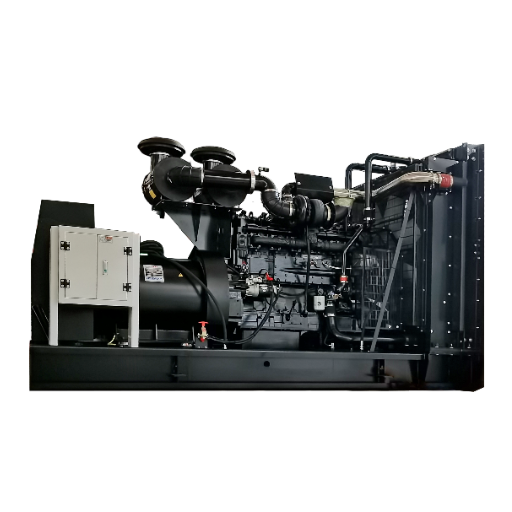
Understanding total cost of ownership helps evaluate commercial generator investments and compare alternatives.
Equipment Costs by Size
| Size Range | Typical Cost Range | Common Applications |
|---|---|---|
| 20-50 kW | 8,000−8,000−20,000 | Small retail, restaurant, clinic |
| 50-100 kW | 15,000−15,000−35,000 | Medium retail, restaurant, small office |
| 100-250 kW | 35,000−35,000−80,000 | Large retail, office, small manufacturing |
| 250-500 kW | 80,000−80,000−200,000 | Manufacturing, healthcare, data centers |
| 500-1000 kW | 200,000−200,000−500,000 | Large industrial, hospitals, major data centers |
| 1000+ kW | $500,000+ | Utility-scale, major industrial facilities |
Costs vary significantly by manufacturer, features, and enclosure type. Diesel units typically 20-30% higher than natural gas equivalents. Prices are for equipment only; installation is additional.
Installation Costs
Electrical Installation:
- Small commercial (50-100 kW): 5,000−5,000−15,000
- Medium commercial (100-250 kW): 15,000−15,000−40,000
- Large commercial (250+ kW): 40,000−40,000−100,000+
Factors affecting electrical costs:
- Distance between generator and electrical room
- ATS sizing and type (open vs closed transition)
- Load shedding system complexity
- Existing electrical system compatibility
- Utility coordination requirements
Fuel System Installation:
- Natural gas line extension: 2,000−2,000−20,000+
- Diesel tank (1,000 gallons): 8,000−8,000−25,000
- Propane tank and lines: 3,000−3,000−12,000
- Fuel treatment systems: 5,000−5,000−15,000
Site Work:
- Concrete pad: 3,000−3,000−15,000 depending on size
- Enclosure assembly: 2,000−2,000−10,000
- Fencing and security: 3,000−3,000−15,000
- Landscaping and screening: 2,000−2,000−10,000
Permits and Professional Services:
- Engineering design: 3,000−3,000−15,000
- Permits: 1,000−1,000−5,000
- Inspections: 1,000−1,000−3,000
- Commissioning and testing: 2,000−2,000−10,000
Operating and Maintenance Costs
Fuel Costs:
Operating costs vary significantly by fuel type and runtime:
- Diesel: 0.15−0.15−0.25 per kWh generated
- Natural gas: 0.08−0.08−0.15 per kWh generated
- Propane: 0.18−0.18−0.30 per kWh generated
Maintenance Contracts:
- Small commercial (under 100 kW): 1,500−1,500−3,000 annually
- Medium commercial (100-500 kW): 3,000−3,000−8,000 annually
- Large commercial (500+ kW): 8,000−8,000−25,000+ annually
Contract typically includes:
- Scheduled preventive maintenance
- Emergency service availability
- Parts and labor for routine service
- Testing and inspection
Other Operating Costs:
- Load bank testing: 1,000−1,000−5,000 annually
- Fuel polishing and treatment: 1,000−1,000−3,000 annually (diesel)
- Battery replacement: 300−300−2,000 every 3-5 years
- Major overhauls: Every 10-15 years, typically 30-50% of equipment cost
Total Cost of Ownership Example
Manufacturing Facility with 500 kW Diesel Generator:
| Year | Equipment | Installation | Fuel* | Maintenance | Total |
|---|---|---|---|---|---|
| 0 | $120,000 | $80,000 | – | – | $200,000 |
| 1 | – | – | $7,200 | $6,000 | $13,200 |
| 2 | – | – | $7,200 | $6,000 | $13,200 |
| 3 | – | – | $7,200 | $8,000 | $15,200 |
| 4 | – | – | $7,200 | $6,000 | $13,200 |
| 5 | – | – | $7,200 | $6,000 | $13,200 |
| 5-Year TCO | $268,000 | ||||
| 10-Year TCO | $352,000 |
Based on 100 hours annual runtime at 60% average load
ROI Calculation:
If prevented downtime averages $75,000 per event:
- Break-even: 2.7 prevented outages over 5 years
- Facilities experiencing 3+ outages annually achieve ROI within first year
Commercial Generator Rental vs Purchase
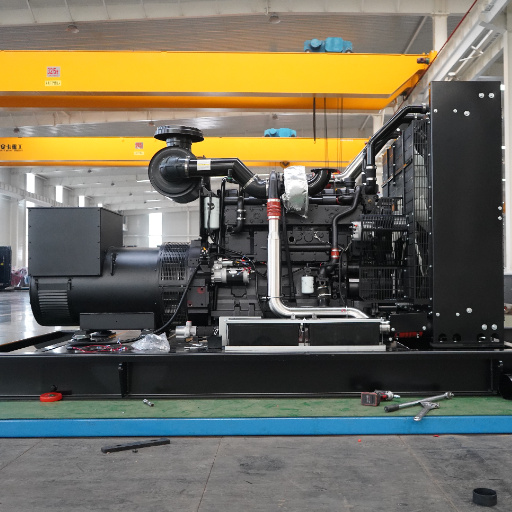
This decision to lease or buy commercial generator capacity would rely on the number of outages, duration, and business criticality.
When to Rent Commercial Generators
Appropriate Applications:
- Temporary Power Needs: Construction sites, special events, temporary facilities
- Infrequent Outages: Less than one significant outage per year
- Uncertain Long-Term Needs: Facility leases ending, potential relocation
- Capital Constraints: Cash flow limitations or preference for operational expense treatment
- Pre-Purchase Testing: Evaluating size requirements before permanent installation
Rental Advantages:
- No capital investment
- No ongoing maintenance responsibility
- Access to larger units when needed
- Tax-deductible as operational expense
Rental Disadvantages:
- May be unavailable during widespread outages (high demand)
- Setup time: Hours to days depending on complexity
- Higher cost per day for extended outages
- No automatic operation (typically requires on-site personnel)
When to Purchase Commercial Generators
Appropriate Applications:
- Critical Operations: Cannot tolerate any delay in backup power
- Frequent Outages: Multiple outages annually
- Long-Term Facility Ownership: Permanent installation appropriate
- Code Requirements: Mandated emergency power systems
- Tax Benefits: Depreciation and Section 179 deduction advantages
Purchase Advantages:
- Immediate availability during outages
- Automatic operation without personnel
- Lower cost over 5+ year ownership
- Customized to specific facility requirements
- Building asset increasing property value
Purchase Disadvantages:
- Significant capital investment
- Ongoing maintenance responsibility
- Technology obsolescence over 20+ year lifespan
- Potential for over-capacity if needs change
Cost Comparison Analysis
| Factor | Rental | Purchase |
|---|---|---|
| Initial cost | 500−500−2,000 delivery/setup | 20,000−20,000−500,000+ |
| Daily cost | 300−300−2,000+ | $0 (fuel and maintenance only) |
| 30-day outage cost | 9,000−9,000−60,000+ | Fuel + maintenance only |
| Availability | Limited during disasters | Always available |
| Automatic operation | No (usually) | Yes |
| Tax treatment | Expense | Capital depreciation |
| 5-year total (3 outages/year) | 40,500−40,500−270,000 | 40,000−40,000−150,000 |
Decision Framework:
- Rent if: Outages are rare, capital is constrained, needs are temporary
- Purchase if: Outages are frequent, business is critical, facility is permanent
Maintenance for Commercial Generators
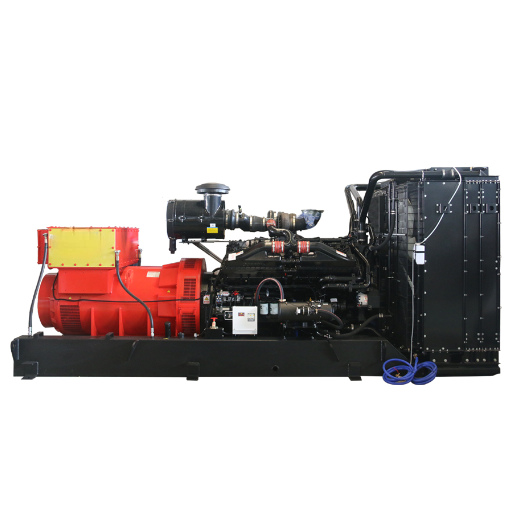
Regular maintenance ensures reliability when commercial generators are needed most.
Required Maintenance Schedule
Weekly Inspections:
- Visual inspection for leaks, damage, or unusual conditions
- Check coolant level
- Check oil level
- Verify fuel level
- Inspect battery condition
Monthly Exercise:
NFPA 110 requires monthly operation under load for minimum 30 minutes. This can be:
- Actual building load transfer (preferred)
- Load bank testing
- Resistive load testing
Exercise verifies:
- Engine starting reliability
- Alternator output stability
- Transfer switch operation
- Cooling system function
Quarterly Service:
- Oil and filter change (or per hour meter)
- Fuel filter replacement
- Air filter inspection/replacement
- Coolant level and condition check
- Battery load testing
- Control system verification
- Transfer switch inspection
Annual Comprehensive Service:
- Complete engine service
- Cooling system flush and fill
- Fuel system inspection and treatment
- Exhaust system inspection
- Alternator inspection and testing
- Full-load bank test
- Control calibration
- Safety device testing
3-5 Year Major Service:
- Valve adjustment
- Injection system service
- Cooling system chemical treatment
- Major component inspection
- Governor adjustment
Commercial Maintenance Contracts
Most commercial facilities benefit from professional maintenance agreements:
Preventive Maintenance Contracts:
- Scheduled service visits
- Parts and labor for routine maintenance
- Emergency service availability
- Priority response during outages
- Record keeping for compliance
Full-Service Contracts:
- All preventive maintenance
- Major repairs included (often with deductibles)
- Load bank testing
- 24/7 emergency response
- Guaranteed parts availability
Remote Monitoring Services:
- Real-time generator status monitoring
- Automated exercise verification
- Alarm notification
- Predictive maintenance alerts
- Compliance documentation
Record Keeping for Compliance
NFPA 110 and insurance requirements mandate detailed records:
- Testing Records: Date, duration, load level, any issues
- Maintenance Logs: All service performed, parts replaced
- Inspection Reports: Third-party inspection results
- Fuel Quality: Testing results for diesel fuel
- Repair History: All repairs, parts replaced, labor hours
These records demonstrate compliance during inspections and support warranty claims.
Need professional tips to keep your diesel generator in top condition? (Read Generator Maintenance: Complete Guide to Diesel Generator Care) for full-range maintenance and care instructions.
ZC Power Commercial Generator Solutions
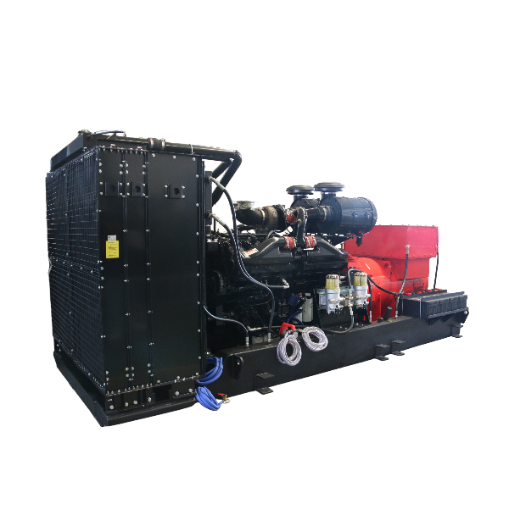
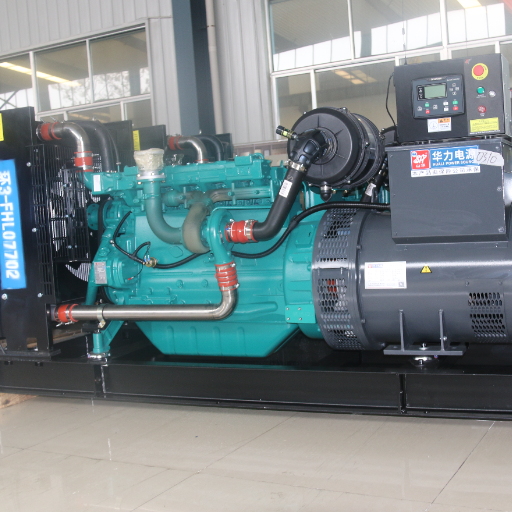
While many suppliers offer commercial generators through dealer networks with significant markups, ZC Power delivers industrial-quality equipment factory-direct.
Why Businesses Choose ZC Power:
At Shandong ZC Power CO., LTD., we understand that commercial generators are business investments that must deliver reliability and value:
- Complete Commercial Range: 20 kW to 4,000+ kW covers every business size from small retail to major industrial
- Factory-Direct Pricing: Eliminate dealer markups, reducing total cost by 20-40%
- Three-Phase Expertise: 208V, 480V, 400V, and custom voltages for global commercial buildings
- Diesel Specialization: The reliability and code compliance that critical commercial applications require
- Custom Engineering: Enclosures, control systems, and configurations tailored to your specifications
- Code Compliance: NFPA 110, NEC Article 445 compliant designs with documentation
- National Standard Testing: 100% load verification before shipment, not estimated
- 80+ Technical Engineers: System design support from initial consultation through commissioning
- 25 Years Export Experience: Commercial installations in 100+ countries with local voltage and code compliance
For restaurants, retail chains, office buildings, and manufacturing facilities requiring reliable commercial backup power, ZC Power provides industrial-grade diesel generators at prices that protect your bottom line.
Our 300,000 square meter manufacturing facility produces commercial generators that meet the same quality standards as premium brands, delivered to you without the premium price.
Frequently Asked Questions
What size commercial generator do I need for my business?
The process of commercial generator sizing needs total electrical load calculations, motor starting surge assessments, diversity factor applications, and future growth capacity additions. Small businesses typically need 50-150 kW, medium commercial 150-500 kW, and large facilities 500+ kW. Professional load analysis ensures proper equipment sizing because undersized systems produce overload failures and oversized systems result in financial waste and operational inefficiency.
How much does a commercial generator cost installed?
Total installed costs range from 15,000forsmall50kWsystemsto15,000forsmall50kWsystemsto500,000+ for large 1,000+ kW installations. The total project cost consists of 50-60% equipment expenses which are divided into 15-25% electrical installation expenses and 10-20% fuel system expenses and 10-15% site work expenses. Diesel units cost 20-30% more than natural gas but offer greater reliability and code compliance.
What is the difference between commercial and residential generators?
Commercial generators produce three-phase power (208V, 480V) which businesses need to operate their equipment. Residential units generate single-phase power with two voltage options (120V and 240V). Commercial units are built for heavier duty cycles, include advanced control systems, must meet commercial electrical codes (NEC Article 445, NFPA 110), and typically last 20-30 years versus 10-15 for residential. Professional electricians need to obtain permits and conduct inspections for commercial installations.
Can I use a residential generator for my small business?
Using a residential generator for commercial applications violates electrical codes and creates insurance problems and results in equipment damage risks. The commercial loads need three-phase power together with extended operational periods and code compliance which residential units cannot deliver. The initial cost savings disappear quickly when considering code violations and insurance issues and premature equipment failure. Proper commercial generators are essential for business applications.
How long can a commercial generator run continuously?
Commercial standby generators are designed for limited emergency operation which they run between 200 and 500 hours every year. The system in question can maintain operations during outages but extended use will lead to faster equipment deterioration. Natural gas generators permit unlimited runtime operation as long as the pipeline system remains functional. Diesel generators operate until their fuel supply runs out because their tanks are designed to last between 24 and 72 hours. Prime power-rated generators serve better for applications that need constant power than standby-rated units do.
What fuel type is best for commercial generators?
The three essential applications which depend on diesel fuel for their operational needs include hospitals and data centers and fire pumps. Natural gas works well for smaller commercial loads (under 400 kW) without life-safety requirements, offering lower maintenance and clean operation. Propane suits remote locations or where long fuel storage is needed. Most commercial applications requiring the highest reliability choose diesel despite higher initial and maintenance costs.
Do commercial generators require permits?
Yes, commercial generator installations require multiple permits, which include electrical permits for all wiring and ATS installation and building permits for concrete pads and enclosures and fire department permits for fuel storage and potential environmental permits for air quality. Licensed electrical contractors need to complete the installation work. The final inspections will confirm whether the project meets code requirements before it can be used. The project will face legal penalties and insurance complications and equipment dismantling if they choose to proceed without obtaining the necessary permits.
How often should a commercial generator be serviced?
NFPA 110 requires monthly exercise under load for minimum 30 minutes. The quarterly maintenance procedure requires oil and filter changes together with fuel filter replacement and control system checks. The annual service procedure consists of engine service and cooling system maintenance together with full-load bank testing and transfer switch inspection. Professional maintenance contracts ensure compliance and reliability. The organization must keep records for both code compliance and insurance requirements.
What is three-phase power and why does my business need it?
Three-phase power delivers electricity through three conductors with voltage waveforms offset by 120 degrees which enables continuous power transmission instead of the intermittent power delivery found in single-phase systems. Commercial buildings use three-phase power because it powers motors more efficiently and it supports higher electrical loads and it provides power for all commercial HVAC systems and elevators and industrial machinery. Your building’s three-phase voltage system requires commercial generators to match the standard voltages used in North America which are 208V and 480V.
Can a commercial generator power my entire building?
The ability of a commercial generator to power an entire building depends on its sizing and the building’s electrical configuration. Generators sized at 100% of peak demand can power everything, but this is often cost-prohibitive. Commercial generators supply power to essential loads which include life safety systems and critical operations while load shedding systems disconnect all non-essential circuits during power outages. A professional load analysis determines what percentage of your building can be backed up economically.
Conclusion
Commercial generators function as essential business infrastructure because they safeguard revenue, guarantee code compliance, and support operations during power outages. Your investment will provide necessary business protection when you understand the differences between commercial and residential equipment and use proper sizing methods and fuel selection and follow code requirements.
Key takeaways:
- Commercial generators provide three-phase power, higher duty cycles, and code compliance that residential units cannot match
- Proper sizing requires load analysis including motor starting surges and diversity factors
- Fuel selection impacts reliability, maintenance, and operating costs: diesel for critical applications, natural gas for smaller commercial loads
- Installation requires licensed contractors, multiple permits, and professional commissioning
- Code compliance (NEC Article 445, NFPA 110) is mandatory and varies by application type
- Total cost of ownership includes equipment, installation, fuel, and maintenance over 20+ years
ZC Power diesel generator solutions provide commercial facilities with industrial-grade reliability at factory-direct prices which deliver both operational protection and financial value to their businesses.
Shandong ZC Power CO., LTD. has operated as a manufacturer of commercial power systems since 1999. Our 300,000 square meter facility produces commercial generators from 20 kW to 4,000+ kW, each verified in our national-standard testing center before shipment. The organization employs more than 80 technical engineers who possess experience in supporting businesses across more than 100 countries.