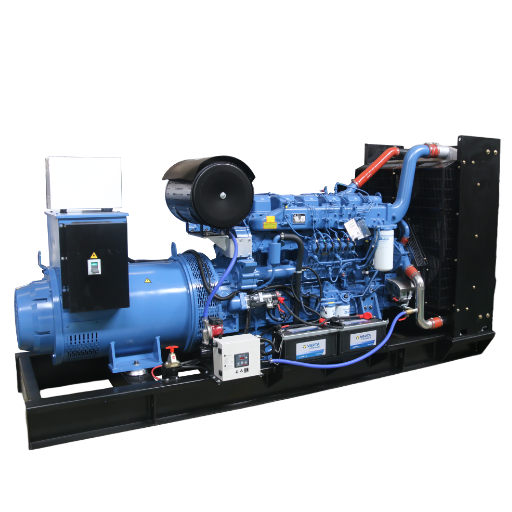
Diesel vs Natural Gas Generator: Complete Comparison Guide [2026]
When Hurricane Sandy struck the Northeast in October 2012, 21% of natural gas generators were unable to start due to low pipeline pressure, whereas all the diesel generators maintained continuous power supply to hospitals, data centers, and emergency facilities. The choice of fuel you make today could define the very working or nonworking aspect of the provision of some emergency power when it is needed most.
The fuel choice affects both the costs on implementation and long-term operations and, thereby, these determinations will have implications for the life cycle of the system. Hence, a decision between diesel and natural gas generators is not all about comparing fuel prices. The energetic density, conformity to various codes, amount of security from disaster failure, and total cost of ownership are all part of the considerations for choosing the right fuel type for your application. But most comparisons implicitly render shallow analyses that fail to address the fundamental technical differences, which the buyers should find out.
Let us, at ZC Power, guide you through a diesel vs NG generator comparison, providing you with data, real-time costs, and code requirements to help you make the right choice depending on the specific application. Being a manufacturer of diesel generators for some 25 years, for critical installations across the globe, we comprehend what makes reliable power backup worthy and what turns it into a costly liability.
Wondering about the full scope of electric generators? (Read Electric Generators: Complete Guide to Types, Applications & Selection) for all-around insights into their categories, uses and selection tips.
Diesel vs Natural Gas: At-a-Glance Comparison
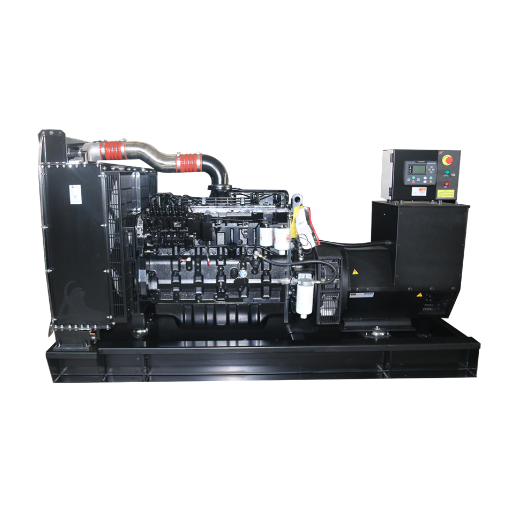
This side-by-side comparison of diesel versus natural gas generators encapsulates the few points distinguishing these two types of generators most notably considered when making a buying decision.
Side-by-Side Comparison Table
| Factor | Diesel | Natural Gas |
|---|---|---|
| Fuel Energy Density | 129,000 BTU/gallon | 36,000 BTU/gallon equivalent |
| Power Range | 10 kW to 4,000+ kW | 8 kW to 400 kW (typically) |
| Initial Cost | Higher (20-30% premium) | Lower |
| Fuel Cost per kWh | 0.15−0.15−0.25 | 0.08−0.08−0.15 |
| Maintenance Frequency | More frequent | Less frequent |
| Startup Reliability | 99%+ in disasters | 79% in major disasters |
| Runtime Duration | Limited by tank size | Unlimited (if pipeline works) |
| Code Compliance | Universal acceptance | Limited (no fire pumps) |
| Emissions | Higher particulates | Lower CO2 |
| Expected Lifespan | 20-30 years | 15-20 years |
| Cold Weather Starting | Reliable to -20°F | Generally easier |
| Motor Starting Torque | Superior | Adequate for smaller loads |
The Quick Answer
Choose diesel for: Very important applications where no stoppage is acceptable; fire systems (as required by codes); substantial commercial loads of 250 kW and up; remote sites where no natural gas is available; critical environments that natural disasters can affect; healthcare, data centers, and military/defense.
Choose natural gas for: Small residential/generator backups, locations needing very low emissions, situations requiring no shut-off capabilities, small commercials under 100 kW with more than adequate availability of gas service, economically flexible markets where cost plays a larger role than functionality, and urban environments taking air quality into consideration. If you’re leaning toward gas for one of these lower-risk applications, our range of natural gas generators covers the configurations best suited to clean-air zones and reliable-pipeline sites.
Cost Comparison: True Total Cost of Ownership
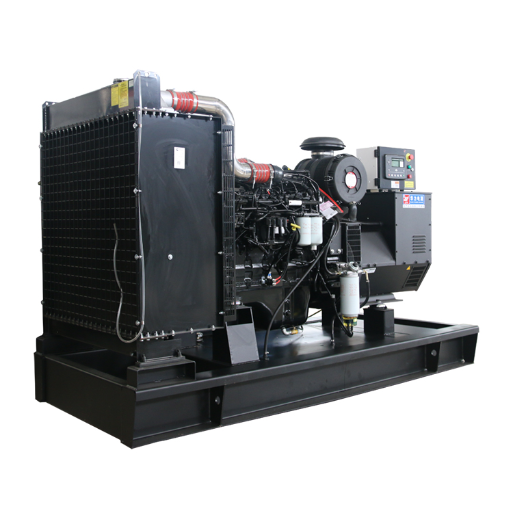
Generator comparisons emphasize fuel costs, and purchasers draw wrong conclusions from them. A total cost of ownership analysis shows a fuller financial picture at work.
Initial Equipment Costs
Diesel generators typically cost 20-30% more upfront than equivalent natural gas units. Several factors drive this premium:
- Heavier engine construction: Diesel engines require stronger blocks, heads, and crankshafts to withstand compression ignition forces
- High-pressure fuel injection: Common rail or unit injector systems add cost but improve efficiency
- Emissions after-treatment: EPA Tier 4 Final compliance requires diesel particulate filters (DPF), selective catalytic reduction (SCR), and diesel exhaust fluid (DEF) systems
- Larger cooling systems: Diesel engines reject more heat, requiring larger radiators
On a similar note, it can cost $35000 for a 100-kW diesel generator, as compared to another $35,000 for the natural gas one. This $7,000 premium represents the extra cost associated with the diesel for an equal rating capacity. To see how these figures break down across different sizes and configurations, our guide to natural gas generator price lays out what you can expect to pay for gas units at each capacity tier.
Seeking reliable industrial power solutions with three-phase generators? (Read Three Phase Generator: Complete Guide to Industrial Power Solutions) for comprehensive industrial-oriented application guidance.
Operating Costs Over 10 Years
The following analysis compares a 100 kW standby generator operating 100 hours annually, typical for commercial emergency backup:
| Cost Factor | Diesel | Natural Gas |
|---|---|---|
| Equipment | $35,000 | $28,000 |
| Installation | $15,000 | $12,000 |
| Fuel (10 years) | $22,500 | $13,500 |
| Maintenance (10 years) | $18,000 | $12,000 |
| Repairs (10 years) | $8,000 | $12,000 |
| Downtime risk premium* | $2,000 | $8,000 |
| Total 10-Year TCO | $100,500 | $85,500 |
*Based on insurance industry actuarial data for downtime risk
Over the course of 10 years, natural gas saves almost $15,000. Yet the bottom line is subject to the huge cost of generator failure during critical outages. This issue may be addressed in the reliability section.
Hidden Costs Most Comparisons Miss
Diesel hidden costs:
- Fuel polishing and biocide treatment: 300−300−500 annually
- DEF consumption for Tier 4 engines: 200−200−400 annually
- Fuel tank maintenance and inspections: 200−200−400 annually
- Higher insurance premiums for on-site fuel storage
Natural gas hidden costs:
- Pipeline service fees and demand charges: 500−500−1,500 annually
- Earthquake shutoff valve installation (in seismic zones): 1,500−1,500−3,000
- Pressure regulator maintenance: 100−100−200 annually
- Higher downtime risk premiums on business interruption insurance
When these factors are included, the TCO gap narrows significantly. For critical applications, the reliability advantage of diesel often justifies any remaining cost difference.
Mini-story: In February 2021, the Dallas data center chose natural gas generators for “saving money” on operating costs. During the Texan winter storm, pipeline pressure failures caused their backup systems to fail just when the electric power supply was interrupted. It caused a downtime of $2.3 million in lost earnings plus SLA penalties, which is much worse than the projected fuel savings of 20 years.
Reliability and Disaster Performance
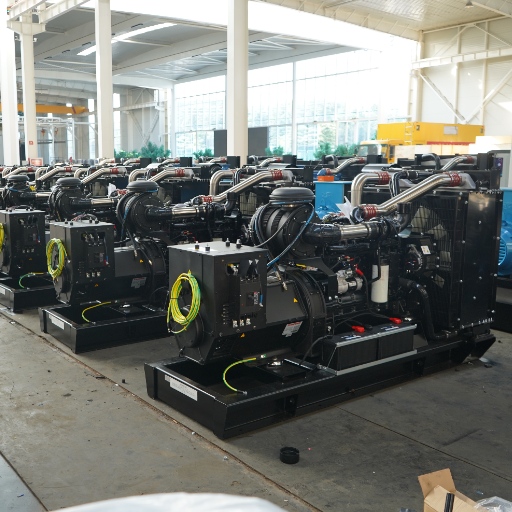
When evaluating backup power systems, reliability during emergencies represents the ultimate metric. Historical disaster data provides clear evidence of how each fuel type performs under stress.
Historical Disaster Statistics
Hurricane Sandy (2012):
- Natural gas generator failure rate: 21% due to pipeline pressure drops
- Diesel generator failure rate: Less than 2% (primarily maintenance-related)
Texas Winter Storm Uri (2021):
- Natural gas supply failures affected thousands of generators
- Natural gas power plants failed due to fuel supply issues
- Diesel generators maintained power for critical facilities with on-site fuel
California Wildfire Season (2017-2020):
- Pacific Gas & Electric proactively shut down natural gas pipelines during fire weather
- Hundreds of natural gas generators lost fuel supply during planned outages
- Diesel generators with stored fuel remained operational
Industry-wide disaster reliability data:
- Diesel generators with proper maintenance: 99%+ start reliability
- Natural gas generators during major disasters: 79% start reliability
- Diesel advantage increases with disaster severity and duration
Why Natural Gas Fails in Disasters
Natural gas generators depend on pipeline infrastructure that suffers multiple failure modes during emergencies:
Pressure Drops in the Pipeline: During massive electric outages, heat demand and auxiliary power generation increase the demand for natural gas. But the main pipeline system has been unable to maintain adequate pressure for all the generators at a time, causing low-pressure lockouts to prevent the startups.
Damaged physical infrastructure: Earthquakes, floods, and fires destroy distribution pipelines, whose recovery is much longer compared to power lines.
Shutdowns under utility control: The gas utilities are proactively switching off sections of the pipeline during earthquakes, wildfires, or big leaks that may endanger public safety. These shutdowns injure generators, even when the physical infrastructure remains unscathed.
Cold Weather Bottlenecks: Natural gas pipeline capacity decreases in heavy cold. Compressor stations may fail when deprived of the electrical supply, and hydrate formation restricts flow.
Diesel Fuel Independence
Diesel generators with on-site fuel storage achieve true energy independence:
- Autonomy from infrastructure: Diesel storage eliminates dependency on pipelines that fail during disasters
- Global availability: Diesel fuel is available virtually everywhere, including remote locations without natural gas service
- Military and emergency reliance: Military operations, hospitals, and emergency services worldwide rely on diesel precisely because of its reliability
- Predictable supply: Stored diesel remains available regardless of market conditions, transportation disruptions, or regional shortages
When Hurricane Katrina devastated New Orleans in 2005, the only facilities that maintained continuous power were those with diesel generators and on-site fuel storage. Natural gas service remained disrupted for weeks, rendering gas-dependent generators useless during the critical recovery period.
Code Compliance and Legal Requirements
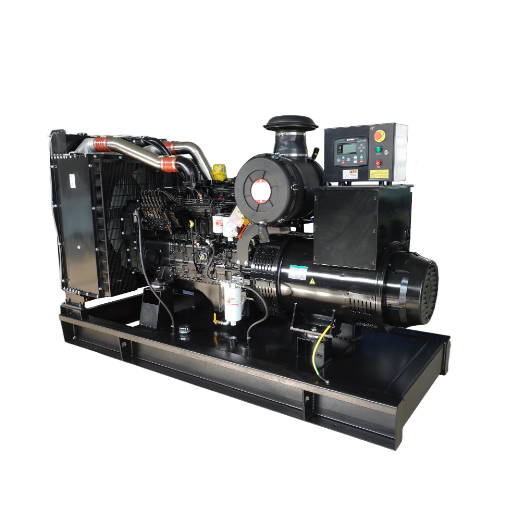
Fuel selection is often dictated by building regulations and safety standards, particularly in commercial and life-safety applications. This information is taken to avoid expensive violations of third-party regulations.
NFPA 20: Fire Pump Requirements
The National Fire Protection Association Standard 20, Standard for the Installation of Stationary Pumps for Fire Protection, contains explicit fuel type requirements that many buyers overlook:
NFPA 20 Section 9.5.1.1 states: “The engine fuel supply shall be from a tank located nearby or fuel oil from an on-site fuel oil supply.” The standard specifically prohibits natural gas as the sole fuel source for fire pump engines.
Key requirements:
- Diesel or gasoline engines are required for fire pump applications
- Natural gas is explicitly prohibited as the fuel source
- Fuel supply must be independent of building utilities
- On-site fuel storage ensures availability during fires when gas may be shut off
Why natural gas is prohibited: During a building fire, utilities often shut off natural gas service to prevent explosion hazards. A fire pump that depends on natural gas would lose fuel precisely when needed most. Diesel fuel stored on-site remains available regardless of external conditions.
NFPA 110: Emergency Power Standards
NFPA 110, Standard for Emergency and Standby Power Systems, establishes requirements for backup generator systems:
Type 10 systems (power restored within 10 seconds): Diesel is strongly preferred for the most critical applications including hospital operating rooms and life support systems.
Level 1 installations (failure could result in loss of human life): Diesel generators are recommended due to their established reliability record.
Fuel supply requirements: The standard emphasizes fuel supply reliability, favoring on-site storage over pipeline-dependent systems for critical loads.
NEC Article 700/701 Compliance
The National Electrical Code establishes additional requirements:
Article 700 (Emergency Systems): Requires fuel supplies that can be relied upon during emergencies. Diesel with on-site storage satisfies this requirement more definitively than natural gas.
Article 701 (Legally Required Standby Systems): Similar fuel reliability requirements apply to systems mandated by code but not classified as emergency.
Installation implications: Electrical contractors must verify fuel type compliance with the authority having jurisdiction before installation.
Insurance and Liability Considerations
Insurance underwriters increasingly scrutinize backup power fuel choices:
- Some insurers offer premium discounts for diesel systems in critical applications
- Natural gas dependency may trigger exclusions for certain disaster scenarios
- Documentation of fuel reliability may be required for business interruption coverage
- Liability exposure increases if fuel choice contributes to business disruption
For facilities where backup power is essential rather than optional, diesel’s code acceptance and insurance advantages provide significant risk mitigation value.
Technical Performance Comparison
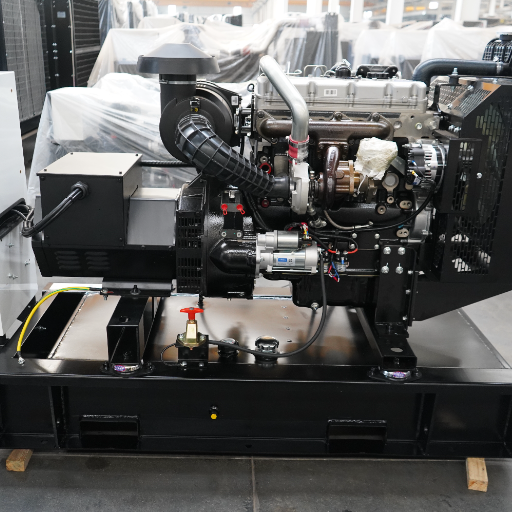
Beyond reliability and cost, fundamental technical differences between diesel and natural gas affect performance in specific applications.
Power and Efficiency
Diesel’s energy density advantage: Diesel has 129,000 BTU per gallon, versus around 36,000 BTU per-gallon equivalent from natural gas. This 3.6:1 energy density advantage means diesel contains noticeably more energy in less space.
Thermal efficiency: Diesel engines achieve thermal efficiencies of 35-45% in comparison to natural gas engines that get 25-35%, effectively using more of diesel’s energy content down the path of useful electricity rather than mere waste heat.
Motor starting capability: Diesel engines produce more torque for low RPM, thus ensuring superior motor starting capability for large loads. This specific matter increases substantially in cases with high inrush currents from motors, compressors, and transformers.
Altitude performance: Diesel engines experience less power derating at altitude than natural gas engines. Diesel loses power at the rate of about 3% with every 1,000 feet above sea level, whereas a natural gas engine would lose 4-5%.
Startup Characteristics
Cold weather starting: A modern diesel generator equipped with a proper cold-weather package can start reliably at -20°F and even below. Block heaters, battery warmers and cold-weather fuel additives are said to do the trick, as it were. Natural gas engines mostly start better in cold weather, as the volatility of natural gas fuel enhances starting capabilities of the natural gas engine; however, pipeline pressures may still cause problems.
Startup speed: Whatever the fuel is, so long as the system is properly designed, maintained, and equipped with an NFPA 110 Type 10, start-up time (restoration of power in 10 seconds) is achievable. Diesel might have a slight advantage, though, because of fuel consistency during low-temperature operation.
Load Handling
Transient Response: Diesel engines are generally better at coping with sudden changes in loads than gas engines, with smaller voltage sags and quicker recovery. This is particularly important for applications with continuously varying load profiles and heavy motor starts, as is typically seen in manufacturing plants, for example.
Overload Tolerance: Diesel engines are more tolerant to transients and overloads than are gas engines. Gas engines should never be allowed to operate under load for extended periods of time, according to the best practices of diesel generators, which are designed to cope well with few marginal overruns in the heat of the moment.
Electrical Attributes: In terms of power quality, both fuel sources have good characteristics when used with modern automatic voltage regulators (AVRs). The total harmonic distortion (THD) levels and voltage regulation are usually similar in a well-designed diesel and gas system.
Maintenance Requirements
Maintenance represents a significant component of total cost of ownership and operational readiness. Understanding maintenance differences helps buyers plan for ongoing operational requirements.
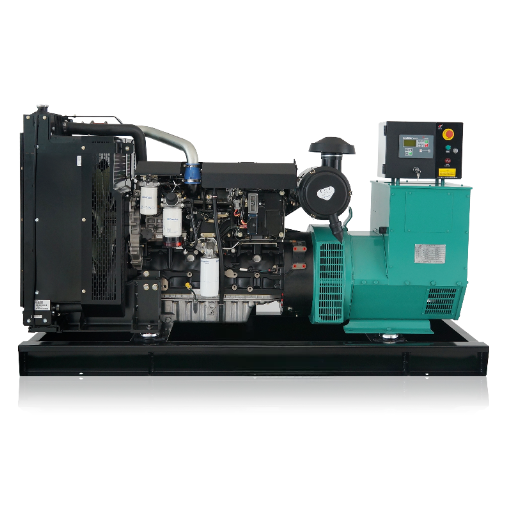
Diesel Maintenance Schedule
Every 250 hours or annually (whichever comes first):
- Engine oil and filter change
- Visual inspection of belts, hoses, and connections
- Cooling system level check
- Battery inspection and load test
Every 500 hours or bi-annually:
- Fuel filter replacement
- Air filter inspection/replacement
- Coolant testing and treatment
- Control system function test
Every 2 years:
- Cooling system flush and fill
- Fuel tank inspection and cleaning
- Exhaust system inspection
- Major component inspection
Ongoing fuel maintenance:
- Annual fuel polishing to remove water and contaminants
- Biocide treatment to prevent microbial growth
- Fuel testing for degradation
- Tank water bottom drainage
Natural Gas Maintenance Schedule
Every 500 hours or bi-annually:
- Engine oil and filter change
- Spark plug inspection/replacement
- Air filter inspection
- Visual inspection of components
Every 1,000 hours or annually:
- Spark plug replacement
- Valve adjustment (more frequent than diesel)
- Ignition system inspection
- Control system testing
Advantages:
- No fuel storage maintenance required
- Longer oil change intervals due to cleaner combustion
- Fewer fuel system components to maintain
Disadvantages:
- Spark plug and ignition system maintenance adds cost
- Valve adjustments more frequent due to spark ignition
- Less tolerant of deferred maintenance
Maintenance Cost Comparison
| Service Category | Diesel (Annual) | Natural Gas (Annual) |
|---|---|---|
| Routine service | 800−800−1,200 | 400−400−600 |
| Fuel maintenance | 300−300−500 | $0 |
| Ignition system | Minimal | 200−200−400 |
| Repairs (average) | 600−600−1,000 | 400−400−800 |
| Total Annual | 1,700−1,700−2,700 | 1,000−1,000−1,800 |
Diesel maintenance costs roughly 50-70% more annually than natural gas, largely because of the fuel system and system maintenance and the early service intervals. In addition to that, compared to the lifespan of natural gas (15-20 years), the lifespan of diesel (20-30 years) helps to keep the difference in maintenance costs over the lifetime of the equipment.
Environmental Impact and Emissions
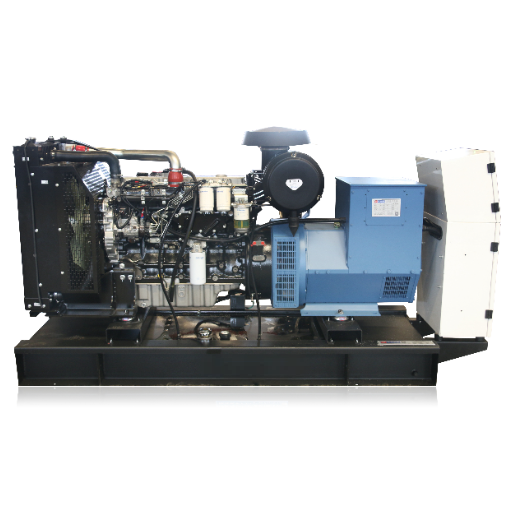
Environmental considerations increasingly influence generator selection, particularly in areas with strict air quality regulations.
Emissions Comparison
Carbon dioxide (CO2): Natural gas releases roughly 25% less CO2 into the atmosphere compared to diesel fuel emission for each kilowatt-hour. The preferred situation is when carbon footprint needs to be very minutely considered.For a deeper look at how gas units perform on this front, our detailed breakdown of natural gas generator emissions examines CO2, NOx, and methane leakage in the context of real-world air quality regulations.
Nitrogen oxides (NOx): Emissions may be addressed equally well for either fuel type. Diesels use exhaust gas recirculation (EGR) and selective catalytic reduction (SCR), while the generally lower combustion temperatures of natural gas reduce NOx.
Particulate matter: Diesel engines are widely known for intricate emissions of particulates, although DPF filters are required for all EPA Tier 4 Final emission requirements, and are rated to capture 90% plus of these particulates, whereas natural gas has none.
Methane leakage: Those greenhouse gases released by leaks; most of natural gas is methane, a greenhouse gas 25-30 times more potent than CO2. Leakage from pipeline infrastructure, connectors, and other parts can negate some of the beneficial combustion characteristics of natural gas.
EPA Tier 4 Final Compliance
The Environmental Protection Agency’s Tier 4 Final emissions standards significantly impact diesel generator design and operation:
Diesel requirements:
- Diesel particulate filter (DPF) to capture soot
- Selective catalytic reduction (SCR) using diesel exhaust fluid (DEF)
- Exhaust gas recirculation (EGG) to reduce combustion temperatures
- Onboard diagnostics (OBD) to monitor emissions system performance
Natural gas advantages:
- Generally meets Tier 4 Final without after-treatment
- Lower particulate emissions eliminate DPF requirement
- No DEF consumption required
- Simpler emissions system maintenance
Operational implications: Tier 4 diesel systems require DEF supply chain management and DPF regeneration cycles. Natural gas avoids these complexities but at the cost of the reliability and power density advantages discussed earlier.
Local Air Quality Regulations
Nonattainment Areas: The areas where the National Ambient Air Quality Standards (NAAQS) are not being met could potentially curtail the operation of diesel generators or apply additional emissions control keep diesels in mind in this area due to operational benefits offered by natural gas.
California CARB: The most stringent provisions for generator emissions are imposed by the California Air Resources Board. Both diesel and natural gas generators are expected to meet CARB compliance standards, with diesel requiring after treatment up to the highest standard.
Best available control technology (BACT): Some jurisdictions require BACT evaluation for new generator installations, which could promote natural gas where air pollution is severe.
For environmentally sensitive applications, natural gas offers clear emissions advantages. However, for critical applications where reliability trumps environmental concerns, diesel’s performance advantages remain compelling.
Use Case Recommendations
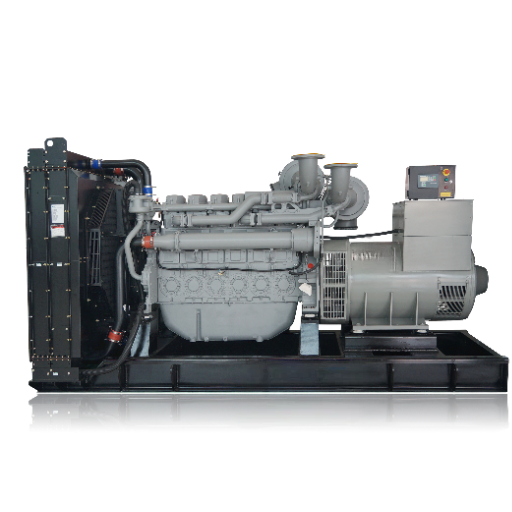
Selecting the appropriate fuel type requires matching generator capabilities to application requirements.
Choose Diesel For:
Medical Facilities: Life safety systems need maximum reliability. Hospitals, nursing homes, and surgery centers rely on diesel for the survival of patients. NFPA 99 and Joint Commission standards point to the reliability provided by diesel.
Fire Pumps: For fire pumps, NFPA 20 says diesel or gasoline is mandatory. Natural gas is out of the question. In other words, a facility with fire pumps must have diesel, regardless of other concerns.
Data Centers: Diesel is the primary choice for fuel on account of the narrow possibility for downtime. The cost conductive to downtime at large sites—often $10,000 per minute—dwarfs the savings on fuel costs related to natural gas.
Remote Sites: Particularly, for those venues where natural gas infrastructure is not available—sites and businesses in construction, mining, and remote locations—fuel has to be diesel. This is an easier habit than extending gas pipelines.
Large commercial loads: Applications with more than 250 kW benefit from the power density and fuel economy advantage of diesel fuel. For larger industrial purposes, natural gas starts being less practical.
Disaster-prone areas: Hurricane, earthquake, and wildfire zones demand the infrastructure independence diesel provides. Damning evidence in favor of diesel where disaster reliability statistics are concerned is overwhelming.
Military and defense: Global military applications require the use of diesel, generating operational requirements therefor. The military recognizes diesel as the standard regarding military reliability considerations under harsh conditions.
Choose Natural Gas For:
Small-scale with backup usage: In such a case where natural gas supply is secure, a modest house realizes very low maintenance and cleaner operation. Generator failures present a minor risk in this field as well.
Clear air zones: Areas with strict emission stipulations may prefer natural gas. The air quality standards in California, for instance, provide a conducive atmosphere for natural gas in suitable applications.
Total runtime requirement: Longer outages over days or weeks would have a preference toward running on natural gas, given the possibility of having a continuous supply provided pipelines are available.
Commercial, less than 100 kW: Small stores, shops, and restaurants without fire pumps could find economic convenience with natural gas where reliable gas service is available.
Budget-conscious projects: Where cost savings are pegged on initial and operating costs and moderate reliability will have to make do, natural gas stretches less-expensive offers.
Urban installations of various densities within cities that may be quiet holders of applications for natural gas, possibly receiving some support with absolutely reliable utility network infrastructure.
The Gray Area: Medium Commercial (100-250 kW)
For medium-sized commercial applications, the choice becomes application-specific:
Favor diesel when:
- Downtime costs exceed $5,000 per hour
- Fire pumps are present
- Located in disaster-prone areas
- Critical operations require maximum reliability
Favor natural gas when:
- Downtime costs are manageable
- Strict emissions regulations apply
- Gas service is highly reliable
- Budget constraints are severe
Food service applications warrant special consideration. Kitchen grease and flour dust can foul natural gas engine air filtration systems, potentially favoring diesel for restaurants despite moderate power requirements.
Fuel Storage and Supply Considerations
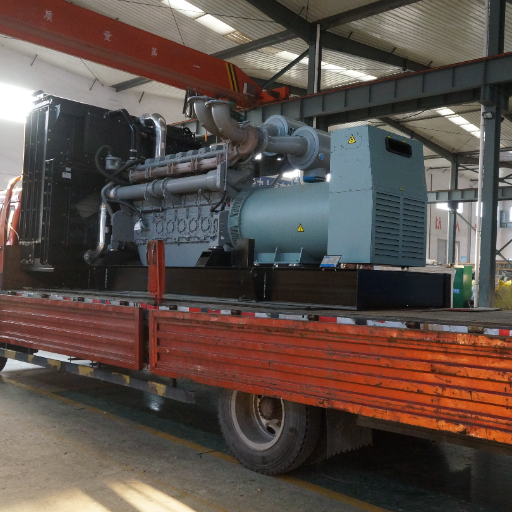
The practical aspects of fuel supply significantly impact operational readiness and ongoing costs.
Diesel Fuel Storage
Tank sizing: Size tanks for required runtime. Typical commercial installations store 24-72 hours of fuel at rated load. NFPA 110 requires sufficient fuel for the expected outage duration plus safety margin.
EPA regulations: Diesel storage falls under EPA Spill Prevention, Control, and Countermeasure (SPCC) regulations. Requirements include:
- Secondary containment for tanks over 1,320 gallons
- Regular inspections and integrity testing
- Spill response plans
- Professional engineering certification for larger facilities
Fuel degradation: Diesel degrades over time due to oxidation, water contamination, and microbial growth. Stored fuel requires:
- Biocide treatment to prevent bacterial and fungal growth
- Annual fuel polishing to remove water and particulates
- Fuel testing every 6-12 months
- Tank water bottom drainage
- Rotation of fuel stock for standby applications
Double-wall tanks: Many jurisdictions require double-wall tanks with leak detection for environmental protection. These add cost but prevent costly soil remediation if leaks occur.
Natural Gas Pipeline Considerations
Generator Demand Verification: It is required by the gas utility to verify sufficient pipeline capacity for the demand from generators. Also, the gas utility might have to upgrade service requirements for large standby generator installations.
Additional Requirements for Pressure: Usually about 5-14 inches water column pressure is required for the standby generator. Once the gas utility confirms an adequate pressure system at the generational level, then a stop generator can be installed.
Earthquake shut-off valves: Automatic gas shut-off valves must be installed in applications in seismic zones, which will automatically actuate during the earthquake. These contraptions save the gas from the occurrence of breathing, but they may shut in the running generator until manually reset.
Pipeline Reliability Evaluation: A comprehensive reliability assessment of the natural gas pipeline in an area you are considering should be part of your due diligence. There are a few areas facing frequent issues relating to supply pressure variations or even service disruptions.
Storage Independence: There is no fuel supply autonomy through storage for engines on the use of natural gas-as existent in diesel. The shutdown of a utility pipe from natural gas haphazardly causes an immediate idle generator.
ZC Power Diesel Generator Solutions
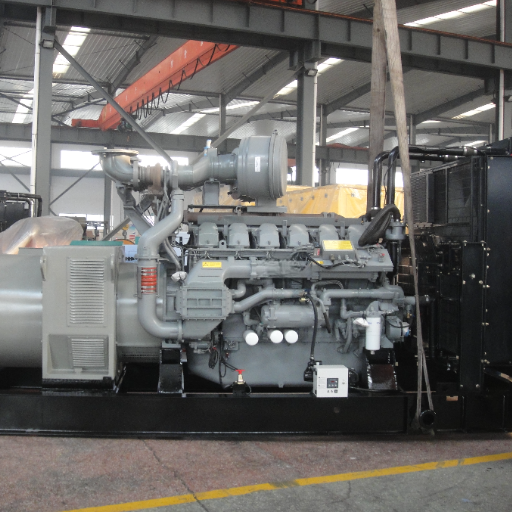
When reliability matters, ZC Power delivers industrial-grade diesel generators engineered for critical applications.
Why Critical Facilities Choose ZC Power Diesel Generators
Industrial-Grade Engineering: From 20 kW generators used in small-scale commercial settings to the 4,000+ kW equipment installed in major industrial installations. Each machine is designed and constructed around heavy-duty components for a life of off-peak service.
Code Compliance Built-In: Our generators are designed to comply with the specifications enunciated in NFPA 20 (fire pumps), NFPA 110 (emergency power), and NEC Article 700/701. We provide clients with documentation that makes it easy to verify code compliance.
Factory-Direct Pricing: Being the manufacturer source since 1999, with a 300,000-sqm production site, we eliminate middleman markups. The prices of our products are cheap, at just 60-80% the cost of branded competitors sold through distribution networks.
Global Voltage Configurations: We manufacture generators to meet requirements of any voltage and frequency on the market: 208V, 480V, 400V, 50Hz, 60Hz. This technology enables global deployment for customers in the lead.
EPA Tier 4 Final Certified Options: For applications requiring the latest emissions compliance, we offer certified Tier 4 Final engines with full after-treatment systems.
25 Years of Export Experience: We’ve delivered diesel generators to 100+ countries. Our team understands the logistics, documentation, and technical requirements of international projects.
80+ Technical Engineers: From initial sizing through commissioning, our engineering team provides the expertise critical applications demand.
For applications where failure is not an option, ZC Power diesel generators provide the reliability that natural gas cannot match. While natural gas has its place for appropriate applications, diesel remains the professional choice when lives, revenue, or critical operations depend on backup power.
Frequently Asked Questions
Which is more reliable: diesel or natural gas generators?
Diesel generators show substantially higher reliability during disasters and emergencies; past data tells a tale: diesel goes when 99% or more of the time in terms of starting, while poor old natural gas is but a 79% entity on the approach. Not having pipeline systems would ostensibly prevent diesel generators from occasionally getting denied their quota, but the problems with the latter are, on the contrary, infrastructure-related failings imbued in natural gas.
Is diesel or natural gas generator cheaper to run?
Though natural gas has a relatively low fuel cost (0.08−0.15 per kWh versus 0.15−0.25 for diesel), total cost of ownership also encompasses the equipment, maintenance, and downtime risks. Over the span of 10 years, natural gas typically is 10−20% cheaper than diesel for the same capacity. Nevertheless, in some applications, the reliability advantages of diesel arguably justify its higher cost.
Can I use natural gas for a fire pump generator?
No. Under NFPA 20, the use of natural gas as the fuel for fire pump engines is specifically forbidden. Both gasoline and diesel engines for fire pumps will be electric switched through liquid product, supplied locally. Consequently, for any facility having a fire protection system that will continue to resist backup power requirements, it becomes a requirement to utilize diesel fuel.
How long can a diesel generator run on a tank of fuel?
Dependence’s put on the size of the tank and the amount it loads. Bottled fuel may range from 24 to 72 hours. But a 1000-gallon tank providing fuel to a 10-kW generator running on a 100% load will last about 80 hours. Adding some load management and non-essentials can give more run time. Additional fuel may be delivered during continuous outages.
Do natural gas generators work during natural disasters?
Pressure drops on the pipeline, physical infrastructure damage, or enforced utility shutdowns contribute to breakage of gas generators during natural disasters. Summer Storm Sandy had a 21% failure rate of natural gas generators. 2021’s winter storm caused widespread failure of the natural gas supply in Texas. Diesel generators holding an on-site inventory of fuel ensure full independence from those infrastructure vulnerabilities.
Which fuel type lasts longer: diesel or natural gas generators?
Proper maintenance can keep a diesel generator running for 20-30 years – with the natural gas generator usually lasting 15-20 years. The reason diesel generators last so long is the engine construction coupled with their lower operating temperature. However, both can easily extend their service life with proper maintenance and application.
Are diesel generators allowed in California?
Diesel generators are allowed in California as long as they must comply with stringent emissions requirements documented by the CARB ( California Air Resources Board). Newly designed diesel generators need an EPA Tier 4 Final certification with after-treatment systems (DPF, SCR). Some air quality districts have extra measures. Natural gas might potentially be the best choice in California’s most severe air quality zones.
What is the environmental impact of diesel vs natural gas?
Natural gas produces approximately 25% less CO2 per kWh than diesel and negligible particulate emissions. Diesel produces higher particulates (mitigated by Tier 4 filters) and NOx, though modern emissions controls have significantly reduced these pollutants. For applications where environmental impact is the primary concern, natural gas offers advantages. For critical applications, diesel’s reliability may outweigh environmental considerations.
Can I convert my diesel generator to natural gas?
Converting diesel generators to natural gas (dual-fuel or dedicated gas) is technically possible but rarely practical. Conversion requires engine modifications, new fuel systems, and emissions recertification. The cost often approaches that of a new generator. Additionally, conversion voids manufacturer warranties and may create code compliance issues. For most applications, selecting the appropriate fuel type initially is more cost-effective than conversion.
Which is better for home backup: diesel or natural gas?
For most residential applications, natural gas offers advantages: lower maintenance, cleaner operation, no fuel storage requirements, and lower operating costs. However, homes in areas with unreliable gas service, frequent disasters, or those requiring whole-house backup may benefit from diesel. Residential applications generally have lower reliability requirements than commercial, making natural gas’s cost advantages more compelling.
Conclusion
The choice between diesel and natural gas generators depends on your specific application requirements, risk tolerance, and operational priorities. This comparison reveals clear patterns:
Diesel excels in:
- Reliability during disasters (99%+ vs 79% for natural gas)
- Power density and efficiency (129,000 vs 36,000 BTU/gallon)
- Code compliance (NFPA 20 requires diesel for fire pumps)
- Large commercial applications (250+ kW)
- Critical applications where failure is not an option
- Remote locations without gas infrastructure
Natural gas excels in:
- Lower total cost of ownership (10-20% savings over 10 years)
- Reduced emissions (25% less CO2)
- Lower maintenance requirements
- Unlimited runtime potential (with reliable pipeline)
- Small residential and commercial applications
- Clean air zones with strict emissions requirements
Key decision factors:
- Application criticality: Life safety and critical operations favor diesel
- Code requirements: Fire pumps mandate diesel
- Budget constraints: Limited budgets may favor natural gas for appropriate applications
- Runtime needs: Extended outages favor natural gas (if pipeline is reliable)
- Environmental priorities: Emissions-sensitive applications favor natural gas
- Location: Remote areas and disaster-prone regions favor diesel
When your application demands the reliability only diesel can provide, ZC Power delivers industrial-grade diesel generators at factory-direct prices. With 25 years of manufacturing experience, comprehensive code compliance, and global export capabilities, we provide the backup power solutions that critical facilities depend on.
Ready to invest in a commercial generator for your business in 2026? (Read Commercial Generator: Complete Buyer’s Guide 2026 [Sizing, Costs & Installation]) for expert buyer-focused tips on sizing, expenses and setup.