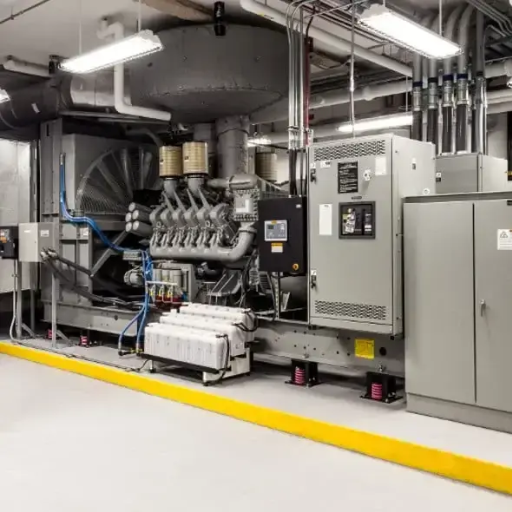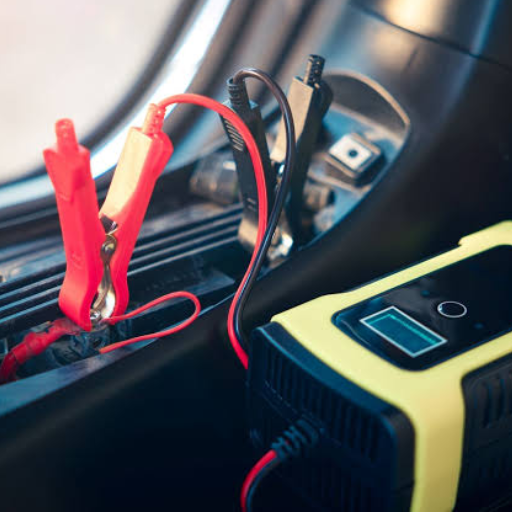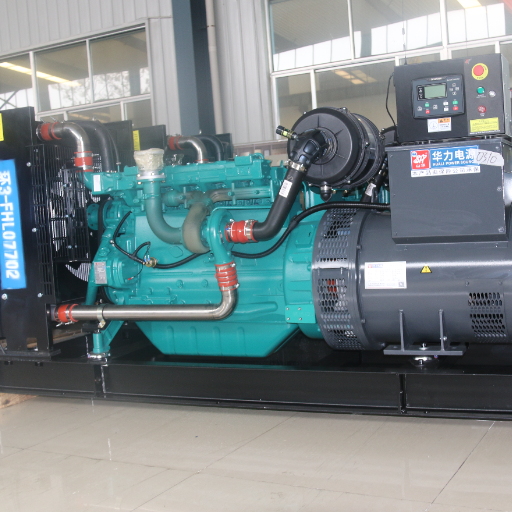
Natural Gas Generator Price: 15K−15K−750K Equipment + The Hidden Cost Nobody Talks About
A new commercial natural gas generator costs 15,000−15,000−750,000+ for equipment only in 2026 depending on power output, brand tier, and enclosure configuration. Total installed cost typically runs 800−800−1,000 per kW including gas line connection, automatic transfer switch, site prep, and commissioning.
Robert Chen, facilities director for a 400-bed hospital in Houston, spent $380,000 on a 500 kW natural gas standby generator system in 2020. The equipment was premium. The installation was code-compliant. The fuel cost was half what diesel would have been. In February 2021, when a winter storm knocked out the Texas power grid, his natural gas generator started, ran for six hours, and then died. The pipeline pressure had dropped too low to sustain combustion. Both the electric grid and the gas infrastructure failed at the same time. His hospital had to evacuate 200 patients while diesel-powered facilities across the street maintained full operations.
You are researching natural gas generator prices because you want to know if natural gas is the right fuel choice for your project. You need more than a price list. You need a complete cost framework. That framework should include equipment pricing by size, installation costs that vary by $95,000 depending on your gas connection, a diesel vs natural gas break-even analysis, and the infrastructure risk that no manufacturer or dealer will volunteer upfront.
Key Takeaways
- New natural gas generators range from 15,000(20kW)to15,000(20kW)to750,000+ (500+ kW) for equipment only
- Total installed cost averages 800−800−1,000 per kW, with gas line connection the biggest variable
- Natural gas fuel costs 0.10−0.10−0.16/kWh vs diesel at 0.19−0.19−0.27/kWh (38-50% savings)
- Diesel is cheaper overall below ~500 runtime hours/year; natural gas breaks even above 1,000-2,000 hours/year
- Natural gas pipelines can fail simultaneously with the electric grid during earthquakes, hurricanes, and winter storms
How Much Does a Natural Gas Generator Cost?
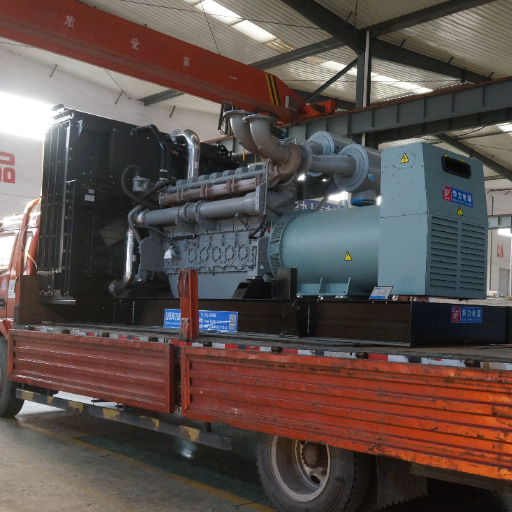
The natural gas generator price landscape in 2026 spans an extraordinary range. If you are researching commercial natural gas generator cost for a new project, the numbers below are your starting point. At the low end, a 20-25 kW commercial standby unit from Generac or Kohler starts around 13,000−13,000−15,000 for the equipment. At the high end, a 1,000+ kW industrial prime-power natural gas genset from Cummins or a custom paralleled system can exceed $750,000. If you want to see the full spread of equipment before diving into the numbers, browse our lineup of natural gas generators to compare sizes, enclosures, and configurations side by side.
Most commercial buyers fall into the 100-500 kW range. For that segment, equipment-only pricing typically runs 45,000−45,000−300,000 depending on brand tier, alternator specification, and enclosure type.
However, the cost of the equipment itself accounts for only 40% to 60% of the project’s total cost. The remaining costs stem primarily from the installation phase; furthermore, the installation of natural gas power generation equipment involves a variable not present in diesel-powered systems—namely, the connection to the gas pipeline. If a high-pressure gas meter is already situated immediately adjacent to the generator’s foundation at your facility, the connection fee may range from a mere $400 to $1,500. However, if the utility provider is required to extend the main pipeline to your property, the resulting costs could potentially exceed the price of the generator itself. In a commercial project undertaken in 2024, the cost of the necessary gas main extension work for a generator valued at $120,000 reached a staggering $95,000.
For context on how natural gas generator price fits into the broader commercial power landscape, see our full commercial generator price guide. That resource covers commercial generator cost per kW analysis across diesel, natural gas, and propane fuel types.
Natural Gas Generator Price by Size and Brand
The most useful way to benchmark natural gas generator price is by power output and brand tier. Below are 2026 equipment-only ranges compiled from dealer listings and natural gas generator cost data.
| Size Class | Power Output | Typical Applications | Equipment Price Range |
|---|---|---|---|
| Small Commercial | 20-60 kW | Retail, restaurants, small offices | 13,000−13,000−45,000 |
| Mid-Range | 70-150 kW | Clinics, grocery stores, light manufacturing | 40,000−40,000−120,000 |
| Industrial | 200-500 kW | Hospitals, data centers, heavy industry | 90,000−90,000−300,000+ |
| Large Industrial | 500-1,000+ kW | Plants, critical infrastructure | 175,000−175,000−750,000+ |
Small Commercial (20-60 kW)
This is the most transparently priced segment, and it is where most buyers start their natural gas generator price research. Generac dominates with its Protector Series, and natural gas standby generator price data is widely advertised through dealer channels.
- Generac Protector 25 kW: ~$13,399 unit price
- Generac Protector 30 kW: ~$13,999 unit price
- Cummins 25 kW: ~$17,870 unit price
- Cummins 30 kW: ~$19,100 unit price
These units are designed for residential and light commercial standby duty. They connect to existing low-pressure natural gas service and include basic sound-attenuated enclosures. Installation for this size class typically adds 8,000−8,000−20,000 depending on proximity to the gas meter and electrical panel.
Mid-Range (70-150 kW)
The mid-range segment serves commercial buildings, small manufacturing facilities, and multi-tenant properties. Pricing becomes project-specific at this level, but dealer data provides useful benchmarks.
- Generac SG0150 (150 kW): ~$29,900 unit price
- Generac Protector 150 kW (3-phase): ~$45,369 unit price
- Cummins 100-150 kW range: 40,000−40,000−80,000 depending on alternator and controls
These units require three-phase electrical service and higher-volume gas lines. The enclosure type (standard weather-protective vs fully sound-attenuated) can change the price by 20-30%. Lead times from Tier 1 brands typically run 20-40 weeks in 2026. For a deeper look at one specific size in this band, see our 100 kW generator price analysis.
Industrial (200-500+ kW)
At the industrial scale, natural gas generators are almost always project-quoted. The engine, alternator, controls, enclosure, and emissions aftertreatment are specified to order.
- Cummins 300 kW natural gas set: ~$94,500 (dealer listing)
- Kohler 250 kW (LP/NG): ~$122,488 list price (GSA contract)
- Kohler 350 kW (LP/NG): ~$170,836 list price (GSA contract)
- 500+ kW custom/paralleled systems: 200,000−200,000−750,000+
At this scale, the choice between natural gas and diesel becomes a strategic engineering decision, not just a budget calculation. For detailed diesel pricing at the top end of this range, see our 500 kW generator price breakdown. For a broader analysis across all size classes, see our full diesel generator price guide.
Used and Surplus Market
The used market can lower your natural gas generator price by 30-70% compared with new equipment. Low-hour used commercial natural gas units currently sell for 30-70% of comparable new pricing. These are often hospital or data center backup units with minimal runtime hours. However, used natural gas generators carry a specific risk: the ignition system (spark plugs, coils, and control modules) may be aged even if the engine hours are low. Always verify ignition component condition and control panel software version before purchasing used.
Natural Gas vs Diesel Generator Cost: The Break-Even Analysis
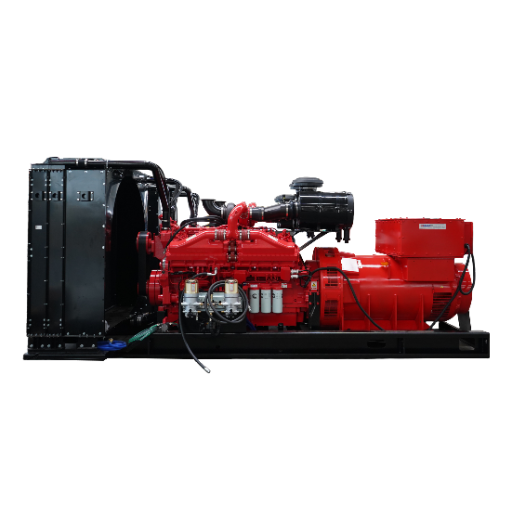
Understanding natural gas generator price means comparing it against diesel over the full ownership cycle. Whether natural gas or diesel is cheaper depends entirely on how many hours per year you plan to run the unit. Here is the complete natural gas vs diesel generator cost picture. If you want a side-by-side look at how the two fuel types stack up on performance and reliability as well as cost, our natural gas vs diesel generator comparison lays out the trade-offs before you commit to either fuel.
Upfront Cost Comparison
Diesel generators cost less to purchase and install. The diesel engine is mechanically simpler (compression ignition, no spark system), and the installation is self-contained. You add a fuel tank and electrical connection. You do not need utility coordination, pipeline pressure verification, or gas meter upgrades.
Natural gas generators cost more upfront. The engine requires spark ignition components, the installation requires gas utility coordination, and the site must have adequate pipeline pressure and volume. Total installed cost for natural gas averages 800−800−1,000 per kW versus 600−600−900 per kW for diesel.
Fuel Cost per kWh
This is where natural gas wins decisively. According to 2026 industrial fuel cost data, natural gas costs approximately 0.10−0.10−0.16 per kWh in most markets. Diesel costs 0.19−0.19−0.27 per kWh. That is a 38-50% fuel cost advantage for natural gas.
| Fuel Type | Cost per kWh (2026) | Annual Cost at 1,000 hrs (500 kW) |
|---|---|---|
| Natural Gas | 0.10−0.10−0.16 | 50,000−50,000−80,000 |
| Diesel | 0.19−0.19−0.27 | 95,000−95,000−135,000 |
| Annual Savings (NG) | N/A | 45,000−45,000−55,000 |
Fuel typically accounts for 60-80% of total operating cost over a generator’s lifetime. That per-kWh advantage is why natural gas generator price premiums pay back quickly for high-hour applications.
Maintenance Cost Differential
Natural gas burns cleaner than diesel. That translates to longer oil change intervals, less carbon buildup, and no fuel polishing requirement. Diesel generators need annual fuel testing, biocide treatments, and periodic fuel polishing to prevent microbial contamination and oxidation.
Annual maintenance for commercial natural gas generators runs approximately 1.00perkW.A250kWunitcostsroughly1.00perkW.A250kWunitcostsroughly800-1,500peryear.Acomparabledieselunitruns1,500peryear. A comparable diesel unit runs 1,200- 2,000 per year including fuel system maintenance.
The Break-Even Threshold
The Generac Total Cost of Ownership white paper and NREL research converge on the same conclusion:
- Below ~500 hours/year: Diesel is cheaper overall due to lower capital cost
- 500-1,000 hours/year: The decision depends on local fuel prices and installation complexity
- Above 1,000-2,000 hours/year: Natural gas fuel savings offset the higher installation cost, typically breaking even within 3-5 years
- Above 2,000 hours/year: Natural gas is the clear winner on total cost of ownership, and the natural gas generator price premium is recovered quickly
A construction contractor in Lagos evaluated a 300 kW natural gas generator set for an integrated development project. Compared to a diesel generator set of equivalent specifications, the natural gas unit entailed an installation cost that was $45,000 higher. Based on an annual operating schedule of 800 hours, this would translate to annual fuel savings of $28,000. Extrapolating from these figures, the estimated payback period was approximately 19 months. However, there were no natural gas pipelines located within a 10-kilometer radius of the development site. The local utility company provided a quotation of $180,000 for the pipeline extension and connection work. This meant that the natural gas option—which initially appeared to be the “more economical” choice—would actually result in an additional upfront investment of $225,000, coupled with a connection construction period lasting 18 months. Ultimately, he opted to purchase a diesel generator set.
Natural Gas Generator Installation Cost Breakdown
Natural gas generator installation cost is where budgets unravel. When you evaluate total natural gas generator price, the installation line item is what separates a 50,000 project from a 50,000 project from a 150,000 project. Unlike diesel, where installation is relatively predictable, natural gas adds a utility-dependent variable that can swing by five figures.For a full walkthrough of what the process actually involves—from gas line coordination to commissioning—see our detailed guide to natural gas generator installation, which explains each step that shapes the numbers below.
Gas Line Connection
This is the single largest variable and the most common source of budget overrun.
| Scenario | Cost Range (2026) |
|---|---|
| Standard hookup to existing meter (nearby) | 400−400−1,500 |
| New service line / meter upgrade | 800−800−2,500 |
| Long run / complex routing (trenching) | 3,500−3,500−6,500+ |
| Per linear foot (simple trenching) | 12−12−25/ft |
| Per linear foot (complex/under obstacles) | 15−15−50+/ft |
| No existing gas infrastructure (main extension) | Can exceed equipment cost |
If your facility already has natural gas service and the meter is within 50 feet of the generator location, connection costs stay manageable. If the utility must extend a main line, project costs can double. Always verify gas availability and pressure before budgeting.
Site Prep and Foundation
A natural gas generator with an enclosure and sub-base components weighs 8,000-15,000 pounds for mid-size units. It requires a reinforced concrete pad, level ground, and adequate ventilation clearance. Pad construction including excavation, rebar, and concrete typically runs 3,000−3,000−15,000 for commercial units and 8,000−8,000−25,000+ for large industrial installations.
Automatic Transfer Switch and Electrical
The ATS monitors utility power and automatically transfers load to the generator. For a 200-500 kW natural gas unit, a three-phase ATS costs 8,000−8,000−60,000 depending on rating and features. Electrical interconnection including panel modifications, conduit, cabling, and grounding adds 8,000−8,000−20,000.
Permits, Inspections, and Commissioning
Commercial natural gas generator installations require electrical permits, gas utility inspections, fire department approval, and environmental permits for exhaust emissions. All commercial installations must comply with NFPA 110 (Standard for Emergency and Standby Power Systems), NFPA 37 (Stationary Combustion Engines and Gas Turbines), and local electrical codes. Permit fees, inspection costs, and witnessed commissioning range from 500−500−5,000 depending on jurisdiction.
Total Installed Cost Summary
| Cost Item | Low End | High End |
|---|---|---|
| Equipment | $15,000 | $750,000+ |
| Gas line connection | $400 | $95,000+ |
| Site prep and foundation | $3,000 | $25,000 |
| ATS and electrical | $8,000 | $60,000 |
| Permits and commissioning | $500 | $5,000 |
| Total Project Cost | $26,900 | $935,000+ |
The Pipeline Problem: When Natural Gas Fails
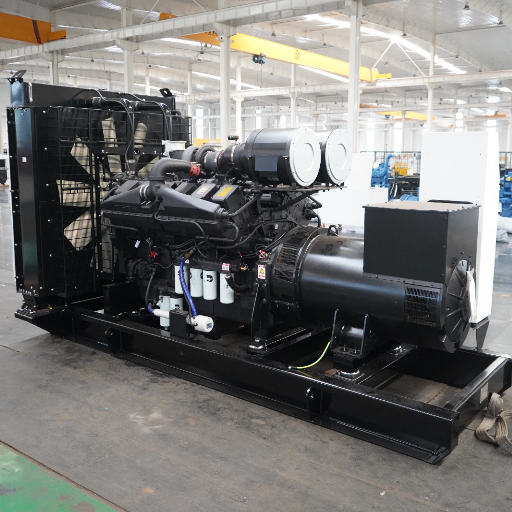
Here is the single most important factor that no natural gas generator price guide will tell you. Natural gas generators depend on the same utility infrastructure that just failed.
Correlated Infrastructure Failure
During earthquakes, hurricanes, flooding, and severe winter storms, both the electric grid and natural gas distribution infrastructure can fail simultaneously. When the pipeline pressure drops or lines are damaged, your natural gas generator cannot start or sustain operation precisely when you need it most.
In February 2021, a winter storm caused rolling blackouts across Texas. Natural gas-fired power plants tripped offline because pipeline compressors lost electricity. Residential and commercial natural gas pressure dropped across the state. Hospitals with natural gas standby generators saw their units start, run briefly, and then fail as gas pressure fell below the minimum required for combustion. Diesel-powered facilities maintained continuous operation because their fuel was stored on-site, decoupled from utility infrastructure.
In February 2023, a 7.8 magnitude earthquake struck Turkey. Power lines collapsed. Gas mains ruptured. A data center in Istanbul with a 750 kW natural gas standby generator lost power for 14 hours because the gas supply was severed. A nearby facility with diesel tanks and a 500 kW diesel genset maintained 100% uptime. The difference was not in generator quality. It was fuel independence.
Geographic Risk Assessment
If your facility is in a seismically active zone, a hurricane corridor, or an area with aging gas infrastructure, the correlated failure risk is not theoretical. It is a documented, recurring phenomenon. Marine and critical infrastructure codes (IMO, ABS, DNV) often require diesel backup or dual-fuel redundancy for precisely this reason.
On-Site Fuel Independence
Diesel provides complete decoupling from utility infrastructure. A facility with a properly maintained tank has an independent energy reserve that insulates it from pipeline disruptions. A 500 kW diesel generator with a 1,000-gallon tank can run 20-25 hours at full load. With a 5,000-gallon tank, the runtime extends to 100+ hours. No natural gas generator can match that independence unless the facility also installs on-site propane or compressed natural gas storage, which adds cost and complexity.
For buyers in Nigeria, Pakistan, parts of the Middle East, and rural areas worldwide, natural gas pipeline access simply does not exist. Diesel is not an alternative fuel. It is the only viable fuel.
When to Choose Natural Gas vs Diesel
Your natural gas generator price research should lead to this decision. The choice is not about which fuel is “better.” It is about which fuel matches your runtime profile, infrastructure, and risk tolerance.
Choose Natural Gas If:
- Your facility runs the generator frequently or for long durations (1,000+ hours/year)
- You have reliable, high-pressure natural gas service with no history of correlated outages
- Lower emissions and quieter operation are priorities for your location
- You want to eliminate fuel polishing, tank maintenance, and wet-stacking concerns
- You intend to participate in demand-response programs where NG has a cost advantage
Choose Diesel If:
- You need emergency backup only (under 500 hours/year)
- Your facility is mission-critical (hospitals, data centers, 911 centers) and cannot tolerate correlated fuel failure
- You are in a seismically active or severe-weather zone
- You need to start large motor loads or require extended runtime (48+ hours) without refueling
- Your site lacks natural gas pipeline access or has unreliable gas supply
- You need maximum load-handling for heavy machinery and manufacturing
The Hybrid Approach
For the highest reliability, critical facilities increasingly use dual-fuel systems or maintain diesel backup for natural gas generators. This ensures fuel availability even if the pipeline fails. The additional capital cost is often justified for Tier III data centers, trauma hospitals, and emergency operations centers.
How to Get an Accurate Natural Gas Generator Price Quote
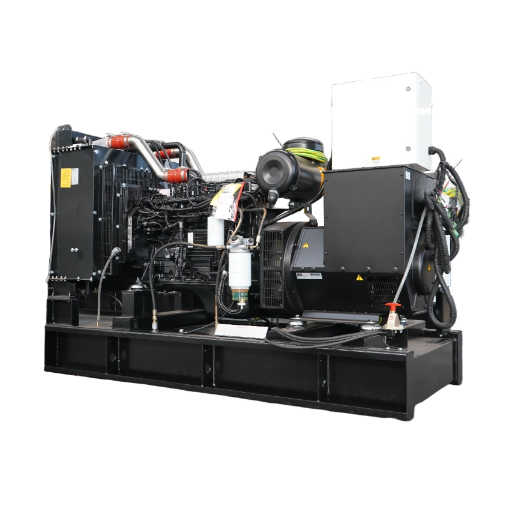
Accurate natural gas generator price quotes require more than selecting a kW rating. Your quote depends on gas infrastructure, load profile, runtime expectations, and local regulatory requirements.
To get a precise figure, prepare the following before contacting any supplier. First, confirm that natural gas service is available at your site and obtain the pipeline pressure and volume specifications from your utility. Second, provide a complete load list showing running watts and starting watts for every piece of equipment. Third, specify your required runtime and whether the unit will operate as standby, prime, or continuous duty. Fourth, detail your local emissions regulations and noise limits.
Commercial natural gas generators typically ship with a 1-2 year manufacturer’s warranty covering defects in materials and workmanship. Extended service contracts are available from most Tier 1 brands and cover scheduled maintenance, parts, and emergency callouts. Factor warranty terms and service availability into your total natural gas generator price evaluation, not just the equipment sticker.
Armed with this data, a qualified engineering team can specify the exact engine, alternator, enclosure, and control configuration you need. They can also calculate the total installed cost including gas connection, electrical integration, and commissioning.
Frequently Asked Questions
How much does a natural gas generator cost?
A new commercial natural gas generator costs 15,000−15,000−750,000+ for equipment only in 2026 depending on size and brand. That is the core natural gas generator price range most buyers will encounter. Small commercial units (20-60 kW) run 13,000−13,000−45,000. Industrial units (200-500 kW) range from 90,000−90,000−300,000+. Total installed cost averages 800−800−1,000 per kW including gas line, electrical, and site prep.
Is natural gas cheaper than diesel to run?
Natural gas fuel costs 0.10−0.10−0.16 per kWh versus diesel at 0.19−0.19−0.27 per kWh, a 38-50% savings. However, natural gas generators have higher upfront equipment and installation costs. The natural gas vs diesel generator cost break-even point arrives above 1,000-2,000 runtime hours per year. For standby duty under 500 hours/year, diesel is typically cheaper overall.
What is the natural gas generator installation cost?
Natural gas generator installation cost typically adds 400−400−95,000+ to the equipment price depending on gas line proximity, site conditions, and local permitting. Standard hookups near an existing meter run 400−400−1,500. Foundation and site prep add 3,000−3,000−25,000. ATS and electrical integration add 8,000−8,000−60,000. Permits and commissioning range from 500−500−5,000. Total installed cost averages 800−800−1,000 per kW.
Can a natural gas generator run during a power outage?
Yes, if the natural gas pipeline maintains pressure. However, during severe weather events, earthquakes, and grid failures, pipeline pressure can drop simultaneously with electric grid failure. This correlated infrastructure risk means natural gas generators are not guaranteed to operate during major disasters. Diesel generators with on-site fuel tanks provide independent backup power regardless of utility conditions.
How long can a natural gas generator run continuously?
Natural gas generators can run indefinitely as long as the pipeline supply is maintained. There is no fuel tank to deplete. However, continuous-duty natural gas units require scheduled maintenance intervals (typically every 500-1,000 operating hours) and may need oil changes, spark plug replacement, and ignition system inspection.
What size natural gas generator do I need?
Generator sizing depends on your total electrical load including starting surge requirements. A common rule is to size the generator at 125% of your calculated maximum load to provide margin for motor starting and future expansion. For example, if your facility’s peak load is 350 kW, a 437-500 kW generator is appropriate. Always calculate worst-case starting surge, not just running load.
Are natural gas generators reliable for hospitals?
Natural gas generators can be reliable for hospital backup power in urban areas with robust gas infrastructure and no history of correlated outages. However, many hospital building codes and critical infrastructure standards require diesel backup or dual-fuel systems because diesel provides fuel independence during disasters that affect both power and gas distribution. The Joint Commission and NFPA 110 have specific requirements for emergency power fuel storage that natural gas alone may not satisfy.
Get a factory-direct diesel generator quote tailored to your project. Our team of 80 engineers will review your load profile, runtime requirements, site conditions, and fuel availability, then deliver a detailed proposal with exact pricing and lead times. Contact ZC Power Engineering today.
Conclusion
Natural gas generator price ranges from 15,000forsmallcommercialunitsto15,000forsmallcommercialunitsto750,000+ for large industrial systems in 2026. Total installed cost adds 800−800−1,000 per kW, with gas line connection representing the most unpredictable budget variable. Natural gas fuel costs 38-50% less than diesel per kWh, making it the economical choice for facilities that run generators 1,000+ hours per year.
However, the natural gas generator price decision is not purely financial. Natural gas generators share a fuel source with the utility infrastructure they are meant to back up. During earthquakes, hurricanes, and winter storms, both systems can fail together. For mission-critical facilities, remote sites, and regions with unreliable gas infrastructure, diesel’s on-site fuel independence is not a preference. It is a requirement.
The three questions every buyer should answer are simple. First, how many hours per year will the generator run? Below 500 hours, diesel wins. Above 2,000 hours, natural gas wins. Second, is reliable pipeline gas available at your site? If not, diesel is your only option. Third, can your facility tolerate a correlated fuel failure during a disaster? If the answer is no, diesel or dual-fuel is the right choice.
Ready to evaluate your backup power options? Contact ZC Power Engineering for a factory-direct diesel generator quote with exact natural gas generator price comparison data, lead time, and delivery to your site.