Natural Gas Generator Sizing: How to Calculate the Right Size
Natural gas generator sizing means calculating the running load, adding the starting surge of your largest motor, applying a 20 to 25 percent safety margin, and then verifying two things most guides ignore: whether the gas engine can accept the largest load step, and whether the gas line can deliver full-load fuel flow. Get any of those wrong and the unit stalls exactly when you need it.
David Chen learned this the hard way. The facilities director at a cold-storage plant in Texas sized his new 300 kW natural gas generator on pure kilowatts, the same math that had always worked for diesel. On the first real outage, the unit accepted the running load without complaint. Then the ammonia chiller tried to restart. The compressor’s locked-rotor surge was a larger instantaneous step than the gas engine could absorb, the frequency sagged, and the chiller tripped out on undervoltage.
The problem was not the kW rating. It was the transient response. A natural gas engine accepts a smaller sudden load step than a diesel of the same nameplate, so sizing one correctly takes gas-specific engineering, not diesel math with “natural gas” pasted into the title. This guide gives you that method.
Key Takeaways
- A gas genset accepts a smaller load step than a diesel of the same nameplate rating, so verify block-load capability, not just running kW.
- Sizing follows six steps: inventory loads, sum running watts, add motor starting surge, convert kW to kVA, apply a 20 to 25 percent margin, and confirm the gas supply can deliver full-load flow.
- A natural gas generator burns roughly 0.28 to 0.34 cubic meters per kilowatt-hour, which is what determines whether your gas meter and regulator are adequate.
- Size the genset and the gas line together. Under-pressure at full load causes frequency sag or shutdown.
- Target 50 to 80 percent load in normal operation and avoid sustained operation below 30 percent to prevent carbon fouling.
Why Sizing a Natural Gas Generator Is Different
Most online sizing guides are fuel-agnostic, which quietly means they are written for diesel. A natural gas generator is not a diesel that happens to burn methane. Two physical differences change the sizing math.
The Transient Response Problem
When a large motor starts, it pulls several times its running current for a fraction of a second. A diesel engine responds to that demand by injecting fuel directly into the cylinder, almost instantly. A gas engine must open a throttle and move a larger air-and-fuel mixture through the intake manifold and aftercooler before combustion. That extra path takes time, so a gas engine recovers from a load step more slowly, as Cummins documents in its transient performance guidance.
The difference is measured in performance classes defined by ISO 8528-5, the international standard for generator transient response. G1 is the loosest class, suited to simple lighting loads. G2 approximates normal utility power and suits pumps, fans, and hoists. G3 is the tightest, required for hospitals, data centers, and sensitive electronics.
The tighter the class, the smaller the load step the engine can accept and still hold frequency and voltage within limits. A diesel will often hold a G3 frequency dip of about 7 percent, while a comparable gas engine may only hold about 15 percent before it drops to a lower class. In practice, that means a gas genset may need to be oversized, derated, or loaded in smaller, staged steps to meet the same performance class as the diesel it replaced.
The Two Hidden Requirements: Fuel Pressure and Gas Flow
The second difference is the fuel system. A diesel carries its fuel in a tank and pumps it to the engine under pressure. A gas genset depends on the utility or a storage system to deliver fuel at the correct pressure at the engine inlet. If the pressure sags under full load, the engine cannot develop full power. This means sizing the generator correctly is inseparable from sizing the gas supply, something almost every sizing guide skips entirely.
The 6-Step Natural Gas Generator Sizing Method
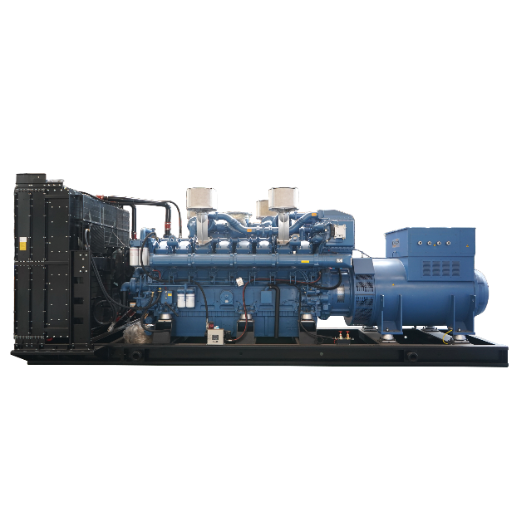
Follow these six steps in order. Steps one through four are shared with diesel sizing. Steps five and six are where gas-specific engineering keeps you out of trouble.
- Inventory the essential loads. List every piece of equipment the generator must carry, not everything the building contains. Separate critical loads from loads that can wait.
- Calculate running wattage. Sum the continuous wattage of everything that will run simultaneously. Apply a diversity factor, because not every load runs at once. For a commercial facility, that factor is typically 60 to 75 percent.
- Add motor starting surge. Identify the single largest motor and add its starting surge to the running total. Motors draw several times their running current at startup, and this surge, not the running load, usually dictates the generator size.
- Convert kW to kVA. Generators are rated in kVA while loads are often expressed in kW. Divide kilowatts by the power factor, typically 0.8, to get kVA. A 200 kW load becomes 250 kVA.
- Apply the safety margin and select the duty rating. Add 20 to 25 percent for future growth and to avoid running at the edge of capacity. Then choose standby, prime, or continuous power based on how the unit will actually be used.
- Verify the gas supply. Convert the final load into gas flow using the engine’s fuel consumption rate, and confirm the meter, regulator, and piping can deliver that flow at the correct pressure. This step is unique to gas and is the one most buyers skip.
Motor Starting Surge on Gas Engines
Motor starting is the most common sizing failure, and it is the point where gas and diesel diverge most sharply.
A standard induction motor draws five to seven times its full-load current at the moment of starting, a figure known as locked-rotor amps. If the generator cannot supply that surge, voltage dips, the motor stalls or trips on undervoltage, and every other load on the bus sees the sag. This is exactly what happened to David’s chiller.
Why Gas Accepts Smaller Load Steps
Because of the slower fuel response described above, a gas engine has a lower block-load capability than a diesel. Block load is the percentage of rated power applied in a single instant. A diesel of a given rating may accept a 70 to 100 percent block load in one step while holding G2 limits. A gas engine of the same rating may only accept a 50 to 70 percent step without tripping out of class.
The engineering fix is staged. Rather than starting every large motor at once, the control system sequences them so no single step exceeds the engine’s block-load limit. The largest motor starts first, when the rest of the load is minimal, and the remaining motors follow at intervals.
Surge Multipliers by Starting Method
The starting method you choose changes how much surge the generator must absorb, which in turn changes the size you need.
- Direct-on-line (DOL): Full surge, five to seven times running current. The largest generator requirement.
- Star-delta: Roughly one-third of the DOL surge, a common compromise for medium motors.
- Soft starter: Reduces surge by 50 to 70 percent by ramping voltage.
- Variable frequency drive (VFD): Near-zero surge, but it introduces harmonics that may require the generator to be oversized for a different reason.
For a gas genset with limited block-load capability, a soft starter or VFD on the largest motor often lets you hold a smaller, more efficient generator size than DOL would allow.
Fuel Consumption and Gas-Line Sizing
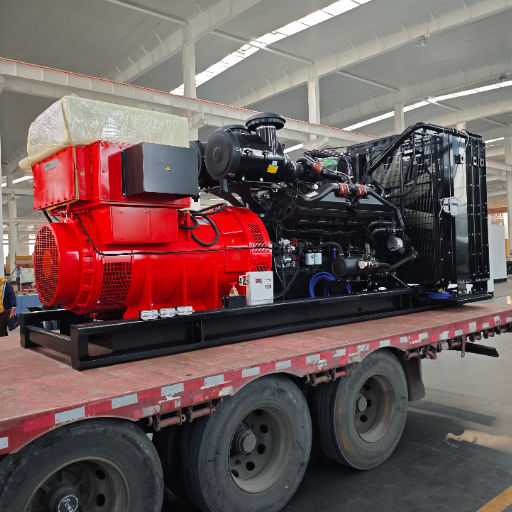
Here is the step every diesel-oriented guide omits. A natural gas generator consumes roughly 0.28 to 0.34 cubic meters of gas per kilowatt-hour at typical loads. That number is what connects your electrical sizing to your gas infrastructure.
Amara, an operations engineer commissioning a bottling plant in Lagos, had her kW figure exactly right. The 500 kW gas genset was correctly sized for the load. What she had not done was confirm the gas supply. The existing meter and regulator were sized for a much smaller boiler, and at full load the pressure at the engine inlet sagged below the minimum. The unit ran fine at 60 percent load and stumbled at 90 percent. The fix was an upsized meter and regulator, but it arrived three weeks after the plant was supposed to be running.
From kW to Gas Flow
To size the gas line, convert the generator’s full-load output into gas flow. A 500 kW unit burning 0.30 cubic meters per kilowatt-hour needs about 150 cubic meters of gas per hour at full load. The meter, regulator, and pipe run must all deliver that flow without excessive pressure drop.
Supply Pressure Requirements at Full Load
A natural gas generator typically requires a stable inlet pressure of around 7 to 11 inches of water column at full load, depending on the engine. Keep the pressure drop across the meter and piping below about 2 inches of water column. If the drop exceeds that, the engine starves at peak demand. The practical rule is simple: size the generator and the gas line together, and contact the gas utility early. For the full picture on the gas work involved, see our [natural gas generator installation] guide.
Natural Gas Generator Size by Application
Here are practical starting points by facility type. Treat these as ranges to refine with the six-step method, not as a substitute for a load study.
| Application | Typical Gas Genset Size | Notes |
|---|---|---|
| Small commercial (retail, restaurant, clinic) | 30-80 kW | Backup essentials only; watch HVAC surge |
| Office and light manufacturing | 100-300 kW | Apply 60-75% diversity factor |
| Cold storage and food processing | 250-500 kW | Large motor surge dominates; verify block load |
| Large campus, high-rise, data center | 500 kW-1 MW+ | Often multiple units in N+1 configuration |
| Industrial prime power | 500 kW-4 MW | Continuous rating; derating critical |
When Altitude and Temperature Force a Larger Unit
Engine output falls as air gets thinner and hotter. A common rule of thumb is a 3 percent output loss per 1,000 feet of elevation, but naturally aspirated gas engines lose more than turbocharged diesel at altitude. A gas genset sized at sea level can come up noticeably short in the Andes or the Rockies.
A mining contractor in the Peruvian Andes specified a gas genset using sea-level figures and was puzzled when it could not hold the full load. The unit was rated for its duty, but at 4,000 meters it was delivering well under nameplate. The fix was a larger engine plus a turbocharged-aftercooled configuration rated for the altitude. Always tell your supplier the site elevation and maximum ambient temperature before finalizing the size
5 Natural Gas Generator Sizing Mistakes
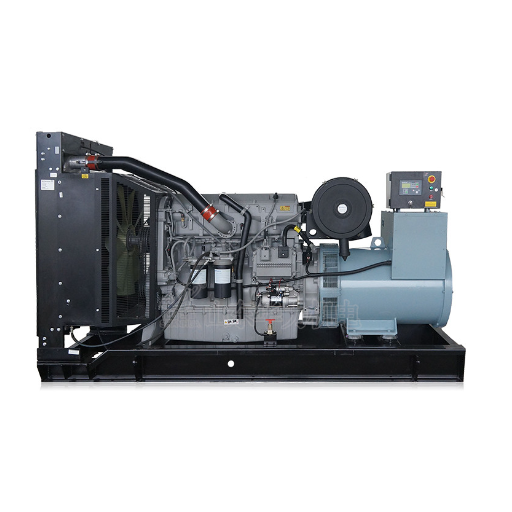
- Sizing gas on diesel math. Ignoring the lower block-load capability is the single most expensive error. Verify transient response, not just running kW.
- Ignoring motor starting surge. Sizing to the running load and forgetting the chiller or compressor restart is how a correctly rated unit fails on its first outage.
- Forgetting fuel-line pressure. The generator can be perfectly sized while the gas meter and regulator are not. Size the supply at the same time.
- No altitude or temperature derating. Sea-level sizing in a high-altitude or hot location leaves you underpowered.
- Oversizing into chronic underload. A gas genset run below about 30 percent load for long periods develops carbon fouling, the gas-engine cousin of diesel wet stacking. Aim for 50 to 80 percent load in normal operation.
Frequently Asked Questions
What size natural gas generator do I need?
Add your running load, add the starting surge of the largest motor, convert to kVA at 0.8 power factor, then add a 20 to 25 percent margin. For most commercial facilities that lands between 30 kW and 500 kW depending on the load; verify with a load study.
Can a natural gas generator start a large motor?
Yes, but it accepts a smaller sudden load step than a diesel of the same rating. Start the largest motor first, stage the remaining motors, and consider a soft starter or VFD on the biggest load to stay within the engine’s block-load limit.
How much natural gas does a generator use per kWh?
A natural gas generator consumes roughly 0.28 to 0.34 cubic meters of gas per kilowatt-hour at typical loads. Multiply your full-load kW by this rate to estimate hourly gas flow and confirm the meter and regulator are adequate.
What size gas line do I need for a generator?
The line must deliver the generator’s full-load gas flow at a stable inlet pressure, typically 7 to 11 inches of water column, with a pressure drop below about 2 inches of water column. Size the gas line and the generator together.
Does altitude reduce a natural gas generator’s output?
Yes. Output falls roughly 3 percent per 1,000 feet of elevation, and naturally aspirated gas engines lose more than turbocharged diesel. Specify site elevation and temperature to the manufacturer before finalizing size.
Get the Sizing Right the First Time
Natural gas generator sizing is more than a wattage calculation. It is three checks: the running load, the largest load step the gas engine can absorb, and the gas supply that must feed it at full load. Skip any one and the unit fails on the day you bought it for.
Start with the six-step method, verify block-load capability against ISO 8528-5, and size the gas line alongside the generator. When in doubt, our [complete natural gas generators guide] walks through the full decision, and you can see how sizing feeds into the wider project with our [natural gas generator installation] guide.
[Contact the ZC Power engineering team] for a free gas genset load-list review and a factory-direct quote built around your exact site conditions.