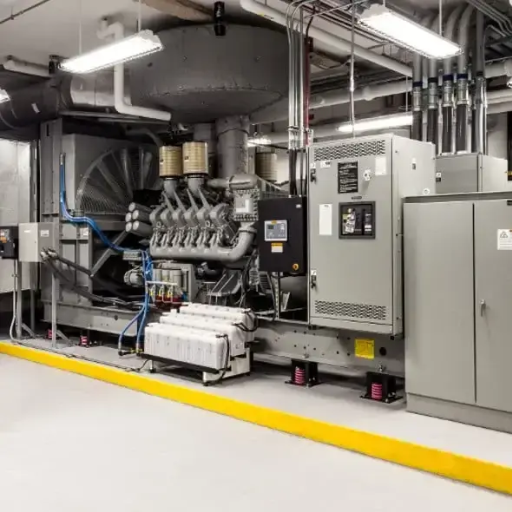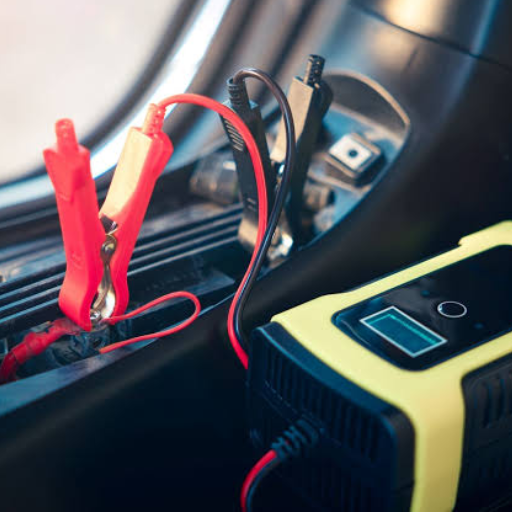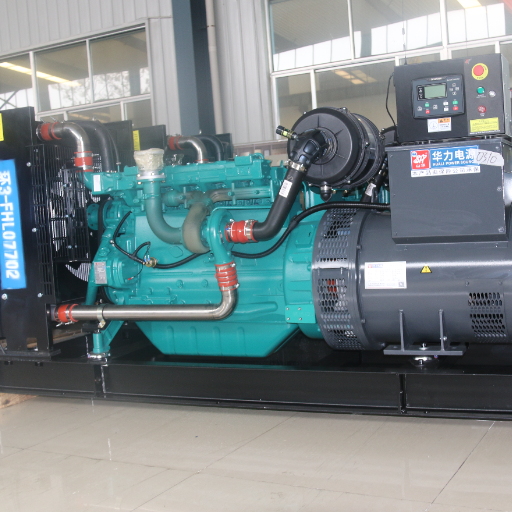
Standby Generator: Complete Technical Guide 2026 [Types, Sizing & Installation]
The winter storm which struck Texas during February 2021 caused the entire state to lose electrical power for several days. The manufacturing facility in Dallas maintained full operational capacity during the power outage which affected millions of people. A properly sized diesel standby generator with automatic transfer switching restored power to the facility within 10 seconds after the grid experienced a failure. The facility not only avoided $2 million in lost production but became an emergency resource for the surrounding community.
All facilities that require continuous power for life safety and critical operations and revenue protection need to understand how standby generator systems work. The market presents confusing options which include natural gas and diesel fuels and Type 10 and Type 60 classifications and automatic and manual transfer systems. The installation process becomes more difficult because NFPA and NEC code requirements introduce additional challenges which determine success or failure.
ZC Power provides this guide which explains standby generator operation and NFPA 110 code requirements and system selection based on essential power requirements. We will assist you in making informed decisions about standby power systems because we have 25 years of experience in manufacturing these systems which we have supplied to over 100 countries.
Wondering about the full scope of electric generators? (Read Electric Generators: Complete Guide to Types, Applications & Selection) for all-around insights into their categories, uses and selection tips.
What Is a Standby Generator?
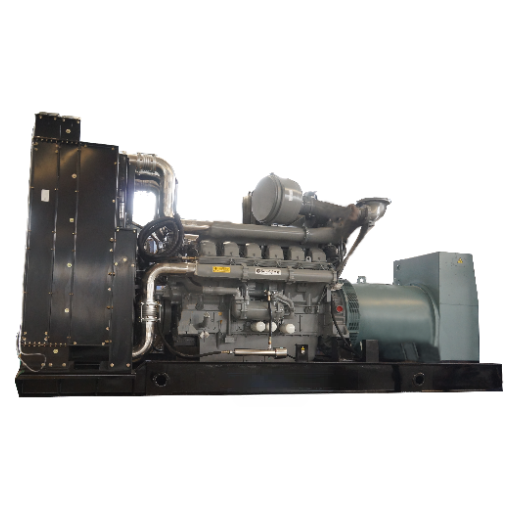
The standby generator functions as a backup power system which remains permanently installed to provide automatic electricity during utility power outages. The operation of standby generators functions automatically because their integrated transfer switching systems detect power outages and restore electricity within seconds unlike portable generators which need human operators to set up their power systems.
Core Characteristics
Standby generators differ from other power solutions in several key aspects:
- Permanent Installation: Hard-wired into building electrical systems with dedicated fuel supplies
- Automatic Operation: Requires no human intervention during power failures
- Limited Runtime Design: Engineered for emergency backup, not continuous operation (typically rated for 200-500 hours annually)
- Code-Compliant Construction: Built to meet NFPA 110, NEC Article 445, and applicable local requirements
Standby vs Emergency vs Prime Power
Understanding power system classifications is critical for proper specification and code compliance.
| Classification | Usage Pattern | Annual Runtime | Typical Applications |
|---|---|---|---|
| Standby Power (ESP) | Emergency backup when utility fails | 200-500 hours/year | Commercial buildings, data centers, industrial facilities |
| Emergency Power | Life safety systems only | Code-defined minimum | Fire pumps, egress lighting, alarm systems |
| Prime Power (PRP) | No utility connection available | Unlimited operation | Remote operations, mining, oil & gas |
| Continuous Power (COP) | Base load generation | Unlimited at constant load | Utility peak shaving, off-grid installations |
The primary difference between standby generators and prime power generators exists because standby generators serve emergency situations while prime power generators provide continuous power delivery. The use of a standby-rated generator for prime power applications results in warranty cancellation and increases the possibility of equipment failure before its expected lifespan.
The events which unfolded with Michael Torres who worked as a facilities manager at a New Jersey pharmaceutical distribution center demonstrate this point. After Hurricane Sandy made landfall in 2012 his facility used their standby generator system to power their operations during power outages which lasted for 11 straight days. The generator operated successfully during the emergency situation but its nonstop usage created excessive damage which needed $47,000 worth of repairs within the first six months. Michael discovered that standby ratings possess certain restrictions because facilities which need extended backup power must implement both different equipment requirements and multiple generator systems.
NFPA 110 Classification System
The National Fire Protection Association Standard 110 defines classifications that determine acceptable performance for different applications.
Type Classifications (Transfer Time):
- Type 10: Power must be restored within 10 seconds (hospitals, data centers, critical life safety)
- Type 60: Power must be restored within 60 seconds (commercial buildings, less critical applications)
- Type 120: Power must be restored within 120 seconds (non-critical standby loads)
Level Classifications (Consequences of Failure):
- Level 1: Failure could result in loss of human life or serious injuries (hospitals, emergency services)
- Level 2: Failure causes less critical impact (commercial buildings, industrial processes)
Hospital operating rooms require Type 10, Level 1 systems. Office buildings may use Type 60, Level 2. Understanding these classifications ensures your installation meets both operational needs and code requirements.
How Standby Generators Work: Automatic Transfer Systems
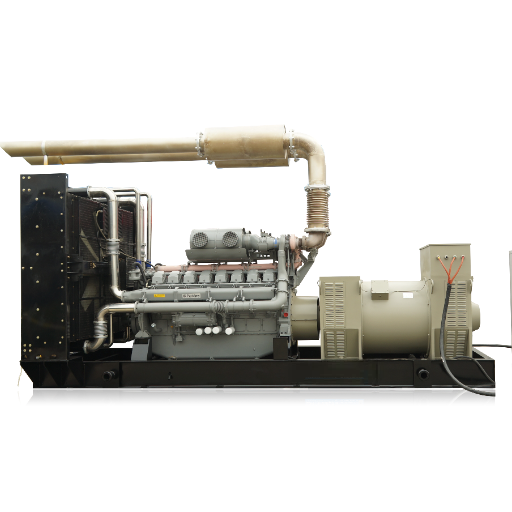
The automatic transfer switch (ATS) serves as the essential component that operates all standby generator systems. The system monitors power from the utility network and activates generator power during outages while it switches electrical supply between the utility and generator power sources.
The Automatic Transfer Switch (ATS)
The ATS performs three critical functions:
- Monitoring: Continuously measures utility voltage, frequency, and stability
- Control: Sends start/stop signals to the generator controller
- Switching: Physically transfers load connection between power sources
The modern ATS units use microprocessor-based controllers to achieve accurate voltage and frequency measurement while providing time delay adjustments and building management system communication features.
Sequence of Automatic Operation
When utility power fails, the following sequence occurs without human intervention:
Step 1: Detection
The ATS monitors utility power continuously. When voltage drops below typically 80% of nominal, or frequency deviates beyond acceptable limits (usually ±3 Hz), the ATS declares a power failure.
Step 2: Generator Start Signal
The ATS sends a start signal to the generator controller. The generator engine begins cranking and startup sequence.
Step 3: Engine Start and Warm-up
The generator engine starts and operates without any load until it achieves its full operating temperature and its voltage and frequency get stabilized. This process takes 5-10 seconds for diesel units while some natural gas engines require more time to complete.
Step 4: Load Transfer
The ATS system will disconnect the utility source after the generator reaches its stable output which occurs at 90% rated voltage and 95% rated frequency. The transfer process operates as a “break-before-make” mechanism because it creates a temporary power loss which lasts between 50 and 100 milliseconds.
Step 5: Utility Return Monitoring
While running on generator power, the ATS continues monitoring the utility source for stable return.
Step 6: Re-transfer
When utility power returns and remains stable for a programmed time delay (typically 15-30 minutes to ensure stability), the ATS transfers the load back to utility power.
Step 7: Generator Cool-down
The generator continues running unloaded for a cool-down period (typically 3-5 minutes) before shutting down to prevent thermal damage.
Transfer Switch Types
| Transfer Type | Operation | Best Applications |
|---|---|---|
| Open Transition | Break-before-make transfer | Standard commercial applications |
| Closed Transition | Make-before-break (momentary parallel) | Critical loads requiring no interruption |
| Soft Load Transfer | Synchronized transfer with load ramping | Large motors, sensitive equipment |
| Bypass Isolation | Manual bypass for maintenance | Critical facilities requiring ATS service without shutdown |
Closed transition switches momentarily parallel utility and generator sources (typically under 100 milliseconds) to eliminate power interruption during transfer. The system needs protective relaying and utility company approval to deliver uninterrupted power supply for essential computer systems and medical devices.
Seeking assistance with transfer switch selection? (Read Generator Transfer Switch: Complete Guide) for code-compliant recommendations.
AMF Panels and Smart Controls
Auto Mains Failure (AMF) panels provide integrated control of the complete standby power system. Modern AMF systems offer:
- Remote Monitoring: Ethernet, cellular, or Modbus communication for off-site monitoring
- Load Management: Prioritized load shedding when generator capacity is exceeded
- Exercise Scheduling: Automatic programmed exercise cycles
- Data Logging: Event recording, run-time tracking, and maintenance alerts
Types of Standby Generators by Fuel
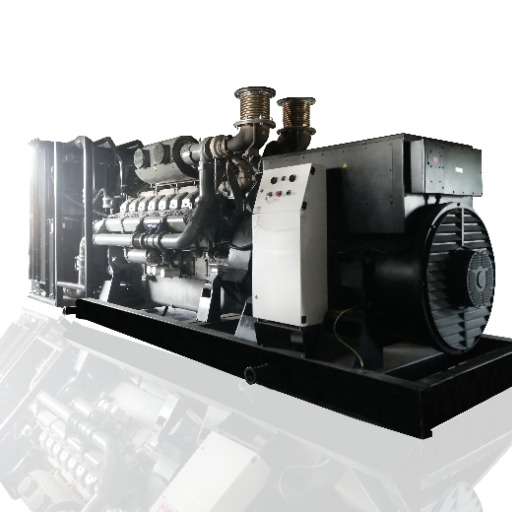
Fuel selection significantly impacts installation costs, operating characteristics, and runtime capabilities. Each fuel type presents distinct advantages and limitations.
Natural Gas Standby Generators
Natural gas generators connect to utility gas pipelines, providing theoretically unlimited runtime as long as the gas supply remains operational.
Advantages:
- Clean burning with lower emissions than diesel
- Minimal fuel maintenance (no degradation or contamination concerns)
- Generally lower maintenance requirements than diesel
- No on-site fuel storage needed
Limitations:
- Requires natural gas line availability with adequate capacity
- Pipeline failures during earthquakes or disasters can disrupt fuel supply
- Limited to smaller sizes (typically under 150 kW for air-cooled units)
- Higher fuel consumption per kWh than diesel
- Not suitable for fire pump applications (NFPA 20 requires diesel)
Best Applications: Residential backup, small commercial facilities with reliable gas service, locations prioritizing low maintenance.
Propane (LPG) Standby Generators
Propane systems use on-site storage tanks, providing fuel independence from utility services.
Advantages:
- Long fuel shelf life (unlimited when properly stored)
- Cleaner burning than diesel
- No fuel degradation concerns
- Available in areas without natural gas service
Limitations:
- Requires periodic fuel delivery
- Higher fuel cost per kWh than natural gas or diesel
- Storage tank installation and compliance requirements
- Limited to smaller sizes (typically under 50 kW)
Best Applications: Rural locations without natural gas, facilities requiring long fuel storage life.
Diesel Standby Generators
Diesel generators serve as the standard power solution for commercial and essential operations because they provide dependable performance and high power output and meet regulatory requirements.
Advantages:
- Highest power density (more kW per engine displacement)
- Reliable fuel storage on-site with multi-day or week capability
- Preferred for fire pump applications per NFPA 20
- Better transient response for motor starting
- Available in all sizes (10 kW to 4,000+ kW)
- Widely accepted for Type 10, Level 1 applications
Limitations:
- Higher maintenance requirements than natural gas
- Fuel degradation over time (requires treatment or polishing)
- Emissions regulations more stringent in some jurisdictions
- Louder operation without sound attenuation
Best Applications: Hospitals, data centers, fire pumps, critical industrial processes, large commercial facilities.
Fuel Type Comparison
| Factor | Natural Gas | Propane | Diesel |
|---|---|---|---|
| Fuel Availability | Utility pipeline | On-site tank | On-site tank |
| Maximum Runtime | Unlimited (pipeline) | Limited by tank size | Limited by tank size |
| Maintenance Level | Lowest | Low | Moderate |
| Large Load Capability (100kW+) | Limited | Limited | Excellent |
| NFPA 110 Life Safety Compliance | Acceptable | Acceptable | Preferred |
| Initial Equipment Cost | Lower | Lower | Higher |
| Operating Cost per kWh | Lowest | Highest | Moderate |
Sizing a Standby Generator: Step-by-Step Method
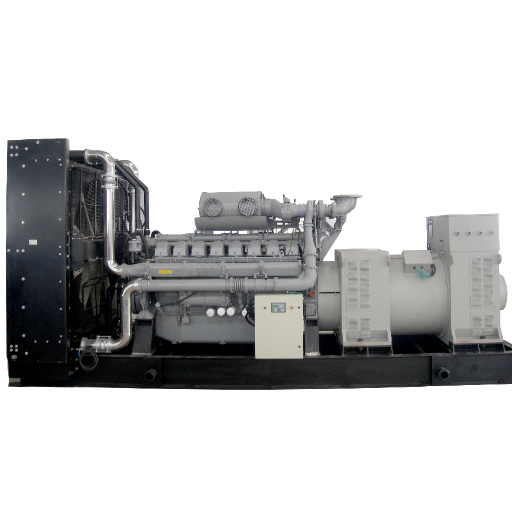
Proper sizing ensures your standby generator can handle required loads without overload or excessive under-loading. The system experiences nuisance tripping because of undersizing while oversizing leads to capital waste and engine problems.
Load Analysis Process
Step 1: Inventory All Loads
Create a comprehensive list of all equipment requiring backup power. Categorize as:
- Life Safety: Fire pumps, egress lighting, alarm systems (code-required)
- Critical Operations: Production equipment, data centers, refrigeration
- General Loads: General lighting, HVAC, convenience outlets
Step 2: Calculate Running Watts
For each load, identify the continuous running power requirement. Nameplate ratings typically indicate this value. Convert all ratings to consistent units (watts or kilowatts).
Step 3: Identify Starting Surge Requirements
Electric motors require 3-7 times their running current during startup. This locked-rotor amperage (LRA) determines whether the generator can start the motor.
Common motor starting multipliers:
- Standard motors: 6x running current
- High-efficiency motors: 5x running current
- Fire pumps (across-the-line): 6-7x running current
- Fire pumps (soft-start): 3-4x running current
Step 4: Apply Diversity Factors
Not all loads operate simultaneously. Diversity factors account for this:
- Lighting: 90% (most lights on during outage)
- HVAC: 75% (staggered compressor starting)
- Receptacles: 50% (not all outlets fully loaded)
- Motors: 80% (not all starting simultaneously)
Step 5: Add Future Growth Margin
Add 20-25% to calculated load for future expansion and calculation safety margin.
Common Load Wattages
| Equipment | Running Watts | Starting Surge | Notes |
|---|---|---|---|
| Central AC (3 ton) | 3,500 | 9,000 | Highest surge typically |
| Commercial refrigerator | 800 | 2,400 | Medical-grade higher |
| Elevator (hydraulic) | 15,000 | 30,000 | Consult manufacturer |
| Fire pump (100 HP) | 75,000 | 450,000 | Across-line start |
| Office lighting (per 1000 sq ft) | 2,000 | 2,000 | No surge |
| Computer server rack | 3,000 | 3,000 | Use UPS ratings |
Sizing by Application Type
| Application | Typical Size Range | Key Considerations |
|---|---|---|
| Small retail/office | 20-50 kW | Essential circuits, POS systems |
| Mid-size commercial | 50-200 kW | HVAC, elevators, general lighting |
| Hospital (critical) | 200-1,000+ kW | Life safety, OR, ICU, imaging |
| Data center | 500-2,000+ kW | Cooling, servers, UPS support |
| Manufacturing | 100-5,000+ kW | Production lines, process equipment |
Example Sizing Calculation
A 50,000 square foot office building requires backup for:
- General lighting: 100 kW running, no surge
- HVAC (3 chillers): 150 kW running, 450 kW surge (staggered start)
- Elevators (2): 40 kW running, 80 kW surge
- Emergency lighting: 20 kW running
- Fire pump: 75 kW running, 450 kW surge
Calculation:
- Running load: 385 kW
- Diversity applied (85%): 327 kW
- Largest motor surge (fire pump): 450 kW – 75 kW = 375 kW additional
- Total required: 327 + 375 = 702 kW
- Future growth (20%): 140 kW
- Recommended size: 850-900 kW standby generator
Installation Requirements and Considerations
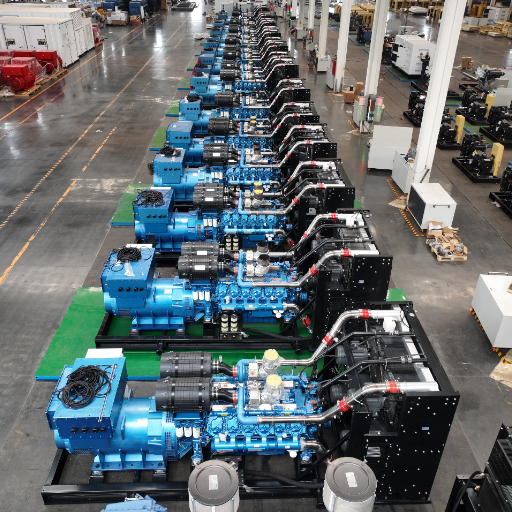
Standby generator installation involves electrical, fuel, structural, and regulatory components that must be coordinated for code-compliant operation.
Electrical Installation
The electrical installation connects the standby generator to the building’s power distribution system through the automatic transfer switch.
Key Components:
- Service Entrance Location: ATS typically installed between utility meter and main distribution panel
- Conductor Sizing: Based on generator full-load ampacity per NEC Article 445
- Grounding and Bonding: Separate equipment grounding conductor, grounding electrode connections per NEC 250
- Overcurrent Protection: Generator circuit breaker and output protection coordination
Load Shedding Systems:
Load shedding controls in applications with generator capacity below total building load, which first power essential circuits, automatically reduce non-essential loads when generator capacity reaches its limits.
Fuel System Installation
Natural Gas Systems:
- Gas line must be sized for generator full-load consumption plus other gas appliances
- Typical pressure requirements: 5-7 inches water column for residential, higher for commercial
- Earthquake shut-off valves required in seismic zones
- Gas utility coordination often required for large loads
Diesel Fuel Systems:
- Tank sizing based on required runtime (typically 24-72 hours for critical facilities)
- Double-wall tanks with leak detection for environmental compliance
- Fuel transfer pumps for large tanks
- Fuel treatment and polishing systems for long-term storage
Propane Systems:
- Above-ground or underground tank installation
- Vaporizer systems for large loads in cold climates
- Capacity calculations for vaporization rates
Location and Clearance Requirements
Outdoor Installation:
- Minimum clearances from combustible structures (typically 5 feet per manufacturer)
- Adequate airflow for cooling (intake and exhaust clearances)
- Elevation above flood levels where required
- Service access on all sides requiring maintenance
Indoor Installation:
- Requires ventilation for combustion air and heat rejection
- Fuel supply piping compliance
- Fire-rated construction requirements
- Specialized exhaust systems
Noise Considerations:
The generator’s placement needs to consider noise levels which extend to the property boundaries. The distance between two points produces natural sound reduction which decreases by 6 dB for every distance increase that doubles. ZC Power’s [silent generator enclosures] achieve 65-75 dB at 7 meters for noise-sensitive installations.
Permits and Inspections
Standby generator installations typically require:
- Electrical Permit: Wiring, ATS installation, grounding
- Building Permit: Concrete pad, enclosure, structural attachments
- Fire Department Permit: Fuel storage, fire suppression
- Environmental Permits: Fuel tanks, emissions (in some jurisdictions)
- Final Electrical Inspection: Before activation
Code Compliance and Standards
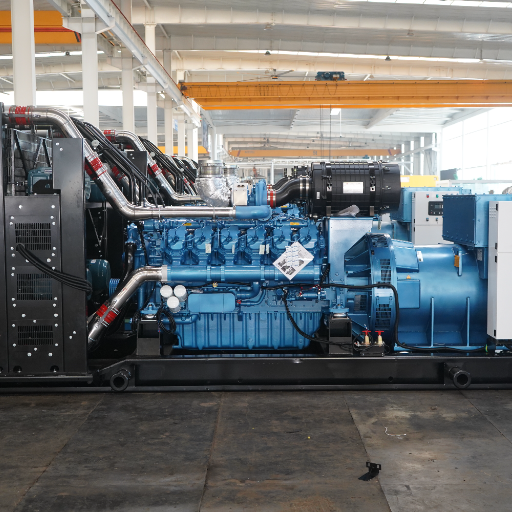
Standby generator installations must comply with multiple codes and standards. The requirements need to be understood because they protect safety and help achieve regulatory acceptance.
NFPA 110 Standard
The National Fire Protection Association Standard 110, “Standard for Emergency and Standby Power Systems,” serves as the main guide for designing and installing standby power systems.
Key Requirements:
- Acceptance Testing: Full load bank testing required before system acceptance
- Maintenance Requirements: Monthly testing and annual maintenance protocols
- Fuel Supply: Minimum fuel capacity for required runtime
- Installation Standards: Location, ventilation, and fire protection requirements
Type and Level Classifications:
Specifying the correct Type and Level ensures the system meets operational requirements:
- Type 10, Level 1: Hospital operating rooms, life support (10-second transfer, failure risks life)
- Type 60, Level 1: Hospital general loads, emergency services (60-second transfer)
- Type 10, Level 2: Data centers, critical manufacturing (10-second transfer, less critical failure)
- Type 60, Level 2: General commercial buildings (60-second transfer)
National Electrical Code (NEC)
Article 445: Generators
- Installation and connection requirements
- Overcurrent protection sizing
- Grounding and bonding requirements
- Disconnecting means location
Article 700: Emergency Systems
- Wiring methods and materials
- Circuit identification and separation
- Transfer equipment requirements
Article 701: Legally Required Standby Systems
- Loads required by municipal, state, or federal codes
- Similar requirements to Article 700
Article 702: Optional Standby Systems
- Loads not required for life safety
- Owner-selected backup loads
- Less stringent separation requirements
Article 517: Healthcare Facilities
- Essential Electrical System (EES) requirements
- Critical, life safety, and equipment branch separation
- Transfer time requirements for patient care areas
Healthcare Specific: NFPA 99
Healthcare facilities must comply with NFPA 99, “Health Care Facilities Code,” which references NFPA 110 and adds specific requirements:
- Category 1 (Critical Care): Failure likely to cause major injury or death
- Category 2 (General Care): Failure likely to cause minor injury
- Category 3 (Basic Care): Failure unlikely to cause injury
- Category 4 (Support): No impact on patient care
Hospital standby generators must meet the most stringent requirements, with Type 10 transfer times and Level 1 classification for critical care areas.
International Standards
For installations outside the United States, applicable standards include:
- IEC 60364: International Electrical Installation standards
- ISO 8528: Reciprocating internal combustion engine driven alternating current generating sets
- BS 7698: British Standard for engine-driven generating sets
- Local electrical codes: Country-specific requirements
Maintenance and Testing Requirements
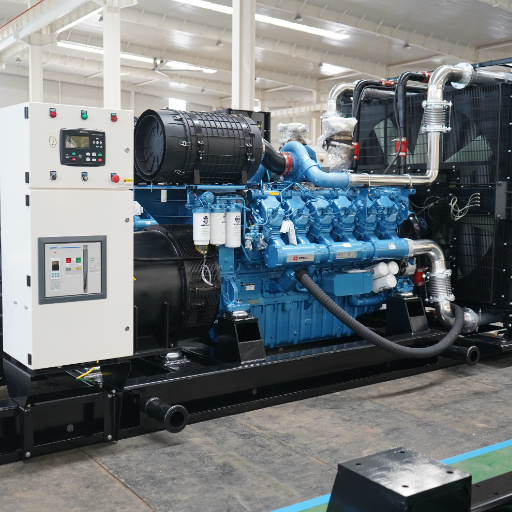
Standby generators require regular maintenance and testing to ensure reliability when needed. NFPA 110 establishes minimum requirements.
NFPA 110 Maintenance Schedule
Monthly:
- Visual inspection of generator and enclosure
- Fuel level check and fuel quality inspection
- Battery voltage and electrolyte level check
- Coolant level verification
- Exercise under load (minimum 30 minutes)
Quarterly:
- Full operational test including automatic transfer
- Load bank testing if not tested under actual building load
- Air filter inspection
- Oil level check
- Control system functional test
Annual:
- Comprehensive engine service (oil, filters, coolant)
- Fuel system inspection and treatment
- Exhaust system inspection
- Cooling system service
- Transfer switch maintenance and contact inspection
- Load bank test at full rated load
3-Year:
- Transfer switch detailed inspection and contact replacement if needed
- Fuel tank internal inspection
- Cooling system chemical treatment
- Major engine component inspection
Required Testing Protocols
Monthly Exercise:
Generators must be exercised monthly under load for minimum 30 minutes. This can be:
- Building load transfer (actual operating conditions)
- Load bank testing (portable or permanent load bank)
- No-load exercise (less preferred, does not verify full performance)
Annual Load Bank Testing:
Full load bank testing at rated capacity verifies:
- Engine performance under rated load
- Cooling system capacity
- Governor response and stability
- Alternator temperature rise
- Fuel consumption rates
Transfer Switch Testing:
Annual transfer switch testing verifies:
- Utility voltage sensing accuracy
- Generator voltage and frequency sensing
- Transfer time compliance
- Mechanical operation of switching mechanism
- Control system logic and timing
Common Maintenance Items
Engine Oil and Filter:
Change intervals vary by engine type and operating conditions:
- Light duty (residential): Every 100-150 hours or annually
- Heavy duty (commercial): Every 250 hours or 6 months
- Severe duty: Every 150 hours
Fuel System:
- Diesel fuel requires biocide treatment and periodic polishing
- Water contamination must be removed from tanks
- Fuel filters changed per manufacturer schedule
- Propane and natural gas systems require leak testing
Battery Maintenance:
- Load testing annually
- Terminal cleaning and connection tightening
- Replacement typically every 3-5 years
- Battery charger verification
Air Filtration:
- Air filter replacement based on pressure differential or schedule
- Pre-cleaner service in dusty environments
- Intake restriction testing
Standby Generator Costs: Complete Breakdown
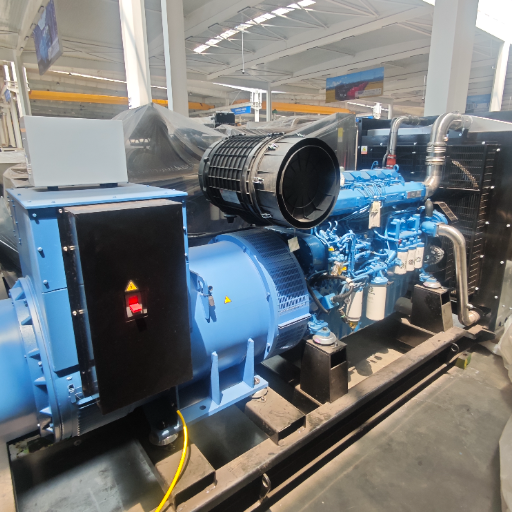
Understanding total cost of ownership helps evaluate standby generator investments beyond initial purchase price.
Equipment Costs by Size
| Size Range | Typical Cost Range | Common Applications |
|---|---|---|
| 8-20 kW | 2,000−2,000−5,000 | Residential, small retail |
| 20-50 kW | 5,000−5,000−15,000 | Small commercial, restaurants |
| 50-150 kW | 15,000−15,000−40,000 | Medium commercial, offices |
| 150-500 kW | 40,000−40,000−150,000 | Large commercial, industrial |
| 500-1000 kW | 150,000−150,000−400,000 | Manufacturing, hospitals |
| 1000+ kW | $400,000+ | Large industrial, data centers |
Equipment costs vary significantly by manufacturer, features, and enclosure type. Diesel units typically 20-30% higher than natural gas equivalents.
Installation Costs
Electrical Installation:
- Small residential (20 kW): 2,000−2,000−4,000
- Medium commercial (100 kW): 8,000−8,000−20,000
- Large commercial (500 kW): 25,000−25,000−75,000
Factors affecting electrical costs:
- Distance between generator and electrical room
- ATS sizing and type
- Load shedding system complexity
- Existing electrical system compatibility
Fuel System Installation:
- Natural gas line extension: 1,000−1,000−10,000+
- Diesel tank (1,000 gallons): 5,000−5,000−15,000
- Propane tank and lines: 2,000−2,000−8,000
Site Work:
- Concrete pad: 2,000−2,000−10,000 depending on size
- Enclosure assembly: 1,000−1,000−5,000
- Fencing and security: 2,000−2,000−10,000
Operating Costs
Fuel Consumption:
- Diesel: 0.3-0.5 gallons per kWh depending on load
- Natural gas: 10-15 cubic feet per kWh
- Propane: 0.3-0.4 gallons per kWh
Maintenance Contracts:
- Residential: 300−300−600 annually
- Commercial: 0.02−0.02−0.05 per kWh of rated capacity
- Critical facilities: 0.05−0.05−0.10 per kWh
Other Operating Costs:
- Battery replacement: 200−200−1,000 every 3-5 years
- Load bank testing: 500−500−2,000 annually
- Fuel treatment and polishing: 500−500−2,000 annually (diesel)
Total Cost of Ownership Example
500 kW Commercial Standby Generator (Diesel):
| Year | Equipment | Installation | Fuel* | Maintenance | Total |
|---|---|---|---|---|---|
| 0 | $120,000 | $60,000 | – | – | $180,000 |
| 1 | – | – | $3,600 | $6,000 | $9,600 |
| 2 | – | – | $3,600 | $6,000 | $9,600 |
| 3 | – | – | $3,600 | $8,000 | $11,600 |
| 4 | – | – | $3,600 | $6,000 | $9,600 |
| 5 | – | – | $3,600 | $6,000 | $9,600 |
| 5-Year TCO | $229,000 |
Based on 100 hours annual operation at average load
When ZC Power Industrial Standby Generators Are the Solution
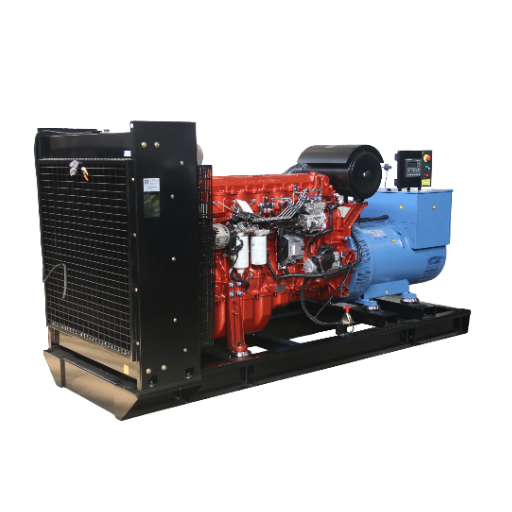
Homeowners use residential standby generators while commercial and industrial applications need specialized engineered solutions that fulfill strict code requirements and reliability standards.
Applications Requiring Industrial Standby Generators:
- Power requirements exceeding 150 kW: Manufacturing facilities, large commercial buildings
- NFPA 110 Type 10 requirements: Hospitals, data centers, emergency services requiring 10-second transfer
- Critical manufacturing processes: Pharmaceutical, semiconductor, food processing where outages cause product loss
- Life safety systems: Fire pumps, smoke evacuation, emergency lighting requiring highest reliability
- International projects: Requiring specific certifications (CE, ISO, local standards)
ZC Power Standby Generator Advantages:
At Shandong ZC Power CO., LTD., we engineer standby power systems for mission-critical applications:
- NFPA 110 Compliance: Type 10 and Type 60 configurations available, Level 1 and Level 2 rated
- National Standard Testing Center: Every generator verified for rated output and transfer time before shipment
- Complete Size Range: 8kVA to 4,000kVA standby power solutions
- Automatic Transfer Systems: Integrated ATS with AMF control panels, remote monitoring capability
- Custom Engineering: Voltage, frequency, and enclosure configurations for global requirements
- 80+ Technical Engineers: System design support from consultation through commissioning
- 25 Years Export Experience: Compliance with international codes and standards
For hospitals, data centers, and critical manufacturing facilities where standby power is non-negotiable, ZC Power manufactures diesel standby generators that meet NFPA 110 Type 10 requirements with automatic transfer systems engineered for seamless operation.
Frequently Asked Questions
What is the difference between a standby and portable generator?
Standby generators function as permanent installations which include automatic transfer switches that activate during power outages without needing operators to start them. Portable generators need operators to set them up and supply fuel and connect them at every instance of operation. Standby generators use permanent fuel connections (natural gas, diesel tank, propane), while portables typically use gasoline. Standby systems cost significantly more (5,000−5000−500,000+) versus portables (500−500−3,000) but provide seamless backup power.
How long can a standby generator run continuously?
Standby generators operate as emergency power systems with amaximum operational period of 200 to 500 hours which they can use throughout the year. The equipment can operate continuously through extended power outages but its components will experience faster deterioration. Natural gas generators can operate indefinitely as long as the pipeline supply remains active. Diesel and propane generators continue to operate until they run out of fuel. The best choice for applications that need continuous power is prime power-rated generators instead of standby-rated generators.
What size standby generator do I need?
The electrical load requirements for backup systems together with motor starting surges which reach 3 to 7 times the normal running current must be evaluated to determine system size. A typical 2,000 square foot home requires 20-30 kW. Small businesses typically need 50-150 kW. Hospitals and data centers use between 200 and 2000 kilowatts of power or more. Professional load calculations ensure proper sizing.
How much does a standby generator cost installed?
The total installed expenses start at 5000 for small residential units and reach more than 500000 for large commercial systems. The total expenses of the project consist of equipment costs which account for 50 to 70 percent while installation costs from electrical work fuel system installation and site development make up the remaining expenses. The total cost of residential installations usually falls between 10000 and 25000. The cost of commercial installations starts at 25000 for small systems and goes beyond 1000000 for large industrial standby power plants.
What is the best fuel type for standby generators?
Natural gas requires minimal upkeep while providing continuous operation for residential areas and small commercial spaces. Diesel delivers maximum dependability which makes it suitable for handling substantial weight loads and essential functions at hospitals and fire pumps. Propane is the best option for areas that lack access to natural gas in rural environments. NFPA 20 mandates diesel usage for fire pump operations while diesel remains the preferred choice for Type 10 Level 1 life safety systems.
How often should a standby generator be tested?
NFPA 110 requires monthly exercise under load for minimum 30 minutes. The facility needs to conduct annual full-load testing with load bank equipment to establish its rated capacity. The testing of transfer switches proves their ability to function automatically. The majority of jurisdictions mandate commercial establishments to maintain records of their testing activities. Monthly testing of residential systems provides operational advantages although code requirements do not mandate it. Testing procedures provide emergency preparedness assessment while detecting required maintenance tasks.
What is NFPA 110 Type 10?
NFPA 110 Type 10 classification requires restoration of power within 10 seconds of utility failure. This applies to life safety systems and critical applications including hospital operating rooms, intensive care units, and emergency services. The Type 10 standard demands that generators need to start immediately while transfer switches need to operate in a synchronized manner. Type 60 (60-second transfer) applies to less critical commercial loads. Understanding your required Type classification ensures code compliance.
Can I install my own standby generator?
Standby generator installation requires licensed electrical contractors, fuel system professionals, and permits from multiple agencies. The electrical work needs permits because it includes main service connections which require inspections. Fuel systems need to follow both fire codes and environmental regulations. Most jurisdictions prohibit DIY installation for permanently connected standby generators. Professional installation ensures safety, code compliance, and warranty validity.
How long do standby generators last?
With proper maintenance, quality standby generators last 20-30 years. Diesel engines typically outlast natural gas engines in standby service. Key factors affecting lifespan include: maintenance quality, exercise frequency, environmental conditions (corrosion, temperature), and loading (under-loading causes problems similar to overloading). Major overhauls at mid-life (10-15 years) can extend service life significantly. Engine controllers and automatic transfer switches may require replacement before generator end-of-life.
Conclusion
Standby generators deliver essential protection against power outages which disrupt operations and create safety risks and lead to substantial financial damage. Your investment will deliver dependable performance during critical times when you learn about power ratings and automatic transfer systems and fuel choices and code requirements.
Key takeaways:
- Standby generators automatically restore power within seconds through automatic transfer switching
- NFPA 110 classifications (Type 10/60, Level 1/2) determine required performance for different applications
- Fuel selection impacts reliability, maintenance, and runtime: diesel for critical applications, natural gas for convenience
- Proper sizing requires load analysis including motor starting surges and diversity factors
- Code compliance (NFPA 110, NEC) is mandatory and varies by application type
- Regular testing and maintenance ensure reliability; neglect risks failure during emergencies
ZC Power diesel generators deliver automatic operation and dependable performance together with NFPA 110 code compliance for critical facilities that need industrial-scale standby power. The national-standard testing center conducts verification tests on each unit which we ship to customers.
Shandong ZC Power CO., LTD. has developed standby power systems since its founding in 1999. Our manufacturing facility covers 300,000 square meters and produces NFPA 110-compliant standby generators which range from 8kVA to 4,000kVA. The national-standard testing center verifies each generator’s electrical output and transfer time performance.
Planning to purchase a home backup generator in 2026? (Read Backup Generator for Home: Complete 2025 Buying and Sizing Guide) for tailored purchasing advice and accurate sizing strategies.