Generator Maintenance: Complete Guide to Diesel Generator Care
The Texas data center found that their backup generator which has a capacity of 250000 could not function during power failures. The system stopped working because of oil change delays which resulted in engine damage. The backup generator which needed emergency repairs had costs of 250000. The system stopped working because of oil change delays which resulted in engine damage. The emergency repair operation costed 45000 and led to six hours of operational disruption which impacted a major healthcare network.
This story repeats itself thousands of times every year. Generator maintenance is not complicated. The process of maintaining generators requires basic knowledge but its lack of maintenance leads to severe and high-cost results. The proper maintenance schedule makes your generator equipment suitable for running all systems which include hospital life safety systems and data center critical infrastructure and construction site primary power.
The guide shows all necessary information which you need to maintain diesel generators according to proper procedures. The training program for you includes maintenance schedules which apply to both standby and prime power systems. The training program will show you all necessary procedures which include oil changes and filter replacements and fuel system maintenance. The program will teach you methods to stop wet stacking and control fuel quality and achieve NFPA 110 compliance. The program provides you with an operational framework which helps your generator function during critical situations.
Wondering about the full scope of electric generators? (Read Electric Generators: Complete Guide to Types, Applications & Selection) for all-around insights into their categories, uses and selection tips.
Why Generator Maintenance Is Critical
Preventing Catastrophic Failures
Generators experience failures during their most critical operational periods. Research conducted by the Electrical Generating Systems Association demonstrates that approximately 60% of generator failures occur because of maintenance issues instead of equipment defects. The engine starts. The alternator generates electrical power. The system fails to operate because of three different problems which include a clogged fuel filter and a weak battery and contaminated coolant.
The financial impact extends beyond repair costs. Data centers lose approximately 300000 dollars in revenue for each hour they experience downtime. Generator failures during surgery at hospitals create dangerous situations which endanger patient safety. Production stoppages in mining operations lead to 300000 dollars of revenue losses. Generator failures during surgery at hospitals create dangerous situations which endanger patient safety. Mining operations experience production stoppages which result in hourly losses of 50000 dollars. Preventive maintenance serves as a protective measure which brings multiple benefits to organizations.
Marcus Chen took the position of facilities manager at a Virginia manufacturing plant in 2023. He was given responsibility for a generator which had not received maintenance for 18 months. The previous manager had skipped maintenance to reduce the facilities budget. The generator failed to start during the first summer heat wave because the utility grid experienced a blackout. The plant lost $120,000 in spoiled inventory and had to send 200 workers home. The same week, Marcus established a new maintenance schedule. The generator has operated without problems during four power outages.
Extending Generator Lifespan
A diesel generator which receives proper maintenance can function between 20000 and 30000 hours during its 25-year operational period. Generators which receive no maintenance usually stop working after 5000 hours or less. The average cost of industrial generators exceeds 100000 which creates a comparison between a 4 per hour investment and a 20 per hour money waste.
Engine maintenance tasks help to maintain engine compression while they shield the fuel system from contaminants and stop corrosion within the cooling system. Each maintenance task increases reliability which builds up over time across the lifespan of the equipment.
Ensuring Code Compliance
The NFPA 110 Standard for Emergency and Standby Power Systems requires organizations to follow particular maintenance procedures while keeping proper maintenance records. The emergency power systems need to complete their monthly tests and their yearly load bank tests. The service records need to be kept and made accessible for inspection by fire marshals and code officials.
The absence of proper maintenance documentation leads to various consequences including code violations, denial of insurance claims, and shutdowns of facilities. A survey conducted in 2023 discovered that 40% of facilities with emergency generators do not keep their required documentation. The fire marshal will discover your records either as compliant or as containing violations when he inspects your files.
Understanding Maintenance Types
Preventive Maintenance
Preventive maintenance includes scheduled tasks performed at regular intervals to prevent failures before they occur. The process requires technicians to perform oil changes and filter replacements and coolant testing and exercise runs. Preventive maintenance is a proactive maintenance strategy. The system treats wear items through maintenance work before they create operational issues.
The goal is maintaining the generator in a state of readiness. The operational requirements for standby generators state that their units must start and deliver rated power within seconds after a utility failure. The operational requirements for prime power generators state that their systems must operate continuously without any unplanned interruptions.
Corrective Maintenance
The maintenance process exists to fix problems that have been discovered. The system returns to its original state through corrective action when inspection shows that the belt has worn out and the coolant has deteriorated and the battery has lost power. The organization needs to perform corrective maintenance because it addresses operational problems. Organizations cannot foresee all their operational disruptions.
Facility managers should establish clear criteria for when to perform corrective maintenance versus when to call professional technicians. In-house staff members can manage simple tasks which include replacing air filters and cleaning battery terminals. The organization needs qualified service personnel to handle complex repairs which involve the fuel injection system and engine internals and control electronics.
Predictive Maintenance
Predictive maintenance uses diagnostic testing to identify problems before they cause failure. Oil analysis testing shows both engine wear and contamination levels. Vibration analysis identifies both bearing defects and equipment misalignment. Load bank testing verifies the generator can deliver rated capacity.
Predictive maintenance provides critical applications with reliable information about generator performance during load conditions. Trend monitoring over time identifies gradual degradation that might be missed by visual inspection alone.
Generator Maintenance Schedule
Daily and Weekly Inspections
Visual Checks: Walk around the generator to check for fluid leaks and loose connections and any physical damage. Check the fuel level andensure the tank contains sufficient fuel for the expected runtime. Check the generator operation by confirming the system runs in auto mode and the control panel displays no active alarms.
Control Panel Verification: Check that all indicator lights function properly. Verify battery voltage displays within the normal range which typically shows 12.4 to 12.8 volts for 12-volt systems and 24.8 to 25.6 volts for 24-volt systems. The controller shows the generator is ready to start according to this confirmation.
Exercise Runs: NFPA 110 requires monthly testing yet most facilities achieve better results through weekly exercise runs. The generator must operate without any load or under building load conditions for a total of 30 minutes. This process removes moisture from the system and provides lubrication to engine parts and tests the ability to start the engine. The automatic transfer function for generators with AMF panels requires testing four times each year.
Monthly Maintenance
Full System Test: The testing process requires complete transfer testing of the system when the generator connects to automatic transfer switches. The generator has to start automatically when the utility power gets shut down and maintain constant voltage and frequency while handling system load changes.
Battery Check: A battery load tester performs voltage testing on batteries while they operate at full capacity. The team proceeds to clean battery terminals before they use anti-corrosion spray to protect the terminals. The team needs to check flooded battery electrolyte levels and add distilled water to batteries that require topping off.
Fuel Level Monitoring: The tank needs to maintain sufficient fuel levels which support the entire duration of required operations. NFPA 110 mandates emergency systems to maintain enough fuel which covers all operational requirements of the system. The team needs to check for water contamination in the fuel tank by draining the water separator.
Record Keeping: The team needs to record all inspection activities which include testing and maintenance work that has been completed. The NFPA 110 standard requires maintenance logs to show the date and time of work and identify the worker who performed the task and document all work results. Digital maintenance tracking systems simplify compliance documentation.
Quarterly and Semi-Annual Maintenance
Oil and Filter Changes: Change engine oil and replace the oil filter based on operating hours or time intervals, whichever comes first. For standby generators, change oil annually even if hour accumulation is low. For prime power generators, change oil every 250 to 500 operating hours depending on conditions.
Use the correct oil specification for your engine. Most modern diesel generators require API CI-4 or CK-4 oil with the appropriate viscosity grade for your climate. Common grades include 15W-40 for general use and 5W-40 for cold weather operation.
Air Filter Inspection: Remove and inspect the air filter element. Hold it up to a light source. The filter needs replacement when you cannot see light passing through it. Dusty environments require monthly air filter inspections which lead to replacement whenever necessary. Air filters should never be cleaned with compressed air because this method destroys the filter media while permitting dust to enter the engine.
Coolant Check: Test coolant freeze protection and additive concentration using a refractometer or test strips. Most diesel engines require supplemental coolant additives to prevent cylinder liner cavitation erosion. The replacement schedule for coolant systems requires coolant to be changed between two to five years based on the specific coolant type in use.
Belt Inspection: Check alternator and fan belts for cracks, glazing, or excessive wear. The belts need replacement when any signs of deterioration appear. The belt tension requires checking through the manufacturer established specifications. Loose belts lead to slipping which results in overheating problems. Over-tightened belts create damage to bearings.
Annual Maintenance
Comprehensive Service: Perform all quarterly maintenance tasks plus additional annual procedures. Replace fuel filters, inspect the cooling system thoroughly, and check all hoses and clamps. Inspect the exhaust system for leaks, corrosion, and proper support.
Load Bank Testing: Conduct annual load bank testing to verify the generator can deliver rated capacity. Load bank testing serves two critical purposes. First, it proves the generator can handle full load during an actual emergency. Second, it prevents wet stacking by raising exhaust temperatures high enough to burn off carbon deposits.
Test procedure includes running the generator at incrementally higher loads, typically 25%, 50%, 75%, and 100% of rated capacity. Monitor voltage, frequency, coolant temperature, oil pressure, and exhaust temperature throughout the test. Duration at full load should be at least one hour.
Cooling System Service: Flush the cooling system and replace coolant. Inspect the radiator for debris and clean external fins. Check the radiator cap pressure rating and replace if it does not hold pressure. Inspect water pump weep holes for leakage indicating seal wear.
Control Calibration: Verify control panel meters and indicators read accurately. Calibrate voltage and frequency displays if necessary. Test all safety shutdowns which include high coolant temperature and low oil pressure and overspeed. Document that all protective functions operate correctly.
High-Hour Maintenance
Major Service Intervals: Prime power generators operating continuously require major service at specific hour intervals. Typically, valve adjustment is needed at 1,000 hours. Injector service is required at 2,000 to 3,000 hours. Major overhaul may be needed at 10,000 to 15,000 hours depending on application and maintenance quality.
Overhaul Considerations: When cumulative operating hours approach manufacturer recommendations for overhaul, evaluate the cost of overhaul versus replacement. A proper overhaul includes cylinder head reconditioning, piston and ring replacement, bearing replacement, and injection system rebuild. The cost typically runs 40% to 60% of new generator cost.
Step-by-Step Maintenance Procedures
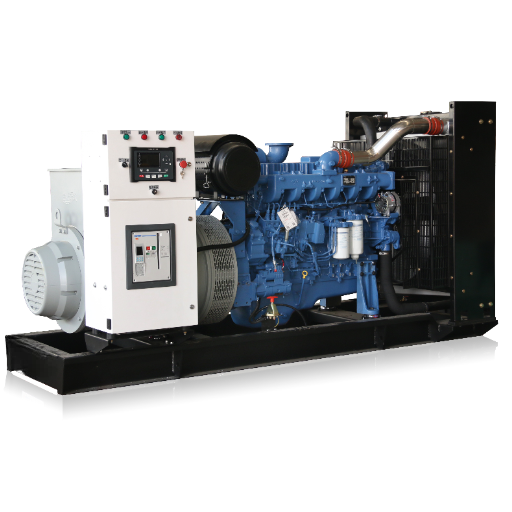
Oil and Filter Changes
Drain Intervals by Application: Standby generators accumulate few operating hours but still require oil changes because oil degrades over time regardless of use. Change oil annually for standby units. Prime power generators need oil changes every 250 to 500 hours depending on load factor and operating conditions. Severe duty applications including dusty environments or high-load operation require more frequent changes.
Oil Selection: Modern diesel engines require oils meeting API service categories CI-4, CJ-4, or CK-4. These oils contain additives that protect against soot-related wear and maintain viscosity under high shear conditions. Select viscosity grade based on ambient temperature. SAE 15W-40 works for most climates. Use SAE 5W-40 or 0W-40 for cold weather starting below freezing.
Filter Replacement Procedure: Always change the oil filter when changing oil. Pre-fill the new filter with clean oil before installation. This prevents a dry start that causes accelerated wear. Apply a thin film of clean oil to the filter gasket. Install the filter hand-tight plus one-quarter turn. Do not overtighten.
Run the engine after the oil and filter change. Check for leaks around the filter and drain plug. Shut down and wait five minutes for oil to drain back to the sump. Check the dipstick and add oil as needed to reach the full mark.
Air Filter Maintenance
Inspection Procedures: Remove the air filter element from the housing. Inspect the element for damage, oil saturation, or excessive dirt accumulation. The housing needs to be checked for debris, which should be cleaned whenever it is required. The air intake piping needs to be checked for both security and possible damage to its structure.
Cleaning Versus Replacement: Paper element filters require replacement because cleaning them does not work. The process of cleaning paper filters results in media destruction which permits dust to escape. Some heavy-duty applications use oil-bath or washable foam filters. The manufacturer cleaning procedures require you to clean these items using the designated cleaning solvent.
Heavy Dust Environment Considerations: Air filters need to be replaced often in mining operations and construction sites and agricultural settings. You should install an air pre-cleaner or cyclone separator because it removes large dust particles before they reach the main filter. You should monitor the air restriction indicator if your system has one. The filter needs replacement when the indicator shows red or when the filter minder reaches the service limit.
Fuel System Maintenance
Fuel Filter Replacement: Clean fuel is essential for diesel fuel systems which require primary and secondary fuel filters to be replaced according to their scheduled maintenance. The new filters must be filled with clean fuel before installation to stop air from entering the system. The fuel system requires priming according to manufacturer procedures before engine operation begins.
Water Separator Draining: Water in diesel fuel causes injector damage and microbial growth. The water separator needs daily or weekly drainage which depends on the current humidity and condensation levels. Most water separators have a sight bowl that shows water accumulation. The drain process continues until clean fuel becomes visible.
Fuel Polishing: Stored diesel fuel loses its quality after extended periods of storage. The fuel polishing system keeps fuel quality by circulating it through fine filters and water separation processes. Fuel polishing protects generators with large bulk storage tanks because it stops contamination which would block filters and harm injection systems. Standby generators with fuel stored for more than six months should have fuel polishing implemented.
Tank Inspection: Fuel tanks require annual inspection to check for water contamination and microbial growth and sediment accumulation. Biocides can stop microbial growth when they are applied according to the instructions from their manufacturers. Tanks with heavy contamination need to undergo professional cleaning.
Cooling System Service
Coolant Analysis: Yearly testing for freeze protection, boiling point, and additive concentrations would be advisable. A refractometer should be used to get a precise reading of the freeze point. Most diesel engines will perform fine when operating where the antifreeze/deionized water mixture measures 50/50 with freeze protection down to -34 degrees Fahrenheit boil over protection up to 265 degrees Fahrenheit.
Supplemental Coolant Additives: For the wet cylinder liners of the diesel engine, it is important to add supplemental coolant additives to ward off cavitation erosion; these additives form a protective layer over the cylinder liner surface. These additives could be checked for the concentration using test strips and could be increased if needed. The extended life coolants have different maintenance service requirements as against the conventional coolants.
Radiator cleaning: Clean the surface of the radiator once per year to remove any dirt, debris, and the build-up of oils that will otherwise reduce efficiency in cooling. Use air pressure or direct low-pressure water blowing outward from the engine. High-pressure cleaning might cause damage to the fins. In the case of a lot of blockage of the radiators, use foaming cleaning solutions meant for heat exchangers.
Hose Inspection: Fine inspection has to be done on all the coolant hoses for cracks, soft spots, and bulging. Squeeze the hoses to check for indications of failure inside. Replace the hoses if they are mushy or have cracks on the outsides. Check the tightness of hose clamps and the extent of corrosion they show. Change the clamps before they rust out completely.
Battery Maintenance
Voltage Testing Step: It is suggested to test for input voltage monthly with the aid of one digital multimeter. For a full single cell of 12V, an at-rest reading of 12.6-12.8V is the standard, and anything below 12.4V shows that it needs a charge. Reading should also be checked with a battery load tester under load conditions to check how well it provides enough starting current.
Terminal Cleaning: Clean terminals at least annually or whenever there is any corrosion. First, disconnect the cables at the battery with the negative cigarette disconnected. With the wire brush and battery terminal cleaner, clean terminal and end of the cable. Then finally apply dielectric grease or a battery terminal protectant for protection from any later corrosion.
Specific Gravity Test: For flooded, lead-acid batteries do test with a hydrometer to determine one’s specific gravity. A judging profile should indicate anything between 1.265 and 1.280 at a fully charged battery. Each cell should test within 0.025 of the next cell. A significant difference between cells signifies battery stagnation.
Suggested Replacement Timeframe: Every three to five years, batteries must be replaced even if performing. With time, battery capacity erodes, leading older batteries to suddenly fail under cold or heavy load starting. For mission-critical applications, it is strongly recommended that batteries be replaced before they fail.
Diesel-Specific Maintenance Issues
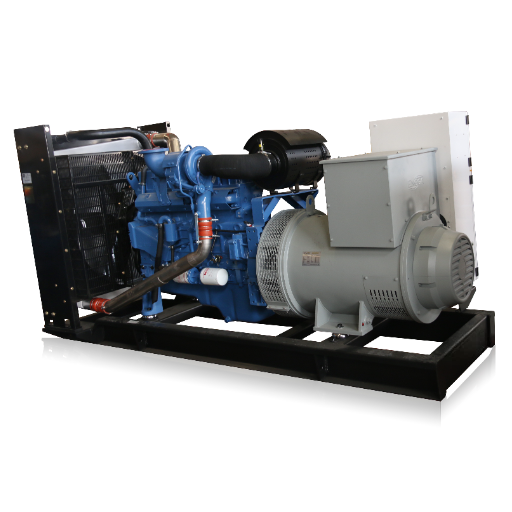
Wet Stacking Prevention
Wet Stacking: Wet stacking is the phenomenon that occurs when diesel engines are run at very light loads for extended periods of time. Under these conditions, combustion temperature and pressure never reach the required levels to burn the fuel completely. Incomplete combustion of fuel consequently leads to dark-grade smoky exhausts and buildup of sludge to accumulate in the valves and turbochargers. .
Exercise Run Requirement: One should prevent any wet stacking by ensuring at least an adequate amount of awesomely used up all on its own, Please generator testing does abide by the good grace or any adequate load applied during exercise runs. Should you embark upon any low-load-running periods, you should limit such frequencies drastically. In order to do a monthly test, the generator must be allowed to warm up to temperature-error, enough to keep the build intact-that is, get some operation for 30 plus min testing with requisite load against wet-stacking.
Load Bank Testing Importance: The application of a load according to need on a generator constantly defeats the phenomenon of wet stacking therein. The high exhaust temperatures during load bank testing burn off accumulated deposits. Generators that have experienced wet stacking may require multiple load bank sessions to fully clean the exhaust system.
Fuel Quality Management
Diesel Fuel Contamination: Diesel fuel begins to deteriorate within a mere six to twelve months from refining. The fuel is oxidized to produce tar and varnish which accumulates in filters and even in fuel injectors. Bacterial growth is another fuel degradation process accelerated by heat, oxygen, and water contents that eventually build up sludge onto tanks.
Standard Biocide Solution: For their fuel tanks, customers should be encouraged to use biocides to inhibit microbial hazards. The biocides exterminate bacteria and fungi that spawn populations at the fuel/water boundary within the tanks. The treatment must be applied especially for standby generators, which typically have tanks containing even months’ worth of fuel at a time without use.
Fuel Polishing Alternative: It filters fuels nonstop to get rid of water and other particle contamination. Fuel from the large fuel stores continually polished equates to an infinite life for the fuel. Several typical fuel polishers include a pump, water separator, fine filter, and particle separator.
Maintenance of Tanks: Water bottoms and sludge deposits are to be checked annually. Water bottoms and sludge are to be removed as needed. This might entail cleaning of the tanks in a span of five years to ten years, to be decided depending on fuel turnover rate and contamination history.
Cold Weather Preparation
Block Heater: If generators are to be used in cold climates, install and keep in good condition engine block heaters. Block heaters warm the coolant, ease starting problems, and save wear. The block heater can be tested simply by touching to see if it is warm to the touch after being plugged in.
Battery Warmer: Battery capacity drops in cold temperatures. Battery warmers or insulated battery boxes are used to maintain battery temperature for dependable cold weather starting.
Cold-weather oils: Lower-viscosity oils are used and recommended in colder conditions. Any synthetic oil of 5W-40 or 0W-40 grades will exhibit much better cold flow than just 15W-40 oil. Verify the manufacturer’s requirements for cold weather oils.
Fuel Cold Flow Additives: Diesel fuel can gell, at times, when it gets extremely cold. During the winter, use the winter-blend diesel fuel, and add some cold temperatures to make it outflow for the generators operating with sub-zero temperatures. Be concerned about the fuel gelling point well before the severe weather hits.
Load Bank Testing
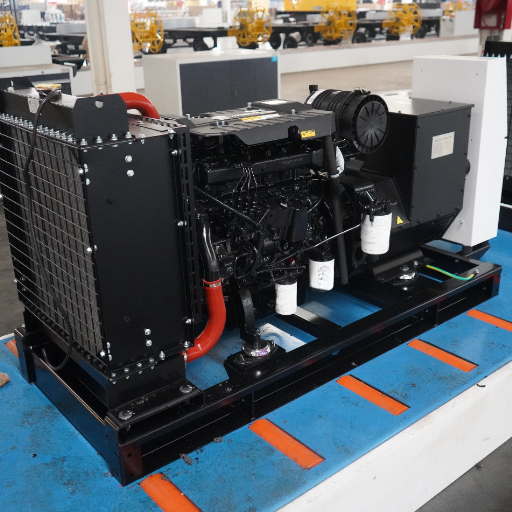
Why Load Bank Testing Matters
NFPA 110 Requirements: NFPA 110 requires annual load bank testing for Level 1 emergency power systems. The test must verify the generator can deliver rated capacity. Documentation of load bank testing is required for code compliance.
Prevention of Wet Stacking: Load bank testing is a way to prevent wet stacking buildup on engines and, in many cases, clean it off by bringing up exhaust temperatures to a level where carbon deposits burn off. This can be important for standby generators that mostly operate in an underloaded condition.
System Verification: Load testing validates the entire generator system to be working properly under realistic conditions. Problems that do not appear during a no-load test, like overheating, fuel starvation, or distorted voltage regulation, become apparent under load.
Load Bank Testing Procedure
Test Preparation: Check the generator and test the fluid level according to the norms. To test the generator under difficult conditions, ensure that the radiator is clean and that the fuel tank contains an amount enough to last the test duration. With the manufacturer’s procedures followed, connect the load bank. Repeat the cooling air discharge position to ensure that the air will not damage near by equipment or create safety hazards.
Load Application: Start the generator and let it warm up with no load. Ensure that load is being increased in steps of 25% of rated capacity with 15 minutes at each load stage. Monitor voltage, frequency, coolant temperature, oil pressure, and exhaust temperature during the test.
Run at 100% load for a minimum of one hour. NFPA 110 requires testing at a minimum of 50% of nameplate rating for 30 minutes or as close to full load as achievable. Many facilities test at 100% for one hour to maximize wet stacking prevention.
Monitoring Parameters: Monitor the following parameters throughout the test:
- Voltage: Should remain within plus or minus 5% of rated voltage
- Frequency: Should remain within plus or minus 0.5 Hz of rated frequency
- Coolant temperature: Should stabilize within normal operating range
- Oil pressure: Should remain within manufacturer specifications
- Exhaust temperature: Should reach normal levels indicating complete combustion
Documentation: Record all test parameters at each load level. Document any anomalies or problems encountered. Include date, time, personnel, and equipment serial numbers in the test report. Maintain records for code compliance verification.
Testing Frequency
Monthly Testing: For residential standby generators, monthly exercise runs of 20 to 30 minutes are typically sufficient. Use actual building load if possible to provide adequate engine loading.
Quarterly Testing: Commercial facilities should conduct quarterly load testing. This can be done using building load if the facility can support it, or with a portable load bank. Quarterly testing provides earlier detection of developing problems.
Annual Load Bank Testing: Annual testing with a resistive load bank is required for code compliance on emergency systems. It is recommended for all standby generators regardless of code requirements. Consider hiring a professional testing company for annual load bank testing if your facility does not own load bank equipment.
Maintenance Costs and Budgeting
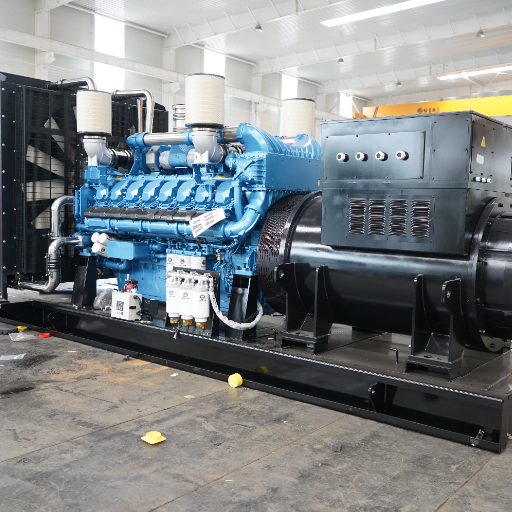
DIY Versus Professional Maintenance
What Owners Can Do: Technicians can be maintenance workers performing regular maintenance of changing oil, changing filters, maintaining batteries, and visually inspecting vehicles. Work involved mechanical skills based around some basic tools. Their staff should be trained on the correct procedures and precautions for safety.
What Requires Technicians: Fuel injection service, reconditioning of the engine, control-system calibration, and warranty work are the maintenance items that need to be performed by trained technicians. Professionally done work guarantees proper servicing and maintains warranty claims.
Cost Comparison: It is cheaper in terms of labor amounts, whereas time and training by employees are involved. Professional servicing consequently demands significant rates. However, it does provide skills, specific equipment, and paperwork. Most establishments tend to go for a mixed strategy, the company directing daily maintenance through its internal staff while contracting a professional for annual load bank test procedures and major repairs.
Annual Maintenance Cost Estimates
| Generator Size | DIY Annual Cost | Professional Annual Cost |
|---|---|---|
| 20-50 kW | $300-500 | $800-1,200 |
| 100-200 kW | $600-900 | $1,500-2,500 |
| 500 kW+ | $1,500-2,500 | $4,000-8,000 |
Costs include routine maintenance items including oil, filters, coolant, and minor parts. Major repairs and overhaul are not included. Costs vary by region and service provider.
Maintenance Contract Considerations
What Is Included: Maintenance contracts typically include scheduled preventive maintenance, priority emergency response, and parts discounts. Review contract terms carefully to understand what is covered and what incurs additional charges.
Service Intervals: Contracts specify maintenance intervals based on manufacturer recommendations. Ensure the contract matches your generator’s requirements and operating conditions.
Emergency Response: Maintenance contracts often include priority emergency service. For critical applications, guaranteed response time may be worth the contract premium.
Parts Availability: Contracts may include preferential pricing on parts and guaranteed parts availability. For older generators, parts availability can be a significant concern.
Documentation and Record Keeping
Required Documentation
Recording NFS 110: Records for maintenance shall document all tests and maintenance activities done. Required entries include date and time, person performing the work, and the type and results of the test. Logs must be retained for the system’s life expectancy, plus one year.
Servicing Records: Records for all services performed, whether a simple oil change or replacing the oil filters/wires/clogs, etc., have to be made. This should also incorporate the item numbers of the new replacements for warranty tracking and reference.
Test Results: Testing must be certified, which would include compliance runs, transfer testing, and load banking testing, the actual voltage and frequency readings, and environmental operational parameters. Evaluation of the testing results annually is important to monitor degradation trends as well.
Parts Replacement Log: Utility of batteries, belts, hoses, filters, and other pertinent stuff should go into the tracking of necessary replacements. Such data can help identify patterns of early wear and thus help with prospective maintenance planning.
Digital Maintenance Tracking
CMMS Systems: Computerized maintenance management systems track maintenance schedules, document work performed, and generate compliance reports. For facilities with multiple generators or extensive equipment, CMMS improves organization and ensures nothing is missed.
Manufacturer Apps: Some generator manufacturers offer smartphone apps for maintenance tracking. These apps provide maintenance reminders based on operating hours or calendar time and simplify documentation.
Spreadsheet Templates: Simple spreadsheet templates work for smaller facilities with one or two generators. Include columns for date, hours, work performed, personnel, and notes. Back up the spreadsheet regularly.
Troubleshooting Common Issues
Starting Problems
Battery Issues:At times, starting issues come about because of weak or discharged batteries. Test battery voltage and specific gravity. Corrosion or free connections should be boiled down on the cable ends. A preventive replacement should also take place for any battery that has crossed five years of useful life.
Fuel System Problems: Fuel airlocks, filters blockage, or fuel pump inactivity would be likely culprits. Check the level of fuel and brighten fuel down to the injection system. If any air built in the fuel line, make sure it is quickly removed by priming.
Control Failure: Often, your engine may experience safety shutdowns because of low oil pressure, high coolant temperature, or over speeding. Please check the control panel for alarm indications. When the originating problem is corrected, reset the safeties; do not ever bypass any safety devices.
Performance Issues
Power Output Low: Low power output can imply fuel restriction, air filter clogging or injection system snags, so check the filters and fuel system pressure by confirming the generator is not overloaded.
Voltage Unstable: Unstable voltage indicates governor malfunction, excitation system woes, or load unbalance, so check and clean the portion of the governor linkage that moves with the division uneven fuel supply to the load in all phases for three-phase generators.
Frequency Drift: Frequency instability indicates governor malfunction or engine performance, so ensure good fuel quality and proper timing for the injector, and see that the governor is properly set and there is no binding in the linkage.
When to Call a Professional
Safety Concerns: Call a professional for any repair involving high voltage, fuel system pressure, or engine internals. Generator maintenance involves hazards including electrical shock, fuel fires, and moving machinery.
Warranty Requirements: Warranty repairs must be performed by authorized service providers to maintain coverage. Attempting warranty repairs yourself may void the warranty.
Complex Repairs: Injection system service, engine overhaul, and control system problems require specialized knowledge and tools. Incorrect repairs can cause catastrophic damage.
ZC Power Maintenance Support
Factory Maintenance Guidance
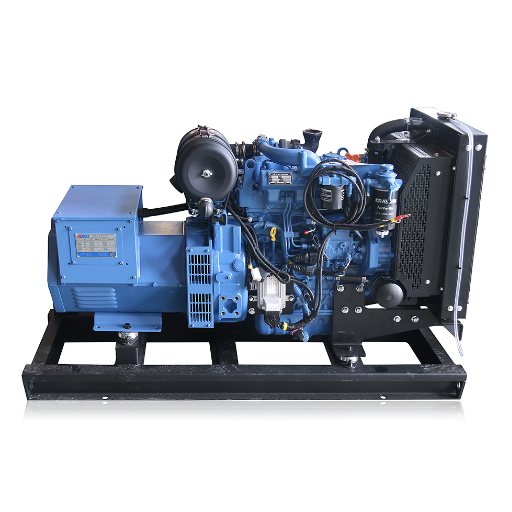
Shandong ZC Power generates complete maintenance record documentation for every generator set. Every unit is supplied with comprehensive operation and maintenance manuals underlining the exact maintenance intervals, procedures, and requirements on your engine and alternator combination concerned.
In the case of our relevantly awesome eighty technical engineers, your maintenance people will be duly guided in practical technical procedures over the phone. For important applications, commissioning, and training at the site are available so that your team is well educated in proper maintenance operationality, specific to your site.
Global Parts Supply
ZC Power is a direct manufacturer with a facility of 300,000 square meters, it continuously maintains expansive parts inventory for all generator models. OEM replacement parts ensure that the customer is successful through fit and function, thus preserving warranty coverage and reliability.
Parts support for overseas customers is extended 24/7 with air freight as an urgent option. Our logistics team handles export documentation and customs clearance, paving the way to faster delivery time for any needed parts.
Maintenance Training Programs
ZC Power offers operator and maintenance training programs for customer facilities. Training covers daily inspections, routine maintenance procedures, troubleshooting common issues, and safe operation practices. Proper training reduces maintenance costs and extends generator lifespan.
Contact our engineering team to discuss training options for your maintenance staff or to request technical consultation on specific maintenance challenges.
Frequently Asked Questions
How often should a generator be serviced?
Annual oil changes and annual load bank tests are required for standby generators irrespective of the running hours. Prime power generators need oil changes every 250-500 running hours. Monthly exercise runs and visual inspections are required for all types of generators.
What is the maintenance cost of a diesel generator?
Annual maintenance costs for standby units range from $30 to $50, for small DIY models to about $4000 to $8000, for large indutrial models under maintenence contracts by professionals. Costs abound in oil, filters, coolant, and purchased manpower.
How do you maintain a standby generator?
Perform standby generators regular monthly exercises, quarterly changes of oil and the filters wherever hour meter components are available, yearly oil changes, yearly load bank tests, and regular battery maintenance. Document everything for code conformity.
What is included in generator maintenance?
Generator maintenance includes oil and filter changes, air and fuel filter replacement, coolant testing and replacement, battery maintenance, belt inspection, load bank testing, and control system verification.
How long do diesel generators last?
Properly maintained diesel generators last 20,000 to 30,000 hours over 20 to 25 years. Neglected generators often fail at 5,000 hours or less. Maintenance quality is the primary determinant of generator lifespan.
Can I service my own generator?
Routine maintenance including oil changes, filter replacement, and battery maintenance can be performed by qualified facility staff. Complex repairs and warranty work should be performed by certified technicians.
What happens if you do not maintain a generator?
Unmaintained generators experience premature engine wear, fuel system contamination, starting failures, and shortened lifespan. They may fail to start during emergencies, causing business disruption or safety hazards.
How often should you exercise a standby generator?
NFPA 110 requires monthly exercise for emergency generators. Many facilities benefit from weekly exercise runs of 30 minutes to ensure reliability and prevent wet stacking.
What is load bank testing for generators?
Load bank testing applies an artificial electrical load to verify the generator can deliver rated capacity. It is required annually for code compliance and prevents wet stacking by raising exhaust temperatures to burn off carbon deposits.
How often should generator oil be changed?
Change oil annually for standby generators regardless of hours. Change oil every 250 to 500 operating hours for prime power generators depending on conditions. Always follow manufacturer specifications for your specific engine.
What is wet stacking in diesel generators?
Wet stacking is the buildup of unburned fuel and carbon deposits in the exhaust system happening under light load. Adequate loading during annual load banking and running will prevent this condition.
What fuel maintenance do diesel generators need?
Diesel fuel requires water separator draining, fuel filter replacement, biocide treatment to prevent microbial growth, and periodic fuel polishing for generators with long-term fuel storage.
Conclusion
Generator maintenance is not elective; keeping your gensets in good shape is the difference between reliable backup power and a few costly hours of catastrophic failure when you need them the most. Evidence of this very fact presents itself at a facility in Texas with a loss of $45,000 and six hours of downtime. Your site does not need to learn and pay the same way.
The maintenance system in this booklet gives the entire explanation on the maintenance of diesel generators. Stick to the maintenance routine that is meant for your application. Plan on and bring about oil changes with competent filter replacements, constant battery maintenance, and yearly load bank testing so that to confirm capacity and avoid wet stacking. A comprehensive record is always retained, and documents for compliance with reference standards; these may include building codes or local code rules.
Preventive maintenance usually costs much less when compared to emergency repair or business interruption. A well-maintained generator can provide many years of reliable utility. On the other hand, no maintenance will cause the generator to fail large, hence expensive part/entirely.
Today, get in touch with ZC Power Systems for maintenance support, original equipment manufacturer (OEM) parts, or engineering consultation. Our engineers will help design a maintenance program specific to your generator and application. Request a quote for the parts, schedule training for maintenance personnel, or make an appointment for technical consultation with our engineers.
Your generator is an invaluable resource to the company, protecting its properties and possibly life as well. Show some care and maintenance to protect your generator.
Ready to invest in a commercial generator for your business in 2026? (Read Commercial Generator: Complete Buyer’s Guide 2026 [Sizing, Costs & Installation]) for expert buyer-focused tips on sizing, expenses and setup.