Generator Altitude Derating: Charts, Rules, and Worked Examples (2026)
Generator altitude derating follows a simple rule of thumb: a naturally aspirated diesel engine loses about 3.5% of its rated power per 1,000 feet of elevation, and a turbocharged engine loses roughly half that, about 1.5% per 1,000 feet. Derating starts at 500 to 1,000 feet above sea level, and high ambient temperature and humidity reduce output further.
That rule has an uncomfortable consequence for buyers. A 500 kW genset installed in Denver (5,280 ft) is really a 410 kW genset. A 500 kW unit at a 4,000 m Andean mining camp is closer to a 300 kW unit. If your sizing calculation stopped at sea-level nameplate ratings, your site is underpowered before the machine even arrives.
At our factory in Jining, we build and test high-altitude gensets for mining, telecom, and infrastructure projects across South America, Africa, and Central Asia. This guide gives you the working tools we use: derating charts for both engine types, the temperature and humidity compounding factors, the alternator derating most guides skip, and step-by-step worked examples you can copy for your own site.
Key Takeaways
- Naturally aspirated engines lose ~3.5% of rated power per 1,000 ft of altitude; turbocharged engines lose ~1.5% per 1,000 ft. Derating begins at 500 to 1,000 ft above sea level.
- Temperature compounds the loss: add roughly 1% per 10°F above 85°F (25 to 30°C). Combined factors multiply, they do not add.
- The alternator derates too, about 3% per 500 m above 1,000 m, because thin air cools the windings less effectively.
- Manufacturer derating curves always override generic rules of thumb. Get written confirmation of output at YOUR site elevation before you sign.
- High-altitude builds (turbocharged engines, altitude calibration, upgraded filtration) recover much of the lost capacity and are standard practice for mining and telecom sites.
Why Generators Lose Power at Altitude
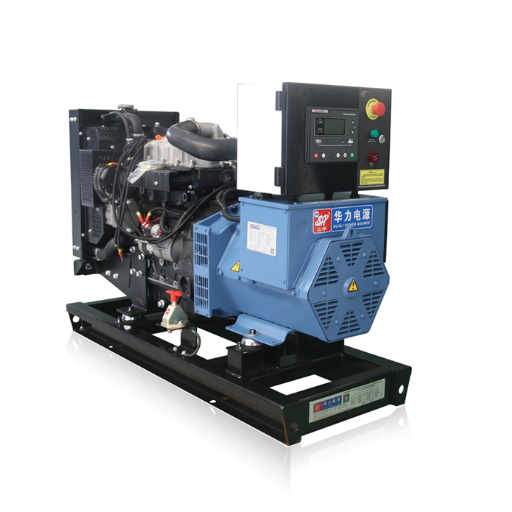
A diesel engine is an air-breathing machine. Power output depends on the mass of oxygen drawn into the cylinders each combustion cycle. As altitude increases, atmospheric pressure and air density fall, so each intake stroke carries less oxygen. To keep combustion clean and avoid the smoke limit, the engine’s fuel system must reduce fuel delivery, and less fuel means less power.
This is why generator power loss at altitude is not a defect or a tuning problem. It is physics, and every engine on the market obeys it. The ISO 8528 rating standard itself defines reference conditions of 25°C, 100 kPa atmospheric pressure, and 30% relative humidity. Anything hotter, higher, or more humid than that, and your genset delivers less than its nameplate.
When Miguel, a project contractor, commissioned two sea-level-spec 500 kVA gensets at a copper camp at 4,200 m in the Peruvian Andes in 2024, the math caught up with him on day one. His calculated site load was 320 kW, comfortably under the 400 kW each unit should deliver. At 4,200 m, each naturally aspirated unit could only sustain about 260 kW. Both engines ran at their smoke limit, exhaust temperatures climbed, and the camp faced a choice between load shedding and emergency repowering. The replacement turbocharged, altitude-calibrated units carried the load at 70% capacity, exactly where they should run.
Generator Altitude Derating Chart: NA vs Turbocharged
The table below shows approximate available power as a percentage of sea-level rating at 25°C ambient, for both engine types:
| Altitude | Naturally Aspirated | Turbocharged |
|---|---|---|
| Sea level | 100% | 100% |
| 1,000 ft (305 m) | 97% | 99% |
| 2,000 ft (610 m) | 93% | 97% |
| 3,000 ft (914 m) | 90% | 96% |
| 4,000 ft (1,219 m) | 86% | 94% |
| 5,000 ft (1,524 m) | 83% | 93% |
| 7,500 ft (2,286 m) | 74% | 89% |
| 10,000 ft (3,048 m) | 65% | 85% |
| 13,000 ft (3,962 m) | 55% | 80% |
Two cautions when using any generator derating chart. First, turbocharged figures assume the engine is operating below its critical altitude; above that point the turbo can no longer compensate and output falls faster. Second, these are planning numbers. As engine manufacturers like Yanmar note in their high-elevation guidance, the turbocharged advantage is real but model-specific. Always request the manufacturer’s derating curve for your exact engine before finalizing a specification.
Read the table as a purchasing decision, not just trivia. The turbocharged vs naturally aspirated altitude gap widens with every thousand feet: at 10,000 ft the naturally aspirated unit has surrendered a third of its output, while the turbocharged unit has given up an eighth. Above about 1,500 m, specifying anything but a turbocharged engine means paying for nameplate capacity you can never use.
Generator Temperature Derating: How Heat Compounds the Loss
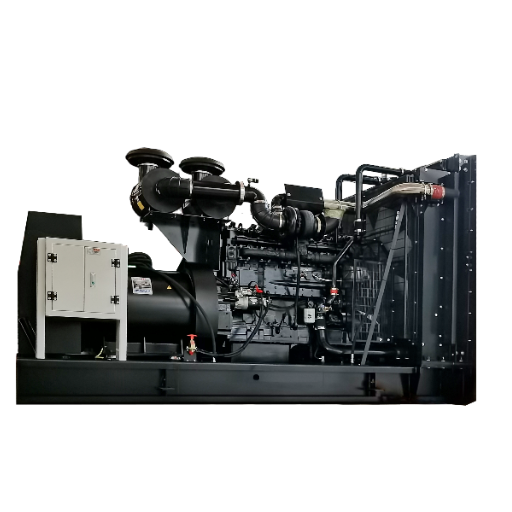
Altitude rarely acts alone. The standard companion factor is ambient temperature: expect roughly 1% additional loss per 10°F above 85°F (about 1.8% per 10°C above 30°C). High humidity adds a smaller further reduction, because water vapor displaces oxygen in the intake charge.
These factors combine multiplicatively, not additively. A site at 5,000 ft with a turbocharged engine (93% available) and a 105°F afternoon (98% available) does not lose 9%. It delivers 0.93 x 0.98 = 91% of nameplate. The distinction matters at extreme sites, where stacking three or four factors as a simple sum can leave you 5 to 8% short.
This compounding is what trips up otherwise careful buyers. A telecom operator running tower sites in the Ethiopian highlands at 2,400 m sized his standby units correctly for altitude, then watched them overheat every January when 38°C afternoons pushed the combined derating past his margin. The fix was not a bigger engine; it was an honest combined calculation and a radiator specified for the real ambient.
The Alternator Derates Too
Nearly every generator altitude derating guide stops at the engine. The alternator has its own problem: it is air-cooled, and thin air removes less heat from the windings. The industry convention, reflected in the Caterpillar Electric Power Selection and Sizing Guide, is an alternator temperature-rise reduction of about 1% per 100 m above 1,000 m (roughly 3% per 500 m).
In practice this means the engine and alternator must be derated separately, and the genset’s real site capacity is whichever limit bites first. On naturally aspirated builds the engine almost always loses capacity faster. On turbocharged builds above 2,500 m, the alternator can become the limiting component, which is why high-altitude gensets are often fitted with oversized alternators.
Worked Examples: Generator Altitude Derating in Practice
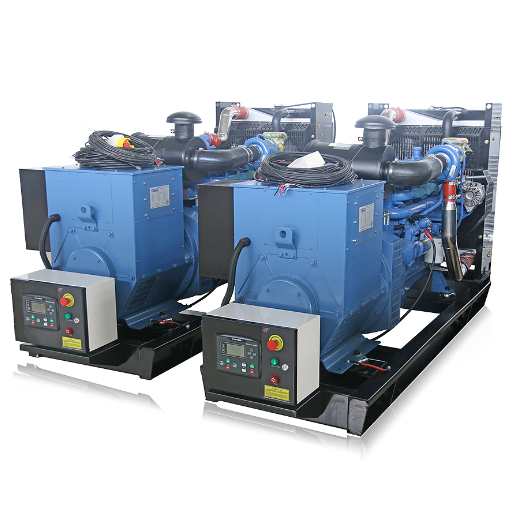
Rules of thumb are for orientation. Procurement decisions need arithmetic. Here are two complete examples using the factors above.
Example 1: Industrial Site at 5,500 ft, 40°C
A facility at 1,676 m (5,500 ft) with summer ambient of 40°C (104°F) needs 400 kW of real power at site conditions, using a turbocharged prime-rated genset.
- Altitude factor at 5,500 ft (turbo): ≈ 0.92
- Temperature factor at 104°F (about 2% above threshold): ≈ 0.98
- Combined available fraction: 0.92 x 0.98 ≈ 0.90
- Required nameplate: 400 kW / 0.90 ≈ 444 kW
- At 0.8 power factor: 444 / 0.8 ≈ 555 kVA
- Selection: a 625 kVA (500 kW) prime-rated turbocharged genset, which preserves a healthy operating margin and keeps the unit in its efficient load band
For the base sizing steps this example builds on (load audit, motor starting surge, growth margin), start with our generator sizing methodology. Skipping the environmental step entirely is one of the most expensive entries in our generator sizing mistakes field list.
Example 2: Mining Camp at 4,000 m, 50°C
A mining camp at 4,000 m needs 1,000 kW of continuous power, with daytime ambient reaching 50°C.
- Altitude factor at 4,000 m (turbocharged, high-altitude calibration): ≈ 0.86
- Temperature factor at 50°C: ≈ 0.99 with a correctly specified tropical radiator
- Combined: 0.86 x 0.99 ≈ 0.85
- Required nameplate: 1,000 kW / 0.85 ≈ 1,176 kW
- Selection: two 800 kVA (640 kW) units in parallel, or a single 1,500 kVA class unit, depending on redundancy requirements
Sites at this scale sit firmly in heavy duty diesel generator sizing territory, where paralleling, fuel logistics, and dust filtration become as important as the derating math itself. For a fast preliminary check on your own altitude scenario, our generator sizing calculator handles the basic arithmetic.
Specifying a High-Altitude Genset: Buyer’s Checklist
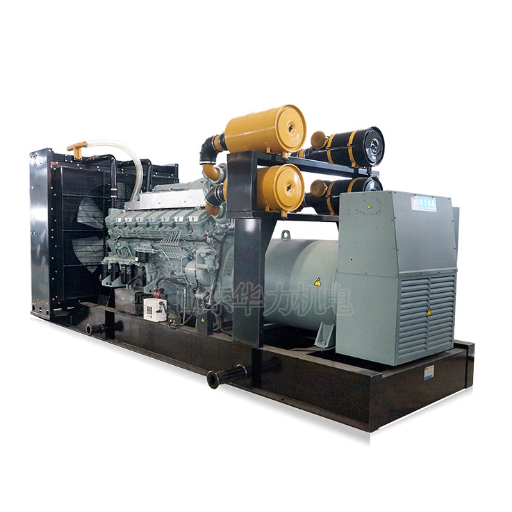
A high altitude diesel generator is not a standard unit with a bigger radiator. When you issue a specification or evaluate quotes for a site above 1,000 m, work through this list:
- Turbocharged engine, mandatory. The derating chart above shows why: at 3,000 m a naturally aspirated engine has lost 35% of its output while a turbocharged unit has lost about 15%.
- High-altitude calibration. Injection timing and fueling maps adjusted for thin air recover 5 to 10% of capacity and keep exhaust temperatures and smoke under control. Never let a supplier simply increase fuel delivery to compensate; that path ends in carboned injectors and glazed cylinders.
- Oversized alternator where the numbers call for it. Above 2,500 m, compare engine and alternator derating separately.
- Cooling specified for the real ambient. Radiator and fan sized for your site’s hottest afternoon, not the ISO reference 25°C.
- Air filtration for the environment. High-altitude mining sites usually mean dust; specify two-stage filtration with a cyclone pre-cleaner.
- Written output confirmation at your elevation. Reputable manufacturers state guaranteed output at your site’s altitude, temperature, and humidity in the quotation. If a supplier will not put that number in writing, they have not done the calculation. Note that derating interacts with rating class too: a unit that must run prime duty at altitude needs its standby vs prime ratings checked against site-adjusted output, not nameplate output.
For remote high-altitude sites, also consider the delivery format. Containerized builds protect the powertrain during transport over unpaved mountain roads and arrive with cooling, filtration, and ventilation engineered as one system, which is how we configure most mining and telecom units destined for sites above 2,500 m.
Frequently Asked Questions
How much power does a generator lose at altitude?
A naturally aspirated diesel generator loses about 3.5% of rated power per 1,000 feet of elevation gain. A turbocharged unit loses roughly half that, about 1.5% per 1,000 feet. At 5,000 feet, expect about 17% loss on a naturally aspirated engine and 7 to 8% on a turbocharged one, before temperature effects.
At what altitude do you need to derate a generator?
Derating typically begins at 500 to 1,000 feet (150 to 300 m) above sea level. Below that, the loss is small enough to sit inside normal engineering margins. Above 1,000 m, derating must be an explicit line in your sizing calculation.
Do turbocharged generators lose power at altitude?
Yes, but only about half as much as naturally aspirated units, because the turbocharger compresses the thin intake air and partially restores oxygen mass. The compensation holds up to the engine’s critical altitude; above that point, output falls faster. Above roughly 3,000 m, even turbocharged engines need altitude-specific calibration.
How do you calculate generator derating for altitude?
Multiply the nameplate rating by each derating factor: altitude factor times temperature factor times humidity factor. For example, a 500 kW turbocharged unit at 5,500 ft (0.92) and 104°F (0.98) delivers 500 x 0.92 x 0.98 ≈ 451 kW. To find the nameplate you need, divide your required site load by the combined factor.
What size generator do I need at 5,000 feet?
At 5,000 feet, a turbocharged genset delivers about 93% of nameplate at moderate temperatures, and a naturally aspirated unit about 83%. Divide your required load by 0.93 (turbo) or 0.83 (naturally aspirated), then apply temperature correction and your normal 20 to 25% sizing margin.
What is the derating factor for a generator at 5,000 feet?
Approximately 0.83 for a naturally aspirated engine and 0.93 for a turbocharged engine, at mild ambient temperature. In other words, a 100 kVA naturally aspirated genset behaves like an 83 kVA unit at 5,000 feet, while a turbocharged 100 kVA unit behaves like a 93 kVA unit. Apply the temperature factor on top for hot climates.
Does temperature affect generator output at altitude?
Yes, and the effects multiply. Expect about 1% additional loss per 10°F above 85°F. A genset at 5,000 ft on a 105°F day delivers roughly 91% of what it would at sea level and mild temperature, not the 93% the altitude table alone suggests.
Does the alternator derate at altitude too?
Yes. Alternators are air-cooled, and thin air cools windings less effectively. The standard convention reduces allowable temperature rise by about 1% per 100 m above 1,000 m. On turbocharged builds above 2,500 m, the alternator can become the limiting component before the engine does.
Can you modify a generator for high altitude?
Yes. Standard modifications include turbocharging (if not already fitted), high-altitude fuel system calibration, adjusted injection timing, upgraded cooling, and improved air filtration. These recover much of the lost capacity. Simply turning up fuel delivery is not a valid modification; it produces smoke, carbon buildup, and premature engine wear.
Why does a generator produce black smoke at high altitude?
Black smoke is unburned fuel. At altitude the cylinders receive less oxygen, but if the fuel system still delivers sea-level fueling, the mixture runs rich and combustion is incomplete. It is the clearest visible sign that an engine needs altitude derating or recalibration, and running it this way accelerates injector and cylinder damage.
Generator Altitude Derating: Size for Your Site, Not Sea Level
Generator altitude derating is predictable, which means it is preventable. Remember the core numbers: 3.5% per 1,000 ft naturally aspirated, 1.5% per 1,000 ft turbocharged, starting at 500 to 1,000 ft. Add temperature at roughly 1% per 10°F above 85°F, multiply the factors together, and check the alternator separately above 2,500 m. Then specify turbocharged, altitude-calibrated equipment with written output confirmation at your elevation.
The buyers who get this right are the ones whose sites never discover the problem. The ones who get it wrong meet it on commissioning day, at 4,000 m, with a load the new machine cannot carry.
Get a verified altitude sizing calculation from ZC Power. Send our engineering team your site elevation, temperature range, and load list. We will return the complete generator altitude derating arithmetic, a turbocharged high-altitude build specification from our 8 kVA to 4,000 kVA range, and guaranteed output at your site conditions, in writing, before you commit to anything.