Commercial Generator Price: Complete 2026 Cost Guide by Size, Fuel & Brand
Commercial generators cost between 300 and 300 and 450 per kW for equipment only, and 675 to 675 to 1,000 per kW when fully installed. A 500 kW unit can range from 150,000 to 150,000 to 240,000, depending on the brand, fuel type, and whether you buy factory-direct or through a dealer network.
What if the quote you received covers only half your actual project cost? Most buyers focus on the equipment sticker price and get blindsided by installation, fuel infrastructure, and code compliance expenses that can equal or even exceed the generator itself. At Shandong ZC Power CO., LTD. (ZC Power), our engineers have delivered factory-direct gensets to over 50 countries. We have seen procurement teams underestimate total project budgets by 40% or more because they relied on unit-only commercial generator price quotes from dealer brochures.
In this guide, we provide exact cost-per-kW benchmarks by size class, a side-by-side brand premium analysis, and real total project budgets so you can plan accurately. Whether you are sourcing a 50 kW backup unit for a small business or a 2 MW prime power installation for an industrial facility, this commercial generator price breakdown is written from a manufacturer’s perspective, not a middleman’s markup.
Key Takeaways
- Commercial generator equipment costs 300−300−450 per kW, while total installed cost runs 675−675−1,000 per kW.
- Cost-per-kW drops significantly as size increases; a 20 kW unit costs far more per kW than a 1 MW unit.
- Diesel, natural gas, and propane differ by up to 30-60% in 10-year total cost of ownership depending on local fuel prices.
- Factory-direct pricing eliminates the 15-40% dealer markup typical of domestic distributor networks.
- Installation, permits, and electrical integration often add 50-100% on top of equipment cost.
Commercial Generator Price Overview
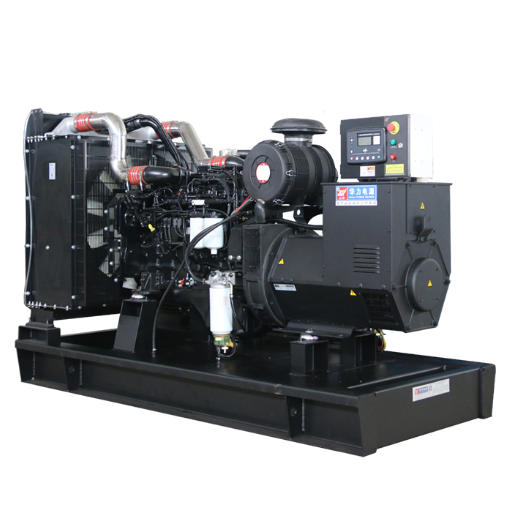
The commercial generator price landscape follows a simple rule that surprises most first-time buyers: the cost-per-kW decreases as the unit gets larger. A 20 kW commercial generator might cost 22,000to22,000to26,000, which works out to over 1,000perkW.A1,000kWindustrialgeneratorfromthesamemanufacturermightcost1,000perkW.A1,000kWindustrialgeneratorfromthesamemanufacturermightcost250,000 to 300,000,orroughly300,000,or roughly 250 to $300 per kW. This economy of scale exists because the control systems, alternators, and enclosures share fixed engineering costs regardless of engine size.
For budgeting purposes, two numbers matter most. First, the equipment-only price, which typically falls between 300 and 300 and 450 per kW for units in the 100 kW to 2 MW range. Second, the fully installed price, which industry benchmarks place at 675to675to1,000 per kW. The gap between those two numbers represents electrical contractors, concrete pads, fuel tanks, automatic transfer switches, permits, and engineering reviews.
Why does installation cost so much? Commercial gensets are not plug-and-play appliances. A 500 kW diesel generator can weigh over 10,000 pounds and requires a certified concrete foundation. The electrical integration alone, including ATS installation, load bank testing, and utility coordination, often runs 25,000to25,000to50,000 on top of the equipment. Fuel infrastructure adds another layer. A diesel unit needs a bulk storage tank with leak detection. A natural gas unit needs a pipeline pressure evaluation and possibly a service upgrade from the local utility.
When bud geting for a commercial generator installation, always use the 50-100% rule. If your equipment quote is 100,000, plan for 100,000, plan for $150,000 to $200,000 in total project cost. This rule holds across North American, European, and Middle Eastern markets, though labor rates and permitting complexity vary by region.For a deeper look at how emissions tier, enclosure type, and controls modifiers shift the $300-$450/kW baseline, see our guide to commercial generator cost per kW. For a broader look at stationary generator economics, see our guide to stationary generator cost.
Generator Price by Size Class
Sizing a commercial generator correctly is the first step to accurate budgeting. Below is a breakdown of commercial generator price ranges by size class, based on 2026 market data for new, Tier 4 Final or equivalent emission-compliant equipment.
Small Commercial (20-99 kW)
Small commercial units serve retail stores, small medical clinics, restaurants, and office buildings. Equipment prices range from 22,000to22,000to52,000. At the low end, a 20 kW natural gas standby unit for a small retail location costs approximately 22,000to22,000to26,000. At the high end, a 99 kW diesel unit with a weatherproof enclosure and ATS runs 45,000to45,000to52,000.
Installed prices for this class range from 45,000 to 45,000 to 110,000. Installation costs are proportionally high for small units because the fixed costs of electrical integration, permitting, and concrete work do not shrink with generator size. For budget-focused options, tax incentives, and load sizing basics tailored to small businesses, see our small business generator cost guide.
For budget-focused options, tax incentives, and load sizing basics tailored to small businesses, see our small business generator cost guide.
| Size Class | Equipment Price | Installed Price | Cost per kW (Equipment) |
|---|---|---|---|
| 20-50 kW | 22,000−22,000−35,000 | 45,000−45,000−70,000 | 600−600−1,100 |
| 51-99 kW | 35,000−35,000−52,000 | 70,000−70,000−110,000 | 450−450−680 |
Medium Commercial (100-500 kW)
This is the most common size range for manufacturing plants, data centers, hotels, and mid-size healthcare facilities. Equipment prices range from 55,000to55,000to240,000.
A 150 kW diesel generator with a sound-attenuated canopy typically costs $70,000 to $90,000. For exact 100 kW pricing by brand and fuel type, see our dedicated 100 kW generator price guide. A 500 kW unit, which is the threshold where many facilities transition from commercial to industrial classification, ranges from $150,000 to $240,000 depending on the engine brand and emission tier. For a detailed 500 kW equipment and installation cost breakdown, see our 500 kW generator price guide.
Installed prices for medium commercial units range from 120,000 to 120,000 to 450,000. At this size, fuel infrastructure becomes a major variable. A 500 kW diesel installation with a sub-base tank and day tank might add 15,000to15,000to25,000 in fuel system costs alone.
| Size Class | Equipment Price | Installed Price | Cost per kW (Equipment) |
|---|---|---|---|
| 100-200 kW | 55,000−55,000−110,000 | 120,000−120,000−220,000 | 350−350−550 |
| 250-500 kW | 120,000−120,000−240,000 | 220,000−220,000−450,000 | 300−300−480 |
Large Commercial / Industrial (600 kW – 2 MW)
Large commercial and light industrial generators serve hospitals, universities, water treatment plants, and heavy manufacturing. Equipment prices range from 250,000to250,000to750,000.
A 1,000 kW (1 MW) unit costs approximately 250,000to250,000to400,000 for a standard open-type configuration. Add 30,000to30,000to60,000 for a sound-attenuated enclosure suitable for urban environments. A 2 MW unit for heavy industrial prime power ranges from 500,000to500,000to750,000.
Installed prices for this class range from 500,000to500,000to1,500,000. These installations almost always require custom engineering, site-specific acoustical studies, and complex switchgear integration.
| Size Class | Equipment Price | Installed Price | Cost per kW (Equipment) |
|---|---|---|---|
| 600-1,000 kW | 250,000−250,000−400,000 | 500,000−500,000−800,000 | 250−250−400 |
| 1,500-2,000 kW | 500,000−500,000−750,000 | 900,000−900,000−1,500,000 | 250−250−375 |
Megawatt-Class (2.5 MW+)
Megawatt-class generators are custom-engineered systems for utility peak shaving, large industrial campuses, and mission-critical data centers. Equipment prices start around 900,000andcanexceed900,000andcanexceed2,500,000 for 4 MW containerized parallel systems.
These projects are rarely priced per kW because each installation is unique. Containerized solutions, custom switchgear, and remote monitoring systems dominate the cost structure. Total installed costs including engineering, site preparation, and commissioning, can reach 1,500to1,500to2,000 per kW.
For a deeper dive into 500 kW pricing specifically, see our dedicated guide to industrial stationary generator 500 kW configurations. If you need help determining the right size for your facility, our generator sizing calculator guide walks through the load calculation process.
Diesel vs Natural Gas vs Propane Generator Prices
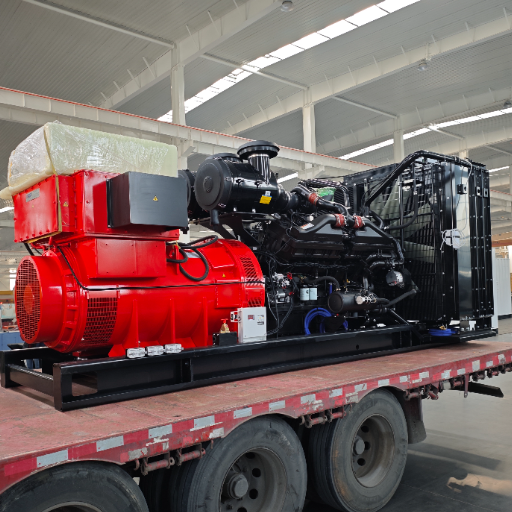
Fuel type is the single biggest variable in commercial generator cost after size class. The equipment price, fuel infrastructure, and long-term operating cost all shift dramatically depending on whether you choose diesel, natural gas, or propane. For a detailed technical comparison, see our article on diesel vs natural gas generators.For diesel-specific pricing from 20 kW to 2 MW, including Tier 4 emissions premiums and enclosure options, see our diesel generator price guide. For natural gas equipment quotes and pipeline infrastructure costs, see our natural gas generator price comparison.
Equipment Cost by Fuel Type
Diesel generators carry the lowest upfront equipment cost per kW for standby applications. A 500 kW diesel unit costs roughly 10-15% less than a comparable natural gas unit. Natural gas engines use spark-ignition systems and hardened valves that add material cost. Propane units fall between the two, often priced 5-10% above diesel for equivalent power ratings.
However, diesel requires emissions aftertreatment for modern Tier 4 Final compliance. Selective Catalytic Reduction (SCR) systems and Diesel Particulate Filters (DPF) can add 15,000to15,000to40,000 to large diesel units, narrowing the gap with natural gas equipment.
Infrastructure Cost Differences
Diesel requires on-site fuel storage. A 1,000-gallon sub-base tank adds 8,000to8,000to15,000. A bulk storage tank with leak detection and secondary containment adds 20,000to20,000to40,000. You also need fuel polishing systems and periodic testing to prevent contamination.
Natural gas uses pipeline infrastructure, which eliminates storage tanks but may require a service upgrade from your local utility. A gas meter upgrade and pressure regulator installation can cost 5,000to5,000to15,000, but in some cases the utility covers these costs for commercial accounts.
Propane requires a bulk storage tank similar to diesel, but propane tanks can be leased rather than purchased. A 1,000-gallon propane tank lease runs 200to200to400 per year, while purchase costs 2,000to2,000to4,000.
10-Year Total Cost of Ownership
Fuel cost determines the winner over a decade of operation. Natural gas in pipeline-connected markets is typically 30-60% cheaper per kWh than diesel. For a 500 kW generator running 500 hours per year at 75% load, that differential can save 50,000to50,000to100,000 annually.
Propane falls between diesel and natural gas on fuel cost, but with higher volatility. In remote locations without pipeline access, propane often beats diesel because of cleaner combustion and longer storage stability.
Diesel wins on equipment cost and fuel availability in remote locations. Natural gas wins on long-term TCO in urban and suburban settings with pipeline access. Propane wins where emissions regulations favor clean-burning fuels but natural gas pipelines are unavailable.
When Carlos Mendez planned a backup power system for his food processing plant in Guadalajara, he assumed diesel was the cheapest option based on equipment quotes alone. After factoring in the bulk fuel tank, quarterly fuel testing, and higher local diesel prices, his 10-year TCO analysis showed natural gas would save 340,000overthelifeoftheunit,eventhoughthegas−firedgeneratorcost340,000overthelifeoftheunit,eventhoughthegas−firedgeneratorcost18,000 more upfront. His procurement team switched specifications mid-process, a decision that only worked because they had budgeted for total project cost, not just sticker price.
Commercial Generator Brand Price Comparison
Brand selection creates significant price dispersion at any given kW rating. The premium you pay for a nameplate affects not just equipment cost, but parts availability, service network density, and resale value.
Generac (Value Tier)
Generac dominates the small-to-medium commercial market, particularly in the 20 kW to 500 kW range. Their Guardian and QuietConnect series offer competitive pricing and a strong North American service network. A 500 kW Generac commercial unit typically costs 140,000to140,000to170,000. Generac is ideal for buyers who prioritize local service support and fast parts availability over customization.
Cummins (Mid-Premium)
Cummins occupies the middle-to-upper tier with a reputation for reliability and a global parts network. Their commercial range, from the QuietConnect series to the larger DQCA models, costs roughly 15-25% more than Generac at equivalent ratings. A 500 kW Cummins unit runs 170,000to170,000to210,000. Cummins appeals to facility managers who need proven uptime records and extensive distributor support.
Kohler (Premium)
Kohler commands a premium for build quality and low harmonic distortion, making them popular in data center and healthcare applications. A 500 kW Kohler unit costs 200,000to200,000to250,000. Their controllers and alternators are engineered for sensitive electronic loads, which justifies the price premium for facilities where voltage stability is critical.
Caterpillar (Ultra-Premium)
Caterpillar sits at the top of the pricing pyramid, particularly for megawatt-class industrial applications. A 1 MW Cat unit can cost 450,000to450,000to600,000. The premium buys extreme durability, a global dealer network, and strong residual value. For mining, oil and gas, and heavy industrial prime power, Caterpillar is often the default choice despite the cost.
ZC Power Factory-Direct (Value-Industrial)
As a source manufacturer with a 300,000-square-meter facility, ZC Power delivers industrial-grade gensets at factory-direct pricing. A 1 MW diesel generator from ZC Power, equipped with a Cummins or Perkins engine, Stamford alternator, and Deep Sea Electronics controller, typically costs 125,000to125,000to180,000, depending on configuration. That is 30-50% below Caterpillar and 20-30% below domestic distributor pricing for comparable specifications.
The trade-off is customization agility versus local dealer density. ZC Power builds to exact voltage, frequency, and environmental specifications, but buyers coordinate installation through their own electrical contractors or ZC Power’s global engineering support team.
| Brand | 1 MW Equipment Price | Cost per kW | Positioning |
|---|---|---|---|
| ZC Power (Factory-Direct) | 125,000−125,000−180,000 | 125−125−180 | Value-Industrial / Custom OEM |
| Generac | 250,000−250,000−320,000 | 250−250−320 | Value Commercial |
| Cummins | 300,000−300,000−380,000 | 300−300−380 | Mid-Premium / Global Support |
| Kohler | 350,000−350,000−420,000 | 350−350−420 | Premium / Sensitive Loads |
| Caterpillar | 450,000−450,000−600,000 | 450−450−600 | Ultra-Premium / Heavy Industrial |
For side-by-side brand pricing across all kW classes, dealer markup analysis, and service network comparisons, see our generator brand comparison price guide. Understanding how brand tier affects commercial generator price is essential before requesting quotes.
Installation Costs and Site Work
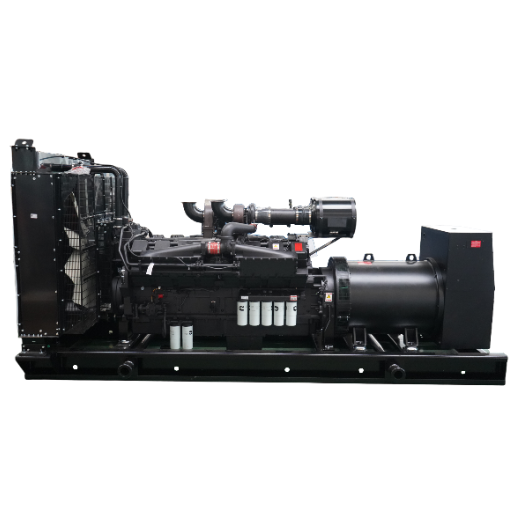
Installation is where budget surprises happen. Industry data consistently shows that installation, site work, and soft costs add 50-100% to equipment price. Understanding each line item prevents the sticker shock that derails projects.
Electrical Integration (5,000−5,000−25,000+)
Connecting a commercial generator to your facility’s electrical system requires a licensed contractor. Costs depend on amperage, distance from the main switchgear, and whether the facility uses low-voltage or medium-voltage distribution. A 200 kW unit integrated into a simple 480V switchgear might cost 8,000to8,000to15,000. A 1 MW unit with paralleling switchgear and medium-voltage transformers can exceed $100,000.
Automatic Transfer Switch (2,000−2,000−15,000)
The ATS is the brain of your backup power system. It monitors utility power and automatically transfers the load to generator power when an outage occurs. Small commercial ATS units cost 2,000to2,000to4,000. Large industrial ATS and paralleling controls run 10,000to10,000to15,000 or more.
Concrete Pad and Enclosure (2,500−2,500−5,000+)
A commercial generator needs a level, load-bearing foundation. A standard concrete pad for a 200 kW unit costs 2,500to2,500to4,000. Larger units require reinforced pads with vibration isolation, which can reach 10,000to10,000to20,000. If your unit is outdoors, add the cost of a weatherproof or sound-attenuated enclosure, which ranges from 5,000forabasicsteelshellto5,000forabasicsteelshellto60,000 for a hospital-grade acoustic enclosure.
Fuel Infrastructure (3,000−3,000−10,000+)
Diesel fuel systems include day tanks, sub-base tanks, bulk storage, fuel lines, and leak detection. Natural gas requires pipeline pressure evaluation, regulator stations, and possibly utility-owned meter upgrades. Propane needs bulk tank installation with vaporizers for cold climates. Fuel infrastructure for a 500 kW unit typically costs 10,000to10,000to25,000 depending on the fuel type and local regulations.
Permits and Engineering (15-20% of Equipment)
Permitting costs vary dramatically by jurisdiction. A simple electrical permit for a small commercial installation might cost 500. A full environmental impact review, noise study,andairqualitypermitforanindustrialdieselinstallationcancost500.Afullenvironmentalimpactreview,noisestudy,andairqualitypermitforanindustrialdieselinstallationcancost20,000 to $50,000. Engineering review and PE stamping typically add another 5-10% on top of permit fees.
For a detailed breakdown of every installation line item by project size, see our guide to commercial generator installation cost.
New vs Used Commercial Generator Pricing
The used commercial generator market offers significant savings, but the pricing follows depreciation curves that most buyers do not understand. Used equipment is not simply “new price minus age.” Runtime hours, maintenance history, and component obsolescence matter more than calendar age.
Depreciation Curves
A new commercial generator loses 20-30% of its value the moment it is first started. By year five, with under 500 annual runtime hours, a well-maintained unit retains 60-70% of its new price. By year ten, that drops to 40-50%. High-hour units, those with over 2,000 runtime hours, depreciate faster, often falling to 30-40% of new price by year five.
Certified Pre-Owned Benchmarks
Reputable dealers offer certified pre-owned generators that have been load bank tested, had fluids and filters changed, and carry a limited warranty. Expect to pay 50-60% of new price for a 3- to 5-year-old certified unit, and 35-45% for a 7- to 10-year-old unit.
Red Flags When Buying Used
Be cautious of units with unknown hour meters, non-OEM controllers, or engines that have been rebuilt with aftermarket parts. Ask for maintenance logs and load bank test results. Avoid units that have been idle for years without preservation. Diesel engines, in particular, suffer from fuel degradation, seal drying, and coolant contamination when left stationary for long periods.
When Used Makes Sense
Used generators are a smart choice for temporary construction power, budget-constrained startups, and facilities with low criticality. New generators are safer for hospitals, data centers, and any application where downtime carries catastrophic cost. If you are considering a used unit, factor in the cost of a professional inspection, shipping, and potential rebuild. These hidden costs often erase 10-20% of the apparent savings. For a deeper look at depreciation curves, hour-meter verification, and certified pre-owned benchmarks, read our guide on used commercial generator price.
Generator Financing: Lease vs Buy
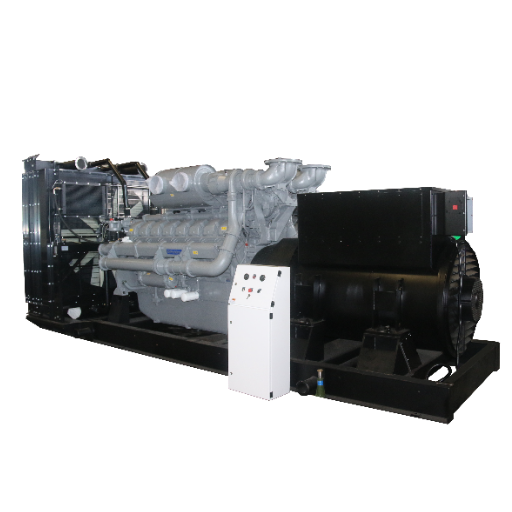
Capital expenditure for a commercial generator can strain budgets, but several financing structures spread the cost over time while preserving cash flow.
Equipment Financing Agreement (EFA)
An EFA functions like a loan. You make monthly payments over 3 to 7 years and own the generator outright at the end of the term. EFAs typically require 10-20% down and carry interest rates between 6% and 12% depending on credit quality. For a 200,000generator,monthlypaymentsmightrun200,000generator,monthlypaymentsmightrun3,500 to $4,500 over five years.
Capital Lease ($1 Buyout)
A capital lease is structured for ownership. You make monthly payments and purchase the equipment for 1attheendoftheterm.ThisoptionsuitsbuyerswhowanttoclaimdepreciationandSection179taxdeductions.The1attheendoftheterm.ThisoptionsuitsbuyerswhowanttoclaimdepreciationandSection179taxdeductions.The1 buyout lease treats the generator as an asset on your balance sheet.
Operating Lease (Fair Market Value)
An operating lease is essentially a rental. You make lower monthly payments and return the generator at the end of the term, or purchase it at fair market value. This preserves capital and keeps the liability off your balance sheet. Operating leases work well for short-term projects or facilities that may relocate.
Monthly Payment Estimates by kW Size
| kW Rating | Equipment Cost | 5-Year EFA Monthly | Operating Lease Monthly |
|---|---|---|---|
| 50 kW | $30,000 | 550−550−750 | 350−350−500 |
| 150 kW | $80,000 | 1,400−1,400−1,900 | 900−900−1,200 |
| 500 kW | $180,000 | 3,200−3,200−4,200 | 2,000−2,000−2,800 |
| 1,000 kW | $300,000 | 5,300−5,300−7,000 | 3,300−3,300−4,600 |
Section 179 Tax Deduction
In the United States, commercial generators qualify for Section 179 deduction, allowing businesses to deduct the full purchase price in the first year up to a limit of $1,160,000 (2026 limit). Bonus depreciation may also apply. Consult your tax advisor, but for many businesses, buying outright or using a capital lease delivers better after-tax economics than an operating lease.For a full comparison of financing structures, soft-cost bundling, and when each model makes sense for your project timeline, see our generator financing guide.
Factory-Direct vs Dealer Pricing
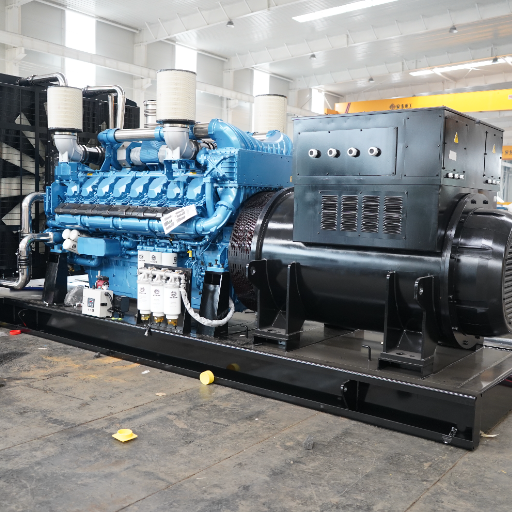
The distribution channel you choose can change your commercial generator price by 15-40% before you even select an engine brand. Understanding how dealer markup works, and how factory-direct pricing bypasses it, is critical for procurement teams managing tight capital budgets.
How Dealer Markup Adds 15-40%
Dealers and distributors purchase generators from manufacturers at wholesale pricing, then add markup to cover inventory carrying costs, local warehousing, sales staff, and service overhead. For commodity commercial units, markup tends toward the lower end, 15-20%. For custom industrial units and low-volume imports, markup can reach 30-40%.
Dealers provide value: local stock, immediate parts availability, and certified technicians. For buyers who need same-day service calls, that premium is justified. For international project contractors, mining operators, and facility managers with their own maintenance teams, the markup is often pure overhead.
What Factory-Direct Pricing Looks Like
Factory-direct pricing means you pay the manufacturer’s price plus shipping and import logistics. There is no domestic distributor layer. For export buyers, this translates to significant savings, particularly on large industrial units where the absolute dollar markup is substantial.
FOB vs CIF Pricing Structures
When buying factory-direct from overseas, understand your shipping terms. FOB (Free On Board) means the manufacturer loads the generator onto the vessel at the port of origin and your responsibility begins there. CIF (Cost, Insurance, and Freight) means the manufacturer handles shipping and insurance to your destination port. CIF adds cost but reduces logistics complexity for buyers without freight forwarding experience.
ZC Power’s No-Markup Positioning
As a source manufacturer established in 1999, ZC Power does not use a global dealer network. We sell directly to project contractors, facility managers, and distributors. This allows us to offer exact cost-per-kW transparency and customize every unit to your voltage, frequency, and environmental requirements without passing through a markup layer. Our 80+ technical engineers manage export logistics, installation guidance, and lifetime parts support directly.
For buyers comparing a domestic dealer quote against factory-direct pricing, the math is straightforward. Take the dealer’s equipment price, subtract 15-40%, and you are in the factory-direct ballpark. Then add shipping, import duties, and local installation to compare total project cost accurately.
Frequently Asked Questions
How much does a commercial generator cost per kW?
Commercial generator equipment typically costs 300to300to450 per kW for units between 100 kW and 2 MW. Small units under 50 kW cost more per kW, often 600to600to1,100, due to fixed manufacturing costs. Large industrial units above 1 MW can drop below $250 per kW at factory-direct pricing.
What is the total installed cost of a commercial generator?
Total installed cost ranges from 675 to 675 to 1,000 per kW. This includes the generator, automatic transfer switch, electrical integration, concrete pad, fuel infrastructure, permits, and engineering. For a 500 kW unit, expect a total project budget of 350,000to350,000to500,000.
Is a diesel or natural gas generator cheaper?
Diesel generators have lower upfront equipment costs, typically 10-15% less than natural gas. However, natural gas is 30-60% cheaper to operate over 10 years in pipeline-connected markets. For standby applications with low annual runtime, diesel wins on capital cost. For prime power or frequent outages, natural gas wins on total cost of ownership.
How much does installation cost for a commercial generator?
Installation costs 50-100% of equipment price. A 100,000generatortypicallyrequires100,000generatortypicallyrequires50,000 to $100,000 in additional spending for electrical work, ATS, concrete, fuel tanks, and permits. Complex installations in urban or regulated environments can exceed this range.
What is the difference between factory-direct and dealer pricing?
Factory-direct pricing bypasses the dealer markup of 15-40%. You purchase directly from the manufacturer and handle or contract your own installation and local service. Dealer pricing includes local inventory, immediate parts availability, and certified technician networks. Factory-direct is ideal for international buyers and facilities with in-house maintenance teams.
Should I buy a new or used commercial generator?
Buy new if your application is mission-critical, such as hospitals, data centers, or continuous industrial processes. Buy used for temporary power, low-criticality backup, or severe budget constraints. A 3- to 5-year-old certified pre-owned unit costs 50-60% of new price, but always verify runtime hours and maintenance history.
Conclusion
Commercial generator price is not a single number. It is a matrix of size class, fuel type, brand tier, installation complexity, and distribution channel. A 500 kW diesel generator can cost 150,000or150,000or240,000 at the dealer level. The same specification might cost 125,000factory−direct.Add125,000factory−direct.Add150,000 to $250,000 in installation and site work, and your total project cost spans a wide range that demands precise budgeting.
The buyers who avoid surprises follow three rules. First, they budget for installed cost, not equipment cost, using the 675−675−1,000 per kW benchmark. Second, they run a 10-year TCO analysis that includes fuel, maintenance, and infrastructure, not just the purchase price. Third, they get multiple quotes, including at least one factory-direct option, to understand exactly where dealer markup sits.
At Shandong ZC Power CO., LTD., we have manufactured industrial diesel generators since 1999. Our 300,000-square-meter facility and national-standard testing center ensure every unit delivers 100% rated power. Whether you need a 100 kW standby unit or a 2 MW prime power installation, our engineering team provides transparent, cost-per-kW pricing without middleman markups.