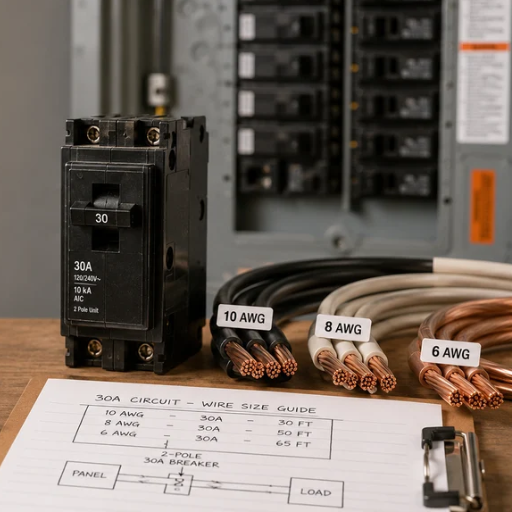
How Much Does a Stationary Generator Cost? 2026 Pricing Guide
The present market price to install a 22 kW whole-house stationary generator in California ranges between $17,000 and $26,000. The 1 MW industrial data center installation costs more than $500,000 because of its expensive requirements. The same basic technology shows a 20-fold price variation between different applications. Most people who search for stationary generator price information online will find only general price ranges or estimates which apply only to residential properties up to their driveways.
You already know that dealer quotes on prices show extreme differences while “it depends” serves as the answer which people will use most frequently. You require actual 2026 data divided by application and size and fuel type. The guide provides users with the needed information. The guide presents residential and commercial and industrial stationary generator expenses through pricing tables which show costs per kilowatt and details about installation expenses which will increase their costs.
Here is what you will learn:
- Exact 2026 stationary generator cost ranges for homes, commercial buildings, and industrial facilities
- Cost-per-kW benchmarks that help you sanity-check any quote
- How fuel type, brand tier, and code compliance drive final pricing
- The factory-direct savings opportunity that dealer-focused guides never mention
If you are new to permanently installed backup power, start with our complete guide to stationary generators for a foundation on types, fuels, and applications.
Stationary Generator Cost Overview [2026]
![Stationary Generator Cost Overview [2026]](https://zccpower.com/wp-content/uploads/2026/04/Stationary-Generator-Cost-Overview-2026.png)
The generator package includes all necessary components which encompass the generator unit and automatic transfer switch (ATS) and professional labor and concrete pad construction and fuel connections and permits and inspections. The generator unit occupies 40% to 60% space in residential projects but only 30% to 50% of commercial or industrial projects. The larger systems need more complex electrical integration plus dedicated fuel storage and noise-attenuated enclosures.
Cost-per-kW Benchmarks by Segment
The cost-per-kW rule serves as one of the most effective estimation methods. The generator unit costs 300 to 450 per kW for commercial buyers while the complete installed system costs 600 to 900 for every kW of capacity. Industrial projects that exceed 150 kW generally experience a decrease in unit costs to 250 to 400 per kW. However, the total expenses will return to commercial pricing when installation becomes more difficult.
Featured Snippet Table: Stationary Generator Cost by Application
| Application | Typical Size Range | Unit Cost | Total Installed Cost |
|---|---|---|---|
| Residential | 7–26+ kW | 2,500–2,500–9,000+ | 5,000–5,000–32,000 |
| Commercial | 20–150 kW | 6,000–6,000–67,500 | 12,000–12,000–135,000 |
| Industrial | 150 kW–1 MW+ | 50,000–50,000–300,000+ | 150,000–150,000–500,000+ |
For a deeper look at how sizing affects these numbers, read our complete guide to stationary generator sizing.
Residential Stationary Generator Costs
Homeowners researching residential generator cost in 2026 face three main size tiers. Each tier maps to a different home size, electrical load, and total installed budget.
Small Homes and Essential Circuits (7–14 kW)
The 7 to 14 kW stationary generator functions best for homes which cover an area of 2,000 square feet and for larger houses which require power backup for essential systems. The unit prices for this range go from 2500 to 2500 and reach up to 5500. The total cost of residential stationary generators including installation charges ranges from 5000 to 9000.
Medium to Large Homes (18–22 kW)
Most average-sized homes select generators with power ratings between 18 kW and 22 kW for their whole-house backup systems. The system provides sufficient power to operate central air conditioning systems together with electric water heaters and standard home appliances. The 22 kW Generac Guardian which dominates this market segment costs between 4500 and 7000 for its basic unit.
The total cost after installation will range between 9800 and 18500 across the United States. The overall cost for that particular installation rises between 17000 and 26000 in high-labor markets such as California and the Northeast according to contractor data from 2026.
Estate and Luxury Homes (26+ kW)
The 26 kW requirement applies to properties with multiple HVAC units and pool and workshop facilities and large estate properties. The starting price for units begins at 7000 but reaches 9000 for premium brands which include Kohler and Cummins. The complete installation expenses for residential generators in this category range between 19000 and 32000.
Residential Cost Breakdown by Component
| Component | 2026 Price Range |
|---|---|
| Generator unit | 2,500–2,500–9,000+ |
| Automatic transfer switch (ATS) | 500–500–2,500 |
| Professional labor | 1,500–1,500–7,000+ |
| Concrete pad / site prep | 500–500–1,500+ |
| Fuel line hookup (gas/propane) | 500–500–2,000+ |
| Permits and inspections | 200–200–500 |
| Electrical panel upgrade (if needed) | 1,000–1,000–3,000 |
Mini-Story: Homeowner David Chen received a quotation of 26000 dollars to install a 22 kW natural gas stationary generator at his San Jose property in March 2026. The same unit with identical specs was quoted at 26000 dollars for a 22 kW natural gas stationary generator which was installed at his San Jose property. The same unit with identical specs was quoted at 14500 dollars through a factory-direct channel with a licensed local installer. The difference? The total amount consists of 11500 dollars which includes dealer markup and regional distributor fees. David’s experience is not unusual. The exact same equipment operates with a 40 percent cost difference because both geographic labor rates and distribution layers affect residential stationary generator expenses.
For a comprehensive exploration of household load calculations, associated expenses, and proper installation methods for home standby systems, (see ourresidential stationary generator guide.)
Commercial Stationary Generator Costs
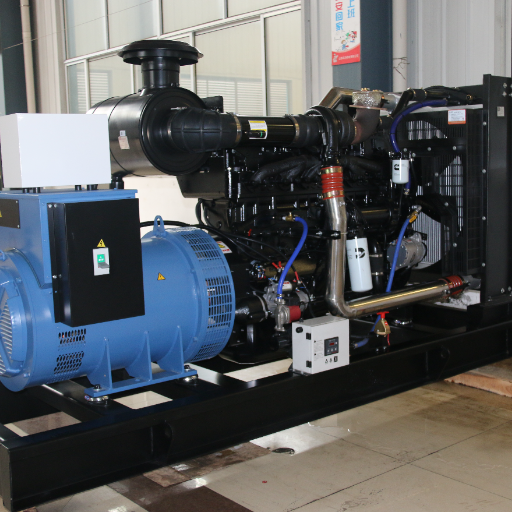
Commercial buyers should think in cost-per-kW rather than flat price tags. The commercial generator cost structure changes significantly based on whether you are protecting a small retail space or a mid-size manufacturing facility.
Cost-per-kW: 300–300–450 Unit, 600–600–900+ Installed
The installation costs for commercial stationary generators start at 300 to 450 per kW of generator capacity. The total installation costs become double the initial equipment cost because installation labor costs and ATS expenses and fuel plumbing costs and code compliance costs. The typical business needs to allocate a budget between 600 and 900+ for complete installation of their equipment.
Small Commercial (20–50 kW)
Restaurants, small retail stores, and office buildings often fall into the 20 to 50 kW range. The unit cost lands between 6,000and6,000and22,500. Total installed commercial generator cost typically ranges from 12,000to12,000to45,000 depending on fuel type and local labor rates.
Mid-Size Commercial (50–150 kW)
Warehouses and larger restaurants and light manufacturing facilities require power between 50 kW and 150 kW. The 150 kW Kohler unit operates at a price of approximately 53,000. Actual project costs in this range will start from 53,000 for complete installation which includes ATS and concrete pad and natural gas plumbing. The range of project costs will start from 90,000 and reach up to 135,000 for complete installation which includes ATS and concrete pad and natural gas plumbing.
Commercial Installation Complexity Factors
Three factors consistently push commercial projects toward the high end of the range:
- Fuel infrastructure. Natural gas stationary generators require gas line upgrades that can cost 5,000to5,000to15,000 in commercial buildings.
- Sound attenuation. Many municipalities require enclosures that keep noise below 65 dB at the property line. A sound-attenuated enclosure can add 5,000to5,000to20,000.
- Code-driven electrical work. NEC Article 700/701 compliance, grounding upgrades, and surge protection can add 3,000to3,000to10,000.
Mini-Story: Maria Gonzalez opened a 4,000-square-foot restaurant in Austin, Texas, in January 2026. She budgeted 25,000fora40kWcommercialstationarygenerator. Aftertheassessmentwascompletedthefinalcostestimationforasiesta38,500. The gap? The gap includesA required natural gas line extension (6,200)A sound−attenuated enclosure to meet city noise ordinances (6,200)A sound−attenuated enclosure to meet city noise ordinances (4,800)andA electrical panel upgrade to accommodate the ATS ($2,500). Maria’s story demonstrates that commercial stationary generator cost estimates need to include specific site requirements and infrastructure details beyond the equipment cost.
Industrial Stationary Generator Costs
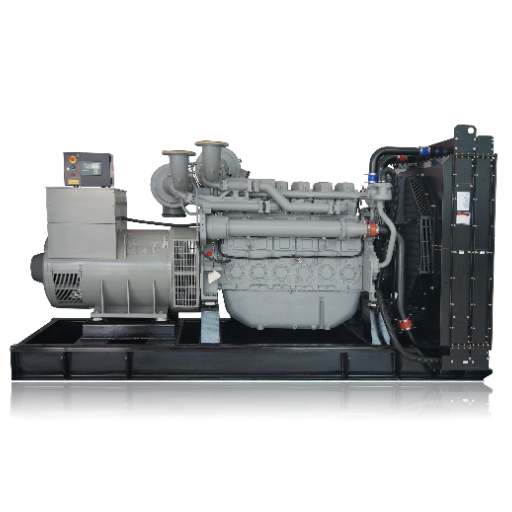
Industrial stationary generator cost is less about price-per-kW and more about total project scope. At 150 kW and above, fuel storage tanks, containerized enclosures, paralleling switchgear, and long-run ducting become major line items.
150 kW to 500 kW Projects
A 150 kW to 300 kW installation for a manufacturing plant or mid-size data center typically starts at 50,000andcanreach50,000andcanreach150,000 fully installed. A 500 kW unit, the sweet spot for many industrial applications, generally falls between 150,000and150,000and300,000 installed.
500 kW to 1 MW Projects
At the 500 kW to 1 MW level, the industrial generator cost rises steeply due to logistics and integration complexity. A 1 MW diesel installation with on-site fuel storage, sound attenuation, and paralleling capability commonly ranges from 300,000to300,000to500,000. Fuel consumption is another major operating consideration. A 1,000 kW diesel unit at 75% load consumes roughly 60 to 70 gallons per hour.
Above 1 MW and Paralleled Installations
For hyperscale data centers and heavy industrial sites, multiple paralleled 500 kW to 1 MW units are often preferred over a single massive block for redundancy reasons. While the total installed cost may exceed $1 million, the modular approach improves reliability and simplifies maintenance.
For a detailed technical breakdown of redundancy architectures, precise load sizing, and optimized fuel planning for mission-critical data center systems, (see our stationary generators for data centers guide.)
Industrial Cost Drivers: Fuel Storage, Enclosures, and ATS
Industrial projects face cost drivers that rarely appear in residential or commercial quotes:
- Bulk fuel tanks. A 72-hour or 96-hour runtime mandate can require a 10,000+ gallon diesel tank with spill containment, adding 30,000to30,000to80,000.
- Containerized enclosures. Weather-resistant, sound-attenuated 40-foot containers can add 40,000to40,000to100,000 depending on dB requirements.
- Paralleling switchgear. Synchronizing multiple generators requires sophisticated switchgear that can cost 50,000to50,000to150,000.
Mini-Story: In late 2025, a Michigan automotive parts manufacturer budgeted 180,000fora500kWindustrialstationarygenerator.TheprojectseemedstraightforwarduntiltheengineerdiscoveredthatNFPA110required96hoursofon−sitefuelstorageforthefacility′sLevel1classification.Thebulktank,containmentberm,andfuelpolishingsystemadded180,000fora500kWindustrialstationarygenerator.TheprojectseemedstraightforwarduntiltheengineerdiscoveredthatNFPA110required96hoursofon−sitefuelstorageforthefacility′sLevel1classification.Thebulktank,containmentberm,andfuelpolishingsystemadded72,000. Sound-attenuated enclosure requirements added another 48,000.Thefinalindustrialstationarygeneratorcostcameto48,000.Thefinalindustrialstationarygeneratorcostcameto310,000. The lesson: always verify fuel storage and enclosure requirements before locking in a capital budget.
What Drives Stationary Generator Cost?
Understanding the variables behind stationary generator cost helps you control the final number. Here are the five biggest drivers.
Generator Size and Power Rating
Size is the single largest cost driver. Every kW of capacity adds material, copper, and engine displacement. However, cost-per-kW generally improves as size increases. A 10 kW residential unit might cost 450to450to550 per kW, while a 1 MW industrial unit could drop to 250to250to350 per kW for the generator itself.
Fuel Type: Diesel, Natural Gas, Propane
Fuel type affects both unit cost and installation expense. Diesel units typically cost 10% to 20% more than comparable natural gas units at the residential level, but they offer faster load response and independence from utility pipelines. Natural gas stationary generators often have lower unit costs and cleaner emissions profiles, but they require gas line infrastructure. Propane systems fall between the two and are popular in rural areas without natural gas service.
For a deeper fuel comparison, see our natural gas stationary generator guide.
Brand Tier: Generac, Kohler, Cummins
Brand selection creates measurable cost deltas. Generac operates as the industry leader which establishes their typical pricing standard. Kohler and Cummins maintain a residential price advantage of 500 to 2,000 while their commercial and industrial products have a higher price advantage. The premium often buys quieter operation, more robust enclosures, and extended warranties.
Installation Requirements and Code Compliance
Codes are not optional, and they are not free. NFPA 37 (stationary combustion engines), NFPA 110 (emergency and standby power), and NEC Article 445/700/701 all impose requirements that translate directly into dollars:
- Concrete pads and vibration isolation: 500to500to5,000+
- Automatic transfer switches: 500to500to15,000+ depending on amperage
- Ventilation and exhaust ducting: 1,000to1,000to10,000+
- Permits and inspections: 200to200to2,000+
Read our detailed breakdown of these requirements in the stationary generator installation requirements guide.
Geographic Labor Rates and Site Conditions
The installation costs of a project in rural Texas will always be lower than those of an identical project in downtown Boston or San Francisco. The three factors which determine project costs include labor rates and permitting complexity and site access. Urban sites which have limited space will need to hire cranes whereas rural sites will have to pay additional travel expenses for their specialized electrical contractors.
Factory-Direct Pricing vs. Dealer Markups
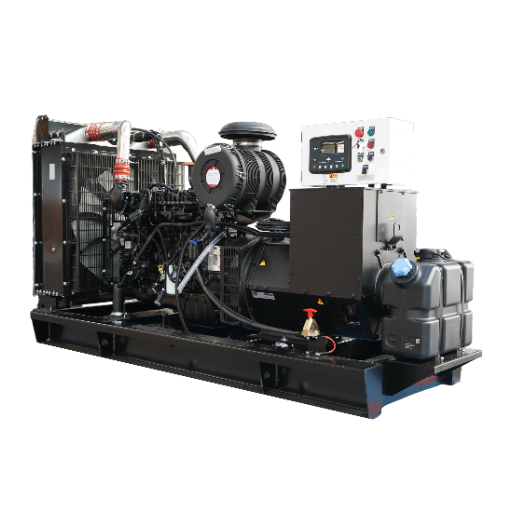
Most buyers encounter stationary generators through dealer networks that add 20% to 40% markup over manufacturer pricing. The dealer markup for a 20,000 residential installation project will increase costs between 4,000 to 8,000. The markup for a 300,000 industrial project can reach more than 75,000.
Typical Dealer Markup Ranges
- Residential: 20% to 35% above factory cost
- Commercial: 15% to 30% above factory cost
- Industrial: 10% to 25% above factory cost
How Factory-Direct Saves 15–30%
Factory-direct pricing removes the distributor from the sales process which enables buyers to receive lower prices. ZC Power operates a 300,000 square meter manufacturing facility that produces stationary generators which range in capacity from 8 kVA to 4,000 kVA through their direct project pricing system. International buyers and large domestic projects can achieve 15% to 30% cost savings on stationary generators through factory-direct purchasing while ISO9001 and CE and CCC certifications remain intact.
When Factory-Direct Makes Sense
Factory-direct is especially valuable for:
- Export projects that need custom voltage, frequency, or enclosure configurations
- Large commercial or industrial buyers purchasing multiple units
- Buyers with established local installation relationships who only need the equipment
How to Get an Accurate Stationary Generator Quote
The fastest way to avoid budget surprises is to prepare a clear scope before requesting quotes. Here are the three documents every buyer should have ready.
Load List and Site Assessment
Start with a detailed load list that includes every piece of equipment you want to protect, including starting surge requirements for motors. A professional site assessment will verify electrical panel capacity, available fuel sources, and physical space for the generator and ATS.
Fuel Type and Runtime Requirements
Decide on diesel, natural gas, or propane early in the process. Each fuel type affects both unit selection and installation scope. Also specify your required runtime. A 24-hour standby requirement is very different from a 96-hour hurricane preparedness mandate.
Code and Permitting Scope
Identify which codes apply to your facility. Hospitals need NFPA 99 compliance. Data centers may need Tier III/IV alignment. Commercial buildings fall under NEC Articles 700, 701, or 702. Knowing your code scope upfront prevents expensive change orders later.
Conclusion
The 2026 stationary generator cost for residential systems costs between 5000 and 32000 while commercial installations cost between 12000 and 135000 and industrial projects cost between 150000 and 500000 and above. The exact figure depends on size, fuel type, brand tier, and the code-driven installation requirements that many buyers overlook until the final quote arrives.
Your next step is simple. Use the cost-per-kW benchmarks in this guide to sanity-check any quote you receive. The next step requires you to confirm whether the project includes fuel storage and sound attenuation and electrical upgrades. The last step involves checking whether factory-direct pricing will decrease your total stationary generator expenses while maintaining product quality and certification standards.