Used Commercial Generator Price: 2026 Buyer’s Guide & Hidden Alternatives
A used commercial generator typically costs between 250and250and570 per kW, meaning a 500kW unit runs 55,000 to 55,000 to 95,000 and a 1000kW unit ranges from 140,000 to 140,000 to 270,000, depending on age, brand, and operating hours. Most buyers see 30% to 60% savings compared to new Tier 1 equipment. But those upfront savings often mask hidden risks that can erase the benefit within the first five years of operation.
In early 2024, Raj Patel, the procurement director at a medium-sized hospital in Nairobi, purchased a used 500kW Cummins diesel generator set for $72,000; at the time, the deal appeared absolutely flawless. The unit had logged only 3,200 operating hours and was acquired from a reputable dealer. However, sixteen months later—during a grid power outage—the generator’s alternator bearings failed. The cost of repairs amounted to a staggering $18,400. To make matters worse, because the control panel was an obsolete model that the manufacturer no longer supported, it took a full eleven weeks for the replacement parts to arrive. The supposed “cost-saving” advantage vanished completely, leaving the hospital’s critical systems entirely unprotected for nearly three months.
Raj’s story is not unusual. The commercial generator market is full of opportunities, but it is also full of traps that only become visible after the purchase. This guide breaks down real 2026 used commercial generator prices, reveals the hidden costs that most buyers overlook, and introduces a third option that many procurement managers have never considered.
Key Takeaways
- Used commercial generators cost 30% to 60% less than new, with a baseline of 250to250to570 per kW depending on condition and capacity.
- Operating hours under 5,000, complete maintenance records, and standby power history are the strongest predictors of a used unit’s remaining lifespan.
- The true cost of a used generator includes fuel efficiency penalties, higher maintenance, potential overhaul expenses, and zero warranty coverage.
- Factory-direct new generators from ISO-certified manufacturers can match or beat used Tier 1 prices while offering zero hours, full warranties, and customization.
- Always request a load bank test and professional inspection (2,000to2,000to4,000) before committing to a used genset purchase.
How Much Does a Used Commercial Generator Cost?
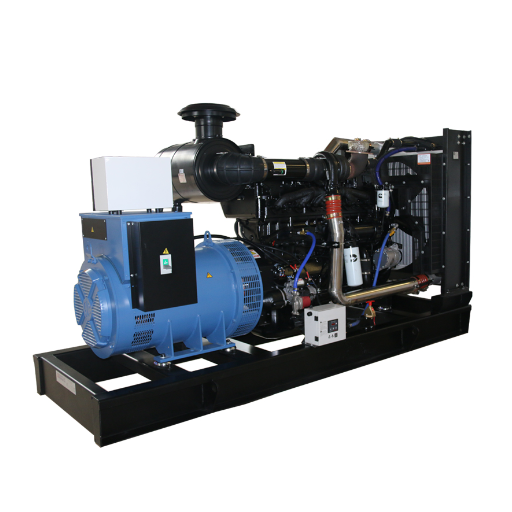
The commercial generator price landscape in 2026 follows a fairly predictable pattern based on capacity, age, and condition. Understanding these benchmarks is essential before entering negotiations with any dealer.
Pricing by Power Capacity
| Capacity | New Price Range | Typical Used Price Range |
|---|---|---|
| 20 to 50 kW (small retail/office) | 15,000to15,000to25,000 | 4,500to4,500to21,000 |
| 60 to 100 kW (restaurant, clinic) | 30,000to30,000to60,000 | 9,000to9,000to51,000 |
| 100 to 200 kW (mid-size factory) | 45,000to45,000to90,000 | 13,500to13,500to76,000 |
| 200 to 500 kW (hospital, data center) | 90,000to90,000to240,000 | 27,000to27,000to204,000 |
| 500+ kW (large industrial) | 175,000to175,000to750,000+ | 52,500to52,500to637,000+ |
Pricing by Age and Condition
| Age Range | Condition | Price vs. New | Best Application |
|---|---|---|---|
| 0 to 3 years | Excellent | 70% to 85% of new | Critical infrastructure, hospitals |
| 4 to 7 years | Good | 50% to 70% of new | General commercial and industrial |
| 8 to 12 years | Fair | 30% to 50% of new | Light-duty standby, secondary power |
| 12+ years | Variable | 20% to 40% of new | Parts machines, refurbishment projects |
Brand matters significantly. A used Caterpillar or Cummins unit commands a premium over lesser-known manufacturers because parts availability and dealer networks are stronger. For a detailed breakdown of what new equipment costs across the same capacity ranges, see our commercial generator pricing for new equipment.
7 Factors That Determine Used Generator Value
Not every used diesel generator at the same price point represents the same value. These seven factors separate a smart purchase from an expensive mistake.
1. Operating Hours
The hour meter is the single most important number on a used genset. Under 5,000 hours is widely considered the sweet spot for best value. A standby generator that ran only during monthly tests and occasional outages may have under 2,000 hours despite being eight years old. Conversely, a three-year-old prime power unit from a mining site may have 12,000 hours of heavy wear. Always verify that the hour meter has not been tampered with. Cross-reference the reading with any available service logs.
2. Maintenance Records
A well-documented service history is worth thousands of dollars in peace of mind. Complete records showing regular oil changes, filter replacements, coolant flushes, and load bank tests indicate an owner who treated the equipment as critical infrastructure. A unit with no paperwork, no matter how clean it looks, is a gamble.
3. Standby vs. Prime Power History
Standby generators run infrequently and at variable loads. They typically experience less wear than prime power units that operate continuously for months at a time. A 6,000-hour standby generator may have more remaining life than a 4,000-hour prime power unit. Ask the seller specifically how the genset was deployed.
4. Enclosure and Accessories
A sound-attenuated enclosure in good condition can cost 8,000to8,000to25,000 to replace. An automatic transfer switch (ATS) adds another 3,000to3,000to15,000 depending on amperage. If these components are included, factor their value into your offer. If they are missing, your total investment rises substantially. For a full analysis of installation and accessory costs, refer to our guide on commercial generator installation costs.
5. Emissions Tier Compliance
Older generators may meet Tier 2 or Tier 3 emissions standards, which are acceptable for emergency standby in many regions. However, if your application requires prime power or continuous duty, local regulations may mandate Tier 4 Final compliance. A cheap used Tier 2 unit becomes worthless if regulators prohibit its operation.
6. Technology Age
Pre-digital control panels from the early 2000s can be difficult to integrate with modern building management systems. Remote monitoring, auto-start sequencing, and parallel synchronization all require modern controllers. Retrofitting an older control panel can cost 5,000 to 5,000 to 12,000.
7. Geographic Location and Shipping
A 50,000usedgeneratorlocated3,000milesawaymaycost50,000usedgeneratorlocated3,000milesawaymaycost8,000 to $15,000 to transport, rig, and install. Always calculate landed cost, not just purchase price. International buyers face additional complexities: import duties, customs inspections, and the risk of damage during long ocean freight transits.
The Hidden Costs of Buying Used
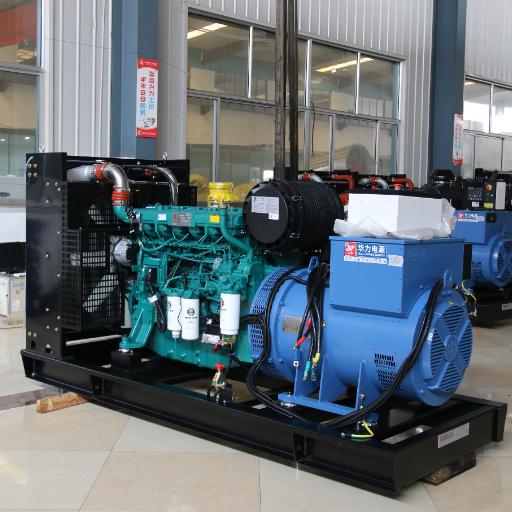
The sticker price on a used commercial generator tells only a fraction of the story. Here is what the dealers rarely mention.
No Manufacturer Warranty
Most used generators are sold as-is. The original manufacturer’s warranty expired years ago. Some reputable dealers offer a 30- to 90-day limited warranty, but this rarely covers major components like the engine block or alternator. One catastrophic failure can wipe out every dollar you saved.
Higher Maintenance and Parts Costs
Older engines require more frequent service. Hard-to-find parts for discontinued models can cost two to three times the price of current-generation components. A controller board that costs 400foranewunitmaycost400foranewunitmaycost1,200 for an obsolete model, assuming you can locate one at all.
Fuel Efficiency Penalty
Pre-Tier 4 diesel engines typically consume 10% to 20% more fuel per kWh than modern units. Over a 10-year operational lifespan, that fuel penalty can add 15,000to15,000to60,000 to your total cost of ownership, depending on runtime and local diesel prices. For buyers focused on long-term operational efficiency, our diesel generator price guide explains how new engine technology impacts lifetime fuel costs.
Potential Major Overhaul
Generators with over 10,000 hours may require a complete engine overhaul within the first few years of your ownership. An overhaul on a 500kW unit can cost 25,000to25,000to45,000. This is not an if. It is a when.
Regulatory Compliance Risk
Emissions standards are tightening worldwide. A used generator that is legal today may become non-compliant in three to five years. Some jurisdictions now ban the installation of non-Tier 4 units for new projects. Buying cheap today could mean buying a stranded asset tomorrow.
Refurbished vs. Used vs. Surplus: What Is the Difference?
The secondary market uses three terms interchangeably, but they mean very different things for your bottom line.
Used or pre-owned generators are sold in the condition the prior owner left them. They may have been well-maintained or severely neglected. Price range: 30% to 60% of new retail.
Refurbished or rebuilt generators have undergone significant reconditioning. This typically includes engine overhaul, replacement of wearable components, controller updates, and load bank testing. Price range: 50% to 75% of new retail.
Surplus generators are new or near-new units with zero hours. They come from canceled projects, inventory liquidations, or overstock. They often carry remaining manufacturer warranties. Price range: 70% to 85% of new retail.
As Generator Source notes, “Surplus generators are new or near-new units priced above used but below retail.” For buyers who need reliability but want to avoid the full new-equipment premium, surplus units represent the lowest-risk option in the secondary market. They are also the hardest to find.
The Hidden Third Option: Factory-Direct New
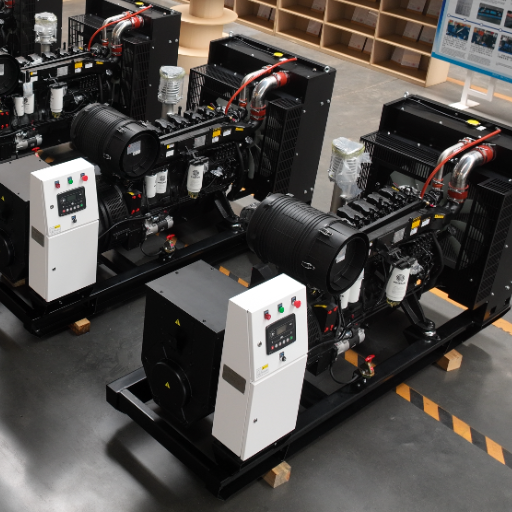
Every article you have read about used commercial generator price frames the decision as a binary choice. Buy used and save 30% to 60%, or buy new from a Tier 1 brand and pay full retail. There is a third path that most buyers never consider.
A factory-direct new diesel genset from a certified manufacturer can land in the same price range as a used Caterpillar or Cummins unit. The difference? You get zero operating hours, a full manufacturer warranty, modern Tier 4 emissions compliance, and the ability to customize voltage, enclosure, and controls for your specific project.
Price Comparison: Used Tier 1 vs. Factory-Direct New
| Capacity | Used Tier 1 (Cummins/Cat) | Factory-Direct New (ZC Power) |
|---|---|---|
| 100 kW | 18,000to18,000to36,000 | Competitive factory-direct pricing |
| 250 kW | 35,000to35,000to75,000 | Competitive factory-direct pricing |
| 500 kW | 55,000to55,000to95,000 | Competitive factory-direct pricing |
| 1000 kW | 140,000to140,000to270,000 | Competitive factory-direct pricing |
The math is straightforward. A used 500kW Cummins diesel generator set at $75,000 has no warranty, unknown history, and fixed specifications. A factory-direct new 500kW genset from an ISO9001-certified manufacturer with a one-year warranty, zero hours, and custom voltage configuration eliminates every risk on that list.
The Warranty Advantage
New factory-direct units carry standard warranties of one year or 1,000 operating hours. The manufacturer supports this directly with OEM spare parts and remote engineering guidance. A used unit has none of this.
Customization Without Compromise
Used inventory is fixed. You get the voltage, frequency, enclosure, and control panel that the prior owner specified. A factory-direct build lets you specify exactly what your site requires: 50Hz or 60Hz, 400V or 480V, silent canopy or open type, Deep Sea or SmartGen controller. For international buyers managing projects across multiple grid standards, this flexibility alone can justify the decision. For smaller capacity needs, our guide on small business generator cost considerations covers how to match the right kW rating to your actual load.
Export Logistics Handled
Importing used heavy machinery across borders introduces customs complications, certification questions, and shipping damage risks. A factory-direct manufacturer with 25 years of export experience manages the entire process: container loading, customs documentation, and ocean freight logistics. The unit arrives ready to commission, not ready to troubleshoot.
Used Generator Buying Checklist: 10 Questions to Ask
Before you sign any purchase agreement, get clear answers to these questions. Vague responses are red flags.
- How many operating hours does the unit have, and can you verify the hour meter?
- Do you have complete maintenance and service records?
- Was this generator used for standby or prime power?
- Has the unit passed a recent load bank test, and can I see the results?
- What emissions tier does the engine meet, and is it compliant with local regulations?
- Are the control panel and controller still supported by the manufacturer?
- What warranty or return policy do you offer?
- Is the ATS, sound enclosure, and fuel tank included in the price?
- What is the total landed cost including rigging, shipping, and installation?
- Can you provide references from three recent buyers of similar equipment?
If the seller cannot or will not answer these questions, walk away. The used commercial generator price is only a good deal if the equipment actually works when you need it.
Frequently Asked Questions
How many hours is too many on a used generator?
There is no universal cutoff, but industry guidance is clear. Under 5,000 hours is excellent for a standby unit. Under 10,000 hours is acceptable if maintenance records are complete. Above 10,000 hours, budget for a major overhaul within the first two to three years of ownership.
Can you finance a used commercial generator?
Yes, but terms are less favorable than for new equipment. Most lenders require a larger down payment and charge higher interest rates on used industrial equipment because the collateral value is harder to verify. Some dealers offer in-house financing. For buyers exploring all payment structures, our overview of generator financing options breaks down lease vs. buy scenarios.
Is it safe to buy a used generator from overseas?
It can be, but the risks multiply. Used equipment imports face stricter customs scrutiny. CE or ISO certification may not transfer across borders. Spare parts availability in your country matters more than the brand name on the engine. If you are sourcing internationally, a factory-direct new unit with full export documentation is often safer and more cost-effective than a used import.
What is the depreciation rate on commercial generators?
Commercial generators depreciate fastest in the first three years, losing 15% to 30% of their value annually. After year five, depreciation slows to roughly 5% to 10% per year. By year 12, most units have stabilized at 20% to 35% of their original retail price regardless of condition.
Should I buy a used generator or lease?
Leasing makes sense for short-term projects or temporary power needs under 24 months. For permanent installations, purchasing is usually more economical over a 10-year horizon, even when factoring in the higher upfront cost of a new or refurbished unit. The break-even point typically falls between 18 and 30 months depending on lease rates.
Conclusion
The used commercial generator price is undeniably attractive. A 500kW unit at 50% of new retail can free up capital for other project priorities. But that upfront savings comes with a portfolio of risks: no warranty, unknown maintenance history, higher fuel consumption, obsolete technology, and the ever-present possibility of a catastrophic failure at the worst possible moment.
Before you commit to the used route, compare the total cost of ownership. Factor in fuel penalties, maintenance spikes, parts scarcity, and the cost of downtime if the unit fails during an outage. Then compare that total against a factory-direct new genset with zero hours, full certification, and a warranty.
At Shandong ZC Power CO., LTD., we have spent over two decades building diesel generator sets for global industries. Every unit leaves our 300,000-square-meter facility after rigorous full-load testing in our national-standard testing center. We do not sell used equipment with mystery histories. We engineer new solutions with verified performance.