Natural Gas Generator Installation: Process, Cost & Timeline
Natural gas generator installation is a five-phase process of site assessment, permitting, site preparation, placement and connection, and commissioning. For a home standby unit it takes one to three days on-site; for a commercial or industrial facility it realistically takes five to nine months end to end, driven mostly by permitting and gas utility coordination.
Consider what happened to Daniel, a facilities director at a food processing plant in Ohio. He ordered a 300 kW natural gas generator in January and told his board it would be running by spring. Nine months later, in October, the unit was still not commissioned. The culprit was not the equipment. It was the gas utility meter upgrade, which sat in a review queue for eleven weeks before anyone scheduled the physical work.
Daniel’s story is the rule, not the exception. Most installation content online describes residential whole-home units and makes the process sound like a weekend job. Commercial and industrial natural gas generator installation is a different animal entirely. This guide gives you the honest picture, written from the perspective of a manufacturer that has supported generator installations across 50-plus countries. You will learn the real costs, the phases, the permits, and the gas line and transfer switch requirements that determine whether your project finishes on schedule.
Key Takeaways
- Commercial natural gas generator installation costs roughly 30,000 to 30,000 to 400,000+ installed depending on size, versus 8,500 to 8,500 to 20,000+ for a residential whole-home unit.
- Large-facility projects take five to nine months total, split into design (6-12 weeks), site preparation (8-16 weeks), and installation/commissioning (6-10 weeks).
- Three permits are standard: building, electrical, and gas/plumbing. Commercial work usually adds sealed drawings, a one-line diagram, and a utility approval letter.
- Gas supply is the most common schedule killer: most units need a larger gas meter or regulator, so contact the utility early.
- A factory load-bank-tested, containerized gas genset collapses on-site installation work compared to a traditional field build.
What Does Natural Gas Generator Installation Involve?
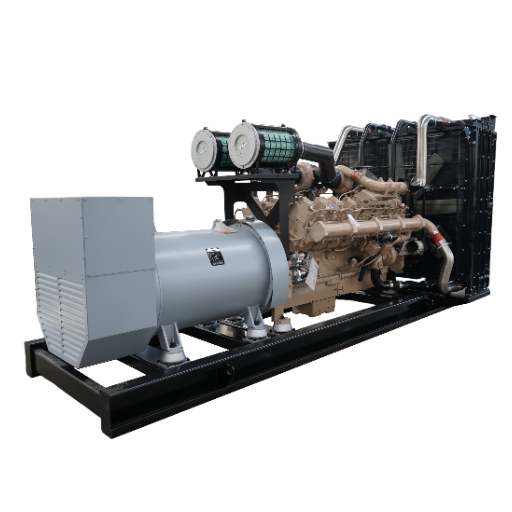
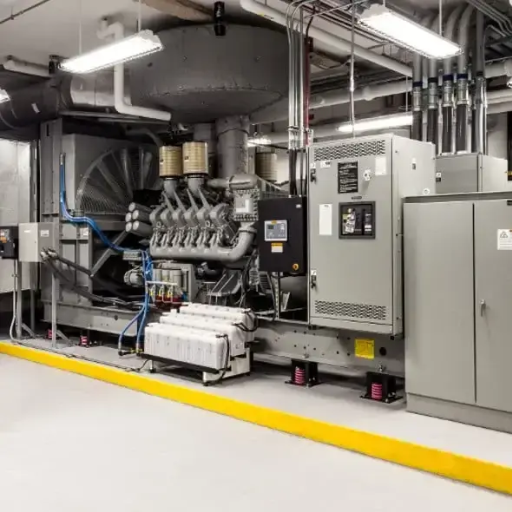
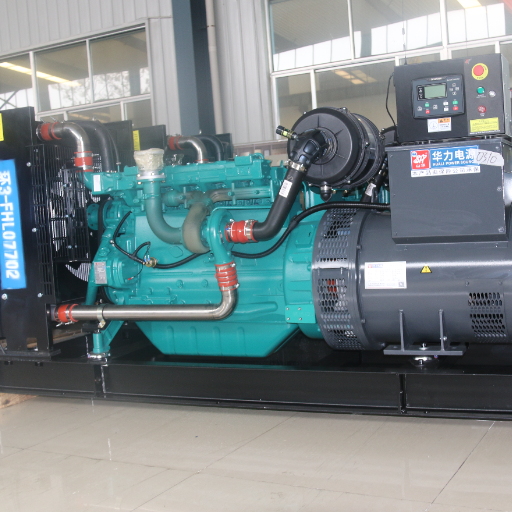
At its core, natural gas generator installation converts a factory-built generator set into an automatically operating standby or prime power source for your facility. The generator itself is only half the project. The other half is the supporting infrastructure: the concrete pad, the electrical connection through an automatic transfer switch, and the gas line that feeds fuel.If you are still selecting equipment, our range of industrial natural gas generators shows the sizes and configurations most facilities install.
The Five Phases
Every project, residential or industrial, moves through the same five phases. The difference is how long each phase takes.
- Site assessment and load study, an engineer evaluates your electrical loads, selects the correct generator size, and chooses a location with proper clearances and airflow.
- Permitting, you pull permits with the local authority and submit drawings for review.
- Site preparation, pour the concrete pad, run conduit, and lay the gas line.
- Placement and connection, set the generator, install the automatic transfer switch (ATS), tie into the electrical panel, and connect the fuel line.
- Inspection and commissioning, the system is inspected, load-tested, and verified to transfer power automatically.
Natural Gas Generator Installation Costs by Size
Installation cost scales sharply with generator size, but not linearly. The electrical, gas, and civil work around a larger unit adds up fast. Here is how the numbers break down across three tiers.
| Generator Tier | Typical Output | Equipment Cost | Installed Cost |
|---|---|---|---|
| Residential whole-home | 10-26 kW | 6,000−6,000−15,000 | 8,500−8,500−20,000+ |
| Commercial standby | 50-200 kW | 20,000−20,000−80,000 | 30,000−30,000−110,000 |
| Industrial / prime | 500 kW+ | 100,000−100,000−300,000+ | 150,000−150,000−400,000+ |
These ranges come from published cost data aggregated by Depco Power and Contractor+. The installed figure includes the generator, the transfer switch, wiring, the gas connection, the concrete pad, and permits.
Add-On Costs Most Buyers Miss
Beyond the headline numbers, several line items catch buyers off guard:
- Gas line installation: 500−500−2,000, plus more if the existing meter or regulator must be upsized
- Concrete or composite pad: 300−300−500 for a standard pad, more for a reinforced industrial slab
- Automatic transfer switch: typically included in a standby package, but a commercial-grade ATS adds cost
- Permits: hundreds to thousands of dollars depending on jurisdiction and project size
- Cold-weather kit: battery warmer and oil heater where ambient temperatures drop below freezing
If you are budgeting for a commercial or industrial unit, see our detailed [natural gas generator cost guide] for a full line-item breakdown.
The Honest Installation Timeline (No One Publishes This)
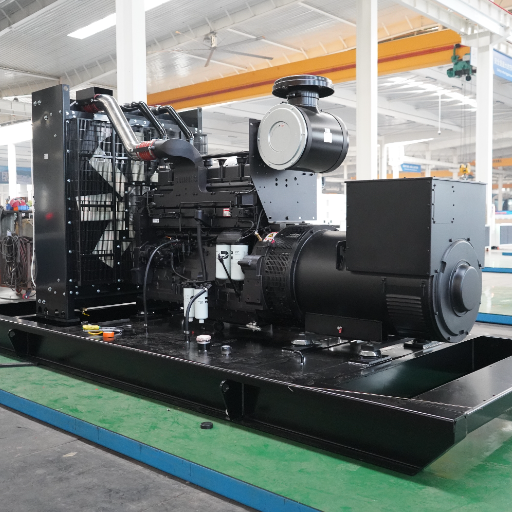
This is where most online content misleads you. A residential whole-home generator genuinely goes in over a long weekend. A commercial or industrial natural gas generator does not. Planning for the wrong schedule is the single most common mistake we see.
Residential: One to Three Days On-Site
A 22 kW home standby unit typically requires one to three days of on-site labor, spread over one to two weeks of calendar time. The extra days account for concrete curing (24-48 hours) and inspector scheduling.
Commercial and Industrial: Five to Nine Months
Large facilities face a fundamentally longer schedule. FSG’s commercial installation guide breaks it into three phases that stack up to five to nine months total:
- Design and engineering: 6-12 weeks, load study, drawings, gas and electrical coordination
- Site preparation: 8-16 weeks, pad, conduit, gas line, utility meter upgrade
- Installation and testing: 6-10 weeks, placement, ATS integration, inspection, load-bank commissioning
Commercial permitting alone commonly runs 2-12 weeks, and some jurisdictions take longer. Daniel’s eleven-week gas meter queue fits squarely in this range.
The practical lesson is to schedule the long-lead items first. Contact the gas utility, pull permits, and order the transfer switch in week one. The generator itself usually has a shorter lead time than the civil and utility work around it.
Permits and Approvals You’ll Need
Skipping permits is not an option. Unpermitted generator installations can void insurance, fail inspections, and create backfeed hazards. Expect at least three permits for a permanent natural gas generator.
The Three Standard Permits
- Building permit, covers the concrete pad and structural placement
- Electrical permit, covers the transfer switch, conduit, and panel connection
- Gas/plumbing permit, covers the natural gas line and its pressure test
A municipal checklist from Westlake, Ohio shows the same three-way split, with a separate fee structure for each permit.
Commercial Extras
Commercial and industrial projects add documentation that residential installs never require. Most jurisdictions expect:
- Sealed construction drawings signed by a licensed design professional
- A one-line electrical diagram showing how the generator and ATS integrate into the building system
- A utility approval letter confirming the gas and electric utilities have reviewed the design
These documents take time to prepare and review. Do not underestimate them in your schedule.
Gas Line and Fuel Supply Requirements
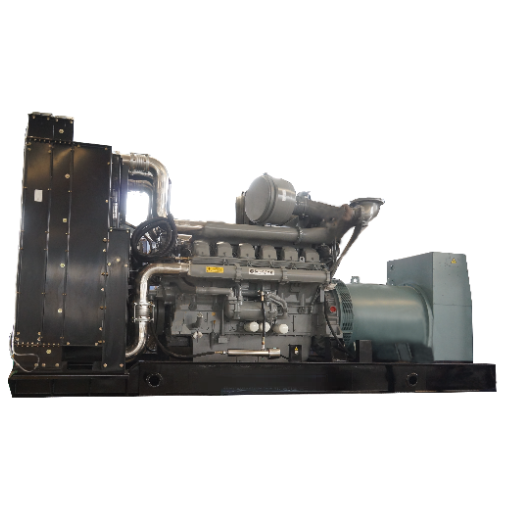
The gas line is where natural gas generator installation projects most often go wrong. A generator consumes far more fuel than any other gas appliance in your facility, and the existing service was rarely sized for it.
Gas Meter and Regulator Upsizing
Most standby generators need a larger gas meter or a dedicated regulator. The utility sizes the meter and regulator; the contractor sizes the fuel line. Baton Rouge’s generator guidance explicitly warns that failing to contact the gas utility can disrupt every other gas appliance in the building.
Pressure Requirements and Pressure Testing
Two numbers matter. First, gas piping is typically pressure-tested at 3 to 5 psi before being put into service, per municipal requirements. Second, the generator must hold full-load pressure drop below roughly 2 inches of water column, per the Generac industrial gas supply guide. If pressure sags when the generator ramps to full load, the engine starves and shuts down at the worst possible moment.
A dedicated gas line and regulator for each genset is inexpensive insurance. Never share the generator’s line with a boiler or furnace.
ATS Integration and Electrical Requirements
The automatic transfer switch is what makes a standby generator automatic. It senses a grid failure and transfers your critical loads to generator power within seconds, then transfers back when utility power returns.
ATS Sizing
The National Electrical Code requires that the standby source be sized to carry the full transferred load or be paired with a load-management system that sheds non-essential circuits. This is NEC 702.5, and it is why you cannot simply buy a smaller ATS and hope for the best.
Backfeed Prevention
A transfer switch serves a safety function beyond convenience: it prevents backfeed. Without it, generator power could flow back onto the utility lines and injure line workers. This is non-negotiable, and it is why utilities in some regions require the ATS to be approved before installation.
What Most Buyers Overlook
Beyond the big-ticket items, several details determine whether your installation passes inspection and runs reliably.
- Setbacks and clearances: many jurisdictions require 5 feet from operable windows and doors and 18 inches from the structure, per NFPA 70
- Concrete pad: a non-combustible pad, typically 4 inches thick, sized to the unit
- Cold-weather kit: needed where temperatures drop below freezing
- Sound attenuation: an acoustic enclosure to meet urban noise limits, usually below 75 dB at 7 meters
- HOA or site approval: stricter than code in some locations
Installation for International Projects
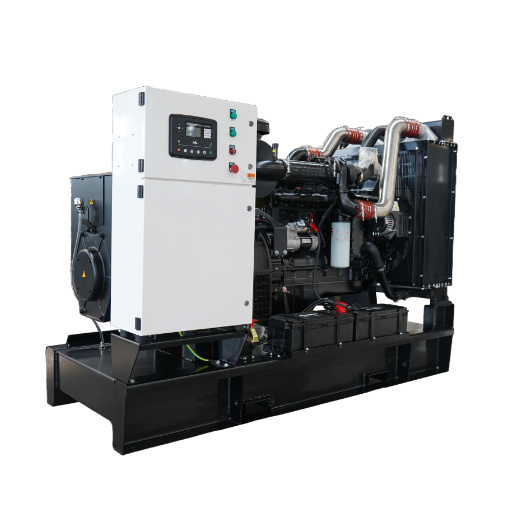
For buyers outside the United States, natural gas generator installation looks different. Many of our export markets in Africa, the Middle East, and Southeast Asia lack the mature gas utility and permitting infrastructure this guide assumes. That changes the smartest approach.
A containerized gas genset built and load-bank tested at the factory collapses most of the on-site work into a single lift-and-connect operation. The gas train, control panel, and enclosure arrive as one integrated, weatherproof unit. On-site, the contractor only pours the pad, connects the gas supply, and lands the electrical feed.
Consider a mining operator we supplied in East Africa. Instead of a six-month traditional build, the site received a factory-tested 500 kW containerized gas genset that was commissioned in under three weeks after arrival. The civil and utility work happened in parallel with the factory build, not in sequence after it. That is the advantage of sourcing installation-critical equipment from a manufacturer that builds the entire system before it ships.
As a source manufacturer established in 1999, ZC Power performs 100 percent load-bank testing on every genset in our national-standard testing center before dispatch. When the unit arrives, the hard engineering is already proven. Our team of 80-plus engineers also provides installation guidance and commissioning support remotely, wherever your site is located.
[Contact the ZC Power engineering team] to plan your installation around factory-tested equipment, not around a fragmented site build.
Frequently Asked Questions
How long does natural gas generator installation take?
A residential unit takes one to three days on-site. A commercial or industrial facility typically takes five to nine months end to end, split between design, site preparation, and installation with commissioning. The gas utility and permitting reviews usually drive the schedule.
How much does it cost to install a natural gas generator?
Installed cost ranges from about 8,500−8,500−20,000 for a residential whole-home unit, 30,000−30,000−110,000 for a 50-200 kW commercial generator, and 150,000−150,000−400,000+ for a 500 kW industrial unit, including the transfer switch, gas line, pad, and permits.
What permits do I need for a natural gas generator?
Expect at least three permits: a building permit for the pad, an electrical permit for the transfer switch and wiring, and a gas/plumbing permit for the fuel line. Commercial projects usually add sealed drawings, a one-line diagram, and a utility approval letter.
Do I need to upgrade my gas meter for a generator?
Usually, yes. Standby generators demand far more fuel than other appliances, so the existing meter or regulator often needs upsizing. Contact the gas utility early, because this step is a common scheduling bottleneck.
Conclusion: Plan the Long-Lead Items First
Natural gas generator installation is a civil and utility engineering project as much as it is an equipment purchase. The generator is the easy part. The pad, the permits, the gas meter upgrade, and the transfer switch are where projects succeed or stall.
Keep five principles in mind. Budget for installed cost, not equipment cost. Assume a five-to-nine-month timeline for anything commercial or industrial. Pull permits and contact the gas utility in week one. Verify that the ATS meets NEC 702.5 for your full transferred load. And consider factory-tested, containerized equipment that shifts the risk out of the field and into the factory floor.
Whether you are installing a single standby unit or a fleet for remote sites, planning around the long-lead items is what keeps your project on schedule. Our engineers can help you map that critical path before you commit.