Backup Generator for Home: Complete 2026 Buying and Sizing Guide
The backup generators of Puerto Rican homeowners from Hurricane Maria in September 2017 provided them with continuous electricity and refrigerator operation and medical device functioning during the extended grid outage which affected their neighbors. The Garcias from San Juan bought what they thought was a complete home generator system through their 18kW generator purchase but their 12000 dollar purchase stopped working after two hours because both air conditioning units attempted to start at the same time. The generator shut down after reaching its maximum capacity because it could not handle their actual power consumption needs which left them without electricity during their most critical time.
The decision to install a backup generator for your home brings you two opposing choices which create high financial results. The emergency situations will cause your undersized generator to break down resulting in appliance damage and power loss for your family. The system will waste two thousand dollars because you installed excess equipment while experiencing fuel efficiency problems during its entire operational life. The majority of buying guides center their attention on product marketing attributes instead of the technical elements which actually determine your generator’s performance during power outages.
ZC Power’s engineering team provides this detailed backup generator guide which delivers all the information homeowners require about generator systems. The engineering knowledge will help you make the right investment decisions because you will learn how to calculate your power needs and evaluate fuel type options and access 2026 pricing information and safety regulations. We will show you the specific points when residential equipment becomes insufficient and commercial industrial generators start to become essential.
Wondering about the full scope of electric generators? (Read Electric Generators: Complete Guide to Types, Applications & Selection) for all-around insights into their categories, uses and selection tips.
Types of Home Backup Generators
You first need to understand your options because this understanding will help you make the correct choice. Home backup generators fall into four categories, each with distinct applications, costs, and capabilities.
Portable Generators (2,000–12,000 watts)
Portable generators provide users with mobility advantages and cost advantages. The devices require users to set up equipment during power outages. The gasoline and dual-fuel units provide power through extension cords or manual transfer switches to essential circuits.
Best for: Homeowners on limited budgets who need occasional backup for essentials like refrigerators, lights, and small appliances during short outages.
Key considerations: The system requires manual operation because users must be present at their home during power interruptions. The system can operate until its fuel storage limit because gasoline needs to be refueled after a specific time. The machine produces noise at levels between 70 and 90 decibels which equals the sound of a lawn mower. You will need to refuel every 8–12 hours during extended outages.
Inverter Generators (1,000–7,000 watts)
Inverter generators use advanced electronics to produce clean, stable power safe for sensitive electronics. They operate more quietly (50–65 dB) and efficiently than conventional portable units.
Best for: Homeowners who need to power computers, medical devices, and modern electronics that require pure sine wave power. Ideal for noise-sensitive neighborhoods and camping enthusiasts who want dual-purpose equipment.
Key considerations: Higher cost per watt than conventional portables. Maximum capacity around 7,000 watts limits whole-house coverage. Cannot power large central air conditioning systems or electric water heaters.
Standby/Whole-House Generators (10,000–26,000 watts)
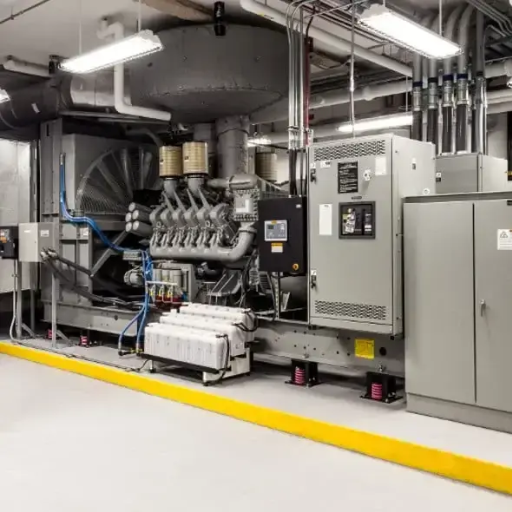
Standby generators represent the gold standard for home backup power. These permanently installed units connect to your home’s natural gas or propane supply and automatically start within seconds of a power outage.
Best for: Homeowners who want seamless automatic protection which covers their entire home will need to install automatic systems that run independently. The system becomes essential for families which depend on medical devices and operate home offices and experience power interruptions.
Key considerations: Professional installation required (2,000–2,000–5,000 additional cost). The system requires installation through permanent mounting on concrete pads. The system needs either natural gas service or propane tank installation. The system needs higher upfront costs to provide maximum operational convenience.
Looking for technical specifics on standby generators in 2026? (Read Standby Generator: Complete Technical Guide 2026 [Types, Sizing & Installation]) to learn about its classification, dimensioning and installation standards.
When Commercial-Grade Becomes Necessary
Standard residential generators top out around 26kW. However, some properties require significantly more power:
- Estate homes exceeding 5,000 square feet with multiple HVAC systems
- Properties with guest houses, workshops, or multiple buildings
- Home-based businesses with industrial equipment
- Farms and ranches with pumps, barns, and outbuildings
- Properties requiring three-phase power for specialized equipment
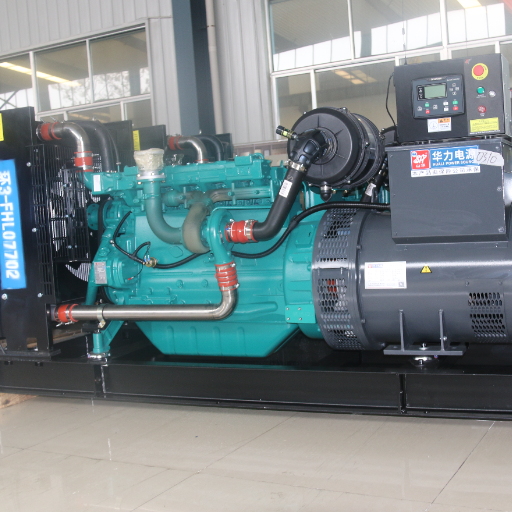
For these applications, industrial diesel generators starting at 8kVA (6,400 watts) provide the reliability and capacity that demanding situations require.
How to Size a Backup Generator for Your Home
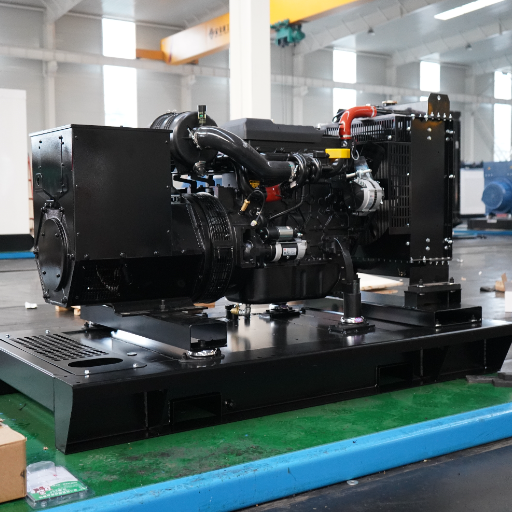
Proper sizing is the most critical factor in generator selection. An incorrectly sized generator wastes money, risks equipment damage, and leaves you powerless during emergencies.
The Critical Difference: Running Watts vs. Starting Watts
The primary reason for sizing mistakes happens because homeowners calculate running wattage while they fail to consider the required starting surge. Air conditioners and refrigerators and well pumps and sump pumps require electric motors that need 3 to 7 times their running wattage for startup.
Example:Your air conditioner consumes 3500 watts during operation but needs 12000 to 15000 watts for compressor motor startup. The AC will not start if your generator cannot handle the surge yet the generator will shut down because of overload.
Key rule: Size your generator for the largest single motor starting surge plus all other simultaneous running loads.
Essential Circuits vs. Whole-House Load Calculation
Essential Circuits Approach:
Most homeowners prioritize keeping critical systems operational:
| Appliance | Running Watts | Starting Watts |
|---|---|---|
| Refrigerator | 700 | 2,200 |
| Freezer | 500 | 1,500 |
| Furnace fan | 600 | 1,800 |
| Well pump (1 HP) | 1,000 | 3,000 |
| Sump pump (1/2 HP) | 800 | 2,000 |
| LED lighting (10 bulbs) | 100 | 100 |
| Internet/modem | 50 | 50 |
| Total | 3,750 | 10,650 |
The essential circuits require 4,000 running watts and 11,000 surge watts as their minimum power demand. The load remains within safe limits for a 10kW standby generator to manage.
Whole-House with Central AC:
Adding central air conditioning dramatically increases requirements:
| HVAC Size | Running Watts | Starting Watts |
|---|---|---|
| 2-ton AC | 2,000 | 6,000 |
| 3-ton AC | 3,500 | 10,000 |
| 4-ton AC | 4,800 | 15,000 |
| 5-ton AC | 6,000 | 18,000 |
A 2,500 square foot home with a 3-ton AC unit, electric water heater, and standard appliances typically requires a 20–22kW generator for whole-house coverage.
Quick Sizing Chart by Home Size
| Home Size | Generator Size | Coverage Level |
|---|---|---|
| 1,000–1,500 sq ft | 8–12 kW | Essential circuits only |
| 1,500–2,500 sq ft | 14–18 kW | Essentials + partial AC |
| 2,500–3,500 sq ft | 20–22 kW | Whole house |
| 3,500–5,000 sq ft | 22–26 kW | Whole house + pool equipment |
| 5,000+ sq ft | 26–48 kW | Large estate or commercial |
Consider what happened to Michael Torres in Houston. He purchased a 14kW standby generator after Hurricane Harvey to use at his 3,200 square foot home because he believed the generator would power all essential needs. The HVAC system in his home used over 20kW during summer outages because both compressors tried to start at the same time. The generator overloaded and shut down within minutes. The family experienced three days of 95-degree indoor heat because the generator could not handle the actual summer power demands.
The 20% Safety Margin Rule
Professional engineers always add a 20–25% safety margin above calculated loads. This margin provides:
- Future expansion capacity for added appliances or home additions
- Voltage dip prevention during motor starting
- Equipment longevity by preventing operation at maximum capacity
- Calculation tolerance for estimation errors
Calculation example:
- Calculated peak load: 16,000 watts
- With 25% margin: 16,000 × 1.25 = 20,000 watts
- Recommended generator: 20–22kW
Fuel Type Comparison: Natural Gas, Propane, and Diesel
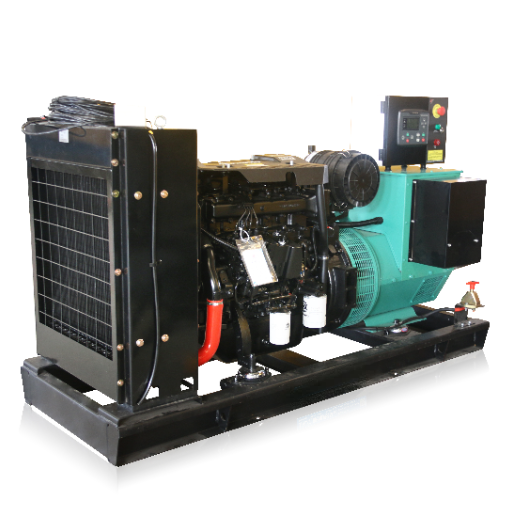
Your fuel selection determines your installation expenses and operating costs and system performance and maintenance needs. The three options provide different benefits and drawbacks for users to consider.
Natural Gas
Natural gas generators connect directly to your home’s utility gas line, providing unlimited runtime without fuel storage concerns.
Advantages:
- Unlimited fuel supply during extended outages
- No fuel storage or refueling requirements
- Cleanest burning fossil fuel option
- Lower emissions than diesel or gasoline
Disadvantages:
- Requires natural gas service to your property
- Lower power output on natural gas vs propane (typically 10% reduction)
- Vulnerable to utility pipeline disruptions
- Higher installation costs for gas line connection
Best for: Suburban homes with existing natural gas service who want maximum convenience and unlimited runtime.
Propane
Propane generators give residential properties which lack access to natural gas service their needed power solutions. The fuel is stored in tanks which can be either above-ground or underground with capacities that range from 100 gallons to 1,000 gallons.
Advantages:
- Available anywhere (no utility dependency)
- Higher energy density than natural gas
- Fuel stores indefinitely without degradation
- Lower emissions than gasoline or diesel
Disadvantages:
- Requires tank rental or purchase (300–300–2,000)
- Refueling required during extended outages
- Higher fuel cost per kilowatt-hour
- Tank capacity limits continuous runtime
Runtime calculation:The 20kW generator operates at full capacity by consuming between 2 and 3 gallons of propane every hour. The 500-gallon tank which contains 400 gallons of fuel enables approximately 130 to 200 hours of operational time.
Best for: Rural homes without natural gas service, properties requiring backup fuel independence, and locations where propane is economically advantageous.
Diesel: The Industrial Standard
Diesel generators provide their best performance in large residential buildings which require heavy power needs although these generators are not frequently used for home electricity needs.
Advantages:
- Most reliable starting in cold weather
- Longest engine lifespan (10,000+ hours with proper maintenance)
- Highest torque for large motor starting
- Fuel stores longer than gasoline (with stabilizer)
- Better fuel efficiency than gasoline
Disadvantages:
- Higher upfront equipment cost
- Requires on-site fuel storage tank
- Louder operation without sound attenuation
- Higher particulate emissions
- Fuel gelling in extreme cold without additives
Best for: Large estates requiring substantial power, homes in extremely cold climates, properties needing the absolute highest reliability, and installations where fuel storage safety can be properly managed.
From ZC Power’s engineering perspective: “While most residential standby generators use natural gas or propane, diesel remains the professional standard for mission-critical applications. ZC Power specializes in diesel generator sets from 8kVA to 4,000kVA for estates, farms, and demanding residential applications where standard equipment falls short.”
Home Backup Generator Costs (2025)
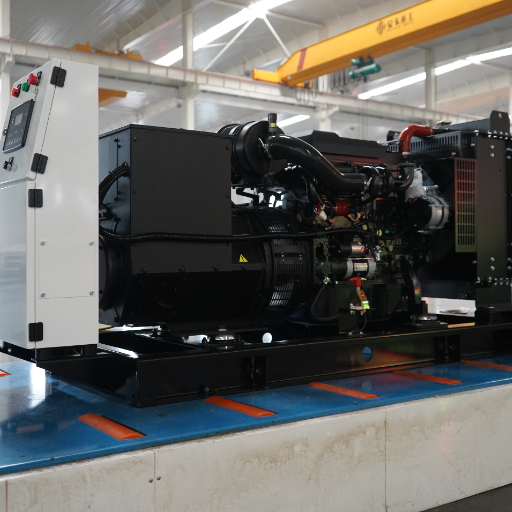
Understanding the total investment helps you budget appropriately and avoid surprises. The project expenses include costs for equipment and installation and all costs required for operational work.
Equipment Costs by Generator Size
| kW Rating | Equipment Cost Range | Typical Applications |
|---|---|---|
| 8–10 kW | 2,500–2,500–4,000 | Essential circuits, small homes |
| 14–18 kW | 4,000–4,000–6,000 | Mid-size homes, partial AC |
| 20–22 kW | 5,000–5,000–7,500 | Large homes, whole-house backup |
| 26–48 kW | 7,000–7,000–15,000 | Estates, large properties |
| 48+ kW | 15,000–15,000–30,000+ | Commercial-grade residential |
Prices represent air-cooled standby generators from major manufacturers like Generac, Cummins, and Kohler. Diesel and liquid-cooled units command premiums of 30–50%.
Installation Cost Breakdown
Professional installation is mandatory for standby generators and typically adds 3,000–3,000–7,000 to total project cost:
Transfer switch: 500–500–2,000 (100-amp to 200-amp automatic transfer switches)
Electrical labor: 1,500–1,500–3,500 (panel connection, wiring, permitting)
Gas line connection: 500–500–1,500 (natural gas) or 300–300–800 (propane tank installation)
Concrete pad/foundation: 300–300–800 (required mounting surface)
Permits and inspections: 200–200–500 (varies by municipality)
Additional costs to consider:
- Crane rental for difficult access: 500–500–1,500
- Electrical panel upgrades: 1,000–1,000–3,000
- Propane tank rental: 75–75–150/year
- Extended warranty: 300–300–800
Total installed cost examples (2025):
- 14kW essential circuits: 7,000–7,000–10,000
- 20kW whole-house: 10,000–10,000–14,000
- 26kW large home: 12,000–12,000–18,000
Annual Operating Costs
Beyond the initial investment, budget for ongoing expenses:
Annual maintenance: 200–200–400 (oil changes, filter replacement, inspection)
Extended warranty: 300–300–600/year (optional but recommended)
Fuel during outages: 50–50–200 per day depending on generator size, load, and fuel type
Propane tank rental: 75–75–150/year (if applicable)
Over a 10-year ownership period, operating costs typically add 5,000–5,000–10,000 to total cost of ownership.
Generator vs Battery Backup: Which Is Right for You?
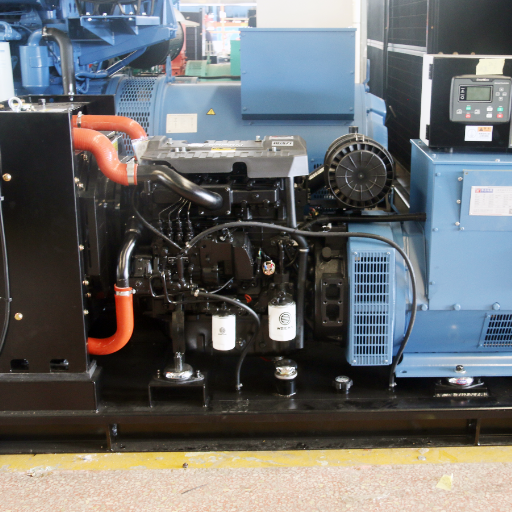
Battery backup systems have become a popular choice that people prefer over traditional generators. Your technology selection process requires you to understand the advantages and disadvantages of different options.
Battery Backup (Solar Battery Systems)
Battery systems store electricity from solar panels or the grid for use during outages. The most commonly used systems include Tesla Powerwall and Generac PWRcell and EcoFlow solutions.
Advantages:
- Silent operation (no noise complaints)
- Zero emissions during operation
- No fuel storage or refueling
- Minimal maintenance requirements
- Eligible for 30% federal tax credit (through 2025)
- Can reduce electricity bills through time-of-use arbitrage
Disadvantages:
- Limited runtime without solar recharging
- Cannot power heavy loads like central AC or electric heating
- High upfront cost (10,000–10,000–30,000 installed)
- Battery degradation over 10–15 years
- Limited capacity for extended outages
Best for: Homeowners with solar panels, short outage durations (under 4 hours), eco-conscious buyers, and those prioritizing silent operation.
Generator Backup
Traditional generators provide reliable, high-capacity backup power using fossil fuels.
Advantages:
- Unlimited runtime with fuel supply
- Powers heavy loads including central AC, pumps, and electric heat
- Lower upfront cost than battery systems
- 20–30 year lifespan with proper maintenance
- Reliable in all weather conditions
Disadvantages:
- Noise during operation (62–75 dB)
- Fuel storage and refueling requirements
- Ongoing maintenance needs
- Emissions during operation
- Cannot be installed indoors
Best for: Houses that need whole-home backup, regions with typically prolonged or often outages, big home demands, and homeowners looking for dependable systems without regard for noise.
Hybrid Approach
Some homeowners install both battery and generator backup for comprehensive protection:
- Battery handles short outages silently
- Generator starts automatically for extended outages
- Battery reduces generator runtime and fuel consumption
- Load shedding systems prioritize critical circuits
This approach provides the benefits of both technologies but at significantly higher cost.
Installation Requirements and Safety
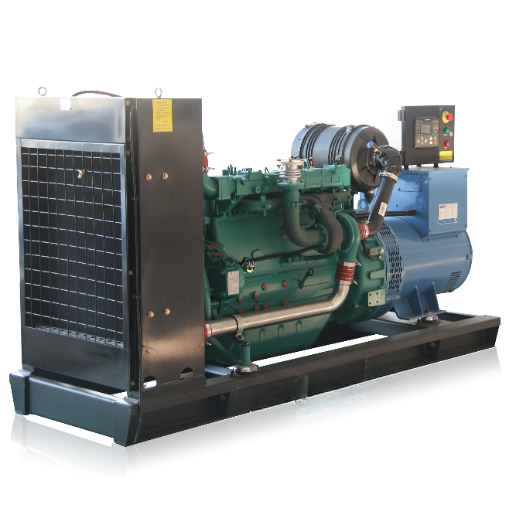
Proper installation ensures safe, reliable operation and code compliance. The installation of standby generators through DIY methods stands as both unsafe and illegal according to regulations.
Automatic Transfer Switch (ATS)
The transfer switch functions as the essential element which separates your residence from the electrical grid during power outages while enabling safe generator power connection. Your equipment will suffer damage and workers will face electrocution danger because of incorrect installation methods.
Types of transfer switches:
- Standard automatic: Switches entire electrical panel to generator power
- Load management: Prioritizes essential circuits and sheds non-critical loads
- Service entrance rated: Replaces main breaker for cleaner installation
Seeking assistance with transfer switch selection? (Read Generator Transfer Switch: Complete Guide) for code-compliant recommendations.
Installation requirements:
- Must be installed by licensed electrician
- Requires electrical permit and inspection
- Sizing must match generator capacity and electrical service
- Installation location affects cost (distance between panel and generator)
Placement and Clearance Requirements
Generator placement affects safety, noise, and code compliance:
Required clearances:
- 5 feet from doors, windows, and vents (carbon monoxide prevention)
- 3 feet clearance on all sides for maintenance access
- 18 inches from building walls (manufacturer requirements vary)
- Elevation above potential flood levels
Noise considerations:
- Residential areas typically require under 65 dB at property line
- Sound-attenuated enclosures add 500–500–1,500 but reduce noise significantly
- Consider neighbor placement and local noise ordinances
Carbon Monoxide Safety
Generators produce deadly carbon monoxide (CO) gas. The Consumer Product Safety Commission reports approximately 900 generator-related CO deaths annually.
Critical safety rules:
- Never operate any fuel-burning generator indoors, including garages or basements
- Install battery-operated CO detectors on every level of your home
- Maintain required clearances from building openings
- Since 2025, UL 2201 requires CO sensors on new generators that automatically shut down the engine when dangerous levels are detected
Permitting and Inspections
Most jurisdictions require permits for generator installation:
Electrical permit: This permit needs to be obtained for both transfer switch installation and connection work
Plumbing permit: This permit needs to be obtained for all work related to natural gas line installation
Building permit: Concrete pad installation work requires this permit as a mandatory requirement.
Professional installers typically handle permitting as part of their service. Permit costs range from 200–200–500 depending on your location.
When Your Home Needs Commercial-Grade Power
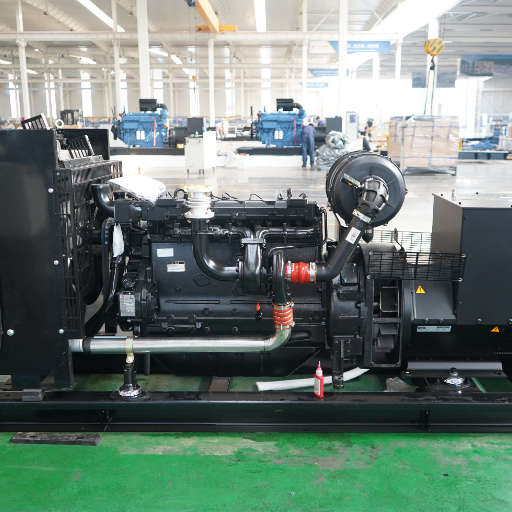
Standard residential generators effectively serve most homes. However, certain situations demand commercial-grade industrial equipment that exceeds typical residential offerings.
Properties Requiring More Than 26kW
Residential standby generators which meet standard requirements produce power output of 26000 watts. The system meets energy needs of typical single-family homes but certain properties need higher power capacity:
Large estates: Homes which exceed 5000 square feet and have multiple HVAC zones and pools and guest houses and extensive lighting systems require backup power systems which need between 30 kilowatts and 100 kilowatts of capacity.
Compound properties:Multiple buildings on one property—main house, guest cottage, workshop, barn—require aggregate power calculations that often exceed residential generator limits.
Home-based businesses: Machine shops, fabricating units or agricultural businesses that either include residential living need advanced-degree robustness and capacity.
Farms and ranches: Irrigation pumps, agricultural ventilation systems, grain dryers, and all the other electricity-guzzling livestock operations easily outstrip the capacity of any standard residentially aimed machine.
Three-Phase Power Requirements
Most residential properties use single-phase 240V/120V power. However, some homes with large workshops, elevators, or specialized equipment require three-phase power that residential generators cannot provide.
Extended Runtime Applications
Standard residential generators are designed for standby duty—emergency use during outages. The industrial diesel generators deliver required power capacity because they provide extended operational time which you need to operate in remote areas with unstable electrical grid service.
ZC Power provides industrial diesel generators which range from 8kVA to 4,000kVA for commercial-grade backup power needs at estates and properties. Our units deliver the necessary reliability and capacity and endurance which demanding applications need.
Maintenance and Long-Term Ownership
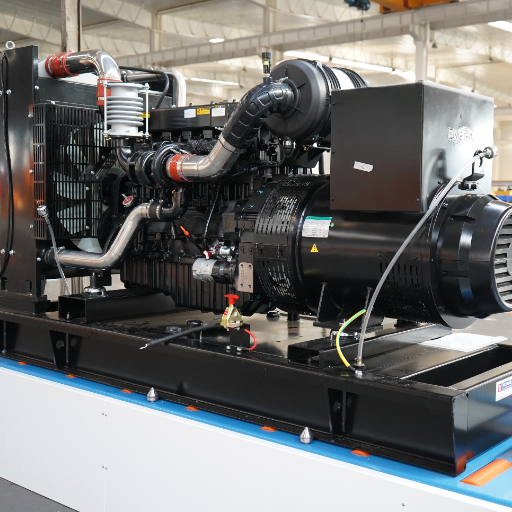
Proper maintenance ensures your generator operates reliably when needed and maximizes equipment lifespan.
Annual Maintenance Requirements
Standby generators require professional maintenance at least annually, ideally twice yearly before storm seasons.
Standard maintenance includes:
- Oil and filter change (every 100–200 hours of operation)
- Air filter inspection and replacement
- Spark plug inspection (gasoline/propane units)
- Battery testing and terminal cleaning
- Fuel system inspection
- Cooling system check
- Exercise cycle verification
DIY maintenance: Homeowners can perform visual inspections, check oil levels, and verify the unit runs during weekly exercise cycles. The task of technical service must be handled by certified technicians.
Expected Lifespan
With proper maintenance, quality standby generators provide decades of service:
- Portable generators: 1,000–2,000 operating hours (10–15 years with occasional use)
- Air-cooled standby: 3,000–5,000 hours (20–30 years typical residential use)
- Liquid-cooled standby: 5,000–10,000 hours (25–35 years)
- Diesel industrial: 10,000+ hours (30+ years with proper maintenance)
Troubleshooting Common Issues
Generator fails to start:
- Check battery voltage (most common cause)
- Verify fuel supply and valve positions
- Inspect air intake for debris
- Check oil level (low oil pressure prevents starting)
Transfer switch does not activate:
- Verify utility power is actually out (test with circuit breaker)
- Check transfer switch fuses
- Inspect control wiring connections
Generator runs but no house power:
- Check transfer switch position
- Verify main breakers are on
- Inspect output voltage at generator terminals
Annual professional service catches most issues before they cause failure during emergencies.
Frequently Asked Questions
What size generator do I need for a 2,000 square foot house?
A 2,000 square foot house typically requires a 14–18kW generator for whole-house backup including central air conditioning. The essential circuits which include refrigerator and lights and furnace operation require a 10–12kW unit. The sizing worksheet will help you determine your exact requirements to receive accurate recommendations.
Can I install a backup generator myself?
Portable generators for extension cord use: yes. Any generator connecting to your home’s electrical system: absolutely not. Standby generator installation requires licensed electricians and plumbers, permits, and inspections. DIY installation creates three dangers which include electrocution and fire and carbon monoxide poisoning. The procedure results in the loss of both warranties and home insurance protection.
How long can a standby generator run continuously?
Natural gas generators maintain operation for multiple days through their entire operational duration until engine oil needs replacement which occurs between 100 and 200 operating hours. Propane generators maintain operation until their tank empties which 500-gallon tanks supply power for approximately 130 to 200 hours of continuous operation. All generators require scheduled shutdowns which allow operators to check oil levels and monitor system temperature.
Will a 22kW generator run my whole house?
A 22kW generator powers the majority of homes which range from 2500 to 3500 square feet and contain one central AC unit and an electric water heater and standard appliances. You need 26 to 36 kilowatts if your system includes two air conditioning zones and a swimming pool and electric heating. Accurate load calculation determines your actual requirements.
Is a home backup generator worth the cost?
For homes in areas with frequent outages, medically dependent residents, or home-based businesses, generators provide invaluable peace of mind and continuity. Calculate value based on outage frequency, financial impact of lost power (spoiled food, hotel stays, business interruption), and your family’s comfort needs. Most homeowners recoup investment through avoided losses after 3–5 significant outages.
Can I use a portable generator for whole-house backup?
Portable generators cannot provide safe electrical power to complete house systems through standard home electrical panels. They power individual appliances through extension cords or their restricted circuits which they operate with a manual transfer switch. To achieve whole-house backup power systems require installation of a standby generator which must connect to an automatic transfer switch.
How noisy are home standby generators?
Modern standby generators produce sound levels between 62 decibels and 75 decibels at a distance of 23 feet which creates a sound equivalent to normal conversation and vacuum cleaner noise. Sound-attenuated enclosures reduce noise further. Check local ordinances; many residential areas require under 65 dB at property lines. Inverter generators produce their lowest noise levels between 50 dB and 60 dB.
What is the best fuel type for home generators?
Natural gas offers maximum convenience for homes with utility service. Propane provides independence for rural properties. Diesel delivers the highest reliability for demanding applications. The “best” choice depends on your location, outage patterns, power requirements, and budget. Most suburban homeowners choose natural gas for convenience.
Conclusion
Selecting the right backup generator for your home requires understanding your electrical needs, evaluating fuel options, and budgeting for both equipment and installation. The stakes are significant because an undersized generator fails during critical times while an oversized unit wastes thousands through excessive capacity.
Key takeaways:
- Calculate both running watts and starting surge requirements
- Add 20–25% safety margin for future needs and voltage stability
- Choose fuel type based on your location, outage patterns, and convenience priorities
- Budget 10,000–10,000–14,000 for a typical 20kW whole-house installation
- Professional installation is mandatory for safety and code compliance
- Annual maintenance ensures reliability and extends equipment life
The reliable standby generators which major manufacturers produce offer homeowners complete protection against power outages. The systems provide automatic power restoration within seconds which keeps your home and family safe while increasing your property’s value.
Industrial diesel generators become the appropriate solution when your power requirements reach 26kW and you need three-phase power and your property requires commercial-grade reliability. The industrial equipment delivers the capacity and durability and engineering support that estates and farms and home-based businesses and compound properties need.
Shandong ZC Power CO., LTD. has developed power solutions since its establishment in 1999. Our national-standard testing center and 300,000 square meter manufacturing facility guarantee that every generator operates at full rated capacity. Our team of 80 technical engineers provides expert assistance for both residential power needs and industrial power needs in challenging situations.
Struggling to calculate the right generator size for your needs? (Read Generator Sizing Calculator: Complete Step-by-Step Guide [+ Free Worksheet]) for a systematic sizing process and complimentary practical sheet.