What Size Generator Do I Need? 2026 Sizing Charts for Home and Business
Most homes need a 7,500 to 22,000 watt generator. A typical 2,000 sq ft home with central air conditioning lands around 14 to 20 kW, and a small business usually needs 50 to 200 kW. But the honest answer to “what size generator do I need” depends on three things: what has to stay running, whether your home is all-electric or gas, and whether you charge an EV at home.
Ask ten generator dealers what size you need and you’ll get ten different numbers, because most of them are guessing from square footage alone. That’s how people end up with a generator that either won’t start their air conditioner or burns fuel at half load for the next twenty years.
You’ve probably already felt how confusing this is. One chart says 10 kW, another says 22 kW, and none of them mention your EV charger. This guide gives you the fast answer in charts, then a 4-step check to confirm the number is actually right for your situation. Here’s what’s coming: a quick-answer table, sizing by home size, the all-electric versus gas decision, an appliance wattage chart, EV charger math, business sizing, and a simple calculation you can do in ten minutes.
Key Takeaways
- Most homes need 7.5-22 kW; whole-house coverage with central AC typically means 14-26 kW, and small businesses need 50-200 kW.
- All-electric homes need roughly 25-36 kW versus 14-22 kW for the same house with gas appliances, often a full size class and thousands of dollars more.
- A Level 2 EV charger adds 7.2-9.6 kW of continuous load, but load management or Level 1 charging can save you from upsizing.
- Starting watts, not running watts, set the floor. A 3-ton AC runs on 3,500 watts but needs 7,000+ to start.
- Square footage is only a ballpark. Confirm with a 4-step load calculation or a free engineering review before you buy.
Quick Answer: Generator Size by Scenario
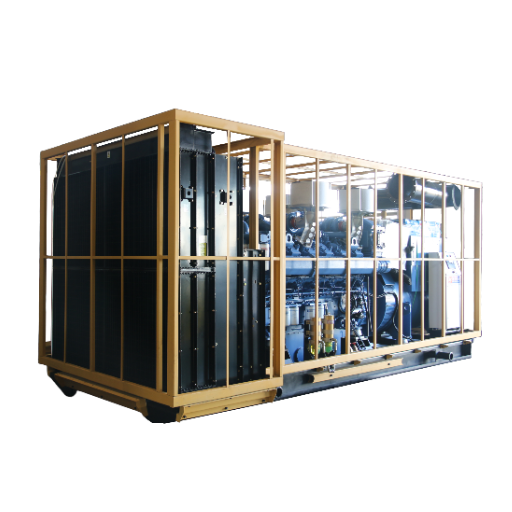
If you just want the number, start here. Find your situation and read across.
| Your Situation | Generator Size |
|---|---|
| Essential circuits only (fridge, lights, furnace fan, sump pump) | 5,000-7,500 W |
| Average 2,000 sq ft home with central AC | 14-20 kW |
| Whole house, gas appliances | 14-22 kW |
| Whole house, all-electric | 25-36 kW |
| House + Level 2 EV charger | 22-26 kW (with load management) |
| Small business, office, retail, clinic | 50-200 kW |
| Large commercial or industrial facility | 200-500+ kW |
In short: for essential backup, 5,000-7,500 watts covers the basics. For whole-house coverage, plan on 14-22 kW with gas appliances or 25-36 kW all-electric. Add an EV charger and you’re at 22-26 kW. Businesses start around 50 kW and scale with square footage and equipment.
Want a number tailored to your exact load list? Run it through ZC Power’s free online generator sizing calculator and skip the guesswork.
What Size Generator Do I Need for My House?
Sizing by Square Footage
Square footage is the fastest way to get a ballpark, because bigger homes tend to have more circuits and larger air conditioners. Use this generator size chart as a starting point, not a final answer.
| Home Size (sq ft) | Typical Generator Size |
|---|---|
| Under 1,000 | 8-12 kW |
| 1,000-1,500 | 10-15 kW |
| 1,500-2,000 | 12-18 kW |
| 2,000-2,500 | 16-22 kW |
| 2,500-3,500 | 22-36 kW |
| 3,500+ | 37-48+ kW |
Here’s the catch: two identical 2,000 sq ft homes can need very different generators. The difference is almost always whether the home is all-electric or gas.
All-Electric vs Gas: The Decision Worth Thousands
This is the single biggest factor most sizing charts ignore. A home that heats with gas, heats water with gas, and cooks with gas puts far less load on a generator than the same home running all of that on electricity.
| Factor | Gas Appliances | All-Electric |
|---|---|---|
| Typical 2,000 sq ft home | 14-22 kW | 25-36 kW |
| Biggest loads | Central AC, well pump | AC + electric heat, water heater, range, dryer |
| Size class | Baseline | Often one full class up |
Priya, a homeowner in Tampa, learned this the expensive way in September 2025. Her neighbor swore a 16 kW standby unit ran his whole 2,100 sq ft home, so she bought the same model. What she missed: his home ran on natural gas, hers was all-electric with a heat pump, an electric water heater, and an induction range. The first time the grid dropped, her generator overloaded and shut down within minutes. She ended up trading up to a 27 kW unit, paying installation twice. Check your heating and water-heating fuel before you trust anyone else’s number.
Whole-House vs Essential Circuits
You don’t have to back up everything. Deciding which circuits are essential can cut your required size in half.
- Essential circuits (fridge, freezer, sump pump, furnace fan, some lights, a few outlets): 5,000-7,500 watts, often a portable or small standby generator.
- Managed whole house (most loads, with big appliances staggered): 14-22 kW.
- True whole house (run everything at once, no management): 22-36 kW depending on fuel type.
Most families land in the middle. A managed whole-house setup covers real life comfortably without paying for capacity you’ll rarely use. If you want a room-by-room approach to deciding what to cover, our guide to whole house generator sizing walks through building the load list and choosing the right capacity. If you’re planning a permanently installed unit rather than a portable, our guide to stationary generator sizing for whole-house backup covers placement, fuel hookup, and capacity in more detail.
Appliance Wattage Chart: Running vs Starting Watts
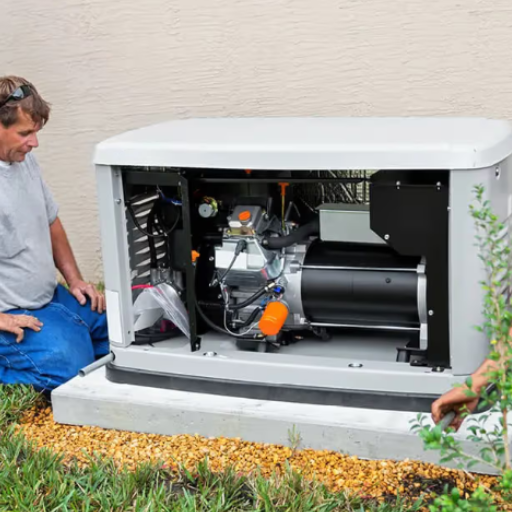
Starting watts are the reason people undersize. Any appliance with a motor, like an air conditioner, pump, or refrigerator, pulls two to three times its running watts for a few seconds at startup. Your generator must cover those surge watts.
| Appliance | Running Watts | Starting Watts |
|---|---|---|
| Refrigerator | 700 | 2,200 |
| Freezer | 700 | 2,200 |
| Sump pump (1/2 HP) | 800-1,000 | 1,300-2,000 |
| Well pump (1 HP) | 1,000 | 3,000 |
| Central AC (3 ton) | 3,500 | 7,000 |
| Central AC (4 ton) | 4,500 | 12,000 |
| Window AC (10,000 BTU) | 1,200 | 3,600 |
| Electric water heater | 4,000 | 4,000 |
| Electric range / oven | 8,000-12,000 | 8,000-12,000 |
| Electric dryer | 5,400 | 6,750 |
| Gas furnace blower | 800 | 1,600 |
| Microwave | 1,000 | 1,000 |
| Lights (10 LED) | 100-1,000 | same |
| TV / computer | 300-500 | same |
| Level 2 EV charger | 7,200-9,600 | (continuous) |
Notice the pattern: resistive loads like water heaters and lights draw the same running and starting. Motor loads spike. For the full engineering treatment of motor starting surge, see our guide on how to size a generator.
What Size Generator Do I Need with an EV Charger?
Level 2 Charger Math
A Level 2 EV charger draws 7.2 to 9.6 kW continuously, for hours. That’s often more than the rest of your house combined. Add it to a home that already needs 14 kW and you’re suddenly at 22 kW or more.Because a charger changes the math so quickly, our dedicated guide to generator sizing for ev charger setups shows how to add one or more Level 2 chargers without overloading your unit.
The Okafor family in Lagos added a Level 2 charger in early 2026 without revisiting their 14 kW standby unit. The first night they charged the car while the air conditioner cycled on, the generator overloaded and shut down. Their installer gave them two choices: trade up to a 24 kW unit, or add a load management module that pauses the charger whenever the AC compressor starts. They chose load management for a fraction of the cost and kept their existing generator.
Three Ways to Avoid Upsizing
- Charge at Level 1 during outages. A standard 120V outlet charges at about 1,400 watts instead of 7,200+. Slower, but it keeps you on a smaller generator.
- Add load management. A module sheds lower-priority loads like the EV charger during AC startup, letting a 22 kW unit behave like a larger one.
- Stagger your charging. Charge the car overnight when the AC demand is lowest, or only when the AC is off.
If you want to charge at full Level 2 speed while the AC runs freely, budget for 24-26 kW. If you’re flexible, 22 kW with load management usually does the job.
What Size Generator Do I Need for My Business?
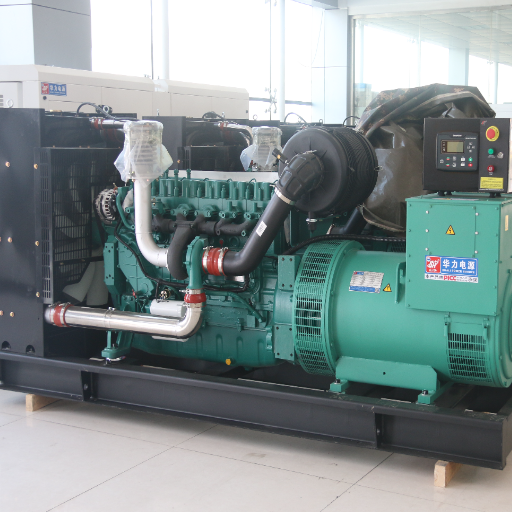
Small Office, Retail, or Clinic (50-200 kW)
Commercial sizing is driven by HVAC, lighting, and any specialized equipment. A 5,000 sq ft office, retail space, or small clinic typically lands between 50 and 200 kW. Daniel, who runs a dental clinic outside Nairobi, initially sized on square footage alone and came out near 60 kW. His actual load list, with two digital X-ray units, a compressor, HVAC, and a small server rack, pushed him to 120 kW. Square footage is a guess; equipment is the truth.
Larger Commercial and Industrial (200-500+ kW)
Bigger facilities follow the same logic at a larger scale, with motor starting and three-phase power dominating the math. Duty rating matters here too: a standby-rated unit is for emergency backup behind a grid connection, while prime or continuous ratings suit round-the-clock duty.For emergency backup systems specifically, our guide to standby generator sizing explains how to match the ESP rating to intermittent outage duty. Our commercial standby generator sizing by industry guide breaks down sector-specific numbers, and the difference between prime vs standby power ratings is worth reading before you specify.
A Quick Note on Fuel-Type Derating
If you’re running on propane or natural gas instead of diesel or gasoline, expect roughly 10-15% less output than the nameplate rating. A unit labeled 100 kW may deliver closer to 85-90 kW on natural gas. Factor that in before you finalize the size.
How to Calculate Your Exact Size in 4 Steps
Charts get you close. This 4-step check confirms the number. It takes about ten minutes.If you want the full math behind each step laid out with worked totals, our dedicated guide to generator load calculation walks through adding running watts, surge, and margin into a final figure.
- List your loads. Write down everything that must run during an outage, split into critical and nice-to-have.
- Add the running watts. Total the running wattage of everything on your critical list (use the chart above or the nameplates).
- Add the biggest starting surge. Add the starting watts of your single largest motor load, usually the AC or well pump. Don’t add every surge, just the largest.
- Add a 20-25% safety margin. Multiply by 1.2 to 1.25, then round up to the next standard generator size.
That margin covers measurement error, aging appliances, and modest future growth. If your number lands between sizes, round up. For the complete engineering version with diversity factors, kVA conversion, and site derating, follow our full 10-step generator sizing method.
5 Quick Sizing Mistakes to Avoid
- Sizing on running watts alone. Starting surge, not running load, sets the floor on any system with motors.
- Ignoring the AC surge. Central air is usually the largest single load and the largest surge. Size for its startup.
- The all-electric surprise. Electric heat, water heater, and range can double your required size versus gas.
- Oversizing for “safety.” A generator run chronically below 30% load suffers wet stacking and early wear. Bigger is not automatically better.
- No safety margin. Buying exactly your calculated number leaves zero room for error or growth.
For a fuller breakdown of each pitfall and how to steer clear of it, see our dedicated guide to the most common generator sizing mistakes.
Not confident in your math? ZC Power’s engineering team reviews load lists for free. Send your inventory and we’ll confirm the size before you commit.
When to Get a Professional Load Calculation
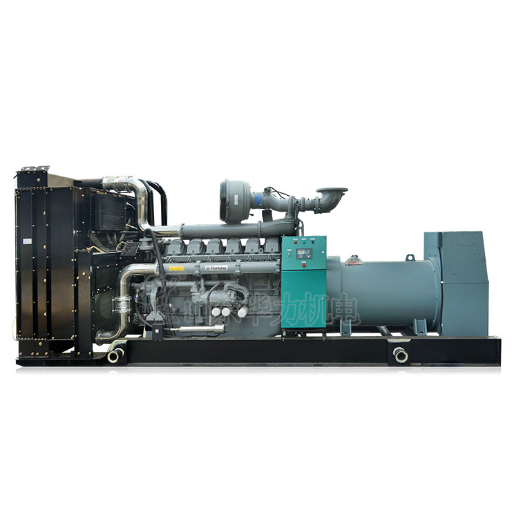
Bring in a qualified electrician or engineer when any of these apply:
- You have a 200 amp single-phase service and want true whole-house coverage
- Your calculated load exceeds 50 kW
- You’re on three-phase power (most commercial buildings)
- The installation needs permits or stamped drawings
- You’re coordinating with an existing automatic transfer switch sizing project, solar, or battery storage
A professional load calculation inspects your actual panel, measures real demand, and keeps you code-compliant. For homes, it’s usually a modest fee. For businesses, it’s often required, and it’s the difference between a generator that works and one that trips the moment the compressors start. Guidance from independent reviewers like Consumer Reports makes a useful cross-check on portable and standby sizing. Interactive tools like the Cummins size calculator let you sanity-check your load list, and NEC Article 220 governs the demand calculations behind them.
Frequently Asked Questions
What size generator do I need to run a house?
Most homes need 14-22 kW for whole-house coverage with central air, or 5,000-7,500 watts for essential circuits only. All-electric homes need more, typically 25-36 kW.
What size generator do I need for a 2,000 sq ft house?
A 2,000 sq ft home with central AC and gas appliances usually needs 16-22 kW. The same home all-electric typically needs 25-30 kW. Square footage is a ballpark; your actual appliance list decides.
How many watts does it take to run a house?
An average home runs on 3,000-5,000 watts at any given moment, but starting surges from the AC and pumps can push the peak past 15,000 watts. You size for the peak, not the average.
What size generator do I need to run a refrigerator and freezer?
A refrigerator and freezer together need about 1,400 running watts and up to 2,200 starting watts each. Add a sump pump, lights, and a furnace fan and you’re comfortably covered by a 5,000-7,500 watt generator.
What size generator do I need for central air?
A 3-ton central AC needs roughly 3,500 running watts but 7,000+ to start. To run the AC plus the rest of a home, plan on 14-20 kW. A 4-ton unit pushes that toward 20-24 kW.
Is a 22kW generator big enough for a house?
For most 2,000-3,000 sq ft homes with gas appliances and one central AC, yes. If your home is all-electric, has multiple AC zones, or runs a Level 2 EV charger at full speed, you’ll likely want 24-30 kW or load management.
Can I run my whole house on a 10,000 watt generator?
Rarely. 10,000 watts covers essential circuits and possibly a window AC, but not a whole home with central air and electric appliances. Whole-house coverage generally starts at 14 kW.
What size generator do I need for my business?
A small office, retail space, or clinic typically needs 50-200 kW, driven by HVAC, lighting, and specialized equipment. Calculate from your equipment list, not square footage, and get a professional load calculation for anything three-phase or permit-bound.
Conclusion and Next Steps
Figuring out what size generator you need comes down to three questions: what has to stay running, is your home all-electric or gas, and do you charge an EV at home. Answer those, check your number against the charts, and confirm it with the 4-step calculation. Most homes land between 14 and 26 kW; most small businesses between 50 and 200 kW.
The costliest mistake is buying on square footage alone. Twenty minutes with a load list beats a wrong-sized generator every time. If you’d rather have the math checked by people who build these machines daily, we’re glad to help.
Try the free online generator sizing calculator for an instant number, or contact the ZC Power engineering team for a free load-list review and a factory-direct quote on the generator that fits your exact needs.