Integrated Standby Power System: Design, Components, and Procurement Guide
An integrated standby power system is a complete, pre-engineered backup power solution that combines the generator set, automatic transfer switch, switchgear, controls, fuel system, and monitoring into one coordinated package. Unlike a standalone genset, it is designed to detect a grid failure, start the engine, transfer the load, and report status, without waiting for separate contractors to make the pieces talk to each other.
A hospital in Southeast Asia learned this distinction the hard way. The facility bought a high-quality 800kW diesel generator from a well-known trading company, then hired a local electrical contractor to source the ATS and switchgear separately. When the first real outage hit, the genset started perfectly, but the transfer switch refused to close because its control voltage did not match the generator’s excitation signal. Critical surgical suites sat dark for 11 minutes while engineers troubleshot mismatched wiring. The problem was not the generator. The problem was integration.
At Shandong ZC Power CO., LTD. (ZC Power), we have engineered turnkey power systems since 1999. In this guide, you will learn what defines an integrated standby power system, how each component contributes, how to design and procure one, and why a factory-direct approach reduces the integration risks that cause projects to fail during commissioning.
For a deeper look at how standby power fits into commercial procurement, see our complete commercial standby generator buying guide.
Key Takeaways
- An integrated standby power system unites the genset, ATS/AMF, switchgear, controls, fuel, and monitoring into a single engineered solution.
- Integration failures, not genset failures, cause most standby power system commissioning delays.
- Factory-direct procurement ensures matched components, pre-shipment testing, and one accountable supplier.
- Hospitals, data centers, manufacturing plants, and remote mining sites each require different redundancy, runtime, and compliance features.
- NFPA 110, NFPA 99, NEC Article 700, and Uptime Institute Tier standards shape system design and testing requirements.
What Is an Integrated Standby Power System?
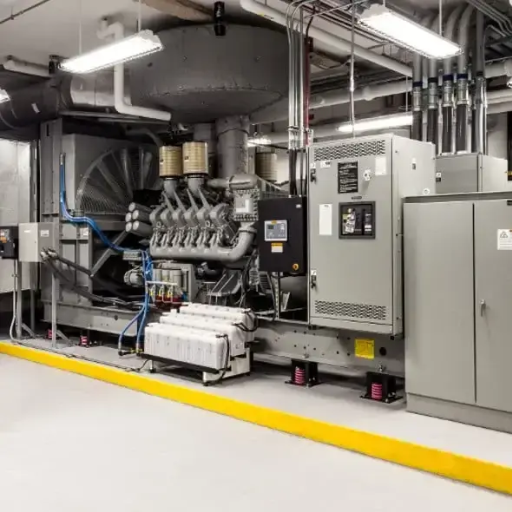
An integrated standby power system is a unified backup power installation engineered to operate as a single system rather than a collection of separately purchased parts. It includes the prime mover and alternator, the automatic transfer mechanism, the distribution and protection equipment, the control and monitoring platform, and the fuel and environmental support systems required for autonomous operation.
The core idea is single-source responsibility. When one supplier designs, builds, and tests the genset, ATS, and control logic together, the interfaces are known and verified before the system ships. That eliminates the finger-pointing that often occurs when a generator vendor, an ATS vendor, and an electrical contractor each blame the others for a failed transfer.
A standalone generator is just a power source. An integrated standby power system is a complete answer to the question: “When the grid fails, how does my facility keep running?”
Core Components of an Integrated Standby Power System
Every integrated system contains the same fundamental building blocks. The difference lies in how tightly they are coordinated.
| Component | Function | Integration Risk If Mismatched |
|---|---|---|
| Diesel genset | Produces electrical power from diesel fuel | Wrong voltage/frequency settings, incompatible governor response |
| AMF/ATS | Detects grid failure and transfers load to genset | Control voltage mismatch, wrong transfer timing, breaker rating too low |
| Switchgear | Distributes, protects, and isolates circuits | Fault coordination failures, insufficient short-circuit rating |
| Control panel | Manages start/stop, alarms, and monitoring | Protocol incompatibility, missing remote monitoring capability |
| Fuel system | Stores and delivers fuel for required runtime | Undersized tanks, poor fuel polishing, delivery logistics ignored |
| Cooling/exhaust | Rejects engine heat and removes combustion gases | Restricted airflow, excessive back-pressure, noise violations |
Diesel Genset
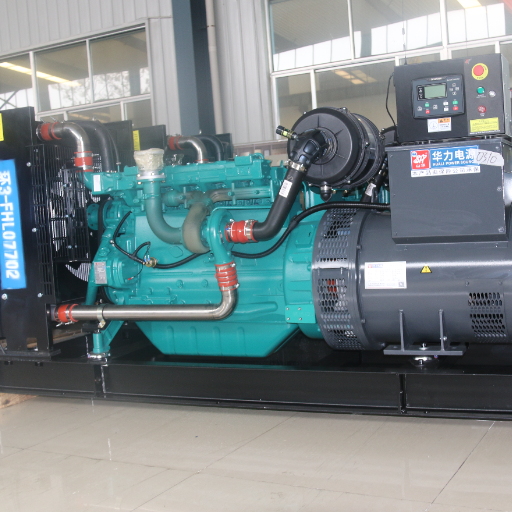
The genset is the heart of the system. It must be sized for the actual running load plus motor starting surges, and it must be rated for the correct duty: standby power (ESP) for grid-backup applications, prime power (PRP) for off-grid or unreliable-grid sites, or continuous power (COP) for base-load operation.
Engine selection matters. A hospital may prioritize fast starting and low noise. A mine may prioritize high-altitude derating tolerance and dust filtration. A data center may need precisely governed frequency stability to protect servers.
AMF Panel vs ATS
An AMF (auto mains failure) panel is the control brain that monitors utility voltage and commands the genset to start when the grid drops. An ATS (automatic transfer switch) is the physical switching device that moves the load between utility and emergency sources. In many integrated standby power systems, these functions are combined in one enclosure.
Specifying an ATS without confirming its control voltage, transfer time, and withstand/close-on rating is one of the most common integration errors.
Switchgear and Distribution
Switchgear adds circuit breakers, metering, protection relays, and busbars. In larger systems it may also include paralleling gear that lets multiple gensets share load. Proper breaker coordination ensures that a fault on one branch does not unnecessarily trip the entire emergency bus.
Control and Remote Monitoring
Modern control panels from Deep Sea Electronics (DSE) or SmartGen provide local display, event logging, and remote communication. Integration means the controller speaks the same protocol as the building management system or SCADA network, and that alarms are configured consistently across genset, ATS, and switchgear.
Fuel, Cooling, and Enclosure
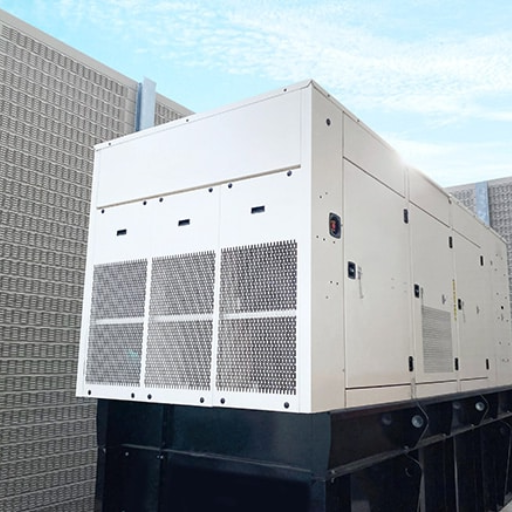
Fuel tank capacity determines runtime. Cooling airflow and exhaust back-pressure determine whether the genset can deliver full rated kW. The acoustic enclosure determines whether the installation complies with local noise limits. These items are often treated as afterthoughts, yet they frequently determine whether a project passes final inspection.
How an Integrated Standby Power System Works
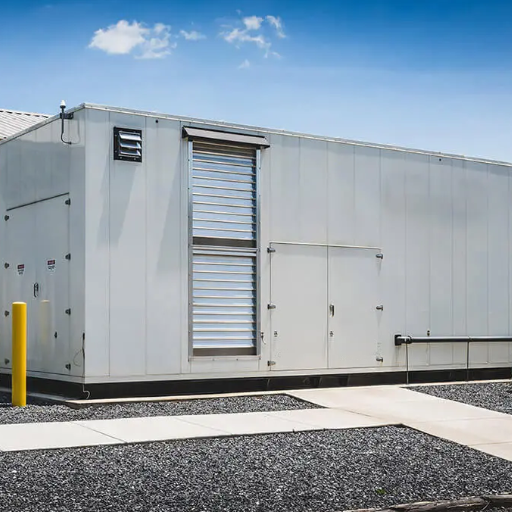
Understanding the sequence helps buyers evaluate proposals and spot weak integration.
Normal mode. Utility power feeds the facility through the ATS. The genset sits at rest, exercised weekly, and the controller monitors mains voltage and frequency.
Outage detection. When the AMF panel senses voltage sag, frequency drift, or total loss beyond a preset threshold, typically 2-5 seconds to avoid nuisance starts, it commands the genset to crank.
Engine starting and stabilizing. The diesel engine starts, reaches rated speed, and the alternator voltage and frequency stabilize. A well-tuned system achieves this in 10-15 seconds for standard diesels, faster for some specialized units.
Load transfer. Once the genset output is stable, the ATS opens the utility breaker and closes the emergency breaker. Open-transition transfer typically takes 2-10 seconds. Closed-transition options avoid the brief interruption required by sensitive loads.
Emergency operation. The genset powers critical loads while the controller monitors oil pressure, coolant temperature, fuel level, and electrical parameters.
Re-transfer and cool-down. When utility power returns and remains stable for a programmed period, the ATS transfers the load back to the grid. The genset runs unloaded for a cool-down cycle, usually 3-5 minutes, before shutting down.
Each step depends on coordinated settings across genset controller, ATS logic, and protection relays. A mismatch in any one setting can cause nuisance cycling, failed transfers, or equipment damage.
Sizing and Designing an Integrated Standby Power System
Sizing must happen at the system level, not component by component. An oversized genset paired with an undersized ATS is a dangerously common mistake.
Load Analysis
Start with a detailed load list. Identify which loads are life-safety, legally required, optional standby, and non-essential. Calculate running kW, starting kVA, power factor, and harmonic content. Motor loads deserve special attention because their inrush current can be 5-7 times running current.
Genset Sizing
Apply the 80% rule: select a genset whose rated standby capacity is roughly 25% above your calculated maximum load. This leaves headroom for motor starting, future growth, and efficient operation. A consistently under-loaded diesel genset suffers from wet stacking, carbon buildup, and shortened life.
ATS and Switchgear Ratings
The ATS must be rated for the system voltage, continuous current, and fault-current level at its location. It must also have a withstand/close-on rating sufficient for the available short-circuit current from either source. Switchgear breakers must coordinate so only the faulted branch opens.
Fuel Tank Sizing
NFPA 110 requires on-site fuel for Level 1 systems to supply the generator at full load for a minimum period, commonly 96 hours for hospitals, though local codes vary. Data centers often target 24-48 hours. Manufacturing plants may need enough fuel to ride out a multi-day regional outage or to cover delays in fuel delivery.
Redundancy and Paralleling
Critical facilities often require N+1 redundancy: enough capacity that the failure of any single genset still leaves adequate backup. Paralleling switchgear lets multiple units share load and provides the path for scalable growth.
Standards and Compliance for Integrated Standby Power Systems
Compliance is not optional, and it shapes component selection, installation, and testing.
NFPA 110 classifies emergency power supply systems by type and level. Type 10 systems must restore power within 10 seconds. Level 1 systems serve facilities where failure threatens life safety. Monthly exercise and annual full-load testing are required.
NFPA 99 governs healthcare facilities. It requires emergency generators to supply essential electrical systems within 10 seconds and mandates specific testing intervals and load levels.
NEC Articles 700, 701, and 702 distinguish legally required standby systems, optional standby systems, and emergency systems. Each has different wiring, separation, and signage rules.
Uptime Institute Tier Standards define data center availability expectations. Tier III facilities require concurrently maintainable power paths; Tier IV requires fault-tolerant configurations with no single point of failure.
IEC and CE requirements apply to international projects. A factory-direct manufacturer should provide documentation suitable for the destination country’s electrical inspector, including single-line diagrams, test certificates, and component datasheets.
Integrated vs Standalone Procurement: Which Is Better?
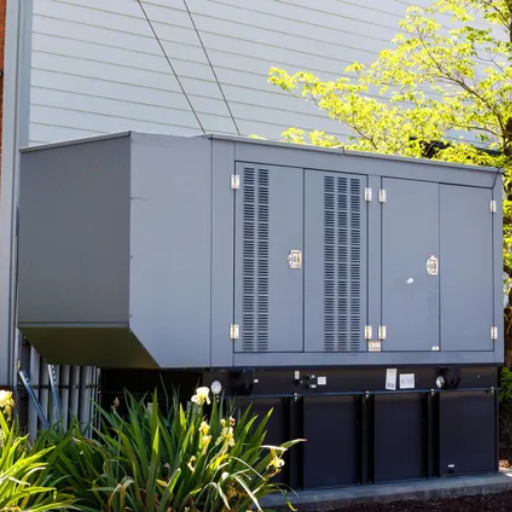
Procurement teams often face a choice: buy an integrated standby power system from one supplier, or buy a generator, ATS, switchgear, and fuel system from separate vendors.
Integrated procurement advantages:
- Single technical contact responsible for system performance
- Components matched at the factory
- Pre-shipment witness testing and load bank verification
- Coordinated documentation and spare parts lists
- Faster commissioning and fewer field surprises
- Clear warranty boundaries
Modular procurement advantages:
- Potentially lower upfront capital if aggressive bidding is available
- Flexibility to use existing switchgear or preferred electrical contractor
- Useful for facilities with strong in-house engineering teams
For most international and mission-critical projects, integrated procurement reduces risk enough to justify any modest premium. The hidden costs of field integration, travel, delays, redesign, and downtime, often erase the apparent savings of buying separately.
A manufacturing plant in North Africa chose an integrated standby power system from ZC Power for exactly this reason. The project included a 1,500kW genset, parallel-capable switchgear, bulk fuel storage, and remote monitoring. Because the system was assembled and tested as one unit before shipping, commissioning took three days instead of the three weeks the client’s previous project had required.
For a broader look at standby generator pricing that includes ATS package costs, see our commercial standby generator cost breakdown.
Industry Applications and Examples
Different industries stress different parts of the integrated system.
Hospitals and Healthcare
The hospital integrated standby power system is life-safety equipment. It must restore power within 10 seconds, support operating rooms, ICU equipment, and fire pumps, and comply with NFPA 99. Redundancy, quiet enclosures, and 96-hour fuel autonomy are typical requirements.
Data Centers
A data center integrated standby power system focuses on availability and scalability. N+1 generator redundancy, closed-transition or no-break transfer, and integration with uninterruptible power supplies are standard. Uptime Institute Tier III or Tier IV certification may be required.
Manufacturing and Warehousing
Manufacturing plants prioritize protecting production lines, inventory, and shipment schedules. The system must handle large motor loads, tolerate voltage dips, and provide enough runtime to complete a safe shutdown or ride out short outages. A properly sized standby generator is the foundation, but the ATS and switchgear must match its characteristics.
Mining and Remote Sites
Remote sites often have weak grids or no grid at all. Their integrated standby power system may operate as prime power during outages and must handle dust, high altitude, and extreme temperatures. Fuel logistics and on-site parts storage become central design concerns.
Need help designing your system? Contact the ZC Power engineering team for a factory-direct integrated standby power system assessment tailored to your facility.
Common Integration Mistakes to Avoid
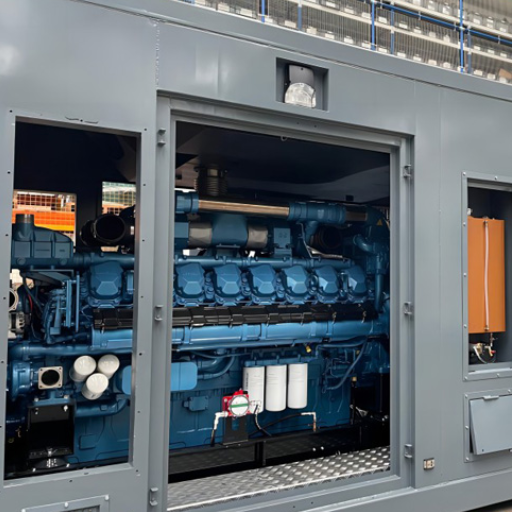
Even well-specified systems fail when integration details are ignored.
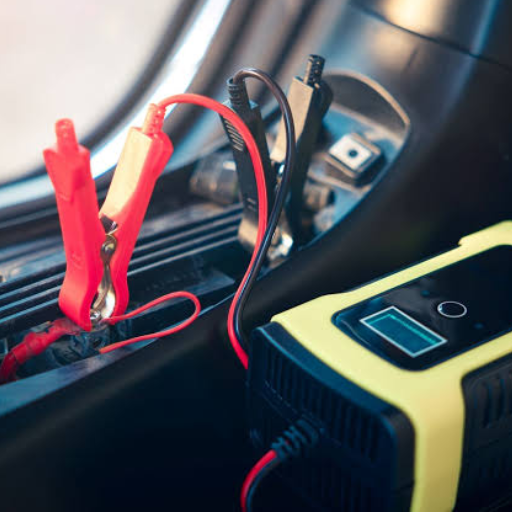
Mismatched control voltages. The ATS coil voltage, genset excitation, and battery charging systems must be coordinated. A 24V control signal sent to a 230V ATS coil will not transfer the load.
Undersized ATS. Selecting an ATS based on genset kW without considering fault-current duty can lead to catastrophic failure during a short circuit.
Ignoring fuel logistics. A tank sized for 24 hours is useless if fuel deliveries cannot reach the site during a flood or civil disturbance.
Poor ventilation design. Containerized and indoor installations need engineered airflow. Restricted cooling reduces output and can trigger shutdowns.
Skipping load bank testing. Factory and site acceptance testing under full load proves the integrated standby power system performs as specified. It is not a formality; it is the only way to catch integration issues before an emergency.
No remote monitoring. A system that cannot report alarms is a system that may fail silently until the next outage. Modern controllers make remote monitoring straightforward and cost-effective.
Conclusion
An integrated standby power system is more than a generator with extras. It is a coordinated set of components engineered to take over automatically when the grid fails, protect critical operations, and provide the documentation and test records that compliance authorities require.
The best systems are sized as a whole, built by a single accountable supplier, and verified through load bank testing before handover. Whether you are protecting a hospital, a data center, a manufacturing plant, or a remote mine, the integration quality determines whether the system works when it matters most.
At Shandong ZC Power CO., LTD., we design, manufacture, and export integrated standby power systems from 100kW commercial units to multi-megawatt containerized power stations. Our engineers match genset, ATS, switchgear, controls, fuel, and monitoring into one tested, documented, and supported package. Contact ZC Power today to discuss your project or request a customized integrated standby power system proposal.