Inverter Generator: Complete Technical Guide for 2026 [How It Works + When to Choose]
Last summer, a family in Florida went $3,200 to electronics bankruptcy in two days after a hurricane power outage went through the HVAC control board, smart TV, and refrigerator PC from a new generator. Why? There was confusion about what type the generator should be-someone thinking that standard generators could carry the day. In this case, the regular cube squicked its coils with all sorts of voltage and harmonic distortion on as many microprocessor-based appliances they were hosting.
When you look for backup power options, it is obvious that you will be faced with inverters versus traditional models. There are many differences in the technology and this choice, inevitably, can turn out to be hefty. But in most consumer buying guides, people keep turning a blind eye on this issue, choosing to communicate, instead, what elements set aside the two aforementioned technologies.
This comprehensive technical serves a guide from ZC Power’s engineering team, detailing exactly how inverters work, when inverter generators might be the best choice for clean power relations and critically when your demand goes beyond what portable generators offer, and industrial-grade solutions meet your needs. Recommending based on 25-year experience that includes serving over 100 countries in the engineering challenge, we might help you get an informed decision to make, rather than a decision prompted by marketing claims.
Wondering about the full scope of electric generators? (Read Electric Generators: Complete Guide to Types, Applications & Selection) for all-around insights into their categories, uses and selection tips.
What Is an Inverter Generator?
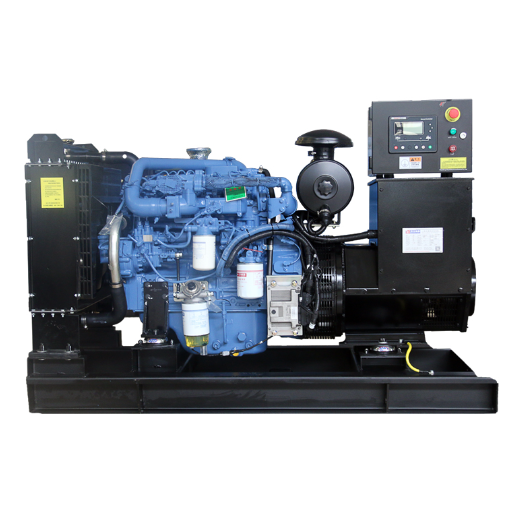
Inverter generator is a portable power unit that provides stable and clean power through technology involving a three-stage conversion. Traditional generators produce raw alternating current out of their alternator, going straight-via. Inverter generators, on the other hand, offer a pure-sine waveform with minimal harmonic distortion through electronic processing of power.
The AC-DC-AC Conversion Process
The technical magic of inverter generators happens through a precise sequence of electrical transformations:
Stage 1: High-Frequency Generation
The engine drives a compact, high-speed alternator that generates three-phase alternating current at frequencies much higher than standard 60Hz. This initial power is unstable and unsuitable for direct use.
Stage 2: Rectification to DC
The high-frequency AC becomes DC thanks to a bridge rectifier. The DC power, damped by capacitor banks, makes a stable electrical base for the next stage.
Stage 3: Inversion Back to Clean AC
An inverter module receives DC power, and it contains IGBTs (Insulated Gate Bipolar Transistor) or MOSFETs switching at rates between 10 kHz and 50 kHz. Pulse Width Modulation (PWM) switches were included for the precise generation of this sine wave in view of switching the open time. This leads to power at 120V/60Hz at less than 3% Total Harmonic Distortion (THD), as opposed to a situation with 25 percent or even higher THD with no less than traditional generators.
Pure Sine Wave Technology
For any modern electronics, power quality is the ultimate guarantee. Inverter generators create a nice, alternate sine-wave form that mimics grid power, which is sought-after in the following ways:
- Microprocessors need clean power: Computers, medical equipment, and intelligent appliances carry sensitive circuits that either fail or lose functionality owing to voltage changes.
- Motors are now quieter and cooler running: The modified square wave power and sine wave power would lead to overheating and hissing from the engine.
- No need for extra surge protection: The built-in voltage regulation replaces the need for conditioner or surge protection.
Recall what happened to Sarah Chen of Colorado, a remote worker who had bought a common, unmanageable generator for her mountain cabin. During her first fall-out through winter storms, she hooked her laptop, Starlink satellite to provide Internet, and air purifier of medical grade for her presence off-site. In just a few hours of operation, escalating Voltages from the genuine generator zapped the laptop motherboard and fried the control panel of the air purifier. An inverter generator would have been a more preferable choice to ensure constant power to these devices.
Inverter Generator vs Traditional Generator
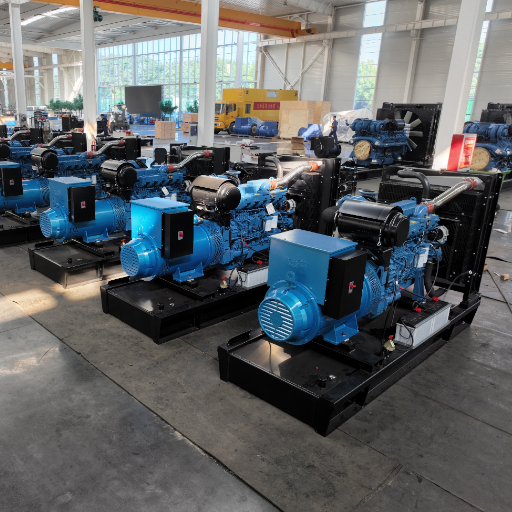
Understanding the fundamental differences helps you select the right technology for your specific application. Here is a comprehensive comparison:
| Feature | Inverter Generator | Traditional Portable | Industrial Diesel |
|---|---|---|---|
| Power Quality | Pure sine, <3% THD | Raw AC, 10-25% THD | Depends on alternator design |
| Noise Level | 50-60 dB (conversation) | 70-90 dB (vacuum cleaner) | 75-85 dB with enclosure |
| Fuel Efficiency | 40-60% better | Constant consumption | Load-dependent, optimized |
| Maximum Output | 1,000-7,000W | 3,000-15,000W | 8kVA to 4,000kVA+ |
| Weight | 30-60 lbs | 70-150 lbs | 500+ lbs |
| Purchase Cost | 800−800−3,000 | 400−400−1,500 | 5,000−5,000−500,000+ |
| Engine Speed | Variable (Eco-Throttle) | Fixed 3,600 RPM | Variable load-based |
Need detailed technical know-how for portable electric generators this year? (Read Portable Electric Generator: Complete Technical Guide 2026 [Types, Sizing & Safety])for professional guidance on types, sizing and safety protocols.
When Inverter Generators Excel
Sensitive Electronics Applications
Inverter generators are essential when powering devices with microprocessors: laptops, smartphones, modern HVAC systems, LED televisions, and medical equipment like CPAP machines. The <3% THD ensures these devices operate safely without risk of damage from voltage spikes.
Noise-Sensitive Environments
Inverter generators, at 50-60 decibels, operate more softly than human conversation. This renders them perfect for outdoor camping where noise is restricted, residential back-up during power outages, and outdoor events that might disturb visitors with the noise of generators.
Fuel Efficiency Priorities
The Eco-Throttle system automatically regulates engine speed by electrical demand. When light loads are added, the engine slows down, burning less fuel per hour than a conventional generator lasting at a constant RPM, regardless of the load. The cost advantage of going with an ultra-efficient generator would pay off the larger initial expense within 2-3 years by way of dictates.
Portability Requirements
Inverter generators are best for people who want portable generators through increased portability associated with compact designs and lighter weight; hence, camping, contractor work sites, or even tailgating; just one person can transport a 2000W inverter generator easily.
When Traditional Generators Make Sense
Maximum Wattage on Limited Budget
If you need 7,500W or more for heavy construction tools, air compressors, or whole-house backup, traditional generators deliver more power per dollar spent upfront.
Occasional Emergency Use Only
For homeowners who need backup power once every few years during storms, the fuel efficiency advantages of inverters matter less than minimizing initial purchase cost.
Heavy Inductive Loads
Equipment without sensitive electronics, such as incandescent lighting, simple power tools, and resistive heaters, tolerates the “dirty” power from traditional generators without issue.
When Industrial Diesel Generators Become Necessary
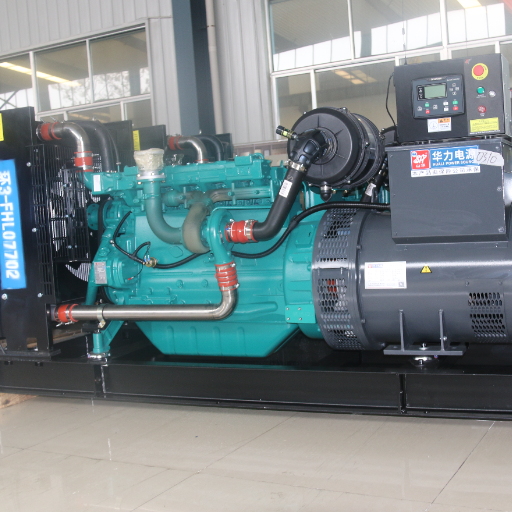
Here is where ZC Power’s expertise becomes relevant. Portable generators, whether inverter or traditional, have firm limitations. When your power requirements exceed approximately 7,000 watts continuous, or when reliability is mission-critical, industrial diesel generators become the professional standard.
Applications requiring industrial diesel include:
- Manufacturing facilities with three-phase equipment
- Data centers requiring N+1 redundancy
- Hospitals with life-safety power requirements
- Mining and construction sites needing 24/7 prime power
- Facilities requiring automatic transfer switch integration
How Inverter Generators Work: Technical Deep Dive
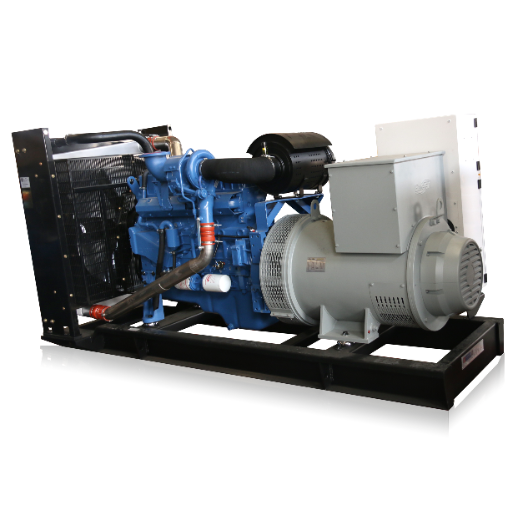
Understanding the engineering helps you appreciate why inverter generators command premium prices and why they are worth that investment for specific applications.
Microprocessor-Controlled Voltage Regulation
Traditional generators rely on mechanical governors and voltage regulators that respond slowly to load changes. Inverter generators use microprocessors that monitor output voltage 10,000+ times per second, making instantaneous adjustments to maintain ±1% voltage stability. This precision is impossible with mechanical systems.
Pulse Width Modulation (PWM) Explained
As far as the key technology of producing the sine waves through Pulse Width Modulation (PWM) is concerned, it is the inverter’s function to rapidly switch the direct current on and off, while modulating the pulse width so that at the end the contour of a sine wave is emulated. When the sine wave is supposed to be at peak voltage, pulses have to remain in the “on” position for a longer period of time. At near zero voltage, pulses become brief pulses. These fast pulses are smoothed out by a low-pass filter into a nice, clean, and steady sine wave.
Eco-Throttle Fuel Efficiency Technology
The microprocessor does much more than regulate voltage, concentrating on monitoring the electrical load continuously, then giving commands only when necessary for the engine to operate. When a 200W fridge on a 2,000W inverter generator is running, the engine spins slowly, consuming less fuel. The microprocessor increases the engine speed at once to fulfill the newly added microwave oven load of 1,500W. With a normal generator, it just operates at full speed incurring high fuel consumption in light loads.
Real-world fuel savings example:
- Traditional 3,500W generator at 50% load: 0.6 gallons/hour
- Inverter 3,500W generator at 50% load: 0.3 gallons/hour
- Over 100 hours of runtime: 30 gallons saved
- At 3.50/gallon:3.50/gallon:105 savings per 100 hours
For contractors using generators daily, these savings accumulate to thousands of dollars annually.
Key Benefits of Inverter Generators
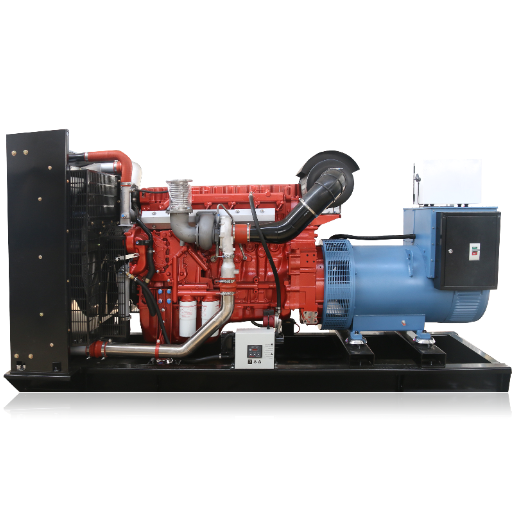
Electronics-Safe Power Delivery
The primary advantage is protection for sensitive devices. Modern homes contain dozens of microprocessor-controlled appliances: refrigerators with digital displays, smart thermostats, LED lighting with electronic drivers, and entertainment systems. All of these risk damage from the voltage fluctuations and harmonic distortion of traditional generator power.
Parallel Operation Capability
Many invert generators feature parallel kit that would give you an opportunity to connect two units together. This, in a way, doubles your power output without actually buying a big, oversized model. For instance, two 2000W Honda inverter generators, connected in parallel, would give you 4000W. Modular capability ensures that your needs are accommodated with expansions.
Reduced Maintenance Requirements
Variable speed drives produce lower wear and tear since they regulate the speed and do not run consistently at 3,600 RPM. The electronic control systems ensure the elimination of the carburetor or speed controls and voltage regulator requiring constant tuning or eventual replacement in conventional generators.
CARB Compliance and Environmental Standards
Most of today’s inverter generators meet the stringent criteria put in place by the California Air Resources Board (CARB). They deliver fewer pollutants per kilowatt-hour than their conventional counterparts and thus are good for the Earth if installed within an area that requires strict rules regarding air quality.
Limitations and Considerations
Power Output Ceiling
The most significant limitation is maximum capacity. Even the largest portable inverter generators top out around 7,000 watts. This is insufficient for:
- Whole-house air conditioning systems
- Large workshops with multiple power tools
- Commercial applications with three-phase equipment
- Industrial pumps and motors over 3 HP
Higher Initial Purchase Cost
Inverter generators typically cost 2-3 times more than conventional generators of equivalent wattage. The electronics, microprocessors, and advanced alternators add manufacturing cost. Buyers must evaluate whether the benefits justify this premium for their specific use case.
Electronic Complexity and Repair Costs
While generally reliable, inverter generators contain complex circuit boards and electronic components that can fail. Repairs often require specialized knowledge and parts, compared to the simple mechanical systems in traditional generators that any small engine mechanic can service.
Environmental Sensitivity
The electronic components in inverter generators are more sensitive to extreme conditions:
- High altitude reduces output by 10-20% at 5,000 feet elevation
- Extreme heat can trigger thermal protection shutdowns
- Moisture and dust require more careful management than with open-frame traditional generators
Safety Considerations for Generator Operation
Carbon Monoxide Poisoning Prevention
Generators produce deadly carbon monoxide gas. The Consumer Product Safety Commission reports approximately 900 generator-related CO deaths annually in the United States. Critical safety rules:
- Never operate any generator indoors, including garages or basements
- Position generators at least 20 feet from windows, doors, and vents
- Install battery-operated CO detectors in your home
- Since 2025, UL 2201 requires CO sensors on new generators that automatically shut down the engine when dangerous CO levels are detected
Electrical Safety
- Use heavy-duty extension cords rated for your load amperage
- Ensure proper grounding according to manufacturer instructions
- Never backfeed power into household wiring without a transfer switch
- Keep generators dry and protected from rain
Fuel Safety
- Store gasoline in approved containers away from living spaces
- Allow the generator to cool before refueling
- Do not overfill fuel tanks
- Propane-powered units eliminate gasoline storage hazards
Sizing Guide: What Size Inverter Generator Do You Need?
Common Application Requirements
| Use Case | Recommended Size | Typical Runtime | Key Considerations |
|---|---|---|---|
| Camping/RV basics | 2,000-3,000W | 4-8 hours | Refrigerator, lights, phone charging |
| Home essentials | 3,500-5,000W | 6-10 hours | Fridge, freezer, sump pump, lights |
| Home with AC | 6,000-7,000W | 4-6 hours | Window unit or small central AC |
| Job site tools | 3,000-6,500W | 6-8 hours | Circular saw, drill, compressor |
| RV with AC | 3,000-4,000W | 5-8 hours | Roof AC requires high starting watts |
Calculating Your Exact Needs
- List all devices you need to power simultaneously
- Record running watts for each device (usually on nameplate)
- Identify starting watts for motors (typically 3x running watts)
- Add 20% safety margin for calculation errors and future needs
- Check parallel capability if your needs might grow
Example calculation for home essentials:
- Refrigerator: 700W running / 2,200W starting
- Freezer: 500W running / 1,500W starting
- Sump pump: 800W running / 2,400W starting
- Lights (10 LED): 100W running
- Phone/laptop charging: 100W running
Total required: 2,400W running + 4,000W highest starting surge = 4,000W minimum generator size
When to Upgrade to Industrial Diesel Power
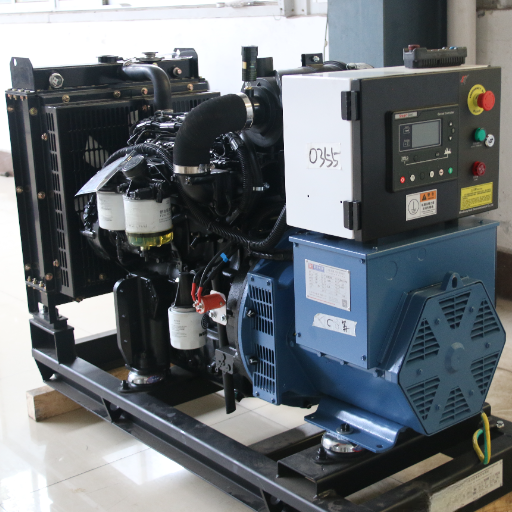
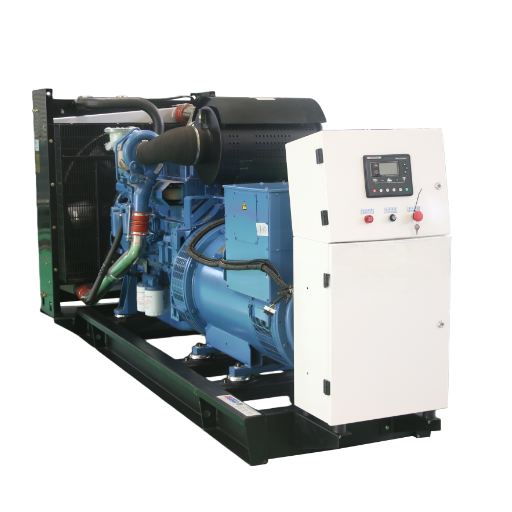
While inverter generators serve residential and light commercial needs admirably, certain applications demand industrial-grade diesel generator sets. At ZC Power, we specialize in these heavy-duty applications where portable units fall short.
Indicators You Need Industrial Diesel
Power Requirements Exceed 7kVA
You are now in the industrial realm when your facility is in need of more than 7000 watts of continuous power. Our diesel generators start with an 8kVA (6400W) model and go up to a whopping 4000kVA for mega-scale facilities.
Three-Phase Power Needs
Commercial as well as industrial equipment often require three-phase power (400V/230V or 480V). 3-phase output is not possible with a portable inverter generator. ZC Power industrial-grade generators are thus available in one-phase and three-phase configurations.
Mission-Critical Applications
Hospitals, data centers, and emergency services cannot tolerate power interruptions. Industrial diesel generators with ATS (Automatic Transfer Switch) start up instantaneous backup power within milliseconds of grid failure. Our AMF (Auto Mains Failure) panels are an automatic linking port to these facilities.
Extended Runtime Requirements
Portable generators usually come with tiny fuel tanks that require frequent refilling, while industrial generators offer large base tanks or external fuelling systems, which can provide 24-72+ hours of continuous operation. This is essential for remote facilities or situations involving long outages.
Prime Power Applications
If your site lacks grid connection entirely (remote mining, construction, oil and gas), you need prime power-rated generators designed for continuous operation. Portable units are designed for standby use only, typically rated for 200 hours annually.
The ZC Power Advantage
When your needs exceed portable inverter capabilities, ZC Power provides factory-direct industrial solutions:
- National Standard Testing: Every unit verified at 100% rated load before shipment
- Custom Engineering: Voltage, frequency, and enclosure configurations for your specific requirements
- Global Export Expertise: 25 years shipping to over 100 countries
- 80+ Technical Engineers: Direct factory support for installation and maintenance
Frequently Asked Questions
What is the difference between an inverter generator and a regular generator?
Inverter generators offer high-end performance, as microprocessor-controlled inversion converts unstable AC to stable DC and then back to cleaner AC. The power produced is virtually sine wave here as well, with less than 3% harmonic distortion. This is quite the opposite of the heavy distortion and voltage fluctuations, damaging sensitive electronic devices, associated with conventional generators.
Can an inverter generator power my entire house?
Smaller wattage inverter generators can run essential circuits of around 7kW, for example: fridge, freezer, lights, and a compact window AC unit. Yet it would not suffice for the whole-house central air conditioning system and electrical heating (a load ranging from 10kW to 20kW). For full house backup one ought to go in for a personalized stationary generator system.
Are inverter generators worth the extra cost?
For those users who control delicate electronics, work in noise sensitive areas or operate the generator frequently (more than 100 hours/year), fuel efficiency benefits and engine protection validation will certainly justify the extra costs. For emergency use to power light home appliances, the conventional units would have high value.
How long do inverter generators last?
Taking good care of an inverter will ensure 10 – 20 years of life or 1,000 -2,000 hours of operations. The electronic components are generally reliable, but new parts can be expensive. The life of an inverter can be extended significantly through maintenance, which includes oil changes, regular replacement of air filters, and proper storage.
Can you parallel any two inverter generators?
No. Commonly it may only be ensured via distilled compatibility of all the coupled devices with form. Generators parallel if they are from the same or teams from a single-source manufacturer, e.g. the Honda EU. Also, in similar generative series, Yamaha EF will parallel the EF units. Never attempt to parallel generators of different brands or models.
Do inverter generators need special maintenance?
What one should know about inverter generator maintenance: It could include the usual: the need to replace the engine oil, to change the air cleaner, to replace the spark plugs, and to keep fuel injections cleaned. Inverter generators should be run under load from time to time to exercise the inverter electronics. When storing, use fuel stabilizer, keep the unit clean, and put it where it stays dry.
Why are inverter generators so quiet?
There are three conditions that contribute to quiet operation: the sound-attenuated housing, the variable speed of the engine, running slower on light loads than on heavy loads, and inverter technology that eliminates mechanical voltage regulators from the system. What this collection does is leave you with a quiet generator capable of producing 50-60 dB if compared to a normal voice, whereas traditional open-frame generators offer 70-90 dB.
Conclusion
Inverter generators represent a significant advancement in portable power technology. Their ability to deliver clean, stable electricity safely powers sensitive electronics that traditional generators would damage. The fuel efficiency, quiet operation, and portability make them ideal for camping, RVing, residential backup of essential circuits, and contractor use.
Key takeaways:
- Inverter generators use AC-DC-AC conversion to produce pure sine wave power with <3% THD
- They excel at powering sensitive electronics, operating quietly, and saving fuel through Eco-Throttle technology
- Higher purchase costs are offset by fuel savings and equipment protection for frequent users
- Power output is limited to approximately 7,000W maximum
- When your needs exceed portable capabilities, industrial diesel generators provide the professional-grade solution
Industrial diesel generator sets are the industry norm in the case of over 7,000 watts, three-phase power, auto transfer switching, or prime operating hours. Such applications require the engineering, ruggedness, and support only achievable by leading manufacturers.
Shandong ZC Power CO., LTD., has been crafting industrial power solutions from 1999 to date. Our 300,000-square-meter facility and national-standard testing center warrant each generator’s delivery of a hundred percent of the rated capacity. Whether you need an inverter unit portable for recreational use or an industrial installation in the multi-megawatt range, knowing the information comes in handy when choosing the best investment.
Interested in the science behind silent generator noise reduction? (Read Silent Generator: Complete Technical Guide 2026 [How Noise Reduction Technology Works]) to explore its core noise-canceling tech details.