Portable Electric Generator: Complete Technical Guide 2026 [Types, Sizing & Safety]
The construction crew in Colorado located their job site in 2019 when they established three portable generators to supply power. The system which had two power generators by noon experienced a complete shutdown because voltage fluctuations caused permanent damage to their control systems. The crew discovered through practical experience that most portable generators need to meet specific power requirements of contemporary electrical tools and advanced electronic devices.
You will find numerous contradictory statements about backup power solutions when you assess portable generator options for your home business or recreational activities. The power quality differences between different electrical systems become hidden when manufacturers present their wattage ratings. The marketing materials do not provide an explanation about the essential need for a 3,000 inverter generator in certain situations while a 400 conventional unit can meet other needs. The selection of an incorrect option will result in damaging equipment and creating safety risks and losing financial investments.
ZC Power provides an engineering guide which demonstrates the functioning of portable generators through technology comparisons and identification of situations which require industrial generators instead of portable generators. Our company has spent 25 years manufacturing power systems which we have distributed to more than 100 countries. We believe that learning these fundamental concepts will help you to choose suitable investments.
Wondering about the full scope of electric generators? (Read Electric Generators: Complete Guide to Types, Applications & Selection) for all-around insights into their categories, uses and selection tips.
What Is a Portable Electric Generator?
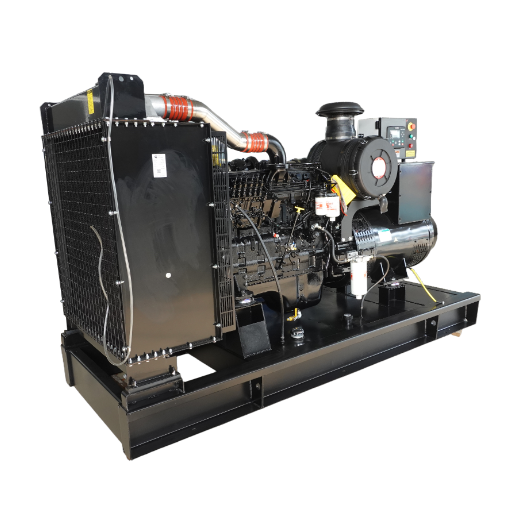
A portable electric generator serves as an independent power system which generates electrical energy through its process of converting chemical fuel into power via mechanical rotation. The design of portable units enables movement between different locations through their built-in wheels and handles and their ability to be moved as compact units.
Key Characteristics
Portable generators occupy a distinct category in the power equipment market:
- Mobility: Weighing 30 to 300 pounds, designed for transport rather than permanent installation
- Power Range: Typically 1,000 to 17,500 watts output capacity
- Fuel Types: Gasoline, diesel, propane, or battery storage
- Runtime: 6 to 20 hours on a single fuel load depending on tank size and load
- Connection: Standard 120V household outlets plus twist-lock receptacles for higher amperage
How Portable Generators Work: Electromagnetic Induction
Every portable generator uses the basic operational system which Michael Faraday discovered through his 1831 research on electromagnetic induction. The movement of a conductor through a magnetic field causes electrons to move through the conductor. Generators scale this principle to create electrical power which people can use.
The Energy Conversion Process:
Step 1: Chemical to Mechanical
The engine generates controlled explosions through fuel combustion which powers the pistons. The pistons in the system transform fuel chemical energy into rotational mechanical energy.
Step 2: Mechanical to Electrical
The engine crankshaft connects to an alternator containing a rotor (spinning magnetic field) and stator (stationary wire windings). The rotor spins to create a magnetic field which produces electrical current that flows through the stator windings. This demonstration shows the practical application of Faraday’s law.
Step 3: Voltage Regulation
The voltage regulator maintains constant voltage output for North America at 120V and for most other regions at 230V by controlling the alternator’s magnetic field strength.
Step 4: Power Distribution
The generated alternating current flows to the control panel outlets, ready to power connected devices.
The story of Jennifer Walsh who operated a food truck business in Austin shows an important lesson. She bought a 5,000-watt portable generator because she needed a generator with that specific wattage capacity. The high temperatures of the afternoon peak period caused her commercial refrigeration system to experience continuous breakdowns. Her standard generator produced 18% Total Harmonic Distortion (THD) while her refrigeration compressors needed power with under 5% THD for proper operation. She lost $1,400 because she did not understand power quality measurement which goes beyond wattage specification.
Main Components
| Component | Function |
|---|---|
| Engine | Supplies mechanical energy through fuel combustion |
| Alternator | Converts mechanical rotation to electrical output |
| Fuel System | Delivers fuel from tank to engine (6-8 hour typical capacity) |
| Voltage Regulator | Maintains consistent voltage output under varying loads |
| Control Panel | User interface with outlets, switches, and meters |
| Cooling/Exhaust | Manages engine heat and directs exhaust gases safely |
Types of Portable Electric Generators
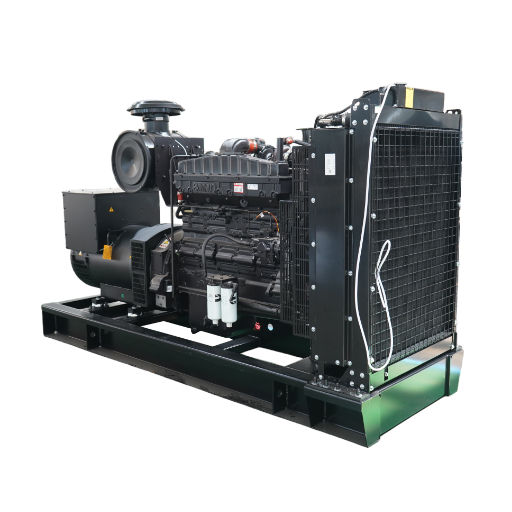
Understanding the four main types of portable generators helps you match technology to application. The three types of portable generators show different power system performance trade-offs which include power quality, noise emissions, fuel consumption efficiency, and total expenditure.
Conventional Portable Generators
Conventional generators represent the traditional design: an engine running at constant speed driving an alternator that produces AC power directly.
How They Work
The engine maintains a fixed 3,600 RPM (revolutions per minute) to produce standard 60Hz alternating current in North America. The electrical system operates at a constant speed, which helps with system operation but results in system performance losses.
Characteristics
- Higher Total Harmonic Distortion (10-25% THD)
- Lower cost per watt of output
- Simpler mechanical design with fewer failure points
- Higher noise levels (70-90 dB)
- Heavier for equivalent wattage
Best Applications
Construction sites which use basic power tools and emergency home backup systems that only support essential appliances and situations which need to prioritize initial purchase costs above their future fuel efficiency and power quality.
Inverter Generators
Inverter generators represent a technological leap, using electronic processing to deliver clean, stable power.
How They Work
Inverter generators generate high-frequency AC their first step which they convert to DC before their final step which they create pure 60Hz AC through microprocessor-controlled electronics. The system uses three different stages to achieve exact voltage control.
Characteristics
- Pure sine wave output with less than 3% THD
- Variable engine speed via Eco-Throttle systems
- Quiet operation (50-60 dB, comparable to conversation)
- 40-60% better fuel efficiency
- Compact and lightweight designs
- Higher purchase cost per watt
Best Applications
Powering sensitive electronics and residential backup systems which support modern appliances and all situations which require precise power delivery to maintain equipment durability.
Curious about inverter generator fundamentals and selection timing? (Read Inverter Generator: Complete Technical Guide for 2026 [How It Works + When to Choose]) for clear explanations of its working principle and applicable scenarios.
Portable Power Stations (Battery)
Battery-based portable power stations have emerged as a silent, emissions-free alternative for light-duty applications.
How They Work
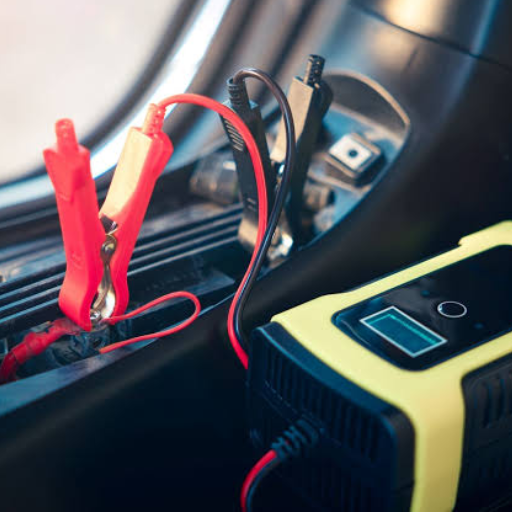
These units store energy in lithium-ion battery packs and convert DC battery power to standard AC through built-in inverters. They charge from wall outlets, car chargers, or solar panels.
Characteristics
- Zero emissions during operation
- Completely silent
- Limited runtime determined by battery capacity
- Solar charging capability for off-grid use
- Lightweight (7-50 pounds typical)
- Highest cost per watt-hour
Best Applications
Short power outages (2-12 hours), indoor use where exhaust ventilation is impossible, camping with minimal power needs, and as supplementary power for specific devices during emergencies.
Diesel Portable Generators
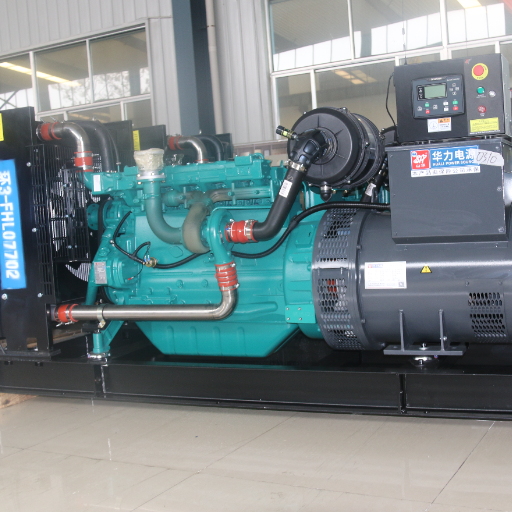
Diesel-powered portable generators occupy the heavy-duty end of the portable spectrum, offering durability and efficiency for demanding applications.
How They Work
Diesel engines reach higher combustion temperatures by squeezing air into its smallest part. These are so that the first ignition takes shape due to an individual diesel silhouette, while the weighted-diesel burns hotter and completes greater efficiency relative.
Characteristics
- Most durable for continuous heavy use
- Best fuel efficiency among combustion generators
- Longer engine lifespan (often 5,000-10,000+ hours)
- Higher initial cost
- Heavier construction (100-300+ pounds)
- Higher noise levels without sound enclosures
Best Applications
Construction sites requiring daily use, remote industrial operations, agricultural applications, and situations where fuel efficiency and longevity outweigh portability concerns.
Portable Generator Comparison
| Feature | Conventional | Inverter | Battery | Diesel |
|---|---|---|---|---|
| Power Quality | 10-25% THD | <3% THD | Pure DC/AC | 5-15% THD |
| Noise Level | 70-90 dB | 50-60 dB | Silent | 75-85 dB |
| Fuel Efficiency | Moderate | High | N/A (battery) | Highest |
| Runtime | 6-12 hours | 8-15 hours | 2-12 hours | 10-20 hours |
| Weight | 50-150 lbs | 30-60 lbs | 7-50 lbs | 100-300 lbs |
| Initial Cost | 300−300−800 | 500−500−2,000 | 500−500−3,000 | 1,500−1,500−5,000 |
| Best Use | Construction | Electronics | Indoor/short | Industrial |
Sizing Guide: What Size Portable Generator Do You Need?
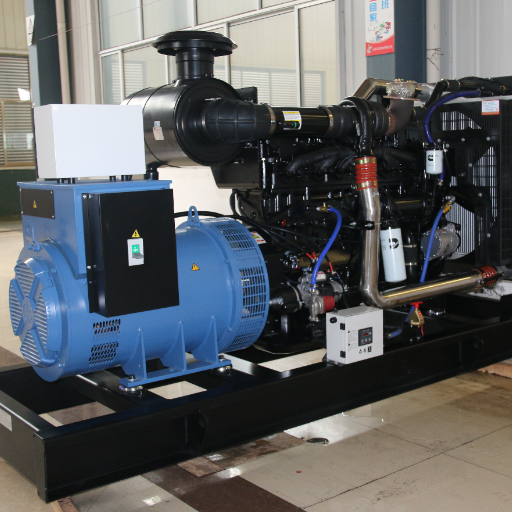
Selecting the right generator size prevents both dangerous overloads and wasted investment in excess capacity.
Wattage Requirements by Application
| Use Case | Recommended Size | Runtime Priority | Key Considerations |
|---|---|---|---|
| Camping/RV (basic) | 2,000-3,000W | 8-12 hours quiet | Refrigerator, lights, device charging |
| Home essentials | 3,500-5,000W | 8-10 hours | Fridge, freezer, sump pump, lights |
| Home with AC | 5,000-7,500W | 6-8 hours | Window unit or small central AC |
| Construction site | 5,000-10,000W | 10+ hours | Multiple tools, durability priority |
| Industrial tools | 7,000-15,000W | Extended | Heavy motor starting requirements |
Running Watts vs Starting Watts
Starts for electric motors need far higher levels of power than that during continuous running state. For example, a fridge may usually require 700 watts during regular operation–but 2,200 watts at the instant the compressor turns on. This starting load, typically ranging from 3 to 7 times the run watts, sets the generator’s capability to handle specific loads.
Sizing Calculation Method:
- List all devices you need to power simultaneously
- Record running watts for each device (usually on nameplate or manual)
- Identify which device has the highest starting watt requirement
- Calculate: Total running watts + highest starting surge = minimum generator size
- Add 20% safety margin for calculation errors and future needs
Common Appliance Wattages:
- Refrigerator: 700W running / 2,200W starting
- Freezer: 500W running / 1,500W starting
- Microwave: 1,200W (no surge)
- Circular saw: 1,500W running / 3,000W starting
- Air compressor (1 HP): 1,500W running / 4,500W starting
- Window air conditioner: 1,200W running / 3,600W starting
Safety Considerations for Portable Generators
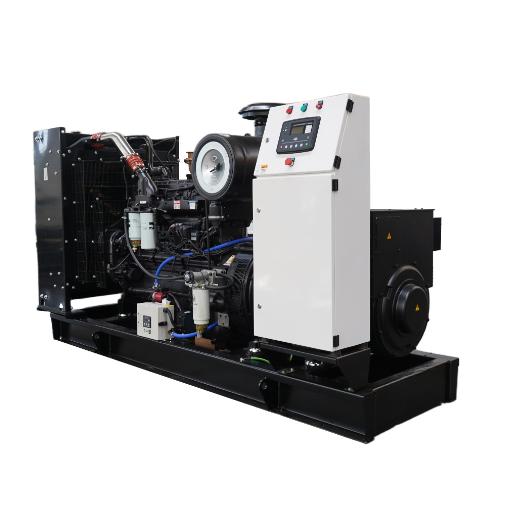
To operate generators safe and sound, operators must be aware of the various hazardous situations that may arise. The Consumer Product Safety Commission reports that approximately 900 deaths due to generators, which can be avoided by observing proper safety measures, as receive been annually in the United States.
Carbon Monoxide Poisoning Prevention
Carbon monoxide (CO) is an odorless, colorless gas that kills within minutes at high concentrations. Generators produce dangerous CO levels rapidly.
Critical Safety Rules:
- Never operate any generator indoors, including garages, basements, or enclosed porches
- Position generators at least 20 feet from windows, doors, and vents
- Install battery-operated CO detectors in your home
- Since 2025, UL 2201 requires CO sensors on new generators that automatically shut down when dangerous levels are detected
Electrical Safety
- Use extension cords rated for your load amperage (check gauge versus length)
- Ensure proper grounding according to manufacturer instructions
- Never backfeed power into household wiring without a transfer switch (illegal and deadly to utility workers)
- Keep generators dry; operate under open canopies rather than enclosed shelters during rain
Fuel Safety
- Store gasoline in approved containers away from living spaces
- Allow the generator to cool before refueling; spilled fuel on hot engines ignites instantly
- Do not overfill fuel tanks; fuel expands and can overflow
- Propane-powered units eliminate gasoline storage hazards but require proper tank handling
Noise and Environmental Concerns
Most residential areas have noise ordinances which restrict generator operation to 65 dB at property lines. Many jurisdictions prohibit generator operation during the nighttime hours. Check local regulations before purchase.
The emissions regulations vary based on different standards: the California Air Resources Board (CARB) establishes the strictest requirements while the EPA standards apply to all other states. You must ensure that any generator you buy complies with your local regulations.
When Portable Generators Reach Their Limits
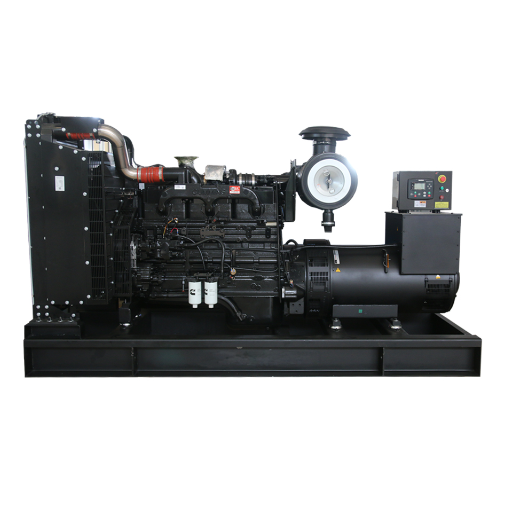
Portable generators serve essential roles for recreation, home backup, and light commercial use. However, recognizing their limitations prevents costly mistakes and safety hazards.
Portable Generator Limitations:
- Power ceiling: Consumer portable units max out around 15,000 watts
- Runtime constraints: Fuel tank capacity limits continuous operation to typical 6-20 hour intervals
- Standby rating: Most portables designed for intermittent use, not continuous prime power
- Voltage regulation: Limited precision for sensitive industrial equipment
- Single-phase output: Cannot power three-phase industrial equipment
When Industrial Generators Become Necessary:
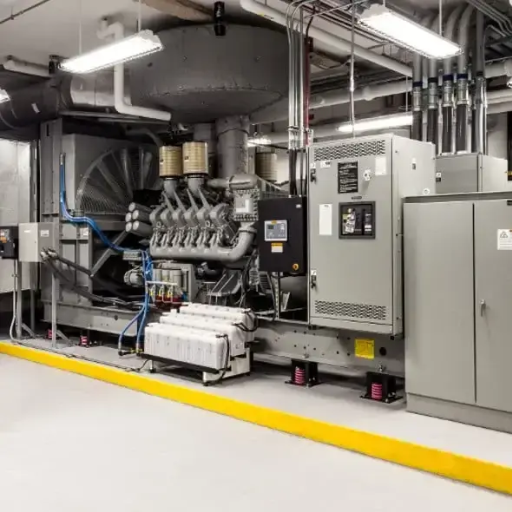
Consider upgrading to industrial diesel generator sets when your requirements include:
- Power needs exceed 15kW continuous: Manufacturing equipment, large facilities, multi-building sites
- Three-phase equipment: Commercial HVAC, industrial motors, manufacturing machinery
- 24/7 operation requirements: Construction projects, remote mining, oil and gas operations
- Mission-critical applications: Healthcare facilities, data centers, emergency services where power interruption risks lives
- Automatic transfer switching: Need seamless transition when grid power fails
- Heavy motor starting: Large compressors, pumps, and industrial equipment with high surge requirements
The ZC Power Bridge
ZC Power builds industrial diesel generators which operate between 8kVA and 4,000kVA to meet the needs of construction companies and remote operations and portable consumer generator applications. Our units undergo 100% rated load testing at national standard facilities before shipment. With 80+ technical engineers and 25 years of export experience to over 100 countries, we provide the durability and reliability that professional applications demand.
Maintenance and Longevity
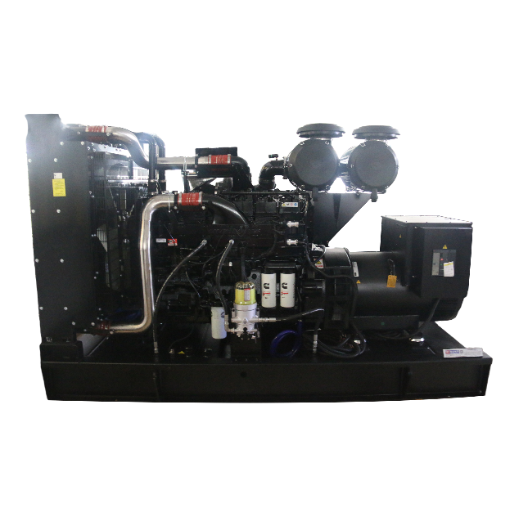
Proper maintenance dramatically extends generator lifespan and ensures reliability when you need power most.
Routine Maintenance Schedule
Every 50-100 operating hours:
- Change engine oil
- Inspect and clean air filter
- Check spark plug condition
Every 200-300 operating hours:
- Replace fuel filter
- Inspect cooling system
- Test battery (electric start models)
Annually (or per manufacturer schedule):
- Professional inspection of alternator and voltage regulator
- Fuel system cleaning
- Exhaust system inspection
Storage Considerations
For generators used seasonally or for emergency backup:
- Add fuel stabilizer to gasoline before storage
- Run the generator dry or drain fuel completely for long-term storage
- Store battery-powered units with partial charge (40-60% optimal for lithium batteries)
- Protect from moisture and dust in covered storage
- Exercise the generator monthly by running under load for 15-30 minutes
Expected Lifespan
With proper maintenance:
- Consumer portable generators: 1,000-2,000 hours (10-15 years of light seasonal use)
- Professional portable generators: 2,000-5,000 hours
- Industrial diesel portable units: 5,000-10,000+ hours
Frequently Asked Questions
What is the difference between an inverter and regular generator?
Inverters generate power by going through processes like AC-DC-AC and produce clean energy, retaining harmonic distortion levels that do not exceed 3%, thereby curbing damage to fragile electronic devices; meanwhile, traditional generators directly faucet out AC with a distortion level of 10-25%. Inverters generally work at lower noise levels with less fuel consumption and their cost is very expensive compared to other systems of energy generation.
Can I use a portable generator for my whole house?
Portable generators with 15,000 watts are able to power key circuits such as refrigerators and smaller air conditioner units. However, the air conditioning and other large appliances are other examples of such electric heating systems, which pull 20000 watts of power or greater and require that fixed standby generators be used.
How long can you run a portable generator continuously?
Runtime depends on fuel tank capacity and load. Most portable generators operate 6-12 hours at 50% load before requiring refueling. Diesel units with larger tanks may run 20+ hours. The system requires a cooling period which must be observed before proceeding with refueling operations.
Can you use a portable generator in the rain?
Generators must be protected from direct rain and moisture. Operate under open canopies that provide weather protection while maintaining ventilation. Never operate in flooded areas or where water can enter electrical components.
What is the quietest portable generator?
Inverter generators produce the quietest operation, typically 50-60 decibels. Honda, Yamaha, and Champion produce highly rated quiet inverter models. For the absolute quietest operation, battery power stations operate silently.
How do I connect a portable generator to my house?
Safe connection requires either a transfer switch installed by a licensed electrician or heavy-duty extension cords that run directly to each individual appliance. The practice of backfeeding through dryer outlets or other makeshift connections creates severe safety dangers for utility workers while it breaks electrical safety regulations.
Can portable generators power sensitive electronics?
Only inverter generators or battery power stations should power sensitive electronics like computers medical devices and modern appliances with electronic controls. The devices get damaged from voltage fluctuations and harmonic distortion which conventional generators produce.
Conclusion
Portable electric generators deliver vital power solutions which people use for outdoor activities and home emergency backup and small business operations. The technology differences between conventional generators and inverter generators and battery systems and diesel engines need to be understood for you to select the correct generator according to your particular needs.
Key takeaways:
- Choose generator technology based on what you will power, not just wattage requirements
- Size properly by calculating both running and starting wattage needs
- Prioritize safety: carbon monoxide kills; proper ventilation and transfer switches save lives
- Consider total cost of ownership, including fuel efficiency and maintenance
- Recognize when portable solutions reach their limits
Construction companies and remote industrial operations and applications that need more than 15,000 watts and three-phase power require industrial diesel generators to deliver professional-grade performance for their most demanding needs.
At Shandong ZC Power CO., LTD., we have engineered industrial power solutions since 1999. Our 300,000 square meter manufacturing facility and national-standard testing center ensure every generator delivers 100% of rated capacity. When your power needs exceed portable capabilities, our team provides factory-direct solutions from 8kVA to 4,000kVA.