Natural Gas Generator for Data Center Power: The 2026 Guide
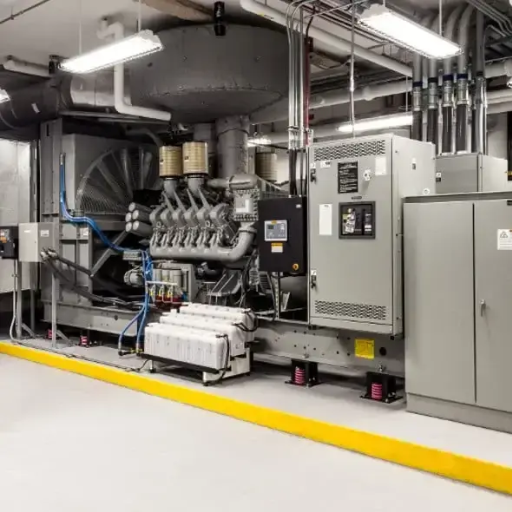
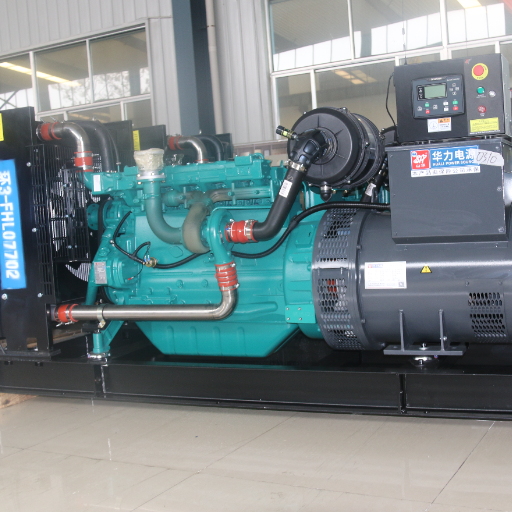
A natural gas generator for data center power may serve standby or long-running supply, provided the selected equipment and site design meet the intended duty. The decision depends on load acceptance, UPS support, fuel security and permitted operation. A fuel label or fast-start headline alone cannot establish suitability.
Start by defining what the generator must do: cover an outage, supply a facility while grid capacity is unavailable, or operate as the normal power source. Then compare proposals against the same load profile and acceptance conditions.
Key selection checks
- Match the offered rating and maintenance plan to the operating duty.
- Check the complete start, transfer and load-pickup sequence against available UPS reserve.
- Assess shared gas-supply and auxiliary dependencies alongside spare generating capacity.
- Review emissions, operating permissions and costs for the actual location and configuration.
Separate Standby, Bridging and Prime Supply
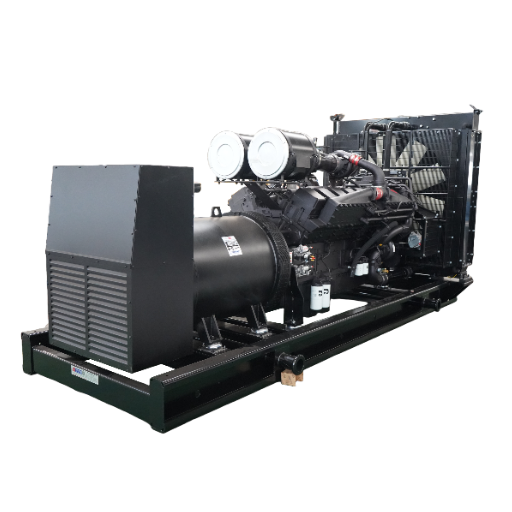
Standby generation supports a facility when its normal supply fails. Bridging generation supplies power while another source, such as a planned grid connection, is unavailable. Prime or continuous supply can involve sustained operation. Bridging describes the project’s purpose; it does not identify an equipment rating or authorize the operating hours required.
| Operating role | Question to resolve | Evidence to request |
|---|---|---|
| Standby backup | Can the package start and accept the required loads during a supply failure? | Offered standby rating, start conditions, load-step results and transfer sequence |
| Bridging supply | Can it support the expected schedule until the permanent supply is ready? | Load profile, rating declaration, maintenance arrangements and permitted operating scope |
| Prime or continuous supply | How will the plant support sustained demand and equipment service? | Applicable rating, operating envelope, fuel consumption curves and maintenance/outage plan |
Ask for the selected manufacturer’s written rating declaration, including restrictions and site derating. Do not assume that a standby nameplate permits long-running duty. Manufacturer-specific rating names also need their definitions; similar labels do not establish equivalent obligations.
This distinction matters in current project discussions. Rolls-Royce’s 10 February 2026 modular gas power-plant announcement addresses gas generation for applications including data centers. Treat such plant concepts separately from a standby package selected for occasional outages.
More recently, Cummins’ 15 October 2026 discussion of AI data-center backup planning emphasizes project-specific planning. The practical implication for buyers is to bring the electrical load, cooling requirements and utility constraints into the same review. Neither announcement validates another supplier’s equipment or a particular installation.
For broader purchasing questions across applications, see our industrial natural gas generator guide.
Check Load Acceptance Across the Complete Power Sequence
Starting and Accepting the Load Are Different Tests
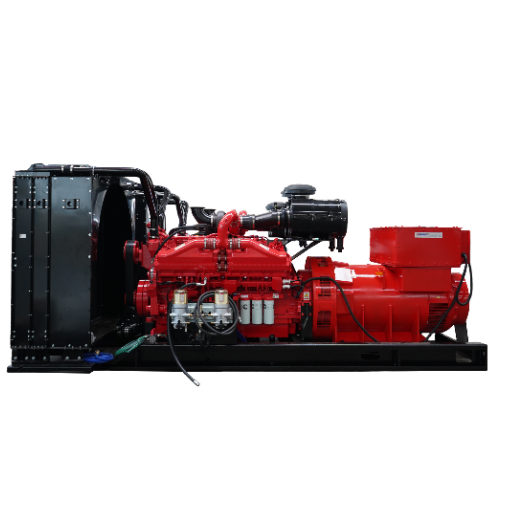
A start-time figure needs a defined endpoint. It might describe engine operation, stable voltage and frequency, or output at a stated load. The facility also needs switching, any required synchronization and load pickup to occur in the intended order.
An illustrative standby sequence is:
- Detect loss of the normal supply and initiate the start command.
- Support designated loads through their UPS or other approved reserve arrangement.
- Establish acceptable generator voltage and frequency.
- Complete the specified switching or paralleling sequence.
- Accept the planned load increments and recover within agreed limits.
The actual sequence depends on the electrical design. Identify which loads have UPS support and which do not; do not assume cooling or other auxiliaries share the IT load’s battery reserve.
Caterpillar’s standby natural gas generator white paper discusses standby-specific engineering, load characteristics and site conditions. This is why a nominal power rating needs supporting transient evidence for the proposed application.
For one bounded example, Rolls-Royce announced on 1 October 2025 a 2026, 60 Hz Series 4000 L64 gas genset with a stated full output of 2.8 MW in 45 seconds. That is a manufacturer announcement for a particular model and market. It is not a generic gas start time, a ZC Power specification or confirmation of performance at your site.
Compare the Sequence with Actual UPS Reserve
Request a timed sequence for the offered configuration, then compare it with the usable reserve at the design load and battery condition. Include switching delays, staged loads and the reserve margin required by the project designer. Storage should be evaluated for its specified role rather than assumed to absorb every disturbance.
Agree on the acceptance record before ordering: initial engine condition, ambient conditions, fuel specification and pressure, electrical load increments, voltage/frequency excursions and recovery. If a proposal cites a performance class, request the test basis and its relevance to your load sequence.
Use our data-center backup generator sizing guide for the wider load assessment. Here, the gas-specific decision is whether the offered package can support that load under the proposed conditions.
Assess Redundant Capacity and Shared Failure Points
Additional generating capacity can support maintenance or equipment outages, but a unit count does not establish a facility’s availability. A gas fleet may still depend on a common supply route, regulator station, control-power source or auxiliary system. Ask what remains available when each shared dependency is unavailable.
Keep the review focused on the full power path: engines, switchgear, controls, fuel equipment and auxiliaries. Define the maintenance and failure conditions the design must accommodate. Do not translate N+1 or 2N directly into a guaranteed uptime percentage or a facility Tier classification.
Our emergency power systems guide provides broader architecture context. The gas proposal should identify its own dependencies and exclusions so the responsible designer can assess them within that architecture.
Verify Gas Supply Before Selecting a Fleet
Confirm Pressure, Flow, Quality and Contract Terms
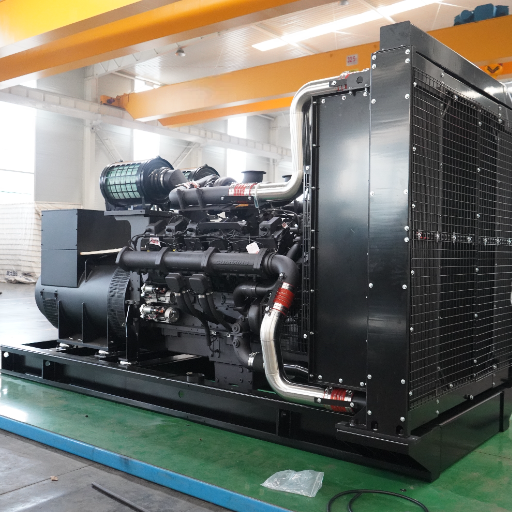
Ask the supplier for fuel requirements and consumption curves for the selected engine and load range. Ask the gas provider to assess the site’s available capacity and pressure against the proposed simultaneous demand. A connection near the property does not establish that the required supply is available at the engine inlet.
Record the fuel-quality limits, required inlet pressure range and any treatment, regulation or compression included in the proposal. Identify the electrical supply and controls for that equipment. Keep responsibility for each interface explicit, including what the generator supplier, gas provider and installation contractor must verify.
Review whether the supply agreement is firm or interruptible and what restrictions apply during peak demand. Include those conditions in the operating plan rather than treating piped gas as unlimited autonomy.
Plan for Interruption, Weather and Maintenance
Fuel resilience needs a local assessment for either gas or diesel. In its 16 November 2021 summary of the Winter Storm Uri investigation, FERC reported natural gas supply failures during the February freeze. A buried pipeline alone does not establish resilience to extreme weather.
If the proposal includes on-site LNG or an alternative fuel, request a separate engineered supply and operating plan. Specify usable storage, required auxiliaries, replenishment and the transition sequence. Do not assume a gas engine can switch to diesel unless the offered equipment explicitly supports that operation and the controls, testing and permissions cover it.
Maintenance also belongs in the runtime assessment. Ask how inspections and service affect available capacity, and follow the selected manufacturer’s operating limits. Avoid applying a generic minimum-load rule to every gas engine.
Compare Emissions and Lifetime Costs for the Actual Site
Separate Engine Compliance from Site Permission
For U.S. projects, the EPA stationary-engine compliance resources distinguish requirements for different engine categories. The EPA’s data-center Clean Air Act resources provide further starting points for the site review. Other countries require their own jurisdiction-specific assessment.
Keep three questions separate: what requirements apply to the engine, what emissions controls and testing apply to the configuration, and what operation the site permit allows. An engine certificate does not answer every site-permitting question. Emergency standby permission should not be assumed to cover routine bridging or prime operation.
Request emissions data with the engine configuration, load conditions and control equipment identified. Have the responsible permitting adviser assess the complete site and intended operating schedule. Fuel choice alone does not guarantee a lighter permitting route or exemption from testing.
Our natural gas generator emissions guide provides related background; use the applicable authority’s requirements for project decisions.
Compare Like-for-Like Operating Assumptions
Gas and diesel should be compared against the same duty, load profile and resilience objective. Include delivered fuel prices, gas tariff and demand charges, electrical and fuel infrastructure, emissions controls, installation, maintenance and fuel-storage or delivery arrangements.
For long-running supply, include planned service outages and the capacity needed during maintenance. For standby duty, include readiness testing and the cost of maintaining the proposed fuel arrangement. Request the basis and exclusions for each cost estimate. There is no universal annual-hours threshold at which gas becomes the lower-cost choice.
What to Request in a Data-Center Generator Proposal
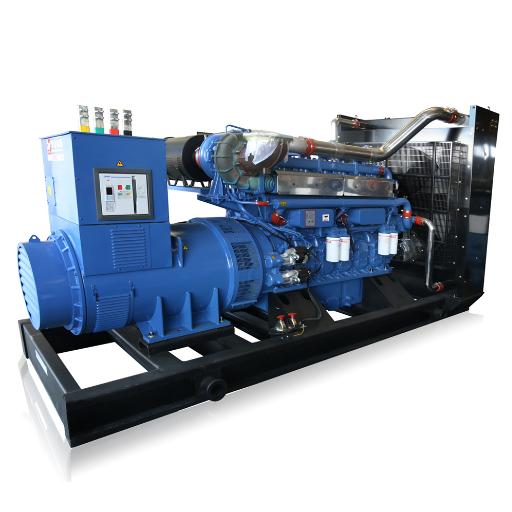
Give bidders a common submission checklist so differences in scope are visible:
- Duty and load: operating purpose, expected schedule, critical and auxiliary loads, voltage and frequency.
- Offered equipment: exact engine/alternator configuration, rating declaration and site derating assumptions.
- Transition evidence: start conditions, load-step results, recovery criteria and UPS/switching interfaces.
- Fuel scope: consumption curves, pressure and quality limits, supply assessment and auxiliary requirements.
- Environmental scope: emissions data, proposed controls, noise information and permitting responsibilities.
- Operations and acceptance: maintenance requirements, spare-capacity assumptions, agreed tests, deliverables and exclusions.
This checklist defines information to request. Confirm which documents and services are available for each offered configuration before treating them as part of a purchase.
If you are comparing options, send ZC Power your project requirements and ask which configuration documents are available. Include the site location, duty, frequency, load profile and gas-supply information so the inquiry has a clear technical basis.
Natural Gas Generator for Data Center: Frequently Asked Questions
Can a Natural Gas Generator Power a Data Center?
Yes, a suitable gas generating system can be considered for standby or sustained supply. Suitability depends on the selected rating, load acceptance, fuel arrangement and complete electrical design. It cannot be established from fuel type alone.
Do Data Centers Use Diesel or Natural Gas Generators?
Both are used. Compare the offered equipment against the site’s duty, transition requirements, fuel security and environmental obligations. Manufacturer gas announcements do not establish that every gas package can replace a specified diesel standby system.
Why Do Data Centers Use N+1 Generators?
N+1 describes additional capacity beyond the defined requirement. Whether it supports a particular outage or maintenance condition depends on unit sizing, available capacity and system arrangement. Shared fuel or control dependencies still need assessment; the label does not guarantee an availability percentage.
How Long Can a Natural Gas Generator Run Continuously?
Use the selected manufacturer’s rating, operating limits and maintenance requirements. The fuel supply must remain within specification, and the plant must support required service. A pipeline connection does not create an indefinite-runtime guarantee.
Is Natural Gas Cheaper Than Diesel for Data-Center Power?
The result depends on local fuel charges, operating hours, load, installation scope, maintenance and resilience provisions. Compare documented lifetime-cost assumptions for the same task rather than relying on a generic fuel-price advantage.
What Kind of Generator Do Data Centers Use for Backup?
The appropriate standby package is one whose rating and tested response match the facility’s requirements. Compare gas and diesel proposals using the specified load sequence, UPS reserve, switching design and fuel plan. Request evidence for the exact configuration being offered.
Prepare a Configuration-Specific Inquiry
Selecting a natural gas generator for data center power begins with a defined duty and ends with evidence for the proposed system. Bring the critical and auxiliary load profile, site conditions, redundancy objective and available gas data together before comparing quotations.
Contact ZC Power with those inputs and request available configuration information. Confirm the proposed scope, exclusions and acceptance evidence before committing to equipment.