Stationary vs Portable Generators: Which Is Right for Your Facility? [2026]
A 22 kW stationary generator installation can cost 26,000inCalifornia.Ahigh−capacityportablegeneratorwithamanualtransferswitchcancostunder26,000inCalifornia.Ahigh−capacityportablegeneratorwithamanualtransferswitchcancostunder2,500. Both can keep your lights on during an outage, yet the gap in price, automation, and long-term value is enormous.
You already know that dealer quotes vary wildly and that “it depends” is the most common answer you will hear. Most comparison guides online only address homeowners, leaving commercial buyers and industrial facility managers without a clear decision framework. This guide delivers exactly that. We will break down stationary vs portable generator options across residential, commercial, and industrial applications with exact 2026 numbers, power output comparisons, and the hidden installation factors that inflate budgets.
Here is what you will learn:
- Exact 2026 cost ranges for portable and stationary generators by application
- Power output limits and when portable units hit their ceiling
- How startup automation, fuel type, and runtime drive total cost of ownership
- A clear decision framework for homes, businesses, and industrial facilities
If you are new to permanently installed backup power, start with our complete guide to stationary generators for a foundation on types, fuels, and applications.
What Is the Difference Between a Stationary and a Portable Generator?
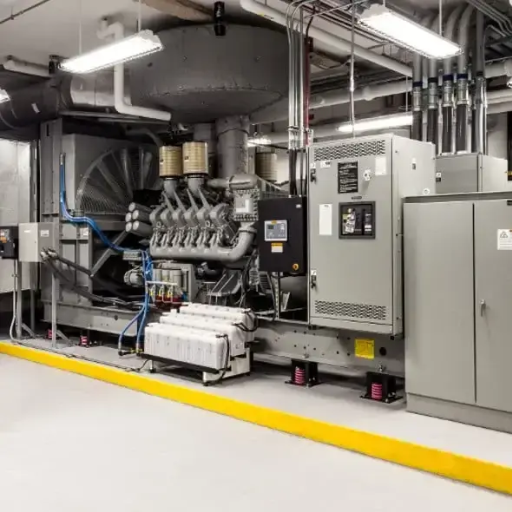
The first step toward proper investment decision-making requires understanding the main difference between investment options. The standby generator system known as a whole-house generator provides permanent installation which connects to both the building’s electrical system and an exclusive fuel supply. The system operates from a concrete base or mounting structure which begins functioning when there is a power outage.
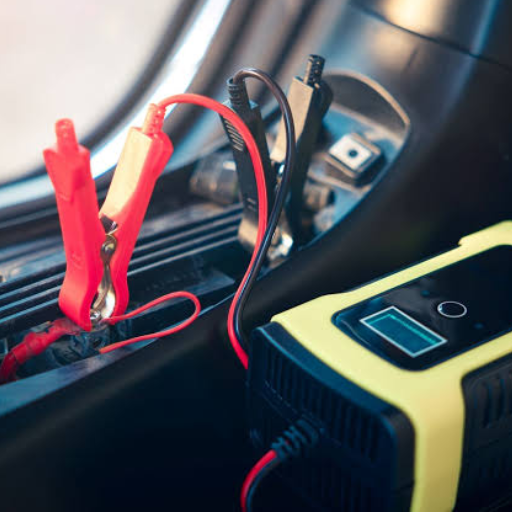
A portable generator is a mobile unit designed for temporary deployment. You store it in a garage or shed and wheel it out when an outage occurs. It connects to appliances via extension cords or to your electrical panel through a manual transfer switch. For a deeper look at permanently installed systems, read our complete guide to stationary generators.
The Terminology Clarification
The word “stationary” simply means the unit is fixed in place. “Standby” refers to its operational mode: it waits on standby until the grid fails. All standby generators are stationary, but not all stationary generators are limited to standby duty. Industrial stationary units can also operate in prime power or continuous power modes for off-grid applications.
Mini-Story: In March 2026, homeowner David Chen in San Jose received a 26,000quotefora22kWstationarygeneratorinstallation.Heoptedinsteadfora26,000quotefora22kWstationarygeneratorinstallation.Heoptedinsteadfora2,200 tri-fuel portable generator with a 600manualtransferswitch.Duringa6−houroutageinApril,thesetuppoweredhisrefrigerator,HVAC,andlightswithoutissue.Thetrade−off?Hehadtowheeltheunitoutside,flipthetransferswitch,andmonitorthenatural−gashoseconnectionmanually.ForDavid,saving600manualtransferswitch.Duringa6−houroutageinApril,thesetuppoweredhisrefrigerator,HVAC,andlightswithoutissue.Thetrade−off?Hehadtowheeltheunitoutside,flipthetransferswitch,andmonitorthenatural−gashoseconnectionmanually.ForDavid,saving23,000 was worth the 10 minutes of setup. But he admits he would have chosen the stationary unit if his aging parents lived with him full-time.
Power Output and Capacity Comparison
Size is where the stationary vs portable generator comparison becomes most stark. Stationary units are engineered for higher sustained output, while portable units prioritize mobility over raw capacity.
Portable Generator Output Ranges
Residential portable generators produce running watts between 2500 and 10000. Large dual-fuel or tri-fuel models can reach 11000 to 20000 watts but those units operate with excessive weight and noise while their users must control fuel usage manually. The commercial sector limits portable unit capacity to 20 kW because higher power levels create challenges with mobility and fuel management.
Stationary Generator Output Ranges
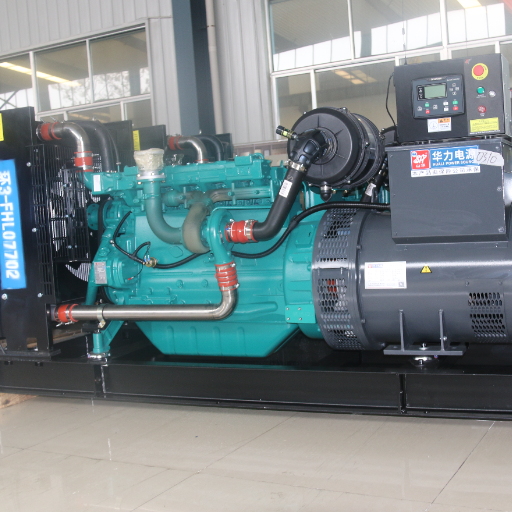
Residential stationary generators range from 8 kW for partial-home backup up to 48 kW for large estates. Commercial stationary units scale from 20 kW to 150 kW. Industrial installations start at 150 kW and can exceed 1 MW for data centers, hospitals, and manufacturing plants. For a deeper look at how sizing affects these numbers, read our complete guide to stationary generator sizing.
Can a Portable Generator Really Power a Whole House?
Yes, but with important caveats. The electrical system of a building needs a 50-amp manual transfer switch to operate its essential circuits, which include a refrigerator and a well pump and lights and a small HVAC system. The equipment capacity limit gets exceeded when all three appliances operate at once because they draw too much energy from the system. Load management is essential. The system automatically controls all home electrical needs because engineers designed it to handle complete residential energy requirements.
Cost Comparison: 2026 Pricing by Application
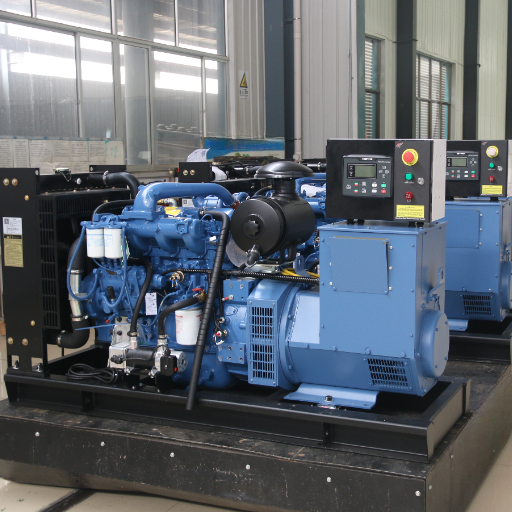
Price is usually the first factor buyers consider but total installed cost provides actual information about the product. Stationary generators need professional installation while portable generators function through plug-and-play installation. Home backup systems require a transfer switch for safe operation.
Residential Costs
For homeowners, the cost spread is dramatic. A portable generator unit costs 400 to 400 to 2,700. The manual transfer switch installation produces total costs which range between 500 and 500 and 2,500. A stationary generator unit costs 3,500 to 3,500 to 7,000 but installation requires an additional 2,000 to 2,000 to 20,000 based on fuel plumbing and electrical work and permit requirements.
For a comprehensive exploration of household load calculations, associated expenses, and proper installation methods for home standby systems, (see ourresidential stationary generator guide.)
Commercial Costs
Commercial portable generators are rarely used as permanent backup solutions. A commercial-grade portable unit might cost 5,000to5,000to15,000, but it still lacks automatic transfer and code-compliant integration. Commercial stationary generators typically range from 12,000to12,000to135,000 installed, depending on kW rating, fuel infrastructure, and sound attenuation requirements.
Industrial Scale
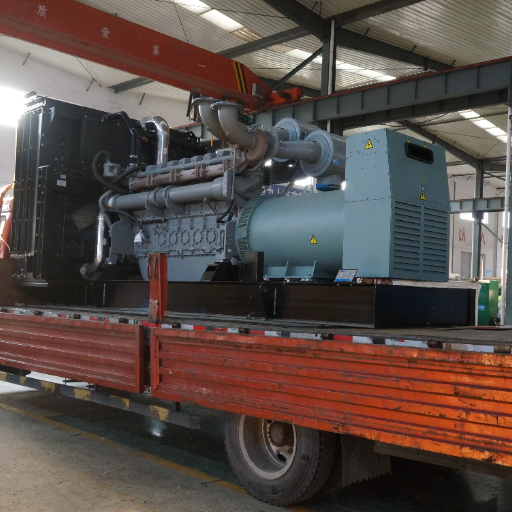
At the industrial level, portable generators are essentially not an option for permanent backup above 150 kW. The need for automatic transfer, code compliance, and extended runtime makes stationary units the only viable choice. Industrial stationary installations range from 150,000to150,000to500,000+ for multi-megawatt projects.
Hidden Costs of Standby Generators
The published 5,000priceatagabig−boxstoreonlyincludesmetalbox. Hidden costs usually require trenching work to install upgraded gas lines and concrete foundation pad construction and main electrical panel rewiring with an automatic transfer switch and electrical and plumbing labor together with required city permits and inspections and homeowners association approvals. These additional costs will typically make the total expenses reach 5,000 because the store only sells the metal box. The published 5,000 price at a big box store only includes the metal box. The hidden expenses of a project usually require trenching work to install upgraded gas lines and concrete foundation pad construction and main electrical panel rewiring with an automatic transfer switch and electrical and plumbing labor together with required city permits and inspections and homeowners association approvals. The extra costs will result in total expenses exceeding 10,000.
Total Cost of Ownership (10-Year)
| Cost Factor | Portable Generator | Stationary Generator |
|---|---|---|
| Initial purchase + install | 500–500–2,500 | 8,000–8,000–25,000+ |
| Annual maintenance | 50–50–150 | 150–150–300 |
| Fuel (10 years, moderate use) | 1,000–1,000–3,000 | 2,000–2,000–5,000 |
| Expected lifespan | 10–15 years | 20–30 years |
| 10-year TCO | 2,000–2,000–7,000 | 12,000–12,000–35,000+ |
Mini-Story: Maria Gonzalez opened a 4,000-square-foot restaurant in Austin, Texas, in January 2026. She initially considered a large portable generator for her walk-in coolers, but the health department required an automatic backup system for her food-service permit. A 40 kW stationary generator with an automatic transfer switch became the only viable option. The final installed cost was $38,500, including a natural gas line extension and sound-attenuated enclosure. “For a business, the automatic startup isn’t optional,” Maria says. “I can’t be at the restaurant at 2 a. m. during a storm to wheel out a portable unit.”
Startup, Fuel, and Runtime: The Automation Gap
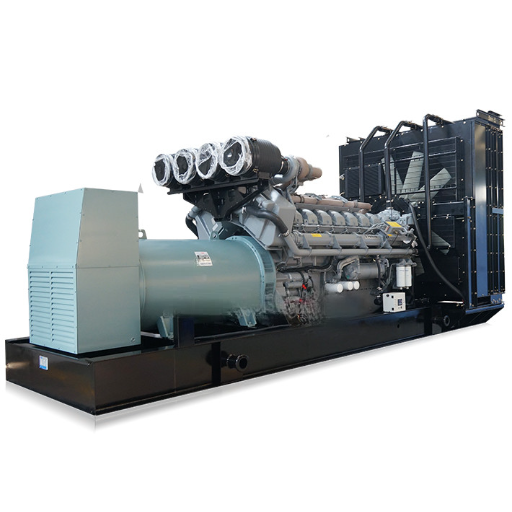
The most significant operational difference between these two categories is what happens when the grid fails.
Manual vs Automatic Startup
The process of setting up a portable generator needs to be done by an operator. The engine starts after you begin the process which requires you to wheel the machine outside and establish the fuel connection and connect extension cords or use the manual transfer switch. The process requires 5 to 15 minutes to complete and the work must continue regardless of the weather conditions that occur during the power outage.
A stationary generator detects the outage automatically and starts within 10 to 15 seconds. The automatic transfer switch disconnects your building from the grid and connects the generator without any human intervention. The continuous operation of critical systems in hospitals and data centers and essential commercial facilities depends on their use of stationary units.
Fuel Types and Runtime
Portable generators typically run on gasoline, which provides 8 to 12 hours of runtime per tank. Modern dual-fuel and tri-fuel portables can connect to propane tanks or natural gas grill lines, extending runtime significantly. However, gasoline requires safe storage, fuel stabilizer, and manual refueling.
Stationary generators are hardwired to natural gas or large propane tanks. Natural gas models can run indefinitely as long as the utility pipeline is intact. Propane stationary models can run for days or weeks on a large buried tank before needing a refill. Diesel stationary units dominate the industrial market due to their energy density and fast load response.
The UPS Consideration
Both generator types have a brief startup delay, even stationary units. For critical equipment such as servers, medical devices, or precision manufacturing controls, an uninterruptible power supply (UPS) is needed to bridge the gap between grid failure and generator startup.
Installation, Codes, and Permits
Installation complexity is another area where stationary and portable generators diverge sharply.
Portable Generator Installation
Portable generators require minimal to no permanent installation. You can run extension cords directly to appliances immediately out of the box. For safer, whole-panel use, a licensed electrician can install a manual transfer switch or an interlock kit in about an hour. No permits are required for cord-and-plug operation.
Stationary Generator Installation
Stationary generators demand professional installation. A licensed electrician must wire the automatic transfer switch into your main electrical panel. A gas plumber may need to extend or upgrade natural gas lines. The unit must sit on a concrete pad or approved mounting surface. Permits, inspections, and HOA approvals are often required.
Stationary installations must also comply with national codes including NFPA 37 for stationary combustion engines, NFPA 110 for emergency and standby power systems, and NEC Articles 445, 700, and 701 for electrical installation standards.
Safety, Noise, and Maintenance
Long-term ownership experience depends heavily on safety protocols, acoustic performance, and maintenance requirements.
Safety
Portable generators must be operated outdoors at least 20 feet from the house with exhaust aimed away from windows, doors, and AC units. Carbon monoxide poisoning and backfeeding into utility lines are serious risks if safety protocols are ignored. Modern portables sold in 2026 must include CO shutoff sensors or low-CO engines per updated safety standards.
Stationary generators are professionally installed with exhaust systems diverted safely away from the building. Because the setup is permanent and inspected, there is minimal risk of user error. According to standby generators are the safer choice for households with children, elderly residents, or anyone who may not be able to physically deploy a portable unit during an emergency.
Noise Levels
Open-frame portable generators are loud, often exceeding 70 to 80 dB at 7 meters. Inverter portable generators are significantly quieter but come at a higher cost per watt. Stationary generators are housed in insulated weather enclosures and can operate below 65 dB at the property line, making them suitable for noise-restricted neighborhoods and urban commercial zones.
Maintenance
Portable generators require manual seasonal prep, including oil changes, air filter checks, and fuel stabilizer treatment. If gasoline sits in the carburetor for months, the unit may fail to start when needed.
Stationary generators perform automatic self-diagnostics and exercise runs weekly or monthly to keep components lubricated. Many owners purchase annual service contracts for oil changes, filter replacements, and system inspections. As [Popular Mechanics notes] the automated maintenance features of standby units add considerable peace of mind.
Use-Case Decision Framework
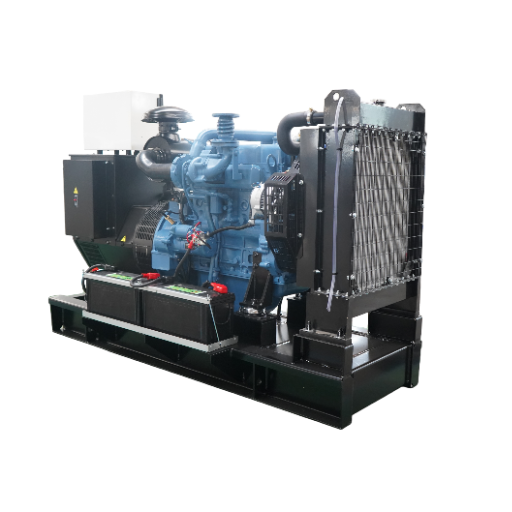
The right choice depends on your budget, outage frequency, physical ability, and critical power needs.
Choose a Portable Generator If…
- Your total budget is under $2,500
- Power outages in your area are infrequent or short-lived
- You value versatility for camping, RVing, tailgating, or job sites
- You are physically able to wheel out a unit, connect it, and refuel it manually
- You want a quick backup solution without major home modifications
Choose a Stationary Generator If…
- You want automatic, hands-free backup power
- You experience frequent or multi-day outages
- You need whole-house or whole-facility power without managing loads
- You rely on medical equipment, security systems, or critical business operations
- You view the installation as a long-term property investment
Commercial and Industrial: When Stationary Is the Only Real Option
For businesses and industrial facilities, the decision is rarely a choice. Above 150 kW, portable units cannot provide code-compliant automatic backup. Restaurants, hospitals, data centers, and manufacturing plants require stationary generators with automatic transfer switches to meet health department, NFPA, and uptime compliance standards.
Mini-Story: In late 2025, a Michigan automotive parts manufacturer evaluated a fleet of large portable generators for their 500 kW backup requirement. After consulting with an electrical engineer, they learned that NFPA 110 Level 1 classification required an automatic transfer time of 10 seconds or less. No portable unit could achieve that at industrial scale. The company installed a 500 kW stationary diesel generator with paralleling capability for future expansion. The final project cost $310,000, but it guaranteed compliance with both NFPA 110 and their customer’s uptime SLA. “At industrial scale,” the plant manager noted, “portable isn’t even in the conversation.”
Conclusion
Stationary vs portable generator is not a one-size-fits-all decision. A portable generator offers unbeatable flexibility and low upfront cost, making it the practical choice for infrequent outages, recreational use, and tight budgets. A stationary generator delivers automatic, high-capacity, permanent backup power that adds property value and meets code requirements for homes, businesses, and industrial facilities.
Your next step is simple. Assess your outage frequency, total power needs, and long-term budget. If you need automatic backup for a business or facility, explore whether a factory-direct stationary generator can reduce your capital expenditure without sacrificing certification or reliability.
Need help evaluating backup power for your project? Contact the ZC Power engineering team for a free site assessment and factory-direct quote.