Residential Stationary Generators: Sizing, Costs, and Installation Guide [2026]
The homeowner in Phoenix purchased a 20 kW residential stationary generator. The first summer heat wave caused power outages which made the unit stop working after three minutes. The contractor designed the system only for running watts because he did not consider the 9,000-watt starting surge of the central air conditioner.
You already know that a power outage operates as a more serious problem than simple disturbance. The situation becomes critical when home offices and medical devices and freezers full of food need power. Most residential stationary generator guides follow two common errors because they create shallow product roundups without sizing information for particular products. The estimates from scattered contractors do not provide you with a complete system for making correct choices.
The guide provides an answer to that particular issue. The guide provides you with exact sizing formulas and 2026 installed costs and the fuel comparison which helps you select the correct residential stationary generator. The session will include information on different sizing methods, detailed cost analysis, natural gas versus propane comparison, actual installation procedures, and what to expect for maintenance.
If you are new to permanently installed backup power, (start with our complete guide to stationary generators for a foundation on types, fuels, and applications.)
What Is a Residential Stationary Generator?
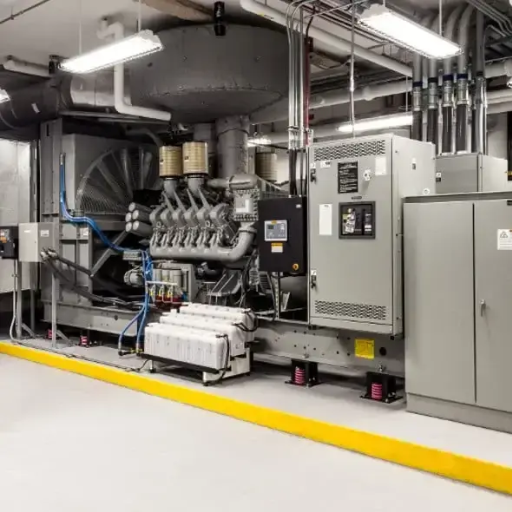
A residential stationary generator is a permanently installed backup power system that connects directly to your home’s electrical panel through an automatic transfer switch (ATS). The systems begin operation automatically within seconds after a utility outage because they operate as permanent systems which do not need any user intervention for restoring home power.
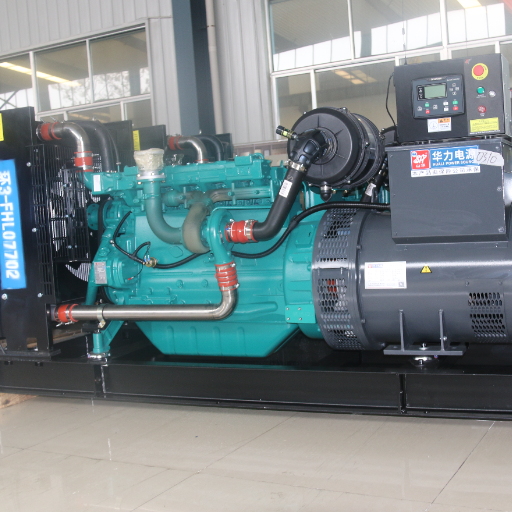
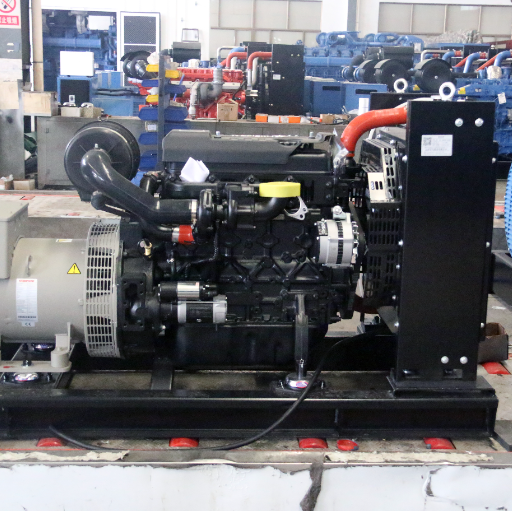
The core components include a spark-ignition or compression-ignition engine, an alternator that produces electricity, an ATS that isolates your home from the grid and switches the load to generator power, and a weather-resistant enclosure that houses the entire unit outdoors. Residential units that use diesel fuel exist to support larger estate properties and off-grid applications, while natural gas and propane remain the standard fuel options.
Residential stationary generators range from 7.5 kW units that power essentials only, to 48 kW systems capable of running luxury estates with multiple HVAC units, pools, and EV chargers. For a deeper comparison between fixed and mobile backup power, (see our stationary vs portable generator comparison.)
How to Size a Residential Stationary Generator
Sizing is the single most important decision you will make. An undersized unit will overload and fail when you need it most. An oversized unit wastes capital and may suffer from under-loading issues that reduce engine life.
The Three Sizing Methods
Method 1: The panel receives clamp meter measurements. The electrician uses a clamp-on ammeter to measure your main service conductors at home during peak load conditions which occur on hot summer afternoons when all your air conditioning and pool pump and laundry equipment operate. The formula is simple: kW = (Amps x Volts) / 1,000. For a 240V panel measuring 85 amps at peak, you need 20.4 kW. Your minimum generator size requires 25.5 kW after you add a 25% safety margin.
Method 2: The utility bill requires examination of peak demand times through its contents. Your highest kilowatt-hour usage during any single hour for the past 12 months needs to be evaluated. The peak kW needs to be multiplied by 1.25 to determine reserve capacity. The method functions effectively for homes which have predictable seasonal heat patterns but it fails when homeowners install substantial electrical devices such as Level 2 EV chargers and hot tubs.
Method 3: The calculation requires you to evaluate every single appliance which needs electricity. The total running watts of all devices which will work together needs to be calculated. The calculation needs you to add the highest starting surge wattage only for the main motor while you should not include surge wattage from other motors.
Quick-Reference Residential Loads
- Refrigerator / freezer: 800W run / 2,400W start
- Central AC (3-ton): 4,500W run / 9,000W start
- Electric water heater: 4,500W run / 4,500W start
- Well pump: 1,200W run / 3,600W start
- Level 2 EV charger: 7,200W run / 7,200W start
- Home office server rack: 1,500W run / 1,500W start
Jennifer Okonkwo purchased a 20 kW stationary generator for her 2,800 square foot home in Denver during February 2026. The contractor sized it based on square footage alone. The generator stopped working after 10 minutes because a snowstorm in March cut off electricity service. The original electricity load calculation for Jennifer’s home office server rack and Level 2 EV charger installation underestimated power requirements. The 20 kW unit operated at 17.4 kW because of altitude derating at 6,500 feet elevation. She ended up replacing it with a 26 kW unit, losing $4,500 in the process. “I wish someone had asked me about new appliances,” she says.
For a deeper dive into load calculations, read our stationary generator sizing guide.
Residential Size Tiers (2026)
| Home Profile | Typical Load | Recommended Generator Size |
|---|---|---|
| Essentials only (lights, fridge, router) | 4-8 kW | 7.5-12 kW |
| Partial home + small AC | 10-14 kW | 14-18 kW |
| Whole house, average home | 16-20 kW | 20-24 kW |
| Large home / multi-AC / EV charger | 24-32 kW | 26-32 kW |
| Luxury estate / commercial-grade | 36-44 kW | 36-48 kW |
These tiers have shifted upward in recent years. The 2026 homeowner is more likely to have electric vehicle charging, remote office equipment, and battery backup systems that previous sizing guides underestimated.
Residential Stationary Generator Costs (2026)
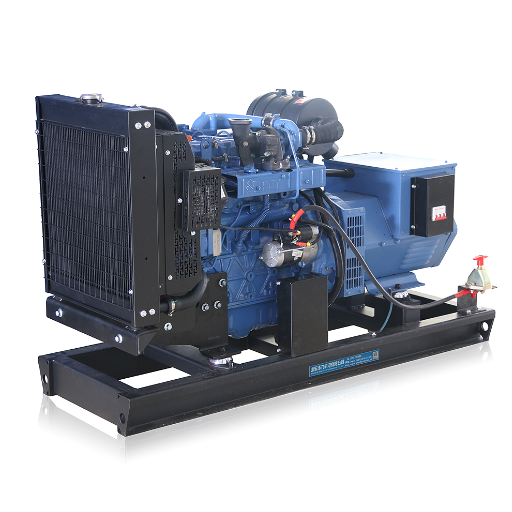
The generator unit itself is typically only 40% to 50% of the total investment. According to Angi’s whole house generator cost data homeowners in 2026 usually spend between 7000 and 20000 for a complete installation of standby systems.
Equipment Costs by Size
| Generator Size | Unit Cost Range | Typical Application |
|---|---|---|
| 7.5-10 kW | 2,000−2,000−3,500 | Essentials only |
| 14-18 kW | 4,000−4,000−5,500 | Partial home + small AC |
| 20-24 kW | 5,000−5,000−6,500 | Whole house, average home |
| 26-32 kW | 6,500−6,500−15,000 | Large home / multi-AC / EV charger |
| 36-48 kW | 14,000−14,000−21,000 | Luxury estate |
Installation Cost Breakdown
| Component | Average Cost |
|---|---|
| Labor and electrical | 1,500−1,500−5,000 |
| Concrete pad (3×6 ft) | ~$1,000 |
| Automatic transfer switch | 500−500−2,500 |
| Permits and inspections | 50−50−500 |
| Fuel line extension | 500−500−3,000 |
| Total installed cost | 7,000−7,000−23,000+ |
Installation complexity varies dramatically by site. The electrical system requires replacement because the existing electrical panel does not meet modern standards. The presence of rocky soil will increase trenching expenses by three times for both propane lines and natural gas extensions. Historic district homes require their owners to complete extra steps for obtaining building permits.
For a detailed breakdown of commercial and industrial pricing benchmarks, (see our stationary generator cost breakdown.)
Natural Gas vs Propane vs Diesel for Residential Use
Most residential stationary generators are dual-fuel capable from the factory, meaning the engine can run on natural gas or propane. Your home’s plumbing system gets installed to work with a single fuel type. The selection of an incorrect fuel source for your location results in additional project expenses that reach thousands of dollars.
Natural Gas
Pros:
- Unlimited runtime as long as the utility pipeline remains pressurized
- Lowest operating cost per kWh
- No on-site fuel storage required
- Cleanest burning fuel, leading to less engine residue and longer service intervals
Cons:
- Pipeline dependency during earthquakes or major disasters
- Not available in all rural or remote areas
- Slightly lower power output per unit of fuel compared to propane
Propane
Pros:
- Complete fuel independence from utility pipelines
- Indefinite storage without fuel degradation
- Works anywhere, including rural properties with no gas lines
- Power output can be slightly higher than on natural gas
Cons:
- Requires tank refills during extended outages
- Higher operating cost per hour than natural gas
- Requires space for a 250- to 500-gallon above-ground or buried tank
Diesel
Pros:
- Fastest load response and highest energy density
- Excellent for very large estate properties
Cons:
- Highest upfront and operating costs for residential use
- Stored diesel degrades over time and requires fuel polishing
- Louder operation and stricter emissions compliance in some jurisdictions
Marcus Brennan constructed a home with a total area of 3,200 square feet on his 10-acre property which he developed outside Austin. He made the assumption that the propane conversion kit would be straightforward to use when he installed a 24 kW natural gas stationary generator in 2024. The propane system required him to install a 500-gallon buried tank together with a 75-foot trench which needed to be dug through rocky terrain. The fuel infrastructure costs for his project reached $8200. “If I had known the fuel setup would cost more than the generator, I would have planned the pad location differently,” he said. He explains that rural buyers should use site surveys to determine pricing before they select propane systems.
For a deeper fuel comparison focused on permanently installed systems, read our natural gas stationary generator guide.
Installation Requirements for Residential Stationary Generators
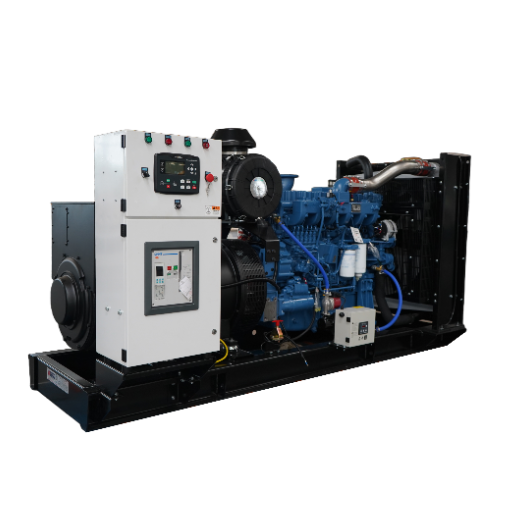
A professional installation is non-negotiable for safety, code compliance, and warranty validity. The process typically includes site evaluation, concrete pad placement, ATS installation, fuel connection, and permitting.
Permits and Inspections
Most municipalities require electrical and building permits for a residential stationary generator. Some jurisdictions also require fire department approval for propane tank placement. Expect inspections at rough-in and final connection stages.
Concrete Pad and Clearances
The unit must sit on a level concrete pad, typically 3 feet by 6 feet and 4 inches thick. NFPA 37 requires minimum clearances from building openings, combustible materials, and property lines. These clearances vary by enclosure type and local amendments.
Automatic Transfer Switch (ATS) Sizing
The ATS is the brain of the system. It disconnects your home from the grid during an outage and switches the load to generator power. This prevents dangerous back-feeding that can injure utility workers. Your ATS amp rating must match your main electrical panel. A 200-amp panel requires a 200-amp ATS.
Fuel Line Connection
Natural gas installations need gas utility coordination which verifies both meter capacity and pipeline pressure. Propane installations need tank size calculations which depend on generator fuel needs and expected operating time. A 22 kW generator consumes roughly 2 to 2.5 gallons of propane per hour at full load which allows a 500-gallon tank to supply power for about 4 to 5 days.
Noise and Neighbor Considerations
Modern enclosed residential stationary generators typically operate at 66 to 67 dB at 23 feet, roughly equivalent to a normal conversation. However, local noise ordinances may impose stricter limits. Sound-attenuated enclosures can reduce noise to below 60 dB for noise-sensitive neighborhoods.
Maintenance and Lifespan
A well-maintained residential stationary generator typically lasts 15 to 30 years or 1,500 to 3,000 run hours. Because these units spend most of their time idle, the key to longevity is proper exercise, timely oil changes, and annual professional service.
Annual Service Checklist
- Oil and filter change: Every 100 to 200 hours of operation, or annually
- Air filter inspection and replacement as needed
- Spark plug inspection for natural gas and propane units
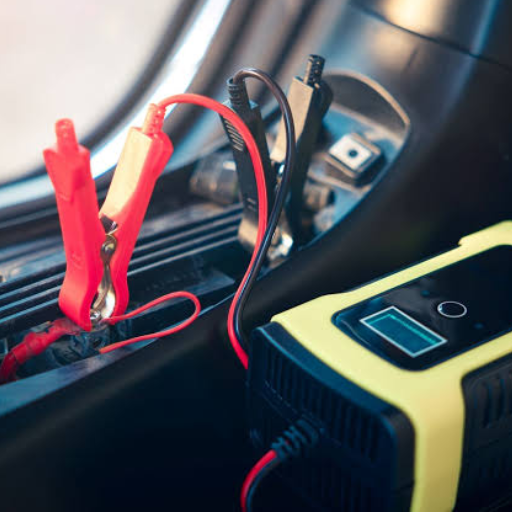
- Battery voltage and terminal inspection
- Fuel system leak inspection
- ATS function test and transfer time verification
Operating Costs by Fuel Type
| Fuel Type | Cost per Hour (22 kW) | Cost per Day |
|---|---|---|
| Natural gas | 1.50−1.50−3.00 | ~36−36−72 |
| Propane | 2.50−2.50−4.00 | ~60−60−96 |
| Diesel | Higher | ~$175 |
Annual professional maintenance for a residential stationary generator typically costs 150to150to300. Natural gas and propane units are generally cleaner and require less frequent service than diesel equivalents.
When to Choose a Factory-Direct Residential Generator

For most suburban homeowners, local dealers offer convenience and fast installation. But for international buyers, custom projects, or homes with unusual electrical requirements, partnering directly with the manufacturer delivers significant advantages.
At Shandong ZC Power CO., LTD.:
- Custom voltage and frequency: We engineer residential gensets for 50 Hz or 60 Hz grids, and voltages ranging from 110V to 480V, to match international standards.
- National-standard testing: Every unit is load-bank tested in our national-standard testing center before shipment with certified output reports.
- Cross-fuel flexibility: We manufacture diesel, natural gas, propane, and dual-fuel stationary gensets from 8 kVA to 4,000 kVA.
- Global export support: Our team of 80+ engineers provides installation guidance, voltage customization, and lifetime OEM parts supply.
Elena Voss was renovating a villa in the Algarve in late 2025. Local dealers only stocked 50 Hz, 400V three-phase units that were far too large and expensive for her residential needs. She contacted ZC Power directly and specified a 15 kW, 50 Hz, 230V single-phase stationary generator with a sound-attenuated enclosure. The unit was load-bank tested in ZC Power’s national-standard testing center and shipped with a CE-certified output report. “Factory-direct engineering gave me exactly the voltage and frequency I needed, at roughly 30% less than the local dealer quoted for an oversized commercial unit,” Elena said.
Conclusion: Size Right, Fuel Smart, Install Safe
A residential stationary generator is one of the most valuable investments you can make in your home’s safety and comfort. But the decision is not just about brand names or price tags. It comes down to three fundamentals: accurate sizing that includes starting surge, a fuel choice that matches your infrastructure, and professional installation that meets code.
Get the sizing wrong, and your generator will fail when you need it most. Ignore fuel logistics, and your installation budget can balloon overnight. Skip professional installation, and you risk warranty voids, code violations, and dangerous back-feeding.
For the typical 2,000 to 2,500 sq ft home in 2026, the sweet spot is a 20 to 24 kW natural gas unit with a total installed cost between 8,000and8,000and12,000. For rural homes without gas lines, propane delivers the same reliability with the added security of on-site fuel storage. And for international properties with non-standard grids, factory-direct engineering ensures you get exactly the voltage and frequency your home requires.