How Long Can a Natural Gas Generator Run? (Ratings, Maintenance & Lifespan)
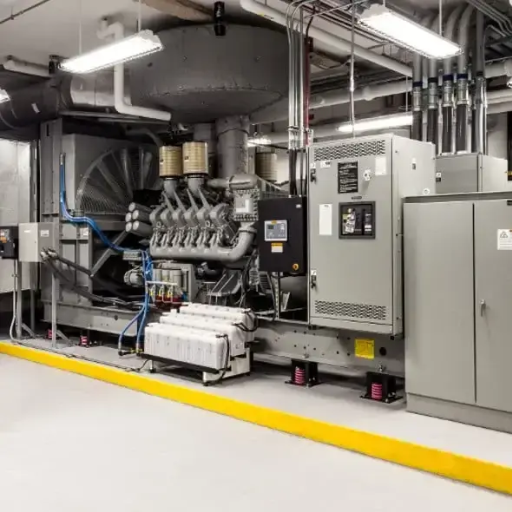
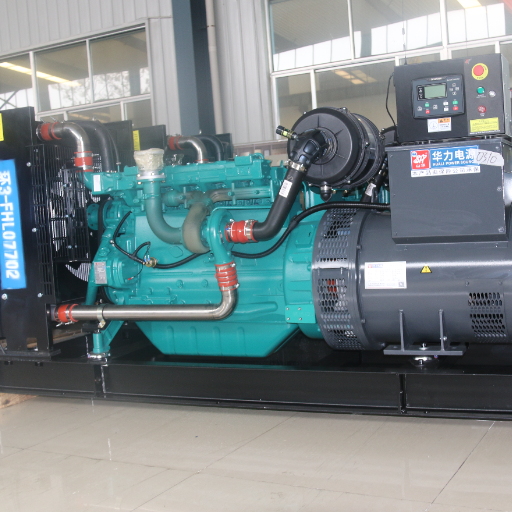
How long can a natural gas generator run? On a municipal pipeline, it can run indefinitely on fuel. The real limits are its duty rating and its maintenance schedule.
That is the answer, and it surprises most buyers. A standby unit is built for 100 to 500 hours a year. A prime-rated unit can run around the clock. But run even a small gas genset at 24/7 duty and you hit an oil change every four to six days, not once a year. The fuel never runs out, yet the maintenance calendar fills up fast.
This guide gives you the honest three-part answer: fuel, rating, and maintenance. By the end you will know the runtime limit for every duty rating, the real service cadence of continuous operation, and when natural gas is the right fuel for continuous power in the first place.
Key Takeaways
- On a municipal pipeline, a natural gas generator can run indefinitely on fuel; runtime is bounded by duty rating and maintenance, not by refueling.
- Standby rating allows roughly 100 to 500 hours a year, prime allows unlimited hours at variable load, and continuous allows 100 percent load around the clock.
- Continuous 24/7 operation means an oil change every four to six days on a small unit, not once a year.
- A natural gas engine typically needs an overhaul every 10,000 to 30,000 hours, which works out to about three years of continuous duty or 20 to 30 years of standby duty.
- For true continuous prime power, diesel often still wins; choose by duty cycle, not by fuel preference.
- Track run hours and load monthly: weekly exercise runs count toward the standby budget, and a unit logging 300 hours a year at 90 percent load is wearing like a prime machine, not a standby one.
The Direct Answer
How long can a natural gas generator run? Indefinitely on a municipal pipeline, but the practical limit is set by its duty rating and its maintenance schedule. A standby-rated unit is engineered for emergency use only, a prime-rated unit for unlimited hours at variable load, and a continuous-rated unit for full-load operation around the clock.
It Depends on the Duty Rating
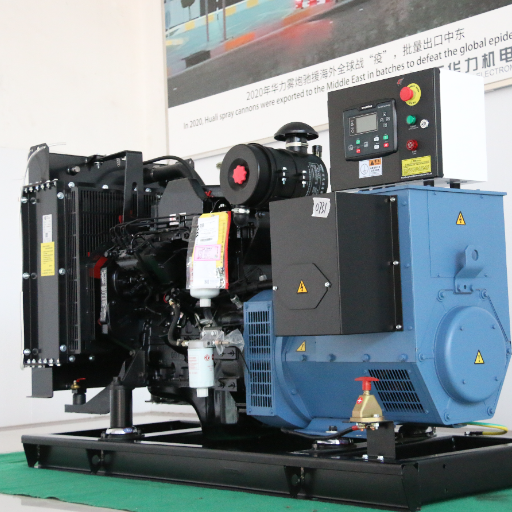
The ISO 8528 standard defines three duty ratings, and each one answers the question differently. This is the framework most FAQ pages skip entirely.
| Rating | Annual Hours | Typical Load | Built For |
|---|---|---|---|
| Standby (ESP) | 100-500 hrs/yr | Varies, no overload | Emergency backup during outages |
| Prime (PRP) | Unlimited | ~80% avg, 10% overload 1 hr in 12 | Primary power where the grid is absent or unreliable |
| Continuous (COP) | Unlimited | 100% load | Constant, unvarying base load |
Standby Rating: 100 to 500 Hours Per Year
A standby generator exists for outages. ISO 8528 defines the standby (emergency standby power, or ESP) rating as roughly 100 to 500 hours of operation per year, with no overload permitted. Run a standby-rated unit daily and you are operating it well outside its design envelope.
For most grid-connected facilities, standby is exactly the right choice. See how it works in practice in our [standby natural gas generator] guide.
Prime Rating: Unlimited Hours at Variable Load
Prime (PRP) is the rating for units that act as the primary power source. It allows unlimited hours of operation at a variable load, typically averaging around 80 percent of the nameplate rating, with a 10 percent overload permitted for one hour in every twelve. This is the rating to request when the generator is the main source, not a backup.
Priya runs a remote pipeline-pumping station in Gujarat with no grid connection at all. Her 800 kW gas genset carries a prime rating and logs about 8,000 hours a year. It overhauls at roughly the three-year mark, on schedule, and she would never go back to scheduling diesel tankers across 60 kilometers of rough road. For her, unlimited runtime on a pipeline beats unlimited refueling logistics every time.
Continuous Rating: 100 Percent Load, Unlimited Hours
The continuous (COP) rating is the heaviest duty: 100 percent load, around the clock, with no limit on hours. It suits base-load applications like a gas-compressor station or a treatment plant drawing a steady load. It also demands the most frequent maintenance, which is the real catch.
Not sure which rating fits your site? See how rating selection feeds into the full calculation in our [natural gas generator sizing] guide, or start with our [complete natural gas generators guide].
Fuel Supply: The Pipeline Advantage
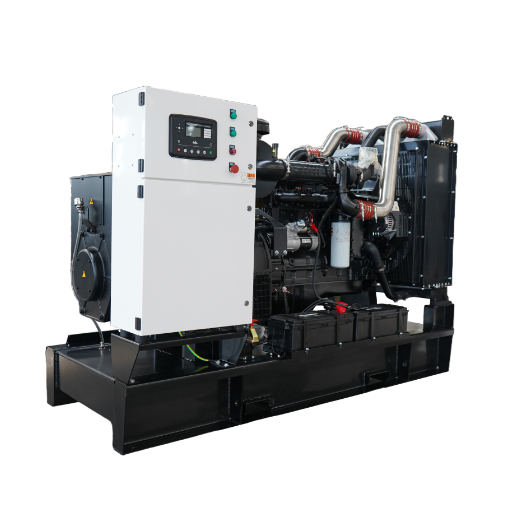
The reason a natural gas generator “never runs out of fuel” is that it is not carrying fuel at all. A diesel genset holds fuel in a tank and stops when the tank is empty. A propane unit stops when the tank runs dry. A gas genset draws from a pipe.
Why Natural Gas Runs Where Diesel Refuels
A diesel genset in continuous operation needs refueling logistics: tanker deliveries, bulk storage, and a fuel schedule. A natural gas unit connected to a municipal or site pipeline has none of that. This is why gas is popular for prime-power sites with a reliable gas line, such as pipeline compressor stations and landfill-gas operations, where the fuel supply is effectively continuous.
The Real Dependency: Is Your Pipeline Reliable?
The tradeoff is that “unlimited fuel” is only as reliable as the pipeline itself. If the gas utility is interrupted during a grid outage, the generator stops. Diesel keeps its fuel independence; natural gas trades that independence for convenience and cleaner combustion. This is the honest caveat behind every “unlimited runtime” claim, and the reason duty rating alone does not tell the whole story.
How Much Gas a Long Run Actually Consumes
Runtime planning stops being theoretical the moment you compute gas flow. A natural gas generator burns roughly 0.28 to 0.34 cubic meters of gas per kilowatt-hour at typical loads. A 500 kW unit running flat out therefore draws around 150 cubic meters of gas an hour, about 90,000 cubic meters over a full month of continuous duty.
That number is the point: the pipe, the meter, and the regulator all have to carry that flow. A facility manager planning a long outage should confirm with the gas utility that the line is sized for the generator’s full-load draw, not just the site’s normal building load. If the meter or regulator is undersized, the unit starves at peak demand, which is a runtime problem that has nothing to do with the engine.
What to Do If Your Gas Supply Is Unreliable
The honest caveat has an engineering answer. If a gas interruption is a real risk, the generator does not have to be fuel-blind. A dual-fuel generator starts on diesel, runs mostly on natural gas, and switches back to 100 percent diesel automatically if the gas pressure drops, so the outage that kills a pure gas unit barely registers. For sites where the pipeline is the weak link, that is how you keep the “unlimited runtime” promise honest.
Maintenance Is the Real Runtime Limit
Here is the part nobody puts on the brochure. Fuel may be unlimited, but maintenance is not. At continuous duty, the service intervals, not the gas supply, are what bound how long a natural gas generator can run.
The intervals that actually govern continuous runtime, at a glance:
- Oil and filter: 100-200 hours for standby use, 50-150 hours for continuous use, with a break-in change at 5-30 hours.
- Spark plugs: 500-1,000 hours, with a wider 300-4,000-hour range depending on the engine.
- Air filter and coolant: more frequent in continuous duty, and sooner still in dusty or hot environments.
- Valve adjustment: periodic, on a schedule set by the manufacturer.
Oil and Filter Changes
Natural gas burns cleaner than diesel, so it produces less soot in the oil, but the oil still degrades. For a standby unit, change the oil and filter every 100 to 200 hours, or annually, whichever comes first. For continuous operation, tighten that every 50 to 150 hours. Most manufacturers also require a break-in oil change after the first 5 to 30 hours, as Depco’s maintenance schedule details.
Spark Plugs and Ignition
A gas engine is spark-ignited, so it carries spark plugs and ignition components that a diesel does not. Plan to replace spark plugs roughly every 500 to 1,000 hours, though the range runs from about 300 to 4,000 hours depending on the engine. Worn plugs cause misfires, hard starting, and wasted fuel.
Air Filter, Coolant, and Valve Checks
Alongside oil and plugs, continuous operation means more frequent air-filter replacement, coolant checks, and periodic valve adjustments. In a dusty or high-temperature environment, these intervals compress further.
The 24/7 Reality: Every Four to Six Days
Run the math. A small gas genset needs an oil change every 50 to 150 hours in continuous duty. A week is 168 hours. So a small unit running around the clock needs fresh oil every four to six days. A larger industrial engine stretches that to roughly 1,000 hours, but the principle holds: continuous duty turns a once-a-year chore into a weekly one.
Marcus learned this during a 12-day winter outage at his sheet-metal shop in Minnesota. His standby-rated gas genset, sized for a couple of days of backup a year, ran nearly two straight weeks. Nobody had budgeted for that. The oil degraded far faster than the annual service plan assumed, and by day nine the unit was well past its interval. The machine survived, but Marcus now specs his backup for the longest realistic outage, not the average one. See the full [natural gas generator maintenance schedule] to plan for the worst case, not the typical one.
How to Track Runtime and Stay Inside the Rating
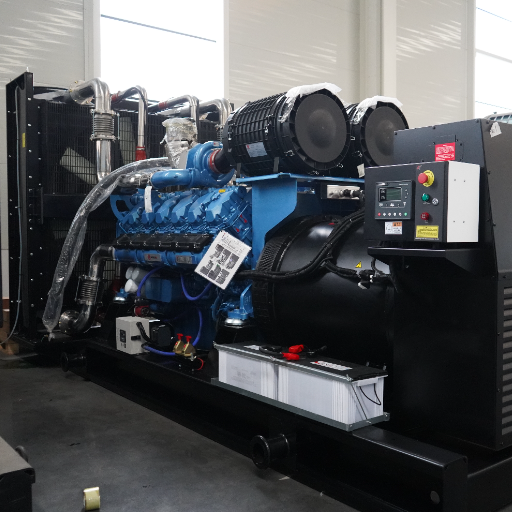
Knowing the ratings is half the battle; knowing your own runtime is the other half. Most buyers have no idea how many hours their genset actually logs, which is how a standby unit quietly becomes a prime unit without anyone noticing.
Hour Meters and Controller Data
Every modern genset has an hour meter, and the controllers ZC Power fits, Deep Sea and SmartGen modules, log run hours and load history automatically. The data is sitting in the panel. The discipline is reading it: record cumulative hours and average load monthly, and compare them against the rating you bought.
The Weekly Exercise Run Counts
A standby unit is usually exercised weekly, typically 20 to 30 minutes under load, to keep the engine warm and the controller healthy. Those runs count toward the 100 to 500 hour annual budget. Over a year, weekly exercise alone eats about 17 to 26 hours of the standby allowance, so it is not negligible. It is also the cheapest insurance you will buy for a machine that must start when it matters.
Load Logging Reveals the Real Duty
Hours alone do not tell the whole story; load does. A unit logging 300 hours a year at 90 percent load is wearing like a prime machine, not a standby one. If the load log shows sustained heavy use, the engine is effectively operating outside its rating even if the hour count looks compliant. That is the data that should trigger an upgrade to a prime-rated unit, not an argument about the label.
Here is what the same engine looks like at different annual run hours, using the overhaul window:
| Annual run hours | Time to overhaul (10k-30k hr window) | Typical use case |
|---|---|---|
| 100 | 100-300 years (outlives the site) | True standby |
| 500 | 20-60 years | Heavy standby |
| 2,000 | 5-15 years | Part-time prime |
| 8,000 | About 1-4 years | Continuous base load |
Run the table against your own hour log, and the right rating usually declares itself.
How Long Does a Natural Gas Generator Last? (Engine Lifespan)
The Overhaul Interval
Every internal-combustion engine eventually needs a major overhaul, and a natural gas engine typically reaches that point between about 10,000 and 30,000 operating hours, with larger industrial units sometimes running past 40,000, per Depco’s lifespan figures. This is the engine’s usable life before a rebuild.
Duty Cycle vs. Lifespan
The same engine lasts for very different lengths of time depending on how it is run. A continuous unit running 8,000 hours a year reaches a 25,000-hour overhaul in about three years. The same unit used as a standby backup, running 100 to 500 hours a year, can serve for 20 to 30 years before it approaches the overhaul interval. Duty cycle, not calendar time, is what consumes engine life.
A facility buyer in Brazil once specced a standby-rated unit for daily load-shedding duty, reasoning it was “the same machine, just cheaper.” Within two years the engine was worn well ahead of schedule because it was logging prime-duty hours on a standby rating. The rating is not a label; it is a design envelope, and exceeding it shortens life by a factor of ten.
Overhaul vs. Replacement: The Economics
When a natural gas engine approaches the overhaul window, the decision is not just “rebuild it.” A top-end overhaul, replacing the cylinder head, valves, and gaskets, costs a fraction of a new unit. A major overhaul, which typically adds pistons, bearings, and a full fuel-system and ignition refresh, approaches a meaningful share of a new genset’s price, though it still lands well below replacement.
The deciding factors are usually three: the age of the alternator and control system, the availability of genuine parts, and whether the site’s power needs have grown. If the alternator and controller are healthy and the load is unchanged, an overhaul almost always beats replacement. If the unit is old enough that parts supply is thinning, or the site needs more capacity anyway, that is the moment to price a new unit. The overhaul of economics decide the length of the second life, not just the first.
When Diesel Still Wins for Continuous Power
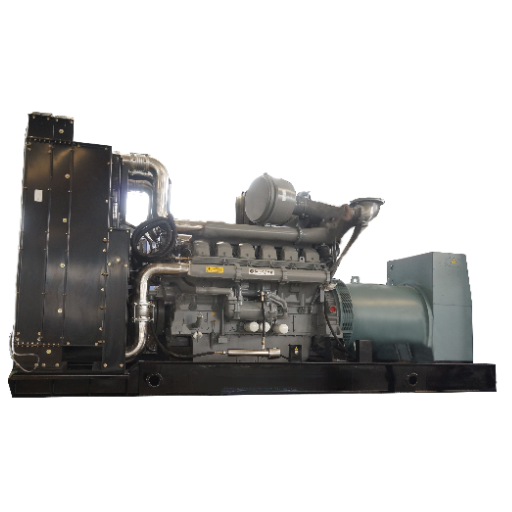
Transient Response and Prime Power
For genuine continuous prime power at a steady high load, diesel retains a real advantage. A diesel accepts larger sudden load steps and holds tighter frequency and voltage, and its fuel can be stored on site. A gas engine accepts smaller load steps, which matters when large motors cycle on and off, as our [natural gas generator sizing] guide explains.
Choosing by Application, Not by Fuel Alone
The right question is not “which fuel is better” but “what is my duty cycle.” If the site has a reliable pipeline and a variable load, prime-rated gas is often the economical, lower-emissions choice. If the application demands the tightest transient response and on-site fuel independence, diesel is hard to beat. For the full head-to-head, see our [natural gas vs diesel generator] comparison.
Frequently Asked Questions
Can a natural gas generator run 24/7?
Yes, but only if it is prime or continuous rated, and only if you keep up with the compressed maintenance schedule: oil every 50 to 150 hours and spark plugs every 500 to 1,000 hours.
How often does a natural gas generator need an oil change?
Every 100 to 200 hours (or annually) for standby use, and every 50 to 150 hours for continuous operation, with a break-in oil change after the first 5 to 30 hours.
How many hours does a natural gas generator last?
An engine typically runs 10,000 to 30,000 hours before overhaul, which is roughly three years of continuous duty or 20 to 30 years of standby duty.
What is the difference between standby and prime power?
Standby (ESP) is for emergency backup, 100 to 500 hours a year. Prime (PRP) is the primary power source, with unlimited hours at variable load. Continuous (COP) is 100 percent load around the clock.
How often should a standby natural gas generator be exercised?
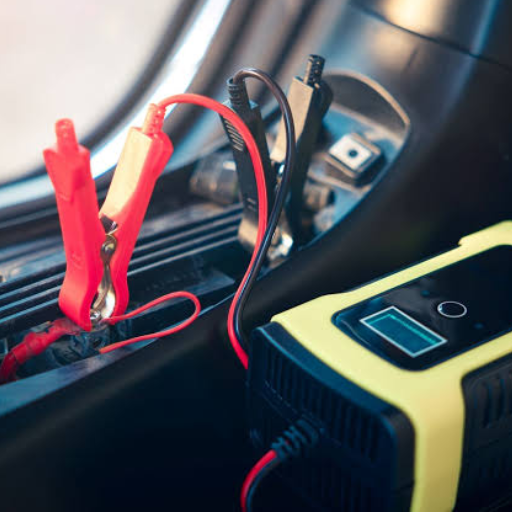
Weekly, typically for 20 to 30 minutes under load, per most manufacturer recommendations. The exercise run keeps the engine warm, the battery charged, and the controller healthy, and it counts toward the standby rating’s 100 to 500 annual hours.
How much natural gas does a generator use per hour?
About 0.28 to 0.34 cubic meters per kilowatt-hour at typical loads. A 500 kW unit at full load draws roughly 150 cubic meters per hour, so confirm the gas meter and regulator are sized for the generator’s full-load flow before planning a long run.
Match the Generator to the Duty Cycle
So how long can a natural gas generator run? On a municipal pipeline, indefinitely on fuel. But the real answer has three parts: fuel supply, duty rating, and maintenance schedule. A standby unit runs 100 to 500 hours a year, a prime unit runs unlimited hours, and a continuous unit runs 100 percent load without limit. All of them are ultimately bounded by oil changes, spark plugs, and the eventual overhaul.
Match the generator to your duty cycle and the question answers itself. If you are unsure which rating fits, [Contact the ZC Power engineering team] for a free duty-cycle assessment and a factory-direct quote built around how you actually run.