
Containerized Generator Factory Acceptance Dossier: Evidence Beyond the Load Bank Report
A containerized generator factory acceptance dossier links the supplied unit to the agreed requirements. It holds the inspection and test results used to make a clear acceptance decision. The load bank report is one attachment within that evidence chain.
The report says “pass.” Can you trace it to the container being shipped? Before signing, check which build ran.
Which requirements were checked? Which questions remain open? A neat summary can hide a mismatch. The unit you bought may differ from the one tested.
This guide helps buyers, engineers and owner representatives review the records. Set the baseline, index the evidence, check its limits, and state the decision. Use it to plan your review. It does not set one test schedule for all projects.
Key Takeaways
- Match records to the unit, component identities and approved drawing revisions.
- Compare actual results with agreed criteria; an attachment title is insufficient.
- Identify excluded, simulated and installation-dependent checks explicitly.
- Link findings to corrections, retests and the person authorized to close them.
For a project discussion, send ZC Power the specification and requested document list. Identify your required acceptance scope before asking for a generic FAT package.
Define what the factory acceptance dossier must prove
Identify the unit, supply scope and accepted revisions
Start with the purchase order and approved specification. Add the agreed inspection and test plan. List their revisions and any approved changes. State which document takes priority.
If two documents conflict, get that resolved in writing. Then assess the result against the agreed basis.
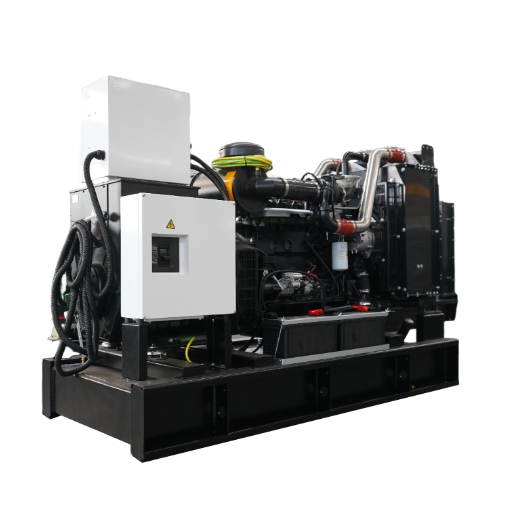
Define the containerized generator package scope. Does the order include the enclosure, fuel system, control panel, transfer equipment and external accessories? A test of the generator alone has a limited scope. It cannot settle questions about items left out of that test.
Record the set ID. Add the engine, alternator and controller IDs used for the supplied unit. Match them to the rating, voltage and frequency.
Check them against the approved parts list. A model brochure describes a product family. You need records tied to the unit you bought.
Illustrative scenario: The set serial number on the load sheet differs from the one in the inspection photo. You don’t yet know whether the sheet is mislabelled or belongs to another unit. Keep that finding open.
Ask for a traceable correction or the right test record. Neither guess is a sound basis for sign-off.
Separate witnessing, acceptance and shipment authority
Ask what each signature means. A witness may sign to show they attended a listed test or saw a stated check. Technical acceptance means the appointed reviewer has assessed the agreed requirements.
The contract sets who can release a shipment or approve payment. Don’t infer either right from a witness signature.
Name the people or roles responsible for each decision. Include agreed hold and witness points. State what to do if a witness cannot attend.
Confirm these rules for your project. Don’t let a generic form override the contract.
List the standard editions required by the contract. The official ISO 8528-6:2023 scope covers whole-set test methods. It also notes that some uses may need extra requirements.
The public abstract only gives the scope. Review the applicable standard and project criteria for the actual requirements.
The first review question is therefore simple: “What decision are we being asked to make, and against which approved documents?” Answer it on the dossier cover sheet before reviewing the test summary.
Build a traceable dossier index for the complete container package
Connect each requirement to a record and reviewer
Build an index that a new reviewer can follow. They shouldn’t need the test engineer to explain every file. Give each requirement a reference.
Name the build it applies to and the file and page holding the result. Then record the result and its review status.
Here’s a suggested worksheet. It is not a required standard form. Keep each field separate in your spreadsheet. This compact table groups them for ease of reading.
| Record group | Requirement and configuration to identify | Evidence and sufficiency question |
|---|---|---|
| Identity and scope | Order item, set and component IDs, rating, approved substitutions | Do the nameplate, component list and test header describe the same supplied unit? |
| Document baseline | GA, single-line and control drawings; revisions and approval status | Are the tested arrangement and connections represented by the cited drawings? |
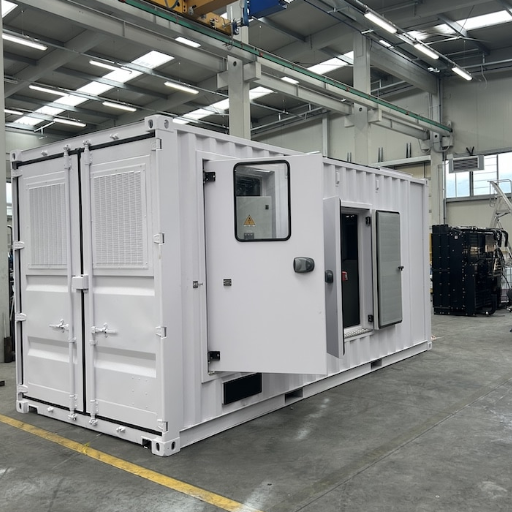
| Physical container inspection | Enclosure, access, cooling, exhaust, fuel equipment and ordered accessories | Do signed observations and identified photographs show the relevant installed items? |
| Load and performance | Approved procedure, applied load, power factor, duration and conditions | Are actual readings available alongside the criterion and test sequence? |
| Instruments | Instrument IDs, ranges, uses and applicable calibration or verification status | Can the readings be traced to instruments suitable for the measurement? |
| Controls and protection | Settings, software/configuration reference, inputs and expected responses | Does the record distinguish observed actions, approved simulations and exclusions? |
| Package interfaces | Enclosure state, supplied transfer/parallel equipment and communications boundary | Which interfaces were connected, absent or simulated, and what remains for site? |
| Findings and retests | Finding ID, original result, correction and affected configuration | Can the reviewer trace the correction to a relevant retest and closure? |
| Acceptance and handover | Decision scope, signatories, restrictions and final document references | Does the decision identify open work, responsibilities and release conditions? |
Follow one row all the way through
For each row, add these separate fields: method; acceptance criterion and source; actual result; evidence file/page; exclusions; reviewer; disposition. If a field is blank, ask for the missing detail. Don’t guess.
Illustrative worksheet row, not a test result: Use these fields to review access on the supplied enclosure. The brackets are blanks to fill from real records.
- Requirement and build: Access details on [approved GA reference and revision]; [unit ID].
- Method and criterion: Compare the installed layout with the approved access details.
- Actual result: [Inspector’s observation, including any difference from the drawing].
- Evidence file/page: [Inspection sheet reference/page and photo IDs].
- Exclusion: [Any item absent from this inspection].
- Reviewer: [Appointed mechanical reviewer].
- Status: Open until the observation is entered and assessed.
The row is useful even while open. It tells the supplier what is missing. To resolve drawing questions, review the approved GA drawing.
Use that guide for geometry checks. Use this index to link each check to its record.
Make file references easy to trace. Use document numbers, revisions and page references instead of a folder called “latest.” Record who supplied each revision and which earlier document it replaces.
If you include a certificate, name its issuer and scope. State which model or unit it covers.
A part certificate says something about that part.
The factory record covers the tested package. A site test covers the installed system. Keep these three evidence boundaries distinct.
Assign an owner to missing evidence. “Awaiting document” gives no clear next step. Name the missing file and its owner. State which decision it blocks.
Read the load and functional records within their limits
Record kW, kVA, power factor and conditions
Read the setup before the pass box. Check the rating basis and load-bank type. Look for applied kW, kVA and power factor. Add voltage, frequency and the phase readings needed for the test.
Compare the load steps and run times with the approved method. Don’t assume that one schedule applies to all projects.
Explanatory calculation: A 500 kVA rating at power factor 0.8 corresponds to 400 kW: kW = kVA × power factor. A purely resistive 400 kW load represents 400 kVA at unity power factor. This is a calculation. It is not a ZC Power test result.
At a common voltage, the two loading conditions do not impose the same current. Avtron’s explanation of resistive and reactive testing explains that limit. A resistive test alone does not show the full electrical and thermal response at the stated non-unity rating.
Record the power factor used. State what the result can and cannot show.
Compare the records you have with the agreed test scope. A resistive result still has value. Don’t treat it as proof of every rated condition.
If a required condition is missing, name the gap. Ask for the evidence agreed by the project to close it.
Separate steady readings, transient traces and protection checks
Steady readings show the state at those points. A time trace shows the response during a load change. For a transient check, find the starting load and load step.
Check the timing and measured response. Which limit was used to assess it? A final stable voltage reading alone doesn’t show what happened during the change.
Keep the trace file and its setup details with the summary. The reviewer should be able to check the event, not just read a conclusion.
Check instrument IDs against the measurement list. Check the calibration or verification record that applies. Is the range suitable?
Can the recording method capture the event being assessed? For time-dependent results, the capture setup matters as well as the instrument’s certificate.
For controls and protection, ask what input was used and how. What should have happened? What did the record show?
Distinguish an approved simulated input from a physical operating event. A message on the controller is one observation. It does not alone prove that a relay, breaker or remote signal worked.
Preserve settings and configuration references with the results. Did settings change between tests? Record why, and link each retest to its finding. State the setup used for that retest.
Use the load-bank test procedure guide for procedural context. Ask for your approved project method and its actual records. Don’t borrow another supplier’s overload allowance or run time.
Check the container configuration and site interfaces
Identify the tested physical arrangement
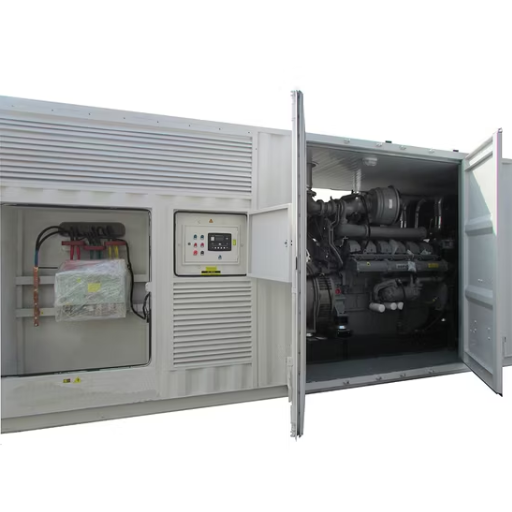
Which doors and louvers were open during the run? Were the silencers, radiator and accessories in the state that will ship? Record the answer.
A photo of an enclosed set alone does not prove the setup used during the test. List temporary ducts, external fans or bypasses if used. Note other changes from the final build.
Illustrative scenario: A thermal record shows a run with a door open. The approved operating layout has that door closed. The record still describes that run.
It does not answer the closed-door question by itself. Note the difference. Ask the engineer in charge what further evidence is needed for the agreed requirement.
Connect this review to the ventilation review and thermal evidence. Keep the design assumptions and tested layout in the dossier. Add the observed conditions and exclusions.
A factory run at one condition cannot prove all site conditions. Check what it supports for your intended site.
Carry installation-dependent checks into the site list
Mark equipment as supplied and connected, supplied but unconnected, absent, or simulated. Those labels tell the next reviewer what was checked. “System tested” alone leaves too much unclear. Use a boundary table to show the factory record and site work side by side.
| Interface | Record from the factory scope | Carry forward for site review |
|---|---|---|
| Cooling and enclosure | Tested airflow arrangement and operating conditions | Final external restrictions and site conditions |
| Exhaust and fuel | Supplied equipment, connections and inspection results | Installed routing, external connections and applicable checks |
| Earthing and electrical connections | Supplied bonding and terminal details within the test scope | Installed earthing system and final cable connections |
| Transfer and controls | Equipment connected, signals exercised and simulations | Actual transfer interfaces and integrated operating sequence |
| Communications and access | Points checked and physical arrangement inspected | Site monitoring connections and final maintenance approach |
Give each site check an owner, acceptance reference and due milestone. A planned site test is still open. It is not a completed factory result.
Keep it in the handover list. Close it when the named party supplies the evidence and the reviewer accepts it.
Factory acceptance does not grant local permits or transport approval. It also does not alone prove site noise or emissions compliance. Where such evidence is required, identify it separately. Keep installation design and shipping review as separate tasks.
If the factory and installation boundaries are unclear, discuss the final configuration and requested records with ZC Power. Include the supply scope and planned site connections. That gives the discussion a clear starting point.
Close findings, retest changes and record the release decision
Keep the original finding and correction trail
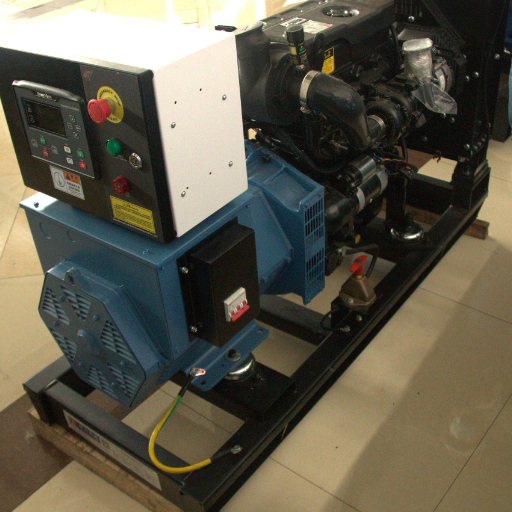
Give each finding an ID. Link it to the requirement, observed result and affected unit. Name the owner, proposed action and who must approve it.
Keep the original failed result. A new “pass” sheet should not hide what went wrong or what was changed.
Use this closure chain: original record → finding → approved correction → affected checks → retest evidence → reviewer decision. It reflects the record-control questions covered in the manufacturer FAT checklist; your project still sets the exact tests and who approves them.
A usable finding row might read: “Controller input response differs from the approved schedule; correction reference pending; affected functional checks to be identified; retest attachment pending; technical closure open.” This is a placeholder. It does not describe a real defect. Enter the real references and findings before using the row to make a decision.
Illustrative scenario: A controller is replaced after the witnessed FAT. Keep the earlier signature in the history. Then review how the new controller affects the evidence.
List changed settings, wiring and functions. Agree which records still apply and which checks to repeat.
Record the new approval. Don’t assume that each old test covers the replacement.
State exactly what has been accepted or released
Distinguish technical acceptance, conditional shipment release and open findings. Does the contract permit a conditional release? If so, record who approved it and what remains open.
Name the owner, due milestone and restrictions. Don’t mark an open safety or performance requirement as passed. A near shipment date does not close it.
Keep the technical decision separate from payment and logistics approvals. Reference the preservation plan, manuals, as-built records and packing documents that apply. A FAT signature alone does not prove those records are adequate.
Leave detailed transport and container certification questions to the separate shipping review. State which signature closes the technical review and which one releases the shipment. If either is missing, leave that decision open in the register.
Carry deferred work into installation and site handover. Record a review of later changes that could affect the accepted evidence. Before closing the dossier, ask: “Does this decision still describe the unit and build that will leave the factory?”
Frequently asked questions and project handoff
Is a load bank pass the same as factory acceptance?
No. A load bank pass covers the stated test scope and conditions. Factory acceptance can also require identity checks, drawings, controls and finding closure.
Compare the whole dossier with the agreed specification. Then state which requirements are met and which still need evidence or approval.
Does every factory acceptance test need an overload run?
Don’t assume one overload rule applies to all sets. Check the rating, unit limits, contract and approved test method. If an overload run is required, define its allowed conditions and pass criteria. A load percentage in another supplier’s example is not authority to apply it to your unit.
Can remote witnessing replace the test records?
Remote witnessing can support the agreed process. It does not replace the test records. Keep the unit ID, setup, method, readings, exceptions and approvals.
State what the witness could see and which checks were outside that view. Use the agreed project process to resolve any gaps in the record.
Does factory acceptance replace site commissioning?
No. Factory records describe the tested unit and its stated test boundary. Final cables, external systems, site airflow and linked control sequences may need site checks.
Put those requirements on a site test list. Name an owner for each one; don’t mark it complete on the strength of the factory run.
Who can approve an outstanding punch item?
Check the contract and agreed roles. Record who can approve that item, what remains open and which restrictions apply. A witness or shipping coordinator does not gain the right to waive a technical requirement by attending the FAT. Ask the named authority to record the actual decision and its scope.
Prepare a focused evidence request
Send a request the recipient can answer document by document:
- Approved equipment scope, component identities and current drawing revisions.
- Agreed test matrix, acceptance references and named decision roles.
- Actual inspection and test attachments, including configuration and instruments.
- Finding register, correction references, retests and proposed open-item treatment.
- Deferred site checks, handover documents and the precise decision requested.
Keep a copy of the request with the returned index. Check that each reply points to a record, not just a statement that the document exists. If a reply changes the tested scope, send it to the relevant reviewer before closing the item.
The useful dossier is the one that makes each conclusion traceable. Return to the opening load report: you should now be able to identify its unit, scope, supporting results and limits. For the next project discussion, send ZC Power your approved scope and outstanding evidence list.


