
Shipping a Containerized Generator: CSC, Modified Enclosure and Handling Documents
Shipping a containerized generator starts with an agreed shipping plan. Its documents must describe the actual modified package. Check its unit ID, approval scope, shipping mass and handling guide. Do this before booking or planning a lift.
A plate photo can identify the original box while leaving the finished genset unanswered. You need to know which drawing, fitted equipment and load condition each record covers. This guide links those records to their reviewers. Use it to ask clear questions before dispatch.
Use the containerized generator procurement guide for broader package selection. Here, the task is to establish what can support the proposed shipment.
Key Takeaways
- Agree whether the assembly travels as a freight container or machinery cargo.
- Match modification and examination records to the actual unit and drawing revision.
- Reconcile shipping mass, loose packages and any applicable VGM declaration.
- Keep handling review, carrier acceptance and factory acceptance as separate decisions.
Have a package under review? Send ZC Power your project outline and ask which shipping documents form part of the quoted supply.
Choose the transport basis before booking
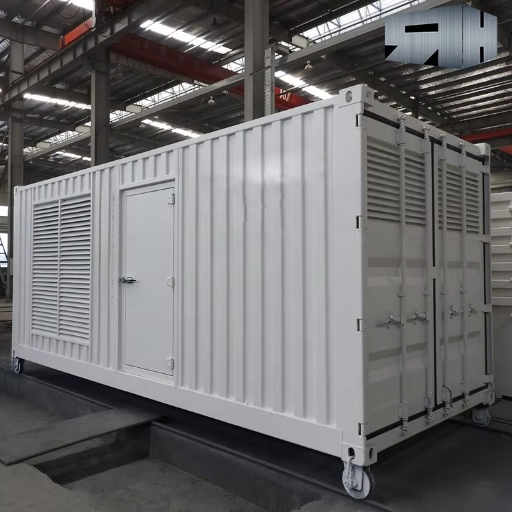
Transport unit or machinery cargo?
What exactly has the carrier agreed to carry? A container-shaped enclosure does not settle that question. Ask your forwarder how the unit will travel.
Will the carrier accept it as a freight container? Or will it travel as machinery cargo on separate transport equipment?
For the proposed arrangement, request the equipment type, route, loading restrictions and supporting document list. Include origin and destination terminals, inland transport and unloading. A sea booking should not leave your receiving team guessing who provides the final lift.
Maersk’s special-cargo guidance distinguishes in-gauge, out-of-gauge and breakbulk cargo. Use these categories to frame booking questions. They do not prove that another carrier or port will accept the load. Get acceptance for the actual shipping setup and route.
Define the as-shipped package
Ask the supplier what stays attached in transit. Include fitted exhaust parts and weather hoods in the shipping dimensions. Check other parts that stick out, too.
List removed accessories as separate packages, with their own references. Then review the as-shipped GA drawing against that list.
Illustrative scenario: A quotation describes a containerized genset, while the proposed booking assumes an ordinary freight box. The plate photograph shows the donor container, but the dispatch drawing shows added openings and equipment. Ask which configuration the approval and booking cover; don’t infer that the references are equivalent.
Separate offshore and onboard service
State the planned use. Will the unit only travel as cargo? Will it be lifted offshore or run aboard a ship?
These are different service questions. DNV describes separate scopes for offshore containers and gensets installed aboard ships. Neither proves the status of your unit.
Put that use on the inquiry and document register. Ask the appointed reviewer which approval basis applies and who must accept it. Settle the scope first. A certificate may sound relevant yet cover a different use.
Match CSC evidence to the modified enclosure
Read the identity and approval scope
The International Convention for Safe Containers (CSC) addresses container safety during transport and handling. It does not prove that a genset will meet its electrical rating or suit the site. Start with the unit ID. Match it across the plate, drawings, photos and approval records.
Request readable photographs of the actual unit and plate. Note the approval reference and stated limits. Ask how they cover the finished unit.
The donor box and genset may have different numbers. Ask for a record linking them; don’t assume either is wrong.
Build a short identity sheet:
- Enclosure reference.
- Genset reference.
- Dispatch drawing revision.
- Modification-record reference.
Use this as a project tool. It can’t replace a certificate. It helps the reviewer link each record to the actual unit.
Submit the modification schedule
List changes to the original design. Include air openings, access doors, exhaust holes, base changes and fitted equipment. Ask which drawings and review cover each change. Do not assume that retaining the original plate resolves their effect.
HSE’s guidance for Great Britain separates container approval from examination and maintenance. Its modification guidance addresses changes affecting safety and the role of authorised approval bodies. Use that distinction to request evidence covering the finished configuration, without claiming that every opening automatically prevents shipment. See HSE’s freight-container guidance.
Ask the authorised reviewer what was assessed. Request the decision, any conditions and the drawing list. A statement about the empty shell should prompt a question about the installed genset.
If a statement covers an older design, check the revision. Keep differences open until the reviewer resolves them.
Separate examination from design approval
Ask which examination scheme applies. Request its records. Under a Periodic Examination Scheme, look for the applicable Next Examination Date. For an Approved Continuous Examination Programme, request evidence connecting the unit to that programme and its examination arrangements.
A periodic record, an ACEP mark and a review of structural changes answer different questions. Don’t combine them into a single field called “CSC valid.” Record each reference, scope and reviewer separately. Under the periodic scheme, the first examination interval must not exceed five years from manufacture; later intervals must not exceed 30 months.
These are maximum intervals, not a promise of safe condition. See BIC’s examination-scheme guidance. Ask about the unit’s condition now.
Point out any damage, repairs or later changes shown in the photos.
Keep cooling review connected but distinct
Ventilation changes can appear in both the thermal review and the modification schedule. One shared drawing doesn’t make these the same review. Use the containerized generator ventilation review to address airflow and cooling questions, while the relevant approval reviewer assesses transport-related structural changes.
Use the same opening IDs and drawing revisions in both reviews. If a louver or access door changes after either review, ask which conclusions need checking again. Both reviews should cover the unit that will ship.
Reconcile shipping mass, packing records and VGM
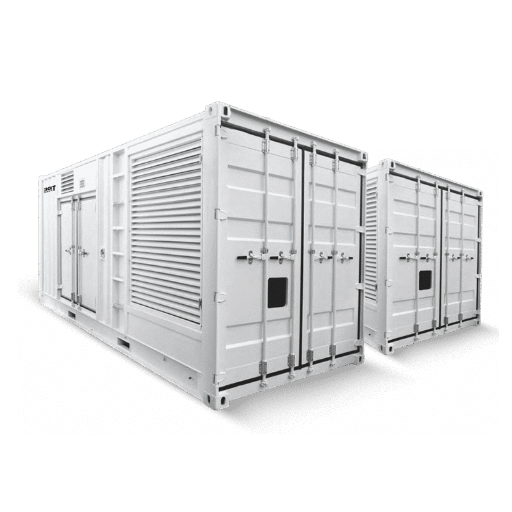
Name the condition behind every mass
Which weight describes the package arriving at the terminal? A dry weight in a brochure won’t tell you unless you know what it includes. Ask what was weighed and how.
Which version of the unit does the figure cover? Note the fluid levels and which transit parts stay attached.
Use a mass-scope worksheet to compare documents before the shipper prepares the final shipping record:
| Record | Scope to identify | Reconciliation question |
|---|---|---|
| Genset data | Engine, alternator and base as defined | Is this dry, service-filled or dispatch condition? |
| Enclosed assembly | Fitted enclosure and attached equipment | Which items are already included? |
| Loose-package list | Removed accessories and spares | Which package carries each item? |
| Packing record | Packing and securing materials | Are these included in the relevant total? |
| Transport equipment | Any separate carrying unit | Where is its tare counted? |
Illustrative scenario: The silencer will travel separately, but an assembly mass record still includes it fitted to the enclosure. Find the silencer on the package list. Check the enclosure’s mass record against it. Ask whether the handling drawing also assumes the fitted silencer; changing a packing list alone does not resolve that question.
Confirm where VGM applies
For packed containers within the SOLAS requirement, the shipper must provide verified gross mass in time for stowage planning. IMO describes two methods: weighing the packed container, or using a certified calculation method that includes the relevant contents and container tare. Check which method you can use. Follow the relevant authority’s rules.
Ask the shipper which method applies. Name the people who supply the records and submit the declaration. Do not treat a spreadsheet of estimated component weights as an approved method.
Don’t reuse the donor box’s tare without a scope check. Show how the modified unit is counted.
Verified gross mass is a loading condition where applicable; it does not create a right to loading. IMO’s VGM guidance makes that distinction. Keep the mass record and carrier acceptance as separate register entries.
Agree when the records are due. Decide how to handle late changes to the load. If accessories move between packages, notify the person responsible for the mass declaration.
Check that the drawing, packing list and accepted load description agree. Then pass them on.
Review the handling and securing dossier
Ask for unit-specific handling information
A useful handling drawing names the unit and allowed load state. Ask it to identify:
- Mass basis for the stated load.
- Centre of gravity reference.
- Designated lifting points.
- Limits for the allowed setup.
Ask which setup is allowed and what limits apply. Check the revision. Don’t choose lifting gear from a generic box sketch.
Can the handler tell whether the drawing covers the empty shell or the fitted generator? Can they identify which accessories remain attached? If you can’t tell, ask the supplier and lift planner. Resolve this before they use the drawing.
Review the drawing against the dispatch GA and packing list. The same unit number isn’t enough. The fitted parts must match, too.
In the silencer scenario, ask what changes when it is removed. Does the stated mass or centre of gravity change? Ask the reviewer what needs updating.
Separate supplier data from the lift plan
Supplier handling instructions and the operation-specific lift plan serve different purposes. The planner must still assess the actual lift, gear, site and load. HSE’s lifting guidance for Great Britain calls for competent planning, supervision and safe execution. It does not design the lift for your load.
Assign a reviewer for each handling stage: factory dispatch, port transfer and site unloading. Give each the relevant supplier documents and shipment condition. Ask each reviewer what is missing. Don’t assume that a drawing accepted at one site covers every later lift.
Ask for written answers to limits that affect the planned setup. This article does not select sling angles, lifting accessories, crane capacity or attachment methods. Those choices need actual load data and a competent review of the lift.
Keep securing instructions separate
Do not assume that a lifting point also serves as a transport securing point. Ask for designated functions, limits and the securing arrangement accepted for the proposed carriage. Name who supplies the securing plan. Also name who checks it at loading.
Record restrictions on attached equipment and loose accessories in the packing and securing documents. If transit parts must come off before use, list them in the handoff. The site team shouldn’t have to guess which restraints to remove.
For the downstream work, use the installation and site handover guide. Carry open delivery and unloading questions into that process. Shipping records help the site team plan. They don’t prove the site is ready or approve its lift.
Build a shipment release register with named owners
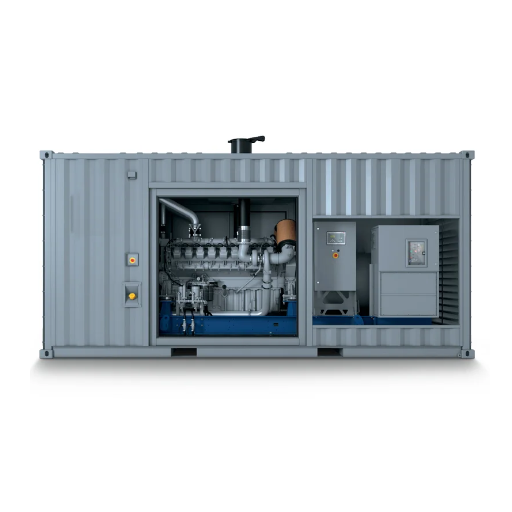
Record decisions as well as received files
A folder full of PDFs does not show which issues are closed. Use a register with the unit reference, document revision, issuer, reviewer, decision, conditions and next owner. Add the review date.
Link the evidence used to close each item. Keep “received” distinct from “accepted for this scope.”
| Review item | Evidence to request | Decision owner to identify |
|---|---|---|
| Carriage basis | Accepted configuration, route and equipment | Carrier or appointed logistics reviewer |
| Modified enclosure | Applicable approval and examination records | Relevant authorised or competent reviewer |
| Shipping mass | Defined condition and applicable verified record | Named shipper and mass-record provider |
| Handling and securing | Supplier data and operation-specific arrangements | Appointed lift and logistics reviewers |
| Factory acceptance | Test dossier and open-item list | Contractually appointed acceptance reviewer |
| Delivery handoff | Package list, instructions and remaining conditions | Buyer and receiving-site coordinator |
Illustrative scenario: The factory test dossier is accepted, but a transport condition remains open. Show separate rows for test acceptance and transport review. Do not change the transport row to closed because the FAT row is complete. Use the factory acceptance dossier guide for the test evidence itself.
Check fuel, fluids and battery status
Tell the logistics provider which fuel, fluids and batteries will ship, and in what state. Request a shipment-specific dangerous-goods assessment and the carrier’s document requirements. Do not infer a classification, exemption or UN number from the description “diesel generator,” or assume that draining fuel settles the question.
IMO states that the IMDG Code 2024 Edition, including Amendment 42-24, became mandatory on January 1, 2026. Use this as a current-edition check, rather than a future deadline alert. Ask the appointed specialist to record the applicable basis. The IMO IMDG publication page confirms the edition timing, not your shipment’s classification.
Carry conditions into delivery
Keep conditions visible through dispatch and handover. When a drawing changes, list the records it affects. Ask each owner if they need to review it again.
Keep the earlier decision and its revision. Show which new record replaces it.
To clarify the commercial scope, ask ZC Power which documents are included. Send the unit reference and open register items. The carrier and specialists make their own decisions. An inquiry can’t guarantee approval.
Frequently asked questions and project handoff
Does the donor CSC plate prove a modified generator can ship?
No. The old plate alone does not prove approval of the finished unit. Match its reference to the actual unit and change drawings.
Check the relevant approval and examination records. Ask the reviewer what setup the records cover. Check the conditions and open questions before relying on them for shipment.
Can the assembly travel as cargo if it is not accepted as a freight container?
A carrier may consider shipping it as machinery cargo on separate transport equipment. That possibility is not a booking approval. Supply actual dimensions, mass, parts that stick out and handling data.
Request acceptance for the route. Record which equipment and conditions the carrier accepts. Not every container-shaped enclosure travels the same way.
Is generator dry mass enough for a VGM declaration?
No. Dry mass alone does not describe the packed load that will ship. Where VGM applies, the shipper needs the verified gross mass established through an applicable method.
Check the unit, fluids, loose parts, packing and any separate transport equipment. Don’t leave items out or count them twice.
Does a factory test pass authorise shipment?
Factory acceptance addresses the agreed test scope. It doesn’t by itself close the container approval, mass check, handling review or carrier acceptance. Keep these decisions separate in the release register. For broader buying and customs steps, use the generator import process guide alongside the shipment-specific document review.
Do fuel and batteries automatically make the shipment dangerous goods?
You need details of the actual load to classify it. Give the dangerous-goods specialist and carrier the fuel state, fluids, battery details and packing plan. Ask them to identify the applicable rules and documentation. A generic label or an assumed empty tank can’t settle the shipment status.
Hand over one consistent package
Before dispatch, give the receiving coordinator the register and its referenced documents. Include the accepted shipment description, latest drawings, package identities and remaining conditions. Ask who owns each unloading and site task. Record the answer in the handoff, where the next person can find it.
In the FAT scenario, the handoff should still show the open transport item, its reviewer and the decision needed. That visible condition is more useful than an unqualified “ready” label. It tells the next person what remains open. They can see who to ask and what evidence is needed.
For your next inquiry, send ZC Power the unit reference, dispatch GA and modification list. Add the mass basis, destination and open document questions. Ask for a clear statement of the quoted package and document supply scope, then take each transport decision to its named reviewer.


