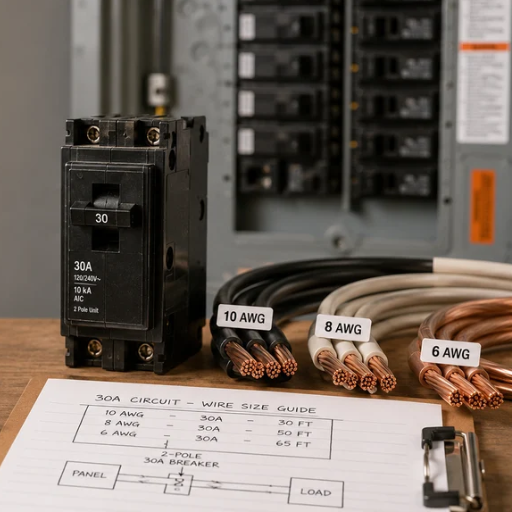
Stationary Generator Installation Requirements: Codes, Permits, and Best Practices [2026]
Robert Chen was present at the failure of the final inspection for the 180000 stationary generator installation on March 2025, mainly due to a reason where the contractor put the unit three feet away from a combustible wall. The manufacturing specification allowed for eighteen inches of space, subject to non −combustible walls; however, the wall is actually metal clad buildings, shielding all combustible materials concealed with underlaid wooden frames. It came with 18 additional charges to relocate the generator and pad and re−run conduit, with a six week additional delay.
So you already know that setting up a stationary generator is not a simple drop-and-connect mission. But most of the guides either fall straight into one of two pitfalls, either a humdrum list of codes with nothing as a guide beyond individual illustrations, or blogs from contractors mentioning permits in a disconnected fashion without tying the AHJ fee structures to the inspection stages. Both force you to leave prematurely unable to arm yourself with the means to get multiple codes at once, multiple permits, and multiple inspections.
This guide solves that problem. You will learn exact stationary generator installation requirements across NFPA 37, NFPA 110, and the NEC. We will cover permit workflows, concrete pad engineering, clearance tables, fuel storage standards, ventilation design, and commissioning documentation. For a deeper look at generator installation code requirements by fuel type, see our natural gas stationary generator guide. If you are new to permanently installed backup power, start with our complete guide to stationary generators and stationary generator sizing to build a foundational understanding of generator types, fuel options, and application scenarios—thereby providing you with a more informed basis for your decision-making.
What Are Stationary Generator Installation Requirements?
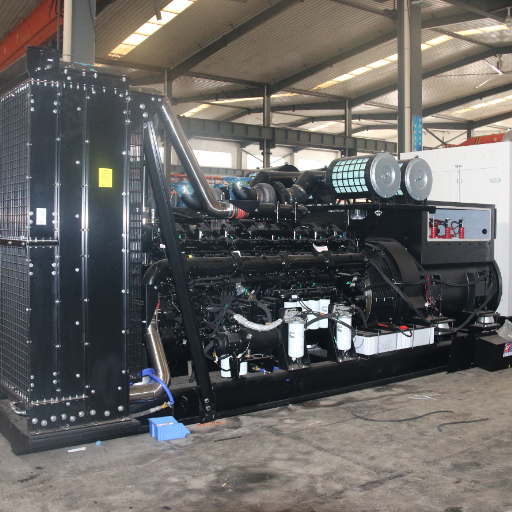
The installation provision for stand-by-type generator sets implies that any code, permit or clearances are required for physical aspects or engineering standards governing the position, support, connection, and commissioning of a permanent installation for a generator set. These provisions are made to avoid fire, electrocution, carbon monoxide, and equipment damages.
Three primary codes govern virtually every installation in North America:
- NFPA 37, Standard for the Installation and Use of Stationary Combustion Engines and Gas Turbines. This governs fire safety, clearances from buildings, fuel systems, and exhaust routing.
- NFPA 110, Standard for Emergency and Standby Power Systems. This governs performance classifications, transfer times, environmental protection, and fuel supply sizing.
- NEC (NFPA 70), National Electrical Code. Articles 445, 700, 701, and 702 govern electrical installation, grounding, accessibility, and transfer switch requirements.
Your local Authority Having Jurisdiction (AHJ) can add amendments that exceed national standards. Always verify the specific code edition adopted in your jurisdiction before finalizing installation plans.
NFPA 37 Generator Installation: Fire Safety, Clearances, and Fuel Systems
NFPA 37 is the first code you check when selecting a site for your stationary generator. It addresses the physical relationship between the engine and everything around it.
Outdoor Clearance Requirements
For outdoor installations, NFPA 37 mandates minimum distances from building openings and combustible materials:
- 5 feet from operable openings: Windows, doors, vents, window wells, and other wall openings must be at least five feet from the generator. This prevents carbon monoxide infiltration and limits fire spread.
- 5 feet from combustible walls: Structures with combustible walls require a five-foot separation. Walls with a one-hour fire resistance rating may qualify for reduced clearance if documented.
- 3 feet front and ends: Maintenance access requires at least three feet at the front and both ends of the unit.
- 5 feet overhead: Clearance above the generator supports lifting equipment and overhead service.
Some manufacturers conduct Southwest Research Institute (SwRI) fire testing that allows reduced clearances to non-combustible walls, sometimes as close as eighteen inches. The key word is non-combustible. If the wall has any combustible substrate, the SwRI exception does not apply.
Indoor Installation Requirements
Engines shall call for a minimum of one-hour separation in the building housing it and not less than one hour for the separation of engine rooms from other parts of the building by fire walls, floors, and ceilings. Critical systems where the failure of one engine may impact the others may require the two-hour rating.
Fuel piping shall conform to NFPA 30 (flammable liquids), NFPA 54 (gas), or NFPA 58 (liquefied petroleum gas). Piping must be supported to prevent vibration, with remote or manual shutoff valves installed.
Flexible connections approach to the exhaust system to absorb the motion of the engine, and condensate traps and proper thimbles where passing through the fire-rated walls must be incorporated.
Fuel System Requirements Under NFPA 37
Fuel systems must include leak detection for double-walled lines, automatic shutoff valves, and secondary containment. Indoor fuel tanks are generally limited to 660 gallons; larger tanks trigger additional NFPA 37 requirements for spill containment and fire suppression.
NFPA 110 Installation Requirements: Performance, Classification, and Environment
NFPA 110 governs how the system performs, not just where it sits. It applies to liquid- and gas-fueled emergency and standby power systems.
System Classifications
NFPA 110 classifies systems by Level and Type:
- Level 1: Life safety systems where failure could result in loss of human life. Hospitals, nursing homes, and high-rise emergency systems fall here.
- Level 2: Critical operations where failure poses less severe risks. Data centers, manufacturing, and commercial applications typically use Level 2.
The Type designation indicates maximum transfer time in seconds:
| Type | Maximum Transfer Time | Typical Application |
|---|---|---|
| Type 10 | 10 seconds | Life safety, operating rooms, critical care |
| Type 60 | 60 seconds | Essential operations, elevators |
| Type 120 | 120 seconds | Non-essential standby loads |
Fuel Supply Requirements
NFPA 110 requires fuel tank capacity of at least 133% of the required class fuel volume. Low-fuel alarms must be set at 100% of the required class. This buffer ensures the generator does not run dry during an extended outage.
For critical standby applications, plan for 72+ hours of fuel autonomy. A 500 kW diesel generator at 75% load burns roughly 28 gallons per hour. Seventy-two hours requires approximately 2,016 gallons of usable fuel, plus the 133% NFPA 110 buffer where applicable.
Physical and Environmental Requirements
Generators must be installed above the local flood plain. Seismic anchoring is now the usual practice for 1,500 kW and larger units in high earthquake-risk zones to ensure equipment stays level and operational after a seismic event.
When installing more than one generator in the same space, allow a minimum separation of 36 inches between units. For Level 1 systems, enclosures must be at least heated to around 40°F to guarantee easy starting, while the batteries must sustain at least two cranking cycles.
Generator rooms installed with indoor units being over large units usually require a two-hour fire rating. Units placed outside in hurricane-prone regions must offer enclosures that meet criteria of being hurricane-proof.
NEC Article 445 Generator Installation: Electrical Standards
The National Electrical Code provides the electrical safety baseline that complements NFPA 37’s mechanical standards.
Article 445, Generators
Article 445 mandates that generators be readily accessible for inspection and maintenance. Key clearance requirements:
- Under 600V: Minimum three-foot clearance on all sides where maintenance is required.
- Over 600V: Minimum six-foot clearance where maintenance is required.
- Adequate ventilation and weather protection that does not restrict airflow.
Articles 700, 701, and 702
These articles classify the load and dictate equipment suitability:
- Article 700: Emergency systems (life safety). Requires automatic transfer and specific circuit separation.
- Article 701: Legally required standby systems. Slightly less stringent than emergency but still mandates automatic transfer for most loads.
- Article 702: Optional standby systems. Common for commercial and industrial backup where life safety is not the primary driver.
Transfer switches must be listed for emergency use and located near the main panel, readily accessible, and separate from normal service equipment. For a complete guide to selecting and sizing the right switch, read our generator transfer switch requirements.
Article 250, Grounding and Bonding
The generator must be connected to the building’s grounding electrode system. Grounding conductor length and placement can affect where the generator can be located. Improper grounding is a common inspection failure point.
NEC 2026 Updates
The 2026 National Electrical Code includes updated grounding, bonding, and surge protection requirements for mid-range and large installations. Consult a licensed electrician to confirm your jurisdiction has adopted the 2026 edition.
Generator Permit Requirements: AHJ Approval and Inspections
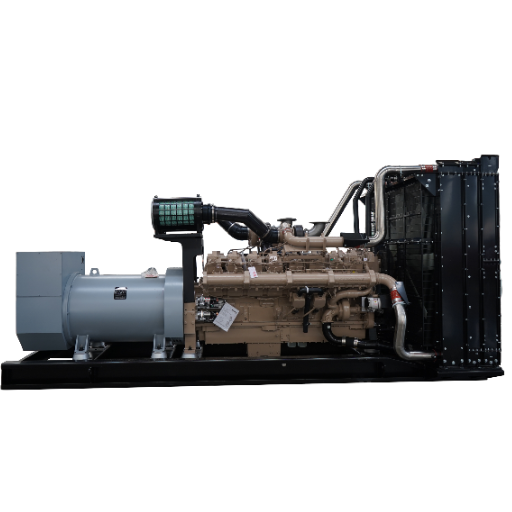
A permit is required before installing virtually any stationary generator. Installation must be inspected and approved before the system can be energized.
Required Permits
Most installations require multiple permits:
| Permit Type | Typical Cost Range |
|---|---|
| Electrical permit | 50–50–300 |
| Plumbing / gas permit | 50–50–200 |
| Transfer switch permit | 50–50–150 |
| Plan review (complex installs) | 75–75–160+ |
| Total permits and inspections | 150–150–500 |
AHJs use one of several fee structures:
- Flat-rate: Fixed fee regardless of generator size.
- Amperage-based: 1.50to1.50to3.00 per amp. A 200-amp generator can trigger 300to300to600 in permit fees.
- Valuation-based: 1% to 2% of total project cost, with minimums of 75to75to150.
Inspection Stages
Do not cover trenches or close walls until each stage is signed off:
- Rough-in inspection (75–75–125): Verifies conduit routing, conductor sizing, grounding systems, and transfer switch placement before everything is covered.
- Final electrical inspection (100–100–150): Confirms proper connections, torque specifications, labeling per NEC 702.7, and load calculations.
- Utility interconnection / final startup (125–125–200): Validates backfeed protection, ATS automatic operation, and clearances. Some jurisdictions require the generator to be running during final inspection.
- Gas / mechanical inspection: Checks pressure testing, regulator placement, and pipe sizing if fuel line work was performed.
In situations where work does not meet source requirements, AHJs next charge an equal fee for re-inspection of the original inspection. On usual projects, two to three inspection visits are anticipated.
A commercial contractor in Phoenix set in a 1,000 kW generator with a 500-gallon sub-base tank in 2024 on top of an exact six-inch slab formed with concrete for the generator’s footprint. After three months, thermal cycling and vibration had caused hairline cracks at the edge of the slab. The combined weight of the generator (14,200 lbs) and a full fuel tank (3,600 lbs) exceeded the load capacity of the unreinforced slab. The repairs, epoxy injection, extending of the pad with rebar, and downtime for 30 days ($22,000) ended up stealing dollars from the original pad estimate of $4,800. “Size for fuel, not just the genset,” was the structural engineer’s advice.
Generator Concrete Pad Requirements and Foundations
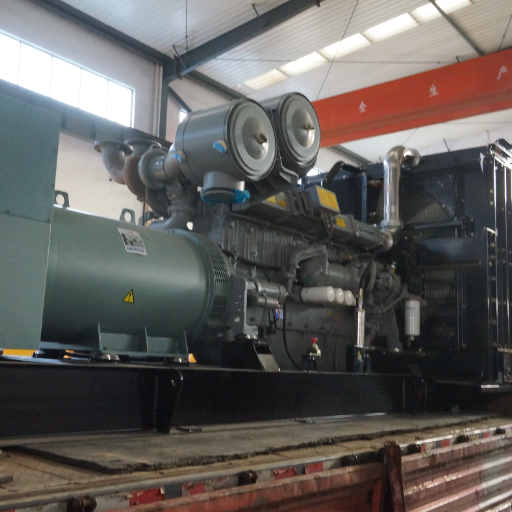
A properly designed foundation is critical for stability, vibration control, and weight distribution. An undersized pad voids warranties and risks structural failure.
Pad Engineering Specifications
- Thickness: Minimum six inches of cast-in-place reinforced concrete. Industrial installations often require eight to twelve inches.
- Sizing: The pad must extend at least twelve inches beyond the generator’s physical footprint on all sides, including sub-base fuel tanks.
- Reinforcement: Rebar or wire mesh is required to resist thermal cycling and engine vibration.
- Footings: Must extend below the local frost line to prevent heave.
- Leveling: The surface must be perfectly level to ensure proper engine lubrication and alternator alignment.
Load Calculation
Size the pad for the combined dead load of the generator, coolant, lubricant, and a full fuel tank:
- 500 kW generator: Approximately 10,000 lbs dry weight.
- Sub-base tank (300 gallons): Approximately 2,100 lbs additional.
- Diesel fuel weight: 6.8 to 7.2 lbs per gallon.
- Total pad load: Dry weight + coolant + full fuel + dynamic vibration factor.
For the 1,000 kW class, dry weights can exceed 14,000 lbs, and extended fuel tanks add proportionally more load. For load calculation methodology, see our stationary generator sizing guide.
Installation Cost Ranges
- Residential pad (3×6 ft, 4 inches): ~$1,000
- Commercial pad (8×12 ft, 6 inches): 5,000–5,000–12,000
- Industrial pad with sub-base tank integration: 10,000–10,000–25,000+
For a detailed breakdown of pricing across all segments, see our stationary generator cost breakdown.
Generator Clearance Requirements and Accessibility
The most restrictive clearance requirement wins. Compare manufacturer specs, NFPA 37, NFPA 110, NEC, and local amendments, then apply the largest distance.
Maintenance Clearances (NFPA 110)
| Location | Minimum Clearance |
|---|---|
| Sides requiring routine service | 36 inches |
| Radiator discharge side | 48 inches |
| Remaining sides | 24 inches |
| Overhead for lifting equipment | 72 inches |
Building Clearances (NFPA 37)
| Feature | Minimum Clearance |
|---|---|
| Operable windows, doors, vents | 5 feet |
| Combustible walls | 5 feet |
| Building air intakes (exhaust) | 10 feet |
| Non-combustible walls (with SwRI test) | 18 inches |
Multi-Generator Spacing
When paralleling multiple units, maintain 36 inches minimum between generators. Paralleling switchgear requires additional front-access clearance for operator safety and cable routing.
Generator Fuel Tank Installation and Containment
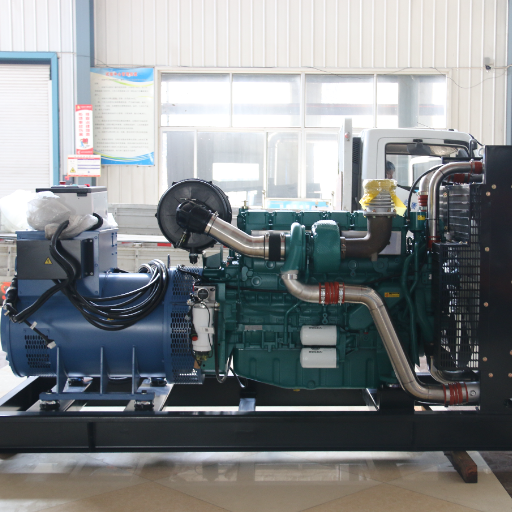
Fuel is the single largest operating expense and the most common source of installation code violations.
Diesel Tank Sizing and Placement
Base fuel tanks on 500 kVA-class units typically hold 300 to 400 gallons, providing only eight to twelve hours of runtime at full load. For critical standby applications, extended tanks are mandatory:
- 500 gallons: Approximately 17 to 20 hours at 75% load.
- 1,000 gallons: Approximately 34 to 40 hours at 75% load.
Position tanks a minimum of 4 feet from the generator set. If the tank bottom is elevated, the maximum fuel level should generally not exceed 8.2 feet (2.5 meters) above the generator baseplate. Higher levels create excessive fuel head pressure that can overwhelm injection systems. Use an intermediate day tank if elevation exceeds this limit.
Secondary Containment
Secondary containment (bunding) is required to catch spills. Requirements include:
- UL-certified tanks for most jurisdictions.
- Double-walled fuel lines with leak detection.
- Shut-off valves on lines entering buildings.
- Quick-closing valves operable from outside the room for tanks over 500 liters.
- Fuel polishing systems and biocide additives for standby generators.
Fuel-related failures account for 30 to 40% of generator service calls. Diesel degrades in storage. Plan for quarterly fuel testing and annual polishing.
Ventilation and Exhaust Design
Proper ventilation prevents overheating and carbon monoxide hazards.
Combustion Air Requirements
Air intake should be drawn from clean outdoor air while enclosed installations should have louvered or screened vents sized to manufacturers’ airflow specifications. Air inlet and exhaust ports should be at least 5 feet from any other obstructions or walls.
Exhaust System Design
The exhaust system must be routed outdoors using insulated, corrosion-resistant piping. The exhaust outlet must not directly face building air inlets, outlets, or pedestrian areas. Maintain 6 to 18 inches from combustible materials, and use flexible joints to absorb engine movement.
Forced Ventilation
Indoor or enclosed installations typically require fan-assisted intake and discharge systems. These should be interlocked with the generator controller to ensure ventilation is active before the engine starts. The ventilation system must be capable of removing both radiator heat and exhaust heat loads under full output conditions.
Commissioning and Documentation
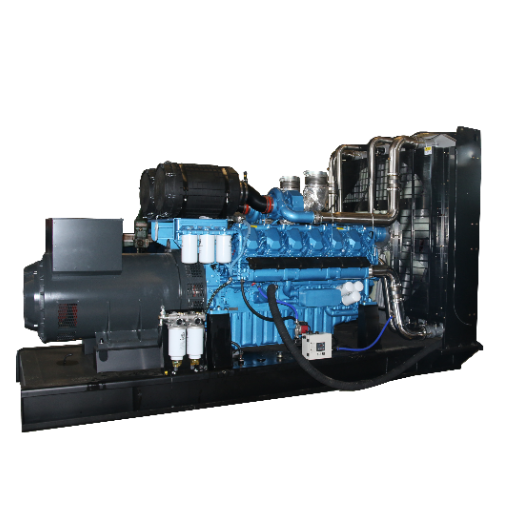
Commissioning is the final step before the generator is accepted for service. It validates that design, installation, and performance all meet code and specification.
Pre-Commissioning Checklist
- Fuel system pressure test and leak verification.
- Electrical connection torque verification per manufacturer specs.
- Grounding electrode continuity and resistance testing.
- ATS automatic operation test (utility failure simulation).
- Load bank test at rated output for a sustained period.
- Voltage regulation, frequency stability, and transient response verification.
Inspector Documentation
AHJs typically require the following documentation at final inspection:
- Manufacturer installation drawings and clearances.
- Certified output report from a load bank test.
- Electrical single-line diagrams.
- Fuel system piping and containment diagrams.
- Warranty registration and maintenance schedule.
An accredited power-test report could be provided by licensed factory manufacturers provided that national-standard test results are achieved, dramatically accelerating time frames. In the statement, the output of the generator was witnessed as exceeding rated load at the time of dispatch, signifying that the need for field commissioning was lifted to a great degree.”
In late 2024, a contractor working in Nairobi was importing a 750 kW diesel generator for an extension of the existing hospital. The generator passed NEC and NFPA standards but had no IEC 60034 certification. The local Authority Having Jurisdiction follows British Standard BS 7698 and would not approve of it or allow it to be energized. For six weeks, the contractor dealt with the manufacturer to obtain IEC testing status along with one of the top local electrical engineers to make single-line drawings to be in line with the Code. “The people who make in-house under NEC and know IEC standards for the 60 Hz would have shipped from the word,” commented the project manager.
Why Factory-Direct Installation Support Matters
Sourcing a stationary generator through a trading company introduces risk at the installation phase. You rarely receive installation drawings matched to your voltage and frequency configuration, and post-sale engineering support is often nonexistent.
At Shandong ZC Power CO., LTD.:
- Custom installation drawings: We provide site-specific drawings for 50 Hz or 60 Hz grids, and voltages from 110V to 480V, to match international standards.
- Certified output reports: Every unit is load-bank tested in our national-standard testing center before shipment with certified output reports that simplify AHJ approval.
- Cross-fuel expertise: We manufacture diesel, natural gas, propane, and dual-fuel stationary gensets, so our installation guidance covers all fuel types.
- Global code knowledge: Our team of 80+ engineers understands NEC, NFPA, IEC, and local amendments for international projects.
- Paralleling systems: We design and build parallel synchronization systems from 8 kVA to 4,000 kVA with integrated switchgear layouts.
Conclusion: Code First, Pad Second, Commission Last
The details of how to install a permanent generator are spelled out in the Standard for Health Care Facilities, NFPA 99, and if the permanent generator complies with the regulations, some inspectors will consider it acceptable. Governor Cuomo’s Executive Order 93 of October 2012 makes it mandatory for health care facilities not governed by NFPA 99 to comply with the same requirements as those that are.
In an average commercial or industrial installation of 2026, the principles required for a successful installation are based on simplicity. Pour concrete foundation after getting the permits. Size the pad for the generator plus fuel tank. Follow the most restrictive clearance from all codes needing compliance. Document before inspection, including the base-line load bank test and grounding electrode resistance.
For projects in other countries, ascertain that the manufacturer can provide certification documentation compliant with local standards and not just with those you are familiar.