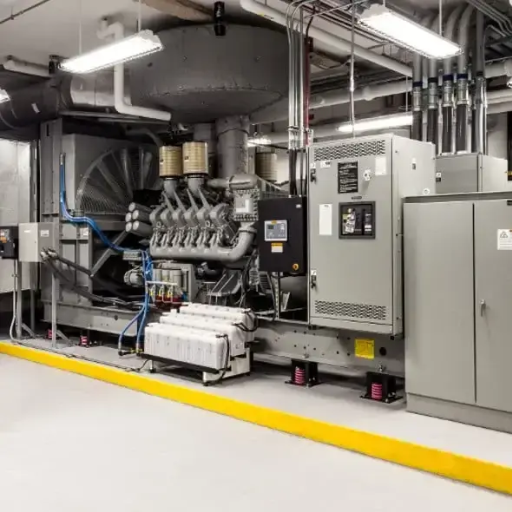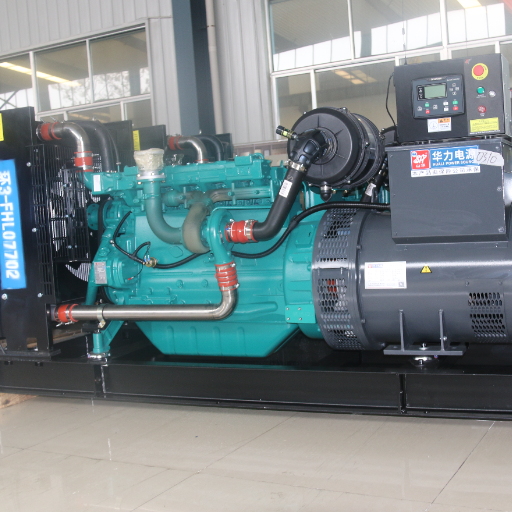
How to Spot a Low-Quality Generator Supplier: 10 Red Flags (2026)
To spot a low-quality generator supplier, check for ten red flags: prices 15-20% below market, vague component language, standby ratings sold as prime, aluminum or copper-clad aluminum windings, unverifiable certificates, refused third-party inspections, abnormal payment terms, missing references, thin-gauge canopy steel, and no load bank test reports. Any single deal-breaker from the scorecard below should end the conversation.
Here is a better way to think about it. A generator quote 25% below market is not a discount. It is a spec sheet with items deleted. This guide shows you which items.
If you are comparing generator quotes right now, you have probably noticed price gaps of 20-40% between suppliers offering “identical” machines. You are right to suspect those machines are not identical. This article opens up a cheap genset and shows you exactly where the money is saved: which components are downgraded, what each downgrade saves the factory, and what it costs you in years two through five. We write this from the factory floor. Shandong ZC Power CO., LTD. has manufactured diesel generator sets since 1999, and we know precisely where a cheap build cuts corners because buyers bring us the casualties.
Key Takeaways
- A quote 15-20% below market median forces material compromises; 20%+ below across 3-5 quotes should trigger deep due diligence, not celebration.
- The most expensive hidden downgrade is the alternator: aluminum or copper-clad aluminum (CCA) windings with roughly 60% of copper’s conductivity, sold as “copper” on the datasheet.
- The re-rating trick inflates capacity by quoting a standby rating (typically ~10% above prime) as prime power, so your “500kVA prime” unit may only sustain 450kVA continuously.
- Weight the red flags: inspection refusal, 100% prepayment demands, and unverifiable certificates are deal-breakers; vague language and missing references are investigate-further flags.
- A quality factory provides its evidence pack unprompted: serial-numbered load bank reports, OEM component authorization, and a live production-floor video tour.
If you wish to clearly understand the characteristics of a genuine manufacturer, please refer to our overview on the diesel generator set manufacturer; this establishes the benchmark for evaluating the aforementioned risk indicators.
The 10 Red Flags at a Glance
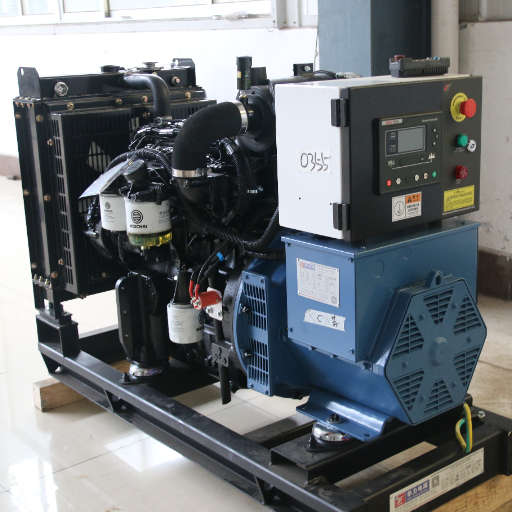
- Price 15-20%+ below market median with no clear explanation
- Vague component language: “Cummins-type engine,” “OEM-equivalent alternator”
- Standby rating quoted as prime or continuous power
- Aluminum or CCA windings presented as copper, or winding material not stated
- Certificates that do not verify: scans, expired numbers, single-directive coverage
- Refusal of third-party inspection (SGS, Bureau Veritas)
- Abnormal payment terms: 100% before shipment instead of 30/70
- No load bank test reports, or reports without serial numbers
- Thin-gauge canopy steel and cosmetic-grade coating
- No references, or “client confidentiality” used to dodge every request
Flags 5, 6, and 7 are deal-breakers. The rest are investigated-further flags. The scorecard below shows how to weigh each one.
Price and Quote Red Flags
The 15-20% Rule
Every factory faces the same input costs: engines, alternators, steel, copper, controllers. When one quote lands 15-20% below the market median, the difference is not efficiency. It is deleted material. A buyer’s checklist compiled from a manufacturer’s perspective puts the threshold at 20% below median across 3-5 quotes, which matches what we see from the production side.
Legitimate price advantages exist and they have explanations: factory-direct sales remove the 20-40% trading company markup, and vertical integration shaves a few more points. A supplier should explain their price. “We are the factory” is an explanation. “Special promotion, price only valid this week” is not.
“All-Inclusive” Quotes That Exclude the Essentials
The mirror image of the too-low quote is the padded quote that looks complete but excludes freight, commissioning, oil, coolant, first fuel fill, and first-year service. The strongest question in generator procurement costs nothing to ask: “What is NOT in this quote?” A transparent supplier answers it in writing. A low-quality generator supplier treats it as hostile.
Vague Component Language
Read the component lines of every quote carefully. “Cummins-type engine,” “premium European engine,” and “Stamford-equivalent alternator” are not specifications; they are escape hatches. This language lets a supplier substitute lower-tier components after you sign. Demand the exact brand, model, and serial-traceable origin of the engine, alternator, and controller in writing, then verify the models against the OEM’s published datasheets.
Hardware Red Flags: The Anatomy of a Cheap Genset
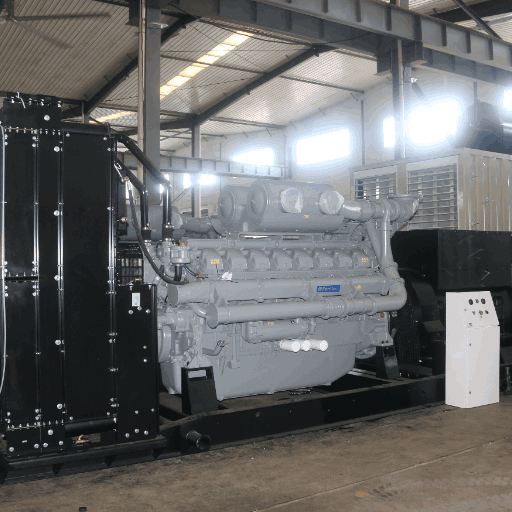
This is the section no other red-flag guide writes, because you have to build generators to know where the costs hide. Here is where a 25% discount actually comes from.
Aluminum and Copper-Clad Aluminum Windings
The alternator is the most expensive component after the engine, and windings are where cheap builds save the most. Copper conducts at roughly 59.6 ×10⁶ S/m; aluminum manages about 37.8, roughly 60% of copper’s performance, and needs about 1.8 times the cross-section to carry the same current. Aluminum also expands about a third more under heat, so connections loosen over years of thermal cycling.
| Property | Copper | Aluminum | Copper-Clad Aluminum (CCA) |
|---|---|---|---|
| Conductivity (×10⁶ S/m) | ~59.6 | ~37.8 | Slightly above aluminum |
| Relative cost | Highest | Low | Lowest |
| Connection reliability | Excellent | Degrades with thermal cycling | Degrades; thin copper layer hides the core |
| Service life expectation | 20+ years | Shorter under heavy load | Shortest; often fails inspection |
| Common in | Quality industrial gensets | Budget builds | Budget builds are marketed as “copper” |
The worst version is CCA: an aluminum core with a thin copper skin, wound and varnished so it looks like copper on the datasheet. Detection is not exotic. Compare the alternator’s weight against the OEM’s published figure, measure winding resistance against spec, and ask the supplier to state “100% copper windings” contractually. As the copper vs aluminum winding comparison notes, many buyers only discover CCA during a failure investigation.
Paul, a distributor in South Africa, nearly faced this exact situation. Last year, while preparing an order for 12 units, he conducted a pre-shipment inspection—which included a winding resistance test—and found that the readings did not match the standard value of “100.” It was precisely this pre-shipment inspection that saved the $60,000 order.
Thin Steel, Cosmetic Coating, Counterfeit Controllers
After the windings, the savings move to the frame. Budget canopies use thinner steel sheet, which flex, resonate, and raise noise levels while weakening weather protection. Cosmetic-grade paint over poor surface preparation peels within months in coastal or tropical climates, and rust follows. Inside the panel, counterfeit controllers mimicking Deep Sea or SmartGen units fail under load exactly when protection matters most. Ask for controller serial numbers and verify them with the manufacturer; both DSE and SmartGen support authenticity checks.
Refurbished Engines Sold as New
The most dangerous cut is invisible at delivery: a used engine, cleaned, repainted, and fitted with a re-stamped serial plate. The unit passes a short test run, ships, and performs, right up until the first major service reveals worn internals and a serial the OEM has never registered. Khalid, a project contractor in the Gulf, learned this at hour 1,400 when his “new” 250kVA unit dropped oil pressure. The engine had over 6,000 unrecorded hours behind it. His verification would have cost one email: send the engine serial to the manufacturer before paying the balance. Our Cummins vs Perkins comparison covers serial verification for both brands in detail.
The Re-Rating Trick: Standby Sold as Prime
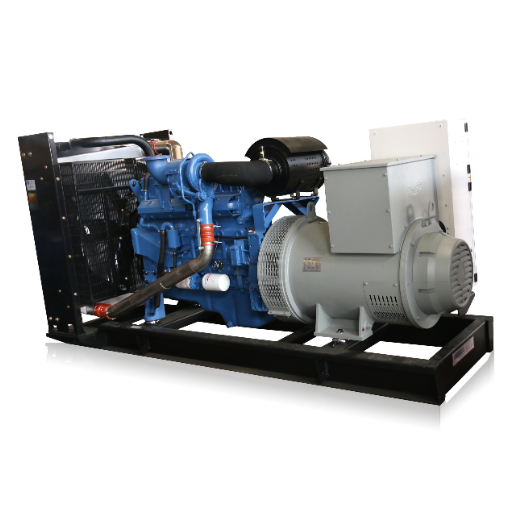
Every diesel engine carries multiple ratings. Standby (ESP) covers emergency use with limited annual hours; prime (PRP) covers continuous variable-load operation. Standby ratings typically run about 10% higher than prime for the same engine, and that gap is the trick.
A supplier quotes a “500kVA prime” unit at an attractive price. The datasheet, if you check it against the OEM’s published figures, describes an engine rated at 500 kVA standby and roughly 450kVA prime. On a standby application you would never notice. On a prime-power site, the unit runs overloaded every day.
Tendai, who manages power for a mining services camp, bought two “500kVA prime” units in 2024 at a price 22% below the next quote. Within four months, both were tripping on thermal overload during evening peaks. The engines were exactly as delivered; the rating was the lie. His replacement units, correctly prime-rated, cost more upfront and carry the camp at 70% load without complaint. The defense takes ten minutes: pull the engine model from the quote and match it to the OEM datasheet yourself, looking specifically for the PRP figure.
Paperwork and Behavior Red Flags
Certificates That Do Not Verify
A certificate PDF proves nothing by itself. Unverifiable scans, expired certificate numbers, coverage of a single directive when several apply, and certificates from bodies that do not appear in official databases are all standard issue from low-quality suppliers. Verification takes under an hour: identify the issuing body, confirm it in the relevant database, and quote the certificate number directly to that body. Our guide on how to verify CE certificates and compliance documents walks through the six-step workflow, including the EU NANDO database check. For the wider process that surrounds those document checks, our step-by-step guide to how to verify a Chinese generator factory covers business-license lookups, video audits, and the on-site checks that confirm a supplier actually builds what it sells.
Inspection Refusal and Payment-Term Pressure
Two behaviors predict trouble more reliably than any document. First, inspection refusal: a supplier who declines a third-party pre-shipment inspection from SGS or Bureau Veritas, a $250-500 service the buyer pays for, is protecting something. Second, payment pressure: the export standard is 30% deposit with 70% against shipping documents, and demands for 100% before shipment strip you of all use. Both patterns, plus the full document and payment workflow, are covered in our guide to importing generators from China.
The References Test
Ask for two or three references from your industry or region, then actually contact them. Quality factories proudly maintain reference lists; long-term customers are their best salespeople. The phrase “client confidentiality” is legitimate for exactly one reference request and suspicious as an answer to all of them. A supplier with twenty years of exports who cannot produce a single contactable customer has told you something important.A reference dodge rarely stands alone, so pair this test with our list of the sharpest questions to ask a generator manufacturer, which are designed to surface exactly this kind of evasion before you commit a deposit.
Score Your Supplier: A Weighted Red-Flag Scorecard
Not all flags deserve equal weight. Buyers waste weeks investigating minor issues while ignoring deal-breakers. Use this table to triage any supplier in one review session:
| Red Flag | Severity | Action |
|---|---|---|
| Refuses third-party inspection | Deal-breaker | Walk away, regardless of price |
| Demands 100% prepayment | Deal-breaker | Walk away; no legitimate factory requires this |
| Certificates fail database verification | Deal-breaker | Walk away; fake paper means fake everything |
| Vague component language after one clarification request | Deal-breaker | Walk away; evasion is the answer |
| Price 20%+ below median | Investigate | Demand the cost explanation in writing |
| Winding material unstated | Investigate | Require “100% copper” contractually; verify at inspection |
| Standby rating presented as prime | Investigate | Cross-check OEM datasheet; confront with the PRP figure |
| No load bank report with serial numbers | Investigate | Require pre-shipment test witnessed by your inspector |
| No contactable references | Investigate | Weight against other evidence; one dodge is a pattern starting |
| Thin canopy steel | Minor | Negotiate spec upgrade; not disqualifying alone |
One deal-breaker ends the evaluation. Two or more investigate flags unresolved also ends it. A supplier who clears the table with documents in hand earns the deposit.
What a Quality Supplier’s Evidence Pack Looks Like
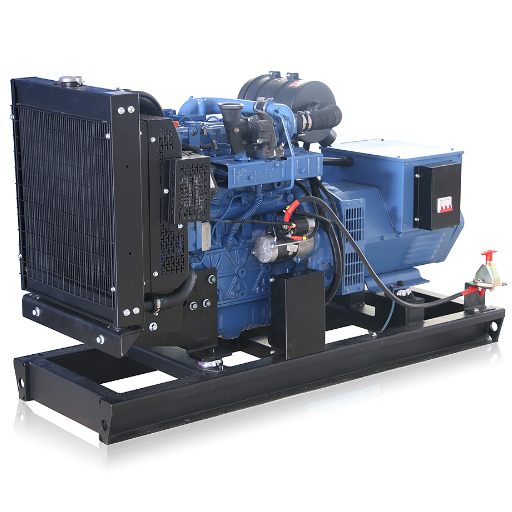
Flip the lens for a moment. After auditing hundreds of buyer interactions, the pattern among quality factories is consistent: they provide evidence before you ask, because evidence is how they compete.
- Load bank test reports with serial numbers, showing your specific unit held 100% rated output, not a generic sample report
- OEM authorization and traceable components: engines, alternators, and controllers with serials you can verify with Cummins, Perkins, Stamford, DSE, or SmartGen directly
- A live video tour of the production floor, offered freely, including the testing center in operation
- Contract-grade specification: exact brands and models in the purchase contract, with “100% copper windings” stated in writing
- Reference customers in your region, with contact details, offered proactively
- Standard payment structure: 30/70 against documents, with inspection welcomed
At ZC Power, this pack is the default, not the exception: every unit passes full load bank testing in our national standard testing center, every major component is authentic and traceable, and every buyer can watch their own unit under test. Our OEM diesel generator sourcing guide shows the full factory-verification process from the buyer’s side.
Sitting on a competing quote you cannot decode? Send it to our engineering team and we will do a free line-by-line spec comparison: component by component, rating by rating, with the gaps flagged.
Frequently Asked Questions
Is a cheap generator always low quality?
No. Factory-direct pricing legitimately removes 20-40% in middleman markups, and efficient manufacturers price below Western brands without cutting materials. The test is not the price but the explanation: a quality supplier itemizes their cost advantage, a low-quality one cannot. Cheap with documentation is value; cheap with evasion is a warning.
How much should a quality diesel generator cost?
Pricing varies by kVA, engine brand, and configuration, so compare like-for-like quotes across 3-5 suppliers and treat the median as the market. Any quote 15-20% below that median deserves scrutiny, and 20%+ below demands a written cost explanation plus enhanced inspection.
What is copper-clad aluminum and why does it matter?
CCA is winding wire with an aluminum core and thin copper coating, offering slightly better performance than pure aluminum at the lowest cost. It matters because it degrades at connections, carries current poorly compared to solid copper, and is frequently sold as “copper” on datasets. Verify by weight, resistance measurement, and a contractual “100% copper” clause.
Can I trust Alibaba Gold Supplier badges?
Platform badges verify that a company paid for membership and passed basic checks; they do not verify manufacturing quality, component authenticity, or testing capability. Treat badges as a starting filter only, then run the full red-flag scorecard above regardless of platform status.
What is the single best question to ask a generator supplier?
“What is NOT in this quote?” The answer reveals excluded costs, vague components, and missing services in one move. Quality suppliers answer in writing and in detail. The second-best question: “Can my inspector witness the load bank test of my unit?”
Price Is a Spec, Not a Variable
Every generator quote is a frozen list of decisions. When the price drops 25%, something left the list: copper became aluminum, prime became standby, new became refurbished, tested became untested. Choosing a generator manufacturer is a documentation exercise before it is a negotiation. The ten red flags above tell you where to look, and the scorecard tells you when to stop looking and walk away.
Your evaluation process is simple from here: collect like-for-like quotes, check every component line against OEM data sheets, demand the evidence pack, and send an inspector before the balance payment. The suppliers who fail this filter remove themselves.
Shandong ZC Power CO., LTD. has manufactured diesel generator sets from 8kVA to 4000kVA since 1999, with ISO 9001, CE, and CCC certification, authentic traceable components, and full load bank testing on every unit before dispatch to more than 50 countries. We pass our own scorecard, and we invite you to apply it to us.