Emergency Power Systems: Complete NFPA 110 Compliance Guide [2026]
The fire marshal discovered 18 missing months of emergency power documentation when he inspected a Texas hospital emergency power records in March 2024. The facility did not have any records of their monthly testing. The facility had no documentation for their fuel quality assessments. The facility had no documents that showed their equipment had been maintained. The facility had 30 days to achieve full NFPA 110 compliance or face immediate closure which would create dangerous situations for patients during the transitional period.
This story repeats itself across healthcare facilities data centers and industrial plants every year. Emergency power systems are not optional luxuries because they serve as life safety systems required by building codes. Many facility managers learn about compliance gaps when an inspector comes to their facility. The stakes extend far beyond regulatory citations. The Ohio manufacturing facility lost $2.3 million in revenue because their emergency power system which was supposed to be compliant failed to start during a 4-hour outage. The generator functioned normally. The automatic transfer switch did not work because a wiring mistake had been made during the commissioning process.
This guide provides everything you need to design, install, and maintain emergency power systems that meet NFPA 110 requirements. You will understand the difference between Level 1 and Level 2 systems. The training program will teach you how to properly size equipment and create testing schedules and maintain required documentation. The training program teaches you how to achieve compliance from the first attempt which helps you avoid expensive violations and operational interruptions.
What Is an Emergency Power System?
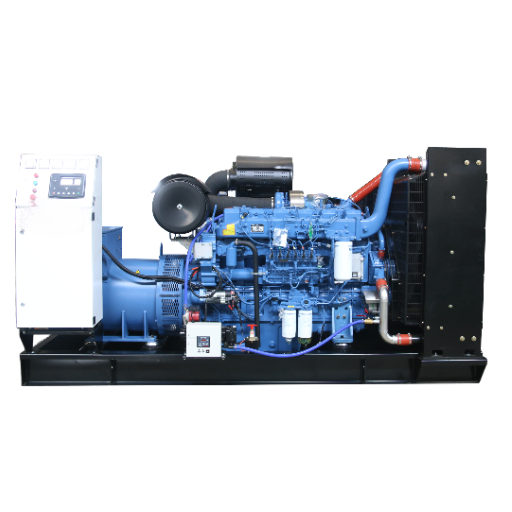
Emergency Power System Definition
An emergency power system is an independent electrical generation and distribution system which automatically provides power to essential equipment during periods when the primary utility power supply fails. The systems operate under different code requirements than standby power systems because they have distinct operational importance.
Key terminology to understand:
- EPS (Emergency Power Supply): The actual generator or power source that produces electricity during an outage
- EPSS (Emergency Power Supply System): The complete system including the generator, transfer equipment, distribution, control, and monitoring components
- Emergency Systems (NEC Article 700): The systems which the law demands to operate because their failure would result in death or major injuries.
- Standby Systems (NEC Article 701): The systems which provide power during times when utility service is unavailable but do not protect against immediate threats to life.
The emergency power systems, which serve as backup power systems, do not function as optional standby systems according to NEC Article 702 because they have different operational requirements. Emergency systems must start and transfer load within 10 seconds. They require specific wiring methods, circuit separation, and ongoing testing protocols that optional systems do not.
Key Components of Emergency Power Systems
Every emergency power system consists of four essential components working in coordination:
1. Emergency Generator
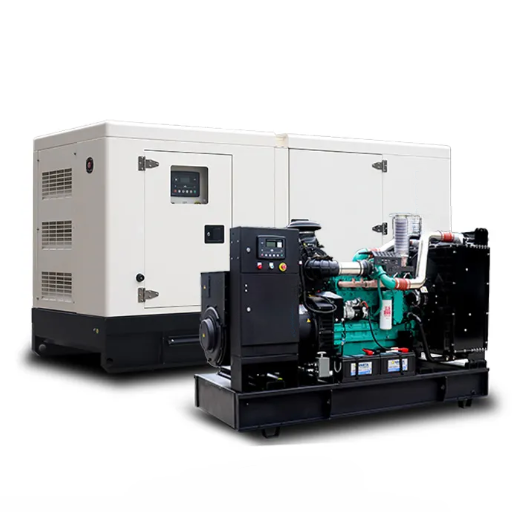
The system depends on its generator which functions as its primary operational component. The market for Level 1 emergency systems depends primarily on diesel engines because they provide reliable performance and can start quickly and operate without needing external fuel sources. Emergency situations permit the use of natural gas generators but their emergency pipeline reliability needs to be assessed before operation.
Modern emergency generators include:
- Engine (diesel, natural gas, or propane)
- Alternator for power generation
- Cooling system (radiator or heat exchanger)
- Fuel system with day tank and main storage
- Starting system (battery or compressed air)
- Governor for frequency control
- Voltage regulator (AVR)
2. Automatic Transfer Switch (ATS)
The ATS system keeps track of electrical power from the utility grid and it switches power to the emergency generator during utility outages. The ATS system will restore power to the utility source after the utility power comes back and it will shut down the generator following a cooling period.
Key ATS specifications include:
- Voltage and amperage rating
- Transition type (open, closed, delayed, soft load)
- Bypass isolation capability for maintenance
- Short circuit withstand ratings
- Control and monitoring interfaces
3. Uninterruptible Power Supply (UPS)
UPS systems provide bridge power during the brief period between utility failure and generator startup. UPS systems provide emergency power to systems that require uninterrupted power for continuous operation because they maintain power for 10 seconds which allows time to start and stabilize the generator.
Common UPS configurations include:
- Battery-based systems for short-duration protection
- Rotary UPS for large industrial loads
- Hybrid systems combining batteries and flywheels
4. Fuel Storage and Delivery System
NFPA 110 requires fuel storage sufficient to power the system for the required Class duration plus a 33% safety margin. For diesel generators, this includes:
- Main storage tank (above or below ground)
- Day tank near the generator
- Fuel transfer pumps
- Fuel polishing and filtration systems
- Leak detection and spill containment
How Emergency Power Systems Work
Understanding the sequence of operation helps facility managers troubleshoot problems and verify proper system function:
Normal Operation:
The ATS monitors utility power continuously. The emergency generator remains in standby mode, with the engine heater maintaining optimal starting temperature.
Utility Failure Detection:
When the ATS detects a utility voltage drop or complete loss, it initiates the emergency power sequence. Detection typically occurs within 2-3 cycles (33-50 milliseconds at 60Hz).
Generator Starting:
The ATS sends a start signal to the generator controller. The starting sequence includes:
- Battery-powered starter motor engages
- Engine cranks and achieves ignition
- Engine accelerates to rated speed
- Alternator excitation and voltage buildup
- Voltage and frequency stabilization
For diesel generators, this process typically completes within 5-7 seconds.
Load Transfer:
Once the generator reaches stable voltage and frequency (typically within 8-10 seconds total), the ATS transfers the load to the emergency source. For open-transition switches, this involves a momentary power interruption. For closed-transition switches, the sources are paralleled briefly before transfer.
Emergency Operation:
The generator supplies power to emergency loads until utility power returns. The generator controller monitors all critical parameters including voltage, frequency, oil pressure, coolant temperature, and fuel level.
Return to Utility:
When utility power returns and stabilizes, the ATS transfers the load back to the utility source and initiates a generator cooldown period (typically 3-5 minutes) before shutting down the engine.
Emergency vs Standby vs Legally Required Standby
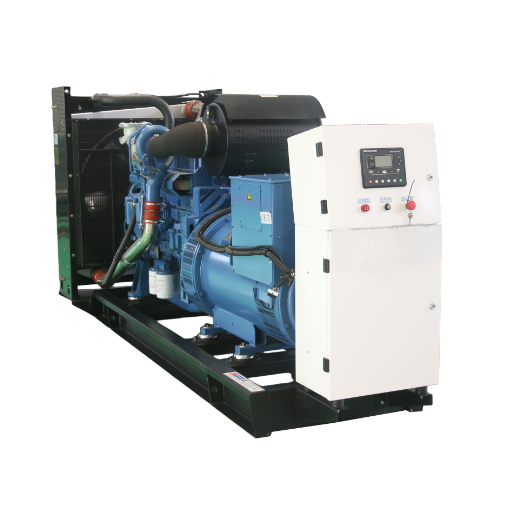
NEC Article Classifications
The National Electrical Code (NEC) defines three categories of backup power systems, each with distinct requirements:
NEC Article 700: Emergency Systems
Emergency systems are legally required and intended to supply power during normal utility interruptions when failure could result in loss of human life or serious injuries.
Characteristics include:
- Automatic load pickup within 10 seconds
- Separate wiring from normal power
- Dedicated circuits for life safety loads
- Monthly testing requirements
- Specific battery maintenance requirements
Typical applications:
- Hospital life safety and critical care areas
- Emergency lighting for egress
- Fire alarm systems
- Fire pumps
- Elevator recall systems
- Hazardous material ventilation
NEC Article 701: Legally Required Standby Systems
Legally required standby systems are intended to supply power during normal utility interruptions when failure could create hazards or hamper rescue or firefighting operations, but where life safety is not immediately at risk.
Characteristics include:
- Automatic load pickup within 60 seconds (longer than emergency systems)
- Less stringent wiring requirements than emergency systems
- Required where specifically mandated by codes or authorities
Typical applications:
- Heating and refrigeration for food storage
- Sewage disposal systems
- Industrial processes where safe shutdown is required
- Communication systems for public safety
- Smoke control systems not classified as emergency
NEC Article 702: Optional Standby Systems
Optional standby systems are not legally required but are installed by choice to protect property or maintain operations during utility outages.
Characteristics include:
- No specific code-mandated performance requirements
- Can be manual or automatic
- Flexible installation requirements
- No mandatory testing schedules (though recommended)
Typical applications:
- Data centers (may also have legally required components)
- Commercial retail operations
- Manufacturing facilities
- Residential backup power
NEC Article 708: Critical Operations Power Systems (COPS)
Introduced in NEC 2008, COPS addresses facilities designated as critical to national security or public safety, such as government facilities, financial institutions, and 911 centers.
Characteristics include:
- More stringent than emergency or standby systems
- Enhanced physical security requirements
- Greater fuel storage requirements
- Higher reliability targets
Application Examples by Classification
Life Safety Systems (Emergency Article 700):
Marcus Chen, facilities director at a 400-bed hospital in Virginia, manages three separate emergency power branches. The life safety branch powers egress lighting, alarm systems, and fire pumps. The critical branch supplies operating rooms and intensive care units. The equipment branch supports HVAC for critical areas. Each branch has distinct transfer requirements and testing protocols.
When the utility failed during a February 2024 ice storm, Marcus’s properly maintained emergency system transferred the life safety load in 7 seconds. The critical and equipment branches followed within the 10-second window, ensuring no interruption to patient care.
Fire Pumps (Legally Required Standby Article 701):
Fire pumps present unique requirements. NFPA 20 mandates that fire pump drivers must have a reliable power source independent of the normal electrical service. While fire pumps are often classified as emergency systems, the specific requirements of NFPA 20 take precedence.
Importantly, NFPA 20 specifically prohibits natural gas as the sole fuel source for fire pump engines. This prohibition exists because gas supply can be interrupted during fires when pipelines are damaged or intentionally shut off. Diesel engines with on-site fuel storage provide the independence required for this critical application.
Data Centers (Mixed Classifications):
Data centers often combine multiple classifications. Life safety systems including egress lighting and fire alarms are emergency systems. Cooling systems maintaining safe operating temperatures may be legally required standby systems. The IT equipment itself may be served by optional standby systems if no specific code mandates backup power.
The Uptime Institute’s Tier classification system provides a parallel framework. Tier III and Tier IV facilities require concurrent maintainability and fault tolerance, effectively mandating emergency-level reliability even when not legally required by NEC.
NFPA 110: The Standard for Emergency Power
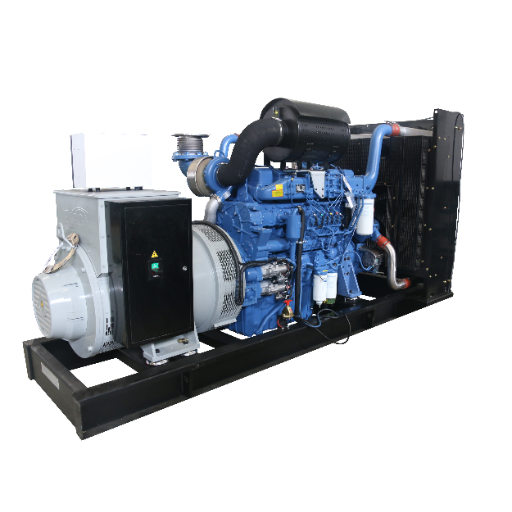
What NFPA 110 Covers
NFPA 110, Standard for Emergency and Standby Power Systems, establishes performance requirements for emergency power supply systems regardless of fuel type or application. The standard addresses:
- System installation requirements
- Performance criteria including start time and capacity
- Routine maintenance and operational testing
- Environmental considerations
- Documentation and recordkeeping
NFPA 110 is referenced by numerous other codes and standards including:
- NFPA 70 (National Electrical Code)
- NFPA 99 (Health Care Facilities Code)
- NFPA 101 (Life Safety Code)
- CMS Conditions of Participation for hospitals
- Joint Commission accreditation standards
Key principle: NFPA 110 applies to all EPSS installations where required by codes, standards, or authorities having jurisdiction (AHJ). It does not mandate where emergency power is required; other codes determine that. Once emergency power is required, NFPA 110 specifies how it must perform.
To understand every requirement of NFPA 110 for emergency power systems, (explore our complete 2026 compliance guide.)
Level 1 vs Level 2 Systems
NFPA 110 classifies emergency power supply systems into two levels based on the criticality of the loads served:
Level 1 EPSS:
Level 1 systems serve loads where failure could result in loss of human life or serious injuries.
Requirements include:
- Transfer time: Power must be restored within 10 seconds of utility failure
- Start reliability: 100% starting reliability required (though practical systems target 99%+)
- Fuel supply: Must meet Class requirements with 133% safety factor
- Testing: Monthly testing at minimum 30% load for 30 minutes
- Maintenance: More frequent maintenance intervals than Level 2
Common Level 1 applications:
- Hospital operating rooms and critical care
- Emergency room lighting and equipment
- Fire pumps and smoke control systems
- High-rise building egress systems
- Hazardous material containment systems
Level 2 EPSS:
Level 2 systems serve loads where failure is less critical to human life and safety.
Requirements include:
- Transfer time: Power must be restored within 60 seconds of utility failure
- Start reliability: High reliability but less stringent than Level 1
- Fuel supply: Must meet Class requirements
- Testing: Monthly testing required but less stringent load requirements
- Maintenance: Standard maintenance intervals
Common Level 2 applications:
- General building heating and refrigeration
- Industrial process equipment requiring safe shutdown
- Agricultural operations
- Non-critical commercial lighting
| Parameter | Level 1 EPSS | Level 2 EPSS |
|---|---|---|
| Transfer time | 10 seconds | 60 seconds |
| Criticality | Life safety | Operational continuity |
| Testing load | 30% minimum | No specific minimum |
| Fuel requirement | Class × 133% | Class × 133% |
| Maintenance frequency | Higher | Standard |
| Documentation | Extensive | Standard |
Type and Class Classifications
Beyond Level 1 and 2, NFPA 110 further categorizes systems by Type (transfer time) and Class (runtime duration):
Type Classifications:
Type specifies the maximum time allowed to restore power:
- Type 10: 10 seconds (required for Level 1)
- Type 60: 60 seconds
- Type 120: 120 seconds
- Type U: Uninterruptible (no break in power, requires UPS or similar)
Type 10 is the most common for emergency systems. Type U is required for applications where any power interruption is unacceptable, such as certain medical equipment or data center operations.
Class Classifications:
Class specifies the minimum fuel supply duration:
- Class 2: 2 hours of fuel
- Class 4: 4 hours of fuel
- Class 8: 8 hours of fuel
- Class 48: 48 hours of fuel
- Class X: Other duration (must be specified)
The appropriate Class depends on:
- Local code requirements
- Historical outage duration in the area
- Fuel delivery reliability
- Facility criticality
Healthcare facilities often require Class 48 or higher. Data centers may require Class 48 or Class X with 72+ hours of fuel. Critical facilities in disaster-prone areas may specify 7 days or more.
The 133% Rule:
NFPA 110 requires that fuel storage capacity equal 133% of the fuel needed to power the EPSS at full demand for the required Class duration. This safety margin accounts for:
- Fuel degradation over time
- Variations in engine efficiency
- Unexpected load increases
- Fuel delivery delays
For example, a generator requiring 50 gallons per hour for a Class 48 system needs:
- Base requirement: 50 gallons/hour × 48 hours = 2,400 gallons
- With 133% factor: 2,400 × 1.33 = 3,192 gallons minimum storage
2022 Edition Key Changes
The 2022 edition of NFPA 110 introduced several significant updates:
Battery Energy Storage Systems (BESS):
The 2022 edition formally addresses battery energy storage systems as alternative or supplementary power sources. Requirements include:
- Battery capacity calculations accounting for temperature and aging
- Charge/discharge cycle monitoring
- Thermal management systems
- Fire suppression integration
Microgrid Integration:
NFPA 110 now provides guidance for emergency power systems integrated with microgrids. This reflects the growing interest in distributed energy resources and grid independence.
Cybersecurity Requirements:
New provisions address cybersecurity for digitally controlled EPSS components. This includes:
- Password protection for controllers
- Network security for remotely monitored systems
- Backup control methods if digital systems fail
Testing Protocol Updates:**
The 2022 edition clarified testing requirements:
- Monthly testing must achieve at least 30% of the EPS nameplate rating
- If building loads cannot provide 30%, annual load bank testing is required
- Fuel quality testing per ASTM D975 is emphasized
Facilities should verify which edition their AHJ has adopted. Many jurisdictions lag 2-3 years behind the latest edition.
Emergency Power System Components

Emergency Generators
Emergency generators are the foundation of any EPSS. Proper selection requires understanding multiple factors:
Diesel vs Natural Gas:
Diesel engines dominate the emergency generator market for several reasons:
- Rapid starting (5-7 seconds to rated speed)
- On-site fuel storage independence
- Higher torque for motor starting
- Established reliability track record
- NFPA 20 fire pump compatibility
Natural gas generators offer advantages in specific applications:
- Cleaner emissions (advantage in air quality non-attainment areas)
- Unlimited runtime (if pipeline supply is reliable)
- Lower maintenance requirements
- No fuel degradation concerns
However, natural gas presents risks for emergency systems:
- Pipeline supply can fail during disasters
- Lower power density requires larger engines
- Cold weather fuel availability concerns
- NFPA 20 prohibition for fire pumps
kW and kVA Ratings:
Generator capacity is specified in kilowatts (kW) for real power and kilovolt-amperes (kVA) for apparent power. The relationship is:
kW = kVA × Power Factor
Most emergency generators are rated at 0.8 power factor. A 500 kVA generator delivers 400 kW at rated power factor.
Critical rating distinctions:
- ESP (Emergency Standby Power): Maximum output for emergency use with variable load. Unlimited hours per year but variable load factor.
- LTP (Limited Time Power): Maximum output for limited hours. Used for prime power in utility parallel applications.
- PRP (Prime Power): Output available with variable load for unlimited hours.
- COP (Continuous Power): Output available continuously at constant load.
Emergency generators are typically ESP rated. Oversizing ESP-rated generators for continuous operation causes warranty violations and premature engine wear.
Engine and Alternator Brands:
Major engine manufacturers for emergency generators include:
- Cummins (North American dominance)
- Perkins (UK-based, global presence)
- Caterpillar (premium positioning)
- MTU (German engineering, high-end)
- Kohler (North American focus)
Alternator manufacturers include:
- Stamford (UK, industry standard)
- Leroy-Somer (France, premium efficiency)
- Marathon Electric (US-based)
- Mecc Alte (Italian, value positioning)
For a deeper technical breakdown of generator standards,( see our emergency generator guide).
Automatic Transfer Switches
The ATS is arguably the most critical component after the generator itself. A failed ATS renders the entire EPSS inoperative.
Open vs Closed Transition:
Open Transition:
- Standard for most applications
- Load is disconnected from utility before connecting to generator
- Momentary power interruption (typically 100-250 milliseconds)
- Simpler, less expensive, highly reliable
Closed Transition:
- Both sources are momentarily connected in parallel
- No power interruption to load
- Requires sync check and approval from utility
- More complex, more expensive
- Used for critical loads that cannot tolerate interruption
Delayed Transition:
- Includes intentional time delay between disconnecting utility and connecting generator
- Allows large motor loads to decay before re-energization
- Reduces inrush current and mechanical stress
Soft Load Transfer:
- Generator is synchronized with utility before load transfer
- Load is gradually transferred using active power control
- Used for large loads to prevent generator overload
Sizing and Selection:
ATS sizing considers:
- Continuous current rating (must equal or exceed connected load)
- Voltage rating (must match system voltage)
- Frequency (50Hz or 60Hz)
- Short circuit withstand rating (must coordinate with protective devices)
- Transition type (open, closed, delayed, soft load)
Common sizing errors include:
- Selecting ATS based on generator size rather than actual load
- Ignoring motor inrush current
- Failing to coordinate short circuit ratings with upstream protection
UPS Systems
UPS systems bridge the power gap during generator startup. While the 10-second NFPA 110 requirement seems brief, certain loads cannot tolerate even momentary interruptions.
Online vs Line-Interactive vs Standby UPS:
Online (Double-Conversion) UPS:
- AC power is converted to DC, then back to AC continuously
- Complete isolation from utility power
- Zero transfer time
- Highest protection level
- Lower efficiency (90-96%)
- Used for critical medical, data center, and industrial applications
Line-Interactive UPS:
- Utility power passes through conditioning circuits
- Battery inverter engaged when utility fails
- Brief transfer time (2-4 milliseconds)
- Good protection at moderate cost
- Used for commercial and light industrial applications
Standby UPS:
- Load powered directly from utility
- Battery and inverter engage when utility fails
- Transfer time 4-8 milliseconds
- Lowest cost
- Used for IT equipment and less critical loads
Battery Runtime Calculations:
UPS battery runtime depends on:
- Battery capacity (amp-hours)
- Load (watts)
- System voltage
- Battery age and temperature
- Discharge rate
Standard UPS runtime at full load is typically 5-15 minutes, sufficient for generator startup. Extended runtime requires additional battery cabinets.
Integration with Generators:
UPS-generator integration requires careful coordination:
- Generator must be sized for UPS recharge current plus load
- UPS input filtering can cause generator instability
- Phase-locked loop synchronization may be required
- Harmonic distortion from UPS must be considered
To optimize UPS systems, generator integration, and sizing for industrial use, (see our complete UPS backup power guide.)
Fuel Storage Systems
Proper fuel storage is essential for EPSS reliability. NFPA 110 and NFPA 37 govern fuel system design.
Diesel Fuel Tanks:
Diesel fuel storage options include:
- Sub-base tanks (integral with generator skid)
- Day tanks (near generator, 50-500 gallon capacity)
- Main storage tanks (above or below ground)
Tank sizing example:
For a 500 kW generator consuming 35 gallons per hour at full load:
- Class 48 requirement: 35 gph × 48 hours = 1,680 gallons
- With 133% factor: 1,680 × 1.33 = 2,234 gallons minimum
Fuel Quality Management:
Diesel fuel degrades over time through:
- Oxidation forming gums and varnishes
- Microbial growth (diesel bug)
- Water contamination from condensation
- Sediment accumulation
NFPA 110 recommends:
- Fuel testing per ASTM D975 annually
- Biocide treatment for stored fuel
- Fuel polishing systems for large tanks
- Water separator maintenance
EPA Spill Prevention Requirements:
Aboveground storage tanks (ASTs) may require:
- Spill Prevention, Control, and Countermeasure (SPCC) plans
- Secondary containment (typically 110% of largest tank)
- Overfill prevention systems
- Leak detection systems
Underground storage tanks (USTs) require:
- Corrosion protection
- Leak detection
- Financial responsibility documentation
Natural Gas Pipeline Considerations:
Natural gas generators eliminate fuel storage concerns but introduce dependency on pipeline infrastructure. Key considerations:
- Service pressure and capacity verification
- Earthquake shutoff valves (required in seismic zones)
- Gas meter and regulator sizing
- Pipeline reliability during disasters
Sizing Emergency Power Systems
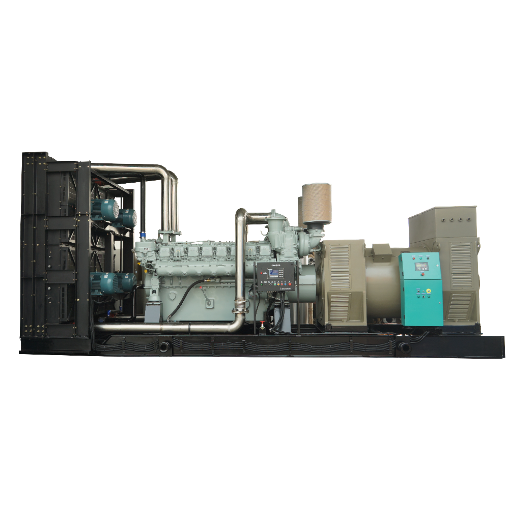
Load Calculation Methodology
Proper sizing requires accurate load analysis. Undersizing causes system failure. Oversizing wastes capital and causes operational problems.
Connected Load vs Demand Load:
Connected load is the sum of all equipment nameplate ratings. This overestimates actual requirements because not all loads operate simultaneously.
Demand load is the actual expected operating load, calculated using diversity factors:
Demand Load = Connected Load × Diversity Factor
Typical diversity factors:
- Lighting: 0.9-1.0
- HVAC: 0.7-0.9
- Motors: 0.6-0.8
- Receptacles: 0.3-0.5
Starting vs Running kW:
Electric motors require significantly more power to start than to run. Starting current (locked rotor amps) can be 5-7 times running current.
Motor starting methods affect generator sizing:
- Across-the-line starting: Highest inrush, largest generator required
- Soft starters: Reduced inrush (2-3× running current)
- Variable frequency drives: Minimal inrush
- Star-delta starting: Reduced inrush for large motors
Motor Starting Considerations:
The generator must be sized for the largest motor starting while carrying other operating loads. Voltage dip during motor starting must not exceed 15-20% for most applications.
Rule of thumb: Generator kW rating should be at least 3× the largest motor HP for across-the-line starting.
Future Expansion Planning:
Generators operate most efficiently at 70-80% of rated load. Size for current demand plus 20-25% growth margin.
Example calculation:
- Current demand load: 400 kW
- Largest motor: 100 HP (requires ~300 kW generator capacity for starting)
- Future expansion (25%): 100 kW
- Total required: 800 kW generator
Sizing by Application
Healthcare Sizing:
Healthcare facilities use the Essential Electrical System (EES) concept from NFPA 99. The EES has three branches:
- Life Safety Branch: Egress lighting, alarm systems, fire pumps (Level 1)
- Critical Branch: Operating rooms, intensive care, emergency departments (Level 1)
- Equipment Branch: HVAC for critical areas, medical gas systems (may be Level 1 or 2)
Typical sizing:
- Small hospital (100 beds): 500-800 kW
- Medium hospital (300 beds): 1,000-1,500 kW
- Large hospital (500+ beds): 2,000-3,000+ kW
Data Center Sizing:
Data center sizing considers IT load plus supporting infrastructure:
- IT equipment (servers, storage, network)
- Cooling (chillers, CRAC units, pumps)
- Power infrastructure (UPS losses, transformer losses)
- Lighting and security
Redundancy configurations affect sizing:
- N: No redundancy, 100% capacity
- N+1: One backup unit, ~115% of N capacity
- 2N: Full redundancy, 200% capacity
Typical sizing:
- Small data center (100 racks): 500-1,000 kW
- Medium data center (500 racks): 2,000-5,000 kW
- Large data center (2,000+ racks): 10,000+ kW
Commercial Building Sizing:
Commercial buildings typically size for:
- Egress lighting (required by code)
- Fire alarm and detection systems
- Elevator recall (one elevator minimum)
- Critical HVAC (may be required depending on occupancy)
Typical sizing:
- Small office (50,000 sq ft): 100-200 kW
- Medium office (200,000 sq ft): 300-500 kW
- High-rise office (500,000 sq ft): 800-1,500 kW
Industrial Facility Sizing:
Industrial sizing is highly variable based on processes. Key considerations:
- Safety shutdown systems (always emergency power)
- Process control systems
- Environmental containment
- Refrigeration for product storage
Common Sizing Mistakes
Undersizing for Motor Loads:
The most common sizing error is ignoring motor starting requirements. A facility with a 500 kW demand load and a 200 HP motor requires significantly more than 500 kW of generator capacity.
Ignoring Harmonics:
Variable frequency drives, UPS systems, and electronic lighting create harmonic distortion. High harmonic content requires generator oversizing or harmonic filters.
Future Growth Neglect:
Sizing exactly for current loads leaves no room for expansion. Generator replacement is expensive and disruptive.
Load Diversity Miscalculations:
Applying overly optimistic diversity factors can result in undersizing. Always verify actual operating patterns through load monitoring.
NFPA 110 Testing and Maintenance Requirements
Monthly Testing Requirements
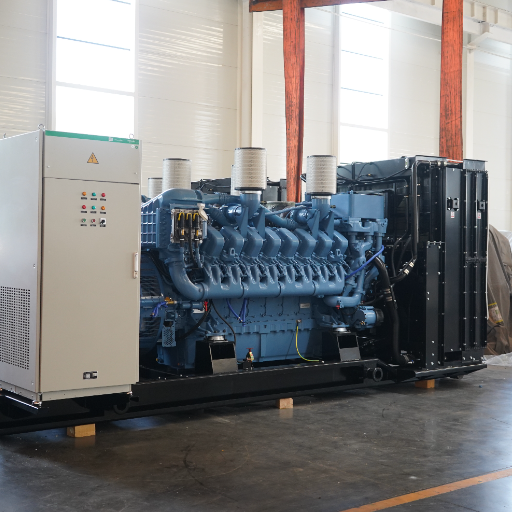
NFPA 110 requires monthly testing to verify EPSS readiness. The standard specifies:
Test Duration: Minimum 30 minutes continuous operation
Load Requirement: Minimum 30% of the EPS nameplate rating or the minimum recommended by the manufacturer, whichever is greater
What to Monitor:
- Starting time (must achieve rated conditions within specified Type)
- Voltage and frequency stability
- Oil pressure and coolant temperature
- Fuel level and transfer pump operation
- ATS transfer and retransfer operation
- Battery charging system
Documentation Required:
- Date and time of test
- Name of person conducting test
- Generator operating parameters (voltage, frequency, oil pressure, coolant temp)
- Any abnormalities or issues
- Corrective actions taken
Wet Stacking Prevention:
Running diesel generators at light loads causes “wet stacking” – unburned fuel and carbon deposits accumulate in the exhaust system. Monthly testing must achieve adequate load to:
- Raise exhaust temperature sufficiently to burn off carbon
- Verify generator can handle actual facility loads
- Prevent engine damage from extended light-load operation
If facility loads cannot provide 30% of generator rating during tests, annual load bank testing is required.
Annual Testing Requirements
Annual testing provides comprehensive verification of EPSS capabilities:
Full Operational Test:
- Simulate utility failure
- Verify complete system response
- Test all automatic functions
- Verify alarm and monitoring systems
Load Bank Testing (if required):
- Conduct if monthly tests cannot achieve 30% load
- Apply artificial load to achieve 100% of generator rating
- Duration: Minimum 2 hours at full load
- Monitor for overheating, voltage instability, or other issues
Fuel Quality Testing:
- Test fuel per ASTM D975 annually
- Parameters: specific gravity, water/sediment, flashpoint, viscosity
- Document results and corrective actions
Transfer Switch Maintenance:
- Inspect and clean contacts
- Check control wiring and connections
- Verify proper operation of all position indicators
- Test bypass isolation if equipped
Battery Maintenance:
- Load test or impedance test batteries
- Clean terminals and connections
- Check electrolyte levels (flooded batteries)
- Verify specific gravity
- Document battery condition
Fuel Management
Fuel quality directly impacts EPSS reliability. Diesel fuel degrades over time, potentially preventing generator operation when needed most.
Fuel Polishing Systems:
Fuel polishing systems continuously filter fuel to remove:
- Water and sediment
- Microbial contamination
- Oxidation byproducts
Systems typically include:
- Water separator
- Particulate filter (10-30 micron)
- Fuel conditioner injection
- Automated operation with alarms
Biocide Treatment:
Microbial growth (commonly called “diesel bug”) forms colonies at the fuel-water interface. Biocides kill existing growth and prevent new colonies. Treatment frequency depends on:
- Fuel turnover rate
- Climate and humidity
- Tank design
Typical treatment: Every 6-12 months for standby generators with minimal fuel use
Water Separation:
Water enters fuel tanks through:
- Condensation from temperature changes
- Delivery contamination
- Leaks in fill caps or seals
Water causes:
- Microbial growth
- Fuel system corrosion
- Engine damage if ingested
Drain water from tank sumps monthly or use automatic water separators.
Tank Inspection:
NFPA 110 requires visual inspection of fuel tanks and containment annually. Inspect for:
- Corrosion or leaks
- Water accumulation
- Sediment buildup
- Structural damage
- Ventilation obstructions
Recordkeeping Requirements
Documentation is critical for compliance and troubleshooting.
Required Documentation:
- Installation records and as-built drawings
- Acceptance testing reports
- Weekly inspection logs (visual checks)
- Monthly operational test records
- Annual maintenance and testing records
- Fuel quality test results
- Repair and modification records
- Manufacturer manuals and specifications
Retention Period:
NFPA 110 does not specify retention periods. Best practices:
- Current year plus previous 2-3 years readily available
- Full equipment lifecycle records archived
- AHJ may require specific retention periods
Digital Tracking Systems:
Computerized maintenance management systems (CMMS) offer advantages:
- Automated testing reminders
- Trend analysis of performance data
- Instant report generation for inspectors
- Integration with building management systems
Popular CMMS options include eMaint, Fiix, and Hippo CMMS. Manufacturer-specific systems are also available from generator OEMs.
AHJ Inspection Preparation:
When inspectors arrive, have ready:
- Current system documentation
- Complete testing records for requested period
- Maintenance contracts and service reports
- Recent fuel quality test results
- Staff training records
The most common compliance failure is inadequate documentation, not equipment failure.
For proper load bank testing procedures aligned with NFPA 110,( refer to our step-by-step testing guide.)
Emergency Power Costs and ROI
Equipment Costs by Capacity
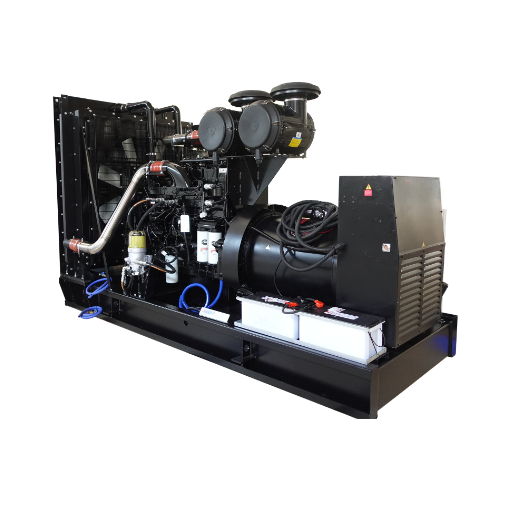
Emergency power system costs vary significantly based on capacity, features, and installation complexity.
| System Size | Equipment Cost | Installed Cost | Typical Applications |
|---|---|---|---|
| 50-100 kW | 25K−25K−50K | 40K−40K−75K | Small retail, restaurant |
| 100-250 kW | 50K−50K−120K | 80K−80K−180K | Office building, small hospital |
| 250-500 kW | 120K−120K−250K | 180K−180K−350K | Manufacturing, medium hospital |
| 500-1000 kW | 250K−250K−500K | 350K−350K−700K | Large hospital, data center |
| 1000-2000 kW | 500K−500K−1M | 700K−700K−1.5M | Large data center, campus |
Cost factors affecting price:
- Engine brand and quality tier
- Alternator specifications
- Enclosure type (open, weatherproof, sound-attenuated)
- Control system sophistication
- Fuel tank configuration
- Transfer switch specifications
- Geographic location and local labor rates
Factory-direct vs dealer pricing:
Working directly with manufacturers like ZC Power can reduce equipment costs by 20-40% because of direct manufacturing costs which show equivalent or better product quality through ISO9001-certified manufacturing processes.
Total Cost of Ownership
The initial purchase price represents only a portion of lifecycle costs.
10-Year TCO Example (500 kW diesel system):
| Cost Category | Amount |
|---|---|
| Equipment and installation | $300,000 |
| Fuel (10 years) | $180,000 |
| Maintenance (10 years) | $120,000 |
| Repairs and overhauls | $80,000 |
| Testing and compliance | $40,000 |
| Insurance and property tax | $60,000 |
| 10-Year TCO | $780,000 |
Annual operating costs as percentage of equipment cost:
- Small systems (50-100 kW): 15-20% per year
- Medium systems (250-500 kW): 12-18% per year
- Large systems (1000+ kW): 10-15% per year
Cost reduction strategies:
- Load bank testing prevents wet stacking and costly repairs
- Fuel polishing extends fuel life and prevents contamination
- Preventive maintenance reduces emergency repair frequency
- Right-sizing prevents inefficient light-load operation
Cost of Non-Compliance
Compliance failures carry significant financial and operational risks.
Regulatory Penalties:
OSHA fines: Up to $15,625 per violation, per day
CMS penalties (healthcare): Can affect Medicare/Medicaid reimbursement
Joint Commission citations: Risk to accreditation status
Local code violations: Vary by jurisdiction; some include criminal penalties
Business Interruption Costs:
A manufacturing facility without emergency power during an outage faces:
- Lost production: 10K−10K−100K+ per hour depending on industry
- Spoiled inventory: Temperature-sensitive products
- Equipment damage: Unsafe shutdown of industrial processes
- Customer penalties: Contractual delivery commitments
The Ohio manufacturing facility mentioned earlier lost $2.3 million during a 4-hour preventable outage—far exceeding the cost of a proper emergency power system.
Liability Exposure:
If emergency power failure results in injury or death:
- Wrongful death lawsuits
- Personal injury claims
- Regulatory enforcement actions
- Reputational damage
- Increased insurance premiums
Insurance Implications:
Some insurers offer premium discounts for compliant emergency power systems. Conversely, non-compliance may result in:
- Coverage exclusions
- Claims denials
- Policy cancellation
- Higher renewal rates
Industry-Specific Emergency Power Requirements
Healthcare Facilities (NFPA 99 + NFPA 110)
Healthcare facilities face the most stringent emergency power requirements of any industry.
Essential Electrical System (EES):
NFPA 99 requires hospitals to maintain an EES with three distinct branches:
1. Life Safety Branch:
- Illumination of means of egress
- Exit signs and directional signs
- Fire alarm systems
- Fire pumps
- Smoke control systems
- Communication systems for emergencies
2. Critical Branch:
- Task illumination and selected receptacles in critical care areas
- Patient care areas including operating rooms
- Isolation rooms
- Emergency treatment areas
- Pharmacy dispensing areas
3. Equipment Branch:
- HVAC for critical patient care areas
- Medical air compressors
- Medical vacuum systems
- Controls for equipment serving patient care areas
Type 10 Requirement:
Life safety and critical branches must restore power within 10 seconds. This drives generator sizing, starting system design, and ATS selection.
CMS 96-Hour Rule:
Centers for Medicare & Medicaid Services requires hospitals to have fuel or fuel delivery contracts sufficient for 96 hours of operation. This significantly exceeds the typical Class 48 (48-hour) requirement.
Joint Commission Standards:
Joint Commission accreditation includes specific EPSS requirements:
- Monthly testing with load
- Annual fuel quality testing
- Written emergency power plan
- Staff training and competency verification
For healthcare-specific backup power requirements, (see our hospital emergency power compliance guide.)
Data Centers
Data center emergency power focuses on maintaining IT operations without interruption.
Uptime Institute Tier Standards:
Tier I (Basic):
- Single path for power and cooling distribution
- No redundant components
- 99.671% availability target
- 28.8 hours of downtime per year acceptable
Tier II (Redundant Components):
- Single path with redundant components
- 99.741% availability target
- 22.0 hours of downtime per year acceptable
Tier III (Concurrently Maintainable):
- Multiple independent power and cooling paths
- 99.982% availability target
- 1.6 hours of downtime per year acceptable
- Requires emergency/standby power for all IT equipment
Tier IV (Fault Tolerant):
- Multiple active power and cooling distribution paths
- 99.995% availability target
- 0.4 hours of downtime per year acceptable
- Requires 2N or N+1 generator redundancy
N, N+1, and 2N Configurations:
N: Minimum capacity required to support load with no redundancy
N+1: One additional generator beyond minimum required
2N: 100% redundant capacity (two complete systems)
Mission-critical data centers typically deploy N+1 or 2N generator configurations.
UPS-Generator Integration:
Data centers use UPS systems to bridge the generator startup period:
- Double-conversion UPS provides seamless transition
- Battery runtime typically 5-15 minutes
- Generator must start and stabilize before UPS batteries deplete
To meet Tier III/IV standards for data center backup power, (review our sizing and redundancy guidelines.)
Commercial Buildings
Commercial building requirements vary by occupancy type and local codes.
Required Emergency Systems:
- Egress lighting (NFPA 101)
- Exit signs and directional signage
- Fire alarm and detection systems
- Elevator recall (high-rise buildings)
- Fire pumps (NFPA 20)
High-Rise Specific Requirements:
Buildings over 75 feet typically require:
- Emergency power for at least one elevator
- Fire command center power
- Smoke control systems
- Stairwell pressurization
Optional Standby Loads:
Many commercial buildings add optional standby for:
- General lighting
- HVAC (select areas)
- Security systems
- Data/communication equipment
- Refrigeration for food service
Industrial Facilities
Industrial emergency power focuses on safety shutdown and process protection.
Process Safety Systems:
Emergency power may be required for:
- Safety instrumented systems (SIS)
- Emergency shutdown (ESD) systems
- Fire and gas detection
- Process control systems
Environmental Containment:
Facilities handling hazardous materials need emergency power for:
- Secondary containment pumps
- Vapor recovery systems
- Scrubbers and abatement equipment
- Leak detection systems
Safe Shutdown Sequences:
Industrial processes often require controlled shutdown during power failures:
- Maintain power until safe state achieved
- Cool down rotating equipment
- Close valves and isolate processes
- Document batch status
Hazardous Location Requirements:
Generators in hazardous locations (Class I, Division 1 or 2) require:
- Explosion-proof enclosures
- Purged and pressurized housings
- Intrinsically safe controls
- Special ventilation systems
Installation and Environmental Considerations
Location Requirements
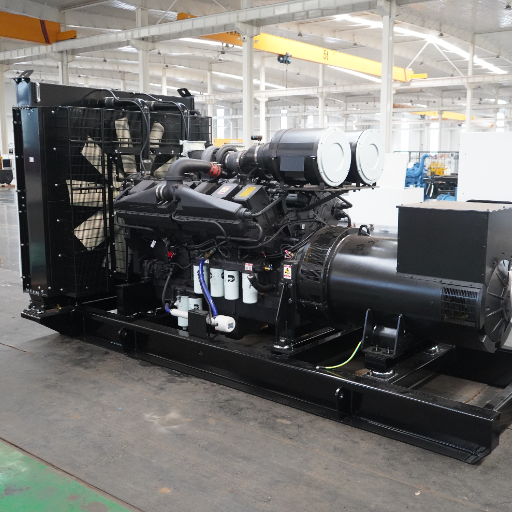
Generator location affects performance, maintenance access, and code compliance.
Indoor Installation:
Advantages:
- Weather protection
- Easier maintenance access
- Better security
Requirements:
- Adequate ventilation (combustion air and cooling)
- Fuel storage compliance (separate room often required)
- Noise control
- Exhaust routing to exterior
Outdoor Installation:
Advantages:
- No building space required
- Simpler exhaust routing
- Reduced noise inside building
Requirements:
- Weather-resistant enclosure
- Wind and snow loading consideration
- Security fencing
- Maintenance access in all weather
Flood Protection:
NFPA 110 requires generators to be installed above the 100-year floodplain or protected from flooding. Options include:
- Elevated installation platforms
- Flood-proof enclosures
- Pump and drainage systems
Environmental Operating Conditions
Generator performance varies with environmental conditions.
Temperature Extremes:
Cold Weather:
- Starting difficulty below 40°F
- Battery capacity reduction
- Fuel gelling (diesel)
- Coolant freezing risk
Cold weather packages include:
- Engine block heaters (maintain 90-100°F)
- Battery warmers
- Coolant heaters
- Fuel heaters for extreme cold
Hot Weather:
- Reduced air density decreases power output
- Cooling system stress
- Higher exhaust temperatures
- Control system overheating
Hot weather derates typically apply above 85°F ambient.
Altitude Derating:
Engine power decreases approximately 3% per 1,000 feet above sea level. A 500 kW generator at sea level produces approximately 425 kW at 5,000 feet elevation unless specifically rated for altitude.
Humidity and Corrosion:
Coastal and high-humidity environments require:
- Marine-grade coatings
- Stainless steel hardware
- Dehumidification systems
- Increased maintenance frequency
Dust and Contamination:
Dusty environments (mining, agriculture, desert) require:
- Heavy-duty air filtration
- Pre-cleaners or cyclone separators
- More frequent air filter replacement
- Enclosed, pressurized control rooms
Noise and Emissions
Local Noise Ordinances:
Most jurisdictions limit generator noise, typically:
- 65-70 dB(A) at property line (daytime)
- 55-60 dB(A) at property line (nighttime)
Sound-attenuated enclosures achieve 75-85 dB(A) at 1 meter. Critical facilities near residential areas may require additional attenuation.
EPA Tier 4 Final Compliance:
Diesel generators must meet EPA emissions standards:
- Tier 4 Final (current standard)
- Requires diesel exhaust fluid (DEF)
- Selective catalytic reduction (SCR)
- Diesel particulate filters (DPF)
Exemptions exist for emergency-only generators in some applications, but the exemption is becoming increasingly restricted.
CARB Requirements (California):
California Air Resources Board has additional requirements:
- Registration of all diesel generators
- Compliance with fleet average regulations
- Potential restrictions on emergency-only operation
- Possible future limitations on diesel generators
Facilities in California should evaluate natural gas or Tier 4 Final diesel options carefully.
ZC Power Emergency Power Solutions
Factory-Direct Manufacturing Advantage
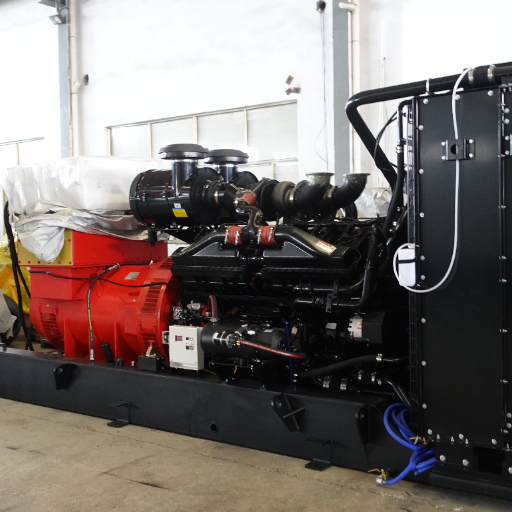
When your facility’s safety depends on emergency power, equipment quality and cost both matter. Shandong ZC Power CO., LTD. delivers NFPA 110-compliant emergency power systems directly from our 300,000 square meter manufacturing facility.
What factory-direct means for your project:
- Cost Efficiency: Eliminate dealer and distributor markups (typically 20-40%)
- Custom Engineering: Modify specifications for your specific requirements
- Quality Verification: Witness load bank testing at our national-standard testing center
- Direct Accountability: Work with the engineers who designed and built your equipment
Our manufacturing capabilities:
- 25+ years of generator manufacturing experience (established 1999)
- ISO9001 quality management certification
- CE marking for European markets
- CCC certification for Chinese domestic market
- Production capacity from 8 kVA to 4,000 kVA
NFPA 110 Compliant Systems
ZC Power emergency power systems are engineered for code compliance from the ground up:
Pre-Engineered Solutions:
- Level 1 and Level 2 configurations
- Type 10 transfer capabilities
- Class 48 fuel systems (expandable to Class X)
- Complete documentation packages
Testing and Verification:
- 100% load bank testing at factory before shipment
- ATS function testing
- Control system verification
- Fuel system leak testing
Documentation Support:
- Single-line diagrams
- Installation drawings
- Operation and maintenance manuals
- Testing and commissioning procedures
- Compliance documentation templates
Global Project Expertise
Emergency power requirements vary by country and region. ZC Power has delivered emergency power systems to over 50 countries, navigating diverse regulatory environments.
Voltage and Frequency Flexibility:
- 50 Hz and 60 Hz systems
- 208V, 240V, 380V, 400V, 415V, 480V configurations
- Single-phase and three-phase options
- Custom voltage requirements
Extreme Environment Packages:
- Desert conditions: Enhanced air filtration, cooling systems
- Arctic conditions: Block heaters, battery warmers, cold-start packages
- Marine/coastal: Anti-corrosion coatings, stainless hardware
- High altitude: Derated and specially calibrated engines
Export and Logistics:
- Complete export documentation
- Container loading and securing
- Sea and air freight coordination
- Customs clearance support
- Installation supervision available
Complete Lifecycle Support
Emergency power systems require ongoing support throughout their operational life. ZC Power provides:
Design Consultation:
- Load analysis assistance
- Code requirement interpretation
- System sizing calculations
- Parallel system design
Installation Support:
- Installation drawings and guidance
- Startup and commissioning assistance
- Initial testing and documentation
- Operator training
Maintenance Programs:
- Maintenance schedule templates
- OEM spare parts supply
- 24/7 technical support
- Remote monitoring options
Ongoing Engineering Access:
- Direct communication with design engineers
- System modification guidance
- Troubleshooting support
- Upgrade recommendations
Frequently Asked Questions
What is the difference between emergency and standby power?
Emergency power systems (NEC Article 700) protect life safety equipment which requires operation during power failures. The systems require transfer capabilities within 10 seconds together with enhanced installation and testing standards which must be followed. Standby power (NEC Article 701) functions to protect nonessential systems, which can operate with transfer times of 60 seconds and do not need to meet strict operational standards.
What are NFPA 110 Level 1 and Level 2 systems?
Level 1 EPSS serves loads which would cause human casualties and severe injuries when equipment fails, so it needs 10-second switch capabilities and complete system testing. Level 2 EPSS serves less critical loads with 60-second transfer allowed and standard maintenance intervals.
How often must emergency power systems be tested?
NFPA 110 requires monthly testing for at least 30 minutes at a minimum of 30% of rated load. The annual testing procedure requires complete system operation tests together with fuel quality assessments according to ASTM D975 and full system maintenance checks. The system requires yearly load bank tests which must operate at 100% capacity for a duration of 2 hours when monthly tests fail to reach 30% load.
What is the 10-second rule for emergency power?
Level 1 emergency power systems must restore power within 10 seconds of utility failure. This includes utility failure detection, generator starting and stabilization, and load transfer. The requirement drives generator sizing, battery capacity, and ATS selection.
How much fuel storage is required?
NFPA 110 requires fuel storage equal to 133% of the fuel needed to power the system at full demand for the required Class duration. Class durations include Class 2 (2 hours), Class 4 (4 hours), Class 8 (8 hours), Class 48 (48 hours), or Class X (custom). Healthcare facilities subject to CMS requirements need 96-hour planning.
What happens if my system fails inspection?
The authority having jurisdiction (AHJ) requires all non-compliance findings to be resolved within a 30-to-90-day period. The most serious violations of regulations lead to three potential consequences which include facility shutdown, operational limitations, and monetary fines. The most common failure is inadequate documentation rather than equipment problems.
How much does an emergency power system cost?
Costs vary by capacity: 50-100 kW systems range 40K−40K−75K installed; 100-250 kW systems 80K−80K−180K; 250-500 kW systems 180K−180K−350K; 500-1000 kW systems 350K−350K−700K. Total 10-year cost of ownership typically runs 2-3× the initial installation cost.
Can I upgrade an existing system to meet current codes?
Many existing systems can be upgraded through generator replacement, ATS upgrades, fuel system modifications, or control system updates. A professional assessment determines upgrade feasibility versus replacement. NFPA 110 typically applies to new installations and significant modifications; grandfathering may apply to existing systems unless modified.
What documentation is required for compliance?
Required documentation includes installation records, acceptance testing reports, weekly inspection logs, monthly operational test records, annual maintenance records, fuel quality test results, repair records, and manufacturer manuals. Retain records for the equipment lifecycle or minimum 5 years.
How do I size an emergency power system for my facility?
Sizing requires load analysis including connected loads, demand factors, and motor starting requirements. Calculate running load and add largest motor starting current. Include 20-25% margin for future growth. Professional engineering assistance ensures accurate sizing and code compliance.
Can portable generators be used for NFPA 110 compliance?
Generally no. NFPA 110 requires permanently installed EPSS for Level 1 and Level 2 applications. Portable generators may serve as temporary backup during equipment maintenance or failure but cannot be the primary compliant system unless specifically approved by the AHJ.
Conclusion
Emergency power systems function as permanent life safety equipment which building codes designate to secure building occupants and sustain essential operations while ensuring compliance with legal standards. The Texas hospital with 18 months of missing documentation learned this lesson under the pressure of potential closure. The Ohio manufacturing facility learned it at a cost of $2.3 million in lost revenue.
Emergency power systems need three basic principles for their successful operation.
The first principle states that compliance needs to remain active throughout all times instead of existing as a single requirement. NFPA 110 requires organizations to conduct monthly tests while performing annual maintenance work and creating permanent documentation and conducting regular fuel quality assessments. The system will lose its compliance status because of insufficient maintenance work.
The second principle states that systems need proper dimensions and configurations to function without breakdowns. Undersized generators fail during motor starting. Oversized generators experience operational problems because of wet stacking and they display lower efficiency. The system will function properly when its actual load requirements are analyzed for sizing purposes which include necessary safety margins.
The third principle states that documentation holds equal importance to equipment. The majority of compliance failures stem from inadequate recordkeeping, not equipment problems. Your facility will maintain protection during inspections because of complete organized documentation which also helps with troubleshooting.
The global emergency power systems market continues to grow because of increasing grid reliability issues and expanding code requirements. Organizations which develop their emergency power systems through accurate design work and system installation and system maintenance will safeguard both their operational activities and their financial interests.
Take the next step toward emergency power compliance. Contact ZC Power’s engineering team today for a complimentary site assessment. Our 80+ technical engineers will evaluate your current system or design requirements which will help them identify compliance gaps while they provide you with a factory-direct quote for NFPA 110-compliant emergency power solutions. We possess 25 years of manufacturing experience which we developed through operating in over 50 countries to guarantee the emergency power system system will work correctly.
For cross-referenced emergency power rules from NFPA 110 and NEC 2026, plus sector-specific sizing, (explore our comprehensive requirements guide.)