Electric Generators: Complete Guide to Types, Applications & Selection
The new Jakarta data center experienced a complete power grid failure which created a non-existent sound because all equipment stopped operating while the operations team discovered their backup system contained a critical mistake. The team possessed a generator according to technical definitions. Their equipment inventory included a generator which functioned according to their current requirements but failed to meet their tropical climate needs and lacked proper connection to the transfer switch system. The 12-hour outage cost them a major client and $2.3 million in service credits.
Every day manufacturing plants and hospitals and construction sites experience incidents that resemble this situation. The machine itself determines whether your operation will continue running after a generator breaks down during critical moments yet this decision depends on equipment operation knowledge and generator selection procedures and sizing methods and configuration techniques.
The complete guide from ZC Power explains how electric generators convert fuel into usable electricity and introduces all generator types from portable to industrial megawatt systems and provides tools to determine which generator matches your requirements. The guide establishes engineering principles which help you choose backup power systems for hospitals and prime power systems for remote mines and emergency power systems for your facility.
What Is an Electric Generator?
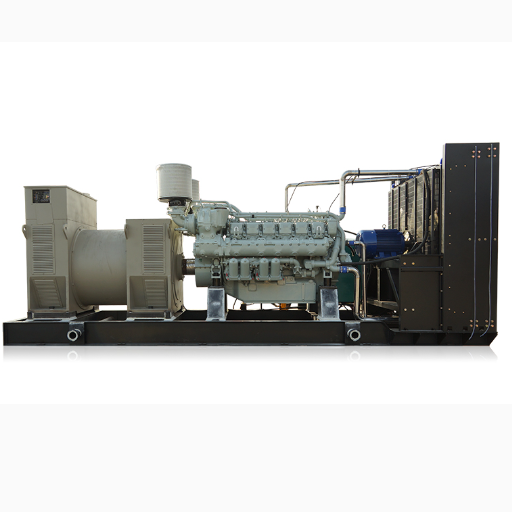
Electric generators function as machines that transform mechanical power into electrical power by using electromagnetic induction. Generators operate differently from batteries because they do not create electrical power when they generate electricity from existing electrical charge. The devices operate the same way because they use magnets to create electric fields which drive electrons through metal wires.
The continuous fuel need of generators for operation provides buyers with essential information through this distinction. The system requires mechanical power from an internal combustion engine that uses diesel natural gas gasoline or propane to sustain operation at all times when it receives sufficient mechanical energy and has a magnetic field.
The Fundamental Principle: Electromagnetic Induction
In 1831, Michael Faraday discovered that passing a conductor through a magnetic field induces a voltage across that conductor. The voltage increases when the conductor moves faster through the field or when the magnetic field strength becomes stronger. Faraday’s Law of Electromagnetic Induction serves as the basic principle which all electric generator technology operates on during the two hundred years that have followed.
Think of it like this: imagine holding a wire and moving it through the invisible magnetic field lines surrounding a magnet. Each time you cut through those field lines, you push electrons in the wire, creating current. A generator automates this process at industrial scale, using an engine to spin coils of wire through powerful magnetic fields thousands of times per minute.
The amount of electricity generated depends on three factors:
- Magnetic field strength: Stronger magnets (or electromagnets with more current) create more voltage
- Conductor speed: Faster rotation through the field induces higher voltage
- Number of wire turns: More coils of wire multiply the induced voltage
How Electric Generators Work: Step-by-Step Process
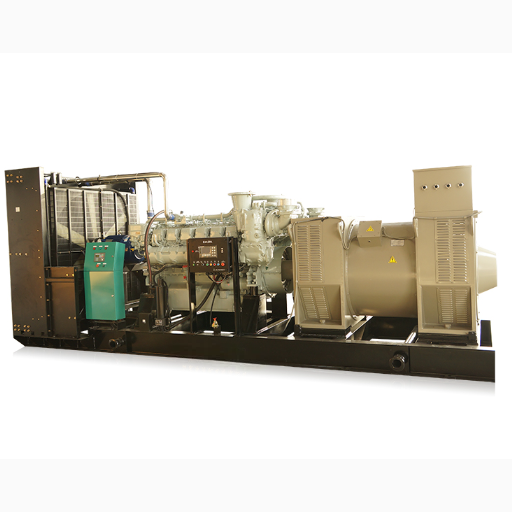
Understanding the generator operation process helps buyers evaluate specifications, troubleshoot issues, and communicate effectively with engineers. The generator creates electricity through a complete process which starts when fuel enters the system and ends when the generator produces electrical power.
Step 1: Fuel Combustion Creates Mechanical Energy
The generator engine operates in the same way as an engine used in automobiles and heavy machinery. The combustion chamber receives fuel in the form of diesel or natural gas or gasoline or propane, which then ignites to produce a controlled explosion that moves the pistons downwards.
The compression ignition system in diesel generators uses compression to heat air until it reaches the temperature needed to ignite diesel fuel without using a spark plug. Natural gas and gasoline engines use spark ignition. The choice of fuel affects not just operating costs but also startup speed, maintenance intervals, emissions profile, and suitability for specific environments—all factors we’ll explore in the fuel comparison section.
Pistons create linear motion, which the crankshaft uses to produce rotational motion, which serves as the basic driving mechanism for vehicles. The system generates mechanical power from its rotational energy, which functions as the electrical generation system’s main power source.
Step 2: The Rotor Spins Within the Stator
The crankshaft connects directly to the generator’s rotor which also functions as the armature for the rotating component of the alternator assembly. The rotor produces a magnetic field which rotates during its spinning motion.
The rotor contains either permanent magnets or more commonly in industrial generators electromagnets which people create by running DC current through wire windings. The generator uses electromagnets for voltage regulation because it can control current to the rotor windings which enables the generator to produce consistent output voltage during electrical load changes.
The stator exists as a stationary component which surrounds the rotor through its arrangement of wire coils that form a circular pattern around the rotor’s movement area. The stator remains in a fixed position while the magnetic field produced by the rotating rotor moves through its space. The process of current induction occurs when the magnetic field travels over the conductors which remain in a fixed position.
Step 3: Electromagnetic Induction Generates AC
The magnetic field from the rotor generates alternating voltage in each stator coil through its passing movement across the coils. The rotor maintains its spinning movement which causes the magnetic field to switch its orientation toward every coil after each half-rotation. The system generates alternating current (AC) because the voltage alternates between positive and negative values at a frequency which matches the rotor’s speed of rotation.
The North American standard frequency of 60 Hz requires a two-pole generator to maintain a rotor speed of 3 600 RPM. The European and Asian standard of 50 Hz requires a rotor to rotate at 3 000 RPM. More pole generators enable frequency production at reduced rotational speeds which results in decreased equipment damage and extended operational time of engine components.
The generated AC waveform creates a sinusoidal pattern which alternates between positive and negative wave peaks. The clean sine wave provides an optimal power source for most electrical equipment which can be transformed into various voltage levels suitable for transmission purposes.
Step 4: Voltage Regulation Stabilizes Output
Engine speed and electrical load create variations in raw generator output which generates risks that would harm sensitive equipment. The automatic voltage regulator (AVR) solves this problem by controlling the DC excitation current supplied to the rotor windings.
The AVR system activates additional excitation current when generator output voltage drops because of increased load from a large motor which started running. The AVR system reduces excitation current when the voltage level increases. This closed-loop control system maintains output voltage within strict limits which usually range from ±1% to ±2% of rated voltage.
All premium generators including ZC Power’s industrial line use digital AVRs which provide both faster response times and better protection through over-excitation limiting and soft-start voltage ramping functions that prevent equipment damage during generator startup.
Step 5: Power Distribution to Loads
The generator’s control panel receives stabilized electricity which contains circuit breakers and monitoring instruments and output terminals. Power from this point distributes to connected equipment through two pathways: direct connection and standby applications which use a transfer switch to choose between utility and generator power.
The entire process-from fuel combustion to electrical output-takes milliseconds. A diesel generator in proper condition can achieve 100 percent power output within 10 seconds of starting up whereas natural gas units take 15 to 30 seconds because of their different ignition properties.
AC vs DC Generators: Key Differences
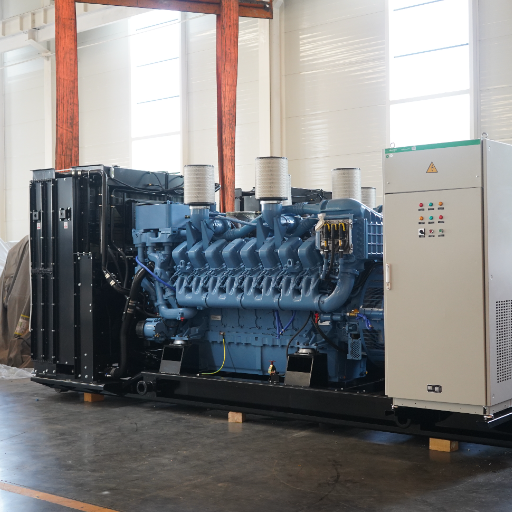
While most modern generators produce alternating current (AC), direct current (DC) generators still serve specific applications. Understanding the differences helps buyers specify the right equipment and evaluate compatibility with their electrical systems.
How AC Generators Work
AC generators use slip rings—continuous conductive rings mounted on the rotor shaft that maintain electrical contact with stationary brushes. The rotor’s spinning motion enables current to move continuously through the slip rings which connect to the rotor windings.
The key advantage of AC generation is transformer compatibility. The combination of transformers with AC voltage allows efficient voltage transformation which enables power distribution across extensive distance. High-voltage transmission reduces resistive losses; transformers then reduce voltage to usable levels at the destination. This is why AC dominates grid electricity worldwide.
AC generators also simplify parallel operation. Multiple AC generators can be synchronized—matched in frequency, voltage, and phase angle—to operate together, sharing load and providing redundancy. This capability is essential for large industrial facilities, data centers, and utility applications.
How DC Generators Work
DC generators use a commutator instead of slip rings. The commutator functions as a split-ring device that switches the rotor winding connections after every half-rotation. The mechanical switching system transforms the rotor’s naturally alternating voltage into direct current which flows constantly in one direction.
DC generators produce smooth direct current output through effective filtering but their commutator system introduces extra mechanical components which need regular maintenance. The commutator requires brush replacement because the brushes wear down through contact with it. The switching process produces electrical arcing which restricts the system’s maximum voltage and power capacity.
Comparison: When to Choose AC vs DC
| Feature | AC Generator | DC Generator |
|---|---|---|
| Current type | Alternating (sine wave) | Direct (steady polarity) |
| Output connection | Slip rings | Commutator |
| Transformer compatibility | Yes—efficient voltage conversion | No—requires electronic conversion |
| Parallel operation | Straightforward synchronization | Complex, requires matched voltage regulation |
| Primary applications | Grid power, most industrial/commercial | Battery charging, specialized equipment |
| Maintenance | Lower (no brush wear on main output) | Higher (commutator and brush maintenance) |
| Power range | Watts to gigawatts | Limited to smaller ratings |
AC generators serve as the correct solution for most applications which include all industrial applications and commercial applications and residential generator needs. DC generators continue to operate in specific applications which include battery charging systems and electroplating operations and particular welding processes that require direct current for better results.
The modern “inverter generators” system operates through three distinct stages: first it produces high-frequency AC which then undergoes electronic conversion to DC before the system produces pure 50/60 Hz AC output. The upcoming section on generator types will demonstrate how this system achieves accurate voltage and frequency regulation which operates independently from engine speed.
Types of Electric Generators by Application
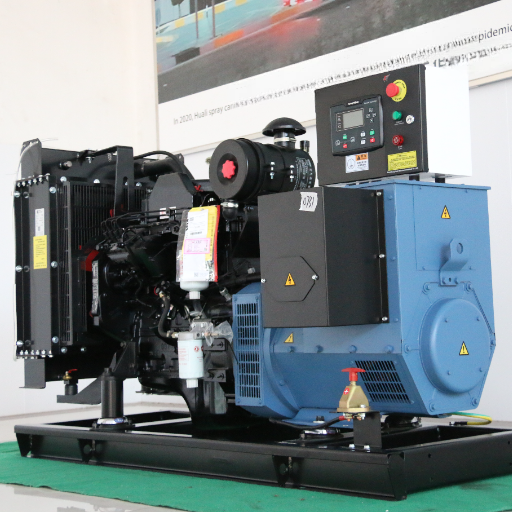
The generator market spans capacities from 800-watt camping units to 400-megawatt power plant systems. Understanding the categories helps buyers narrow their search to equipment suited for their specific use case.
Seeking reliable industrial power solutions with three-phase generators? (Read Three Phase Generator: Complete Guide to Industrial Power Solutions)for comprehensive industrial-oriented application guidance.
Portable Generators (1-10 kW)
Portable generators offer temporary power wherever it’s needed. These units typically weigh 50-200 pounds and feature built-in handles or wheels for transport. Most run on gasoline, though dual-fuel models that also accept propane are increasingly common.
Typical applications include:
- Construction sites: Powering tools, lights, and temporary offices before permanent electrical installation
- Outdoor events: Sound systems, lighting, food service equipment at festivals or weddings
- Emergency home backup: Keeping essential appliances running during outages
- Recreational use: Camping, tailgating, RV power
Portable generators typically lack automatic startup capability—someone must manually start the unit and connect loads. They’re designed for intermittent use, typically rated for several hundred hours of operation per year rather than continuous duty.
Key considerations: Fuel storage and handling, noise levels (often 70-85 dB), sufficient starting capacity for motor loads, and ground fault protection for outdoor use.
Need detailed technical know-how for portable electric generators this year? (Read Portable Electric Generator: Complete Technical Guide 2026 [Types, Sizing & Safety]) for professional guidance on types, sizing and safety protocols.
Inverter Generators (1-4 kW)
Inverter generators represent a technological evolution from conventional portable generators. Rather than producing AC directly at the desired output frequency, inverter generators use a multi-step process:
- High-frequency AC generation (often 400+ Hz)
- Rectification to DC
- Electronic inversion back to clean 50/60 Hz AC
This architecture provides several advantages:
- Clean power output: Total Harmonic Distortion (THD) typically under 3%, compared to 10-25% for conventional generators. This clean sine wave safely powers sensitive electronics like computers, medical equipment, and variable-frequency drives without risk of damage or malfunction.
- Fuel efficiency: The engine can vary speed based on load rather than running at constant RPM. At light loads, the engine slows down, reducing fuel consumption and noise.
- Compact size: High-frequency generation allows smaller, lighter alternators.
Inverter generators cost more per watt than conventional portables, but the investment pays off for applications involving sensitive electronics or extended runtime where fuel efficiency matters. They’re popular for recreational vehicle power, mobile businesses, and backup for home offices.
Curious about inverter generator fundamentals and selection timing? (Read Inverter Generator: Complete Technical Guide for 2026 [How It Works + When to Choose])for clear explanations of its working principle and applicable scenarios.
Home Standby Generators (10-50 kW)
Home standby generators provide automatic backup power for residences. Standby generators require permanent installation because they need to be installed outside the home on concrete pads and they establish direct connections to the home electrical system through automatic transfer switches (ATS).
The ATS detects power outages when utility power fails and it sends a start command to the generator. The ATS system transfers power from the home electrical system to generator power within seconds. The ATS system automatically switches to grid power when utility power returns and it sends a shutdown command to the generator after a short cooldown time.
Home standby generators operate on natural gas or propane which allows homeowners to avoid fuel storage and refueling responsibilities. Natural gas models connect to the home’s existing gas line; propane models connect to an external tank. Diesel options exist but are less common for residential applications.
Capacity selection depends on whether the homeowner wants to power the entire house or just essential circuits:
- Whole-house coverage: Generator rated for the home’s total load, typically 20-50 kW for average homes
- Essential circuits only: Smaller generator (10-20 kW) powering only critical loads like refrigerator, furnace, sump pump, and selected lights and outlets
Installation requires professional electrical work, permits, and often gas line modifications. The investment—including generator, ATS, installation, and permits—typically ranges from 5,000to5,000to15,000 depending on capacity and complexity.
Planning to purchase a home backup generator in 2025? (Read Backup Generator for Home: Complete 2026 Buying and Sizing Guide)for tailored purchasing advice and accurate sizing strategies.
Looking for technical specifics on standby generators in 2026? (Read Standby Generator: Complete Technical Guide 2026 [Types, Sizing & Installation])to learn about its classification, dimensioning and installation standards.
Commercial Generators (50-500 kW)
Commercial generators serve businesses, institutions, and multi-tenant buildings where power outages mean lost revenue, safety hazards, or regulatory violations. These units bridge the gap between residential standby and heavy industrial applications.
Applications include:
- Retail and hospitality: Keeping point-of-sale systems, refrigeration, and climate control operational
- Healthcare clinics: Powering medical equipment and maintaining patient care during outages
- Office buildings: Ensuring elevators, lighting, and IT infrastructure remain functional
- Schools and government buildings: Emergency lighting, communications, and critical systems
- Small data centers: Server and network equipment backup
The NFPA 110 Standard for Emergency and Standby Power Systems requires commercial installations to follow its generator sizing requirements and fuel storage requirements and automatic transfer requirements and testing requirements. Healthcare facilities need to comply with both NEC Article 517 and CMS conditions of participation.
Commercial environments require businesses to evaluate their noise impact on the surrounding area. Many jurisdictions enforce noise ordinances which restrict generator noise levels to 55-65 dB at property boundaries. The commercial installations need to implement sound-attenuated enclosures which will be explained in our upcoming discussion.
Ready to invest in a commercial generator for your business in 2026? (Read Commercial Generator: Complete Buyer’s Guide 2026 [Sizing, Costs & Installation])for expert buyer-focused tips on sizing, expenses and setup.
Industrial Generators (500+ kW)
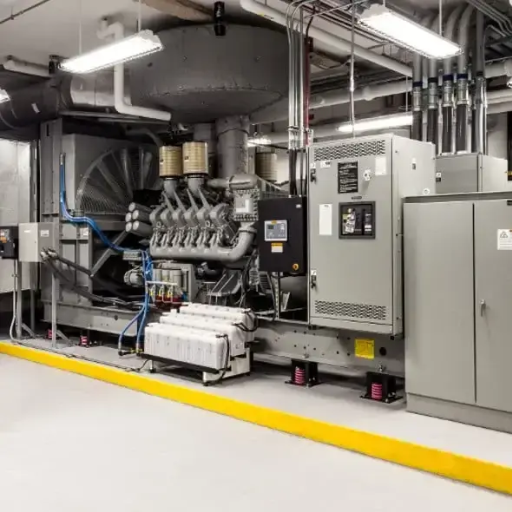
Industrial generators handle the most demanding applications: manufacturing plants, mines, data centers, petrochemical facilities, and utility-scale installations. These units range from 500 kW to 3,000+ kW for individual machines, with paralleled systems reaching tens of megawatts.
Industrial applications typically involve one of three operational modes:
Standby Power (ESP): Emergency backup for grid-connected facilities. These generators run only during utility outages, typically limited to 200 hours annually with variable load. They’re sized for the facility’s maximum demand but rarely run at full load for extended periods.
Prime Power (PRP): Primary power for off-grid or unreliable grid locations. Prime-rated generators can run unlimited hours annually at variable load, with the average load not exceeding 70% of rated power. Applications include remote mines, oil and gas operations, and island communities.
Continuous Power (COP): Constant base load operation at 100% rated capacity for unlimited hours. Continuous-rated generators serve utility peaking plants, cogeneration facilities, and large off-grid industrial operations.
The distinction between PRP and COP matters significantly for buyers. A generator rated for 1,000 kW prime power can handle variable loads which average 700 kW for unlimited time except when it exceeds 1,000 kW. The same machine rated for continuous power could run at 1,000 kW indefinitely but would become oversized and operate with lower efficiency when dealing with variable loads.
Industrial generators typically feature:
- Diesel engines for high torque, durability, and fuel efficiency under heavy load
- Advanced control systems for remote monitoring, automatic paralleling, and utility interconnection
- Robust enclosures: weather-protective, sound-attenuated, or ISO containerized
- Extended base fuel tanks for 24-72 hours of runtime
- Sophisticated protection: over/under voltage, over/under frequency, reverse power, ground fault
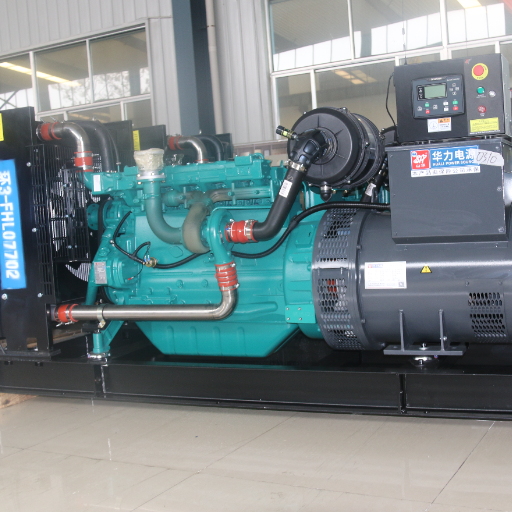
At ZC Power, our industrial generator line spans 500 kW to 4,000 kW, with customization options for high-altitude derating, extreme temperatures, and hazardous area classifications. Every unit undergoes full-load testing in our national-standard testing center before shipment.
Fuel Types for Electric Generators
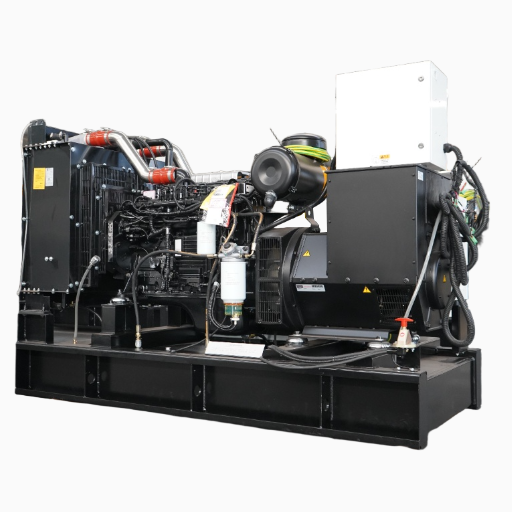
Fuel selection significantly impacts generator performance, operating costs, maintenance requirements, and environmental compliance. Here’s how the major fuel options compare.
Diesel Generators
Diesel remains the dominant fuel for industrial generators, holding 71-76% of the global generator market according to recent industry analysis. Diesel engines offer several compelling advantages:
Energy density and efficiency: Diesel fuel provides 10% greater energy content compared to gasoline, while diesel engines achieve enhanced energy conversion through their ability to operate at higher compression ratios. The result is superior fuel efficiency, which exceeds gasoline equivalent performance by 20 to 40 percent.
Durability and longevity: Diesel engines require stronger construction because they must endure operation at higher compression levels. A well-maintained industrial diesel engine can exceed 20,000-30,000 hours of operation before major overhaul, compared to 10,000-15,000 hours for gasoline engines.
High torque at low RPM: Diesel engines produce maximum torque at lower rotational speeds, which makes them suitable for driving large alternators and handling motor starting surges.
Safety: Diesel fuel has lower volatility than gasoline because it requires a higher temperature (126°F vs -45°F) to reach its flash point. This reduces fire risk and simplifies storage regulations.
Fast starting: Diesel generators achieve their maximum power output within 10 seconds, which serves as a vital requirement for standby applications that incur financial losses during each second of equipment downtime.
The trade-offs include higher upfront cost (20-30% more than gasoline equivalents), louder operation, and more stringent emissions regulations. Modern Tier 4 Final diesel engines require aftertreatment systems (diesel oxidation catalyst, selective catalytic reduction, diesel particulate filters) that add cost and complexity.
Natural Gas Generators
Natural gas generators are gaining market share, particularly for commercial standby applications in urban areas with pipeline access.
Advantages:
- Cleanest fossil fuel: Natural gas produces 25-30% less CO2 than diesel per unit of energy, with dramatically lower particulate matter and NOx emissions. This simplifies permitting and appeals to organizations with sustainability goals.
- Unlimited runtime: Connected to utility natural gas lines, these generators never run out of fuel—critical for facilities requiring extended backup capability.
- Quieter operation: Natural gas engines run quieter than diesels, reducing noise mitigation costs.
- No fuel storage: Eliminates tank installation, spill containment, and fuel maintenance concerns.
Limitations:
- Lower power density: Natural gas engines produce less power per displacement than diesels. A natural gas generator typically costs more per kW of output.
- Slower starting: 15-30 seconds to full power versus 10 seconds for diesel—acceptable for many applications but potentially problematic for the most critical loads.
- Altitude sensitivity: Natural gas engines derate more severely at altitude than diesels. At 5,000 feet elevation, a natural gas generator may lose 20-25% of rated capacity versus 10-15% for diesel.
- Infrastructure dependency: Pipeline interruptions, though rare, can disable backup capability. Some installations specify dual-fuel capability (natural gas primary, diesel backup) for ultimate reliability.
Torn between diesel and natural gas generators for your project? (Read Diesel vs Natural Gas Generator: Complete Comparison Guide [2026]) for a thorough 2026 performance and application contrast.
Gasoline and Propane Options
Gasoline dominates the portable generator market due to widespread availability and lower upfront cost. However, gasoline has significant drawbacks for standby or heavy-use applications: shorter shelf life (3-12 months without stabilizer), higher fire risk, and lower engine longevity. Gasoline generators suit intermittent, short-duration use—camping, tailgating, brief power outages.
Propane offers an attractive middle ground. It stores indefinitely without degradation, burns cleaner than gasoline, and works in both portable and standby configurations. Propane generators cost more than gasoline equivalents but less than natural gas or diesel. They’re popular for residential standby in areas without natural gas service and for commercial applications requiring cleaner emissions than diesel can provide.
Fuel Comparison Summary
| Feature | Diesel | Natural Gas | Gasoline | Propane |
|---|---|---|---|---|
| Fuel storage | On-site tank required | Pipeline connection | Portable cans | Tank required |
| Runtime | Limited by tank size | Unlimited | Very limited | Limited by tank |
| Starting speed | ~10 seconds | ~15-30 seconds | ~10 seconds | ~10 seconds |
| Power density | High | Medium | Medium | Medium |
| Emissions | Tier 4 aftertreatment required | Cleanest fossil fuel | Moderate | Clean burning |
| Maintenance interval | 500 hours | 250 hours | 100 hours | 200 hours |
| Engine lifespan | 20,000+ hours | 10,000+ hours | 5,000+ hours | 10,000+ hours |
| Best applications | Heavy duty, frequent use | Urban standby, clean requirements | Portable, emergency only | Clean backup, off-grid |
Generator Sizing and Selection Guide
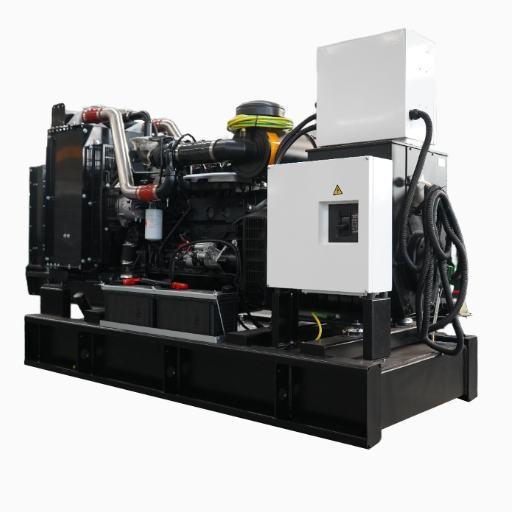
The most frequent generator specification mistake which also leads to the greatest expenses arises from improper generator size selection. Undersized generators overload, overheat, and fail; oversized generators waste capital, operate inefficiently, and can suffer from “wet stacking” (unburned fuel and carbon buildup from chronic underloading).
Understanding Power Requirements
Generator sizing requires understanding two distinct power measurements:
Running watts (or running kW): The continuous power required to keep equipment operating once started. This is the steady-state electrical consumption listed on most equipment nameplates.
Starting watts (or starting kW): The surge of power required to start electric motors. Motors draw 3-6 times their running current during startup, creating a brief but significant load spike. If the generator can’t supply this surge, the motor won’t start and the generator may trip offline.
Consider a 5-horsepower air compressor. Running, it might draw 5 kW. But starting against tank pressure, it could momentarily demand 20-25 kW. A generator sized only for running load would fail to start the compressor.
Sizing Methodology
Follow this systematic approach to size your generator correctly:
Step 1: Inventory all loads
Create a complete list of equipment the generator must power. For standby applications, distinguish critical loads (must have) from optional loads (nice to have). For prime power applications, include everything that will operate simultaneously during normal operations.
Step 2: Record running and starting watts
For each load, document:
- Running watts (from nameplate or manufacturer specs)
- Starting watts (typically 3-6x running for motors; use manufacturer locked-rotor amps if available)
- Power factor (if shown; typical motors are 0.8-0.9 power factor)
Convert motor ratings from horsepower to watts: 1 HP = 746 watts (use 0.8 efficiency factor for realistic electrical input: 1 HP motor ≈ 933 watts running).
Step 3: Calculate total running load
Sum the running watts for all equipment that will operate simultaneously. For three-phase loads, ensure you’re working in consistent units (kW or kVA). Remember: kW = kVA × power factor.
Step 4: Identify highest starting surge
Determine which single motor has the highest starting wattage. This represents your worst-case surge requirement—you don’t add all starting surges because motors don’t start simultaneously.
Step 5: Calculate total generator requirement
Total kW needed = Total running kW + (Highest starting kW − That motor’s running kW)
This accounts for the surge of your largest motor while other equipment runs at steady state.
Step 6: Apply safety margins
- Future expansion: Add 20-25% for anticipated load growth
- Derating factors: Apply altitude derating (2-3% per 1,000 ft for diesel), temperature derating for extreme heat, and power factor correction if loads have poor power factor
- Optimal loading: Target 70-80% of generator rated capacity for normal operation
Example calculation:
A small manufacturing facility needs backup for:
- CNC machine: 15 kW running, 45 kW starting
- Air compressor: 7.5 kW running, 22.5 kW starting
- Lighting and outlets: 10 kW
- HVAC: 20 kW running, 60 kW starting
Total running load: 15 + 7.5 + 10 + 20 = 52.5 kW
Highest starting surge: HVAC at 60 kW (vs. 20 kW running = 40 kW surge above running)
Adjusted for simultaneous start: 52.5 + 40 = 92.5 kW
With 25% margin for expansion: 92.5 × 1.25 = 115.6 kW
Target generator: 125-150 kW standby rated
Common Sizing Mistakes
- Ignoring starting surge: Leads to generator overload and motor starting failure
- Oversizing excessively: Wastes capital, reduces efficiency, risks wet stacking in diesel units
- Omitting non-obvious loads: Control systems, battery chargers, and parasitic loads add up
- Failing to plan for expansion: Generator should serve needs for 10-20 years
- Neglecting power factor: Poor power factor (inductive loads like motors) increases current flow without increasing usable power
Noise Levels and Enclosure Options
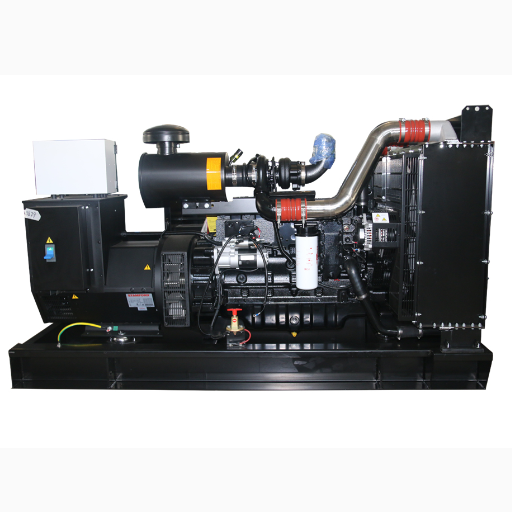
Generator noise affects site planning, regulatory compliance, and neighbor relations. Understanding decibel ratings and enclosure options helps buyers specify appropriate equipment.
Understanding Decibel Ratings
Sound intensity is measured logarithmically in decibels (dB). Every 10 dB increase represents a tenfold increase in sound intensity, though human perception roughly doubles loudness every 10 dB.
Common reference points:
- Normal conversation: 60 dB
- Vacuum cleaner: 70 dB
- Lawn mower: 85 dB
- Food blender: 88 dB
- Motorcycle: 95 dB
Typical generator noise levels:
- Open-frame portable: 85-95 dB
- Standard enclosed: 75-85 dB
- Sound-attenuated: 65-75 dB
- Super-silent: 55-65 dB
Many jurisdictions enforce noise ordinances limiting generator sound to 55-65 dB at property lines, especially during nighttime hours. This effectively mandates sound-attenuated enclosures for residential and commercial installations.
Enclosure Types
Open skid: The generator sits on a steel frame with no enclosure. The system provides its most affordable option through indoor installation which needs a separate building for installation. The system produces noise which creates uncontrolled sound levels.
Weather-protective: Basic metal enclosure protects against rain and dust entry while preventing vandalism. The system provides minimal noise reduction. The system functions properly at industrial sites which have no restrictions on sound levels.
Sound-attenuated: The engineered enclosure contains acoustic insulation and labyrinth air intakes/exhausts and vibration isolation systems. The system decreases noise levels between 10 to 20 decibels when compared to open units. The system serves as a required component for most commercial spaces and residential buildings.
Super-silent: The system uses advanced acoustic treatment which includes multiple insulation layers and tuned exhaust silencers and optimized cooling airflow. The system produces 55 to 65 decibels of sound at 7 meters which matches the volume of standard conversation.
Containerized: The ISO shipping container provides housing which includes maintenance access through walk-in doors. Users can choose between weather-protective and sound-attenuated system options. The system exists as a standard solution for both industrial units exceeding 500 kW and mobile usage scenarios.
At ZC Power, our silent generator line features sound-attenuated canopies keeping operational noise below 75 dB at 7 meters—suitable for urban installations and noise-sensitive environments.
Interested in the science behind silent generator noise reduction? (Read Silent Generator: Complete Technical Guide 2026 [How Noise Reduction Technology Works]) to explore its core noise-canceling tech details.
Installation and Safety Considerations
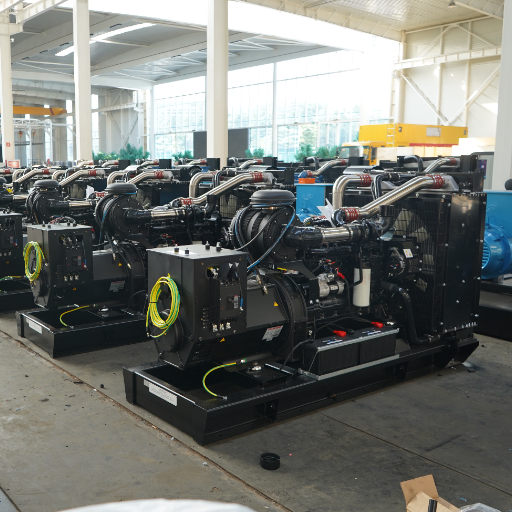
Proper installation ensures safe, reliable generator operation and code compliance. Key considerations include:
Transfer Switches
Transfer switches provide safe connections between generators and building electrical systems because they stop dangerous backfeeding which occurs when electricity flows from the generator to utility lines, creating electrocution hazards for utility workers.
Manual transfer switches: Require someone to physically throw a switch to transfer loads. The system provides protection during power outages but operates at a lower price.
Automatic Transfer Switches (ATS): Detect power failures, start the generator, and transfer loads automatically. The system provides essential functionality for standby operations because it requires immediate response capabilities.
Transfer switches must be sized for the amperage they will carry, with ratings matching or exceeding the generator’s output capacity.
Seeking assistance with transfer switch selection? (Read Generator Transfer Switch: Complete Guide) for code-compliant recommendations.
Professional Installation Requirements
Generator installation requires qualified professionals for:
- Electrical connection: Wiring, grounding, and transfer switch integration per NEC Article 700 (emergency systems) or 701 (legally required standby)
- Fuel system: Gas line installation (natural gas/propane) or fuel tank and supply piping (diesel)
- Exhaust system: Routing combustion gases safely outside, with proper clearances from combustibles and air intakes
- Ventilation: Ensuring adequate cooling airflow for generator and combustion air for engine
- Permitting: Most jurisdictions require electrical permits, mechanical permits, and sometimes environmental permits for fuel storage
Safety Essentials
- Carbon monoxide: Never operate portable generators indoors or in enclosed spaces. CO is odorless, colorless, and lethal.
- Grounding: Proper equipment grounding prevents electrocution hazards
- Fire protection: Fuel storage requires spill containment, fire-rated separation, and sometimes automatic suppression systems
- Lockout/tagout: Procedures for maintenance to prevent unexpected startup
Maintenance and Total Cost of Ownership
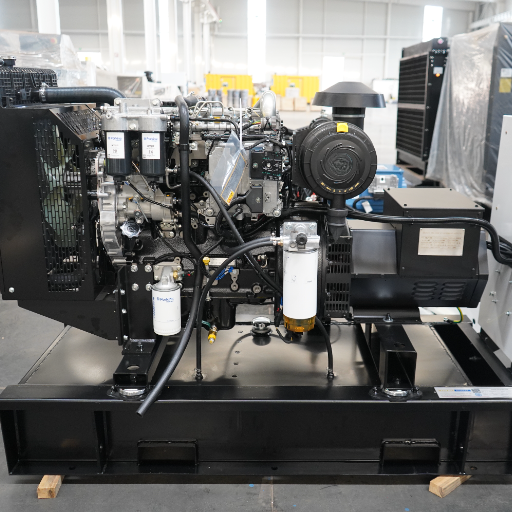
Generator purchase price represents only part of the total cost of ownership. Understanding maintenance requirements and lifecycle costs enables better budgeting and investment decisions.
Routine Maintenance Schedule
Every 8-250 hours (or monthly):
- Visual inspection: leaks, damage, warning lights
- Check engine oil level
- Check coolant level
- Check fuel level and condition
- Exercise the generator (run under load for 30+ minutes)
Every 250-500 hours (or annually):
- Change engine oil and filter
- Replace fuel filter
- Replace air filter
- Check and tighten electrical connections
- Inspect belts and hoses
- Test battery and charging system
- Check coolant condition
Every 1,000-2,000 hours (or 2-3 years):
- Replace coolant
- Inspect and adjust valve clearance
- Check turbocharger (if equipped)
- Load bank test to verify full-load capability
- Inspect alternator windings and bearings
Major overhauls:
- Typically every 10,000-20,000 hours depending on engine type and duty cycle
- Includes cylinder head work, piston/ring replacement, bearing replacement
- Cost: 30-50% of new generator price
Total Cost of Ownership Factors
Over a 10-20 year lifespan, operating costs typically exceed purchase price:
- Fuel: Usually 60-80% of total operating cost. Diesel efficiency advantages compound over thousands of hours.
- Maintenance: Scheduled service, parts, and labor. Typically $0.02-0.05 per kWh generated.
- Overhauls: Major engine rebuilds every 10,000-20,000 hours.
- Insurance and taxes: Property taxes on equipment, insurance coverage.
TCO comparison example (10-year, 500 kW prime power, 4,000 hours/year):
| Cost Component | Diesel | Natural Gas |
|---|---|---|
| Initial purchase | $125,000 | $150,000 |
| Fuel (10 years) | $480,000 | $400,000 |
| Maintenance | $80,000 | $100,000 |
| Overhaul | $50,000 | $40,000 |
| Total 10-year TCO | $735,000 | $690,000 |
In this scenario, natural gas’s higher efficiency and lower fuel cost offset the higher purchase price over time—though individual results vary based on local fuel prices, maintenance labor rates, and utilization.
Need professional tips to keep your diesel generator in top condition? (Read Generator Maintenance: Complete Guide to Diesel Generator Care) for full-range maintenance and care instructions.
Choosing the Right Generator Manufacturer
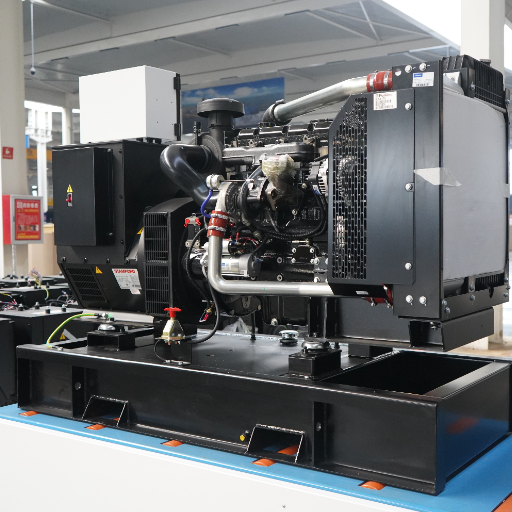
Not all generator suppliers offer the same value. Understanding the differences between factory-direct manufacturers, trading companies, and brand-name distributors helps buyers make informed partnership decisions.
Factory-Direct vs Trading Company
Trading companies act as middlemen, sourcing products from various manufacturers and reselling with markup. While they offer convenience and variety, they lack engineering depth and direct quality control.
Direct manufacturers like ZC Power design and build generators in their own facilities. This provides:
- Verified quality control: Every unit tested before shipment, not random sampling
- Customization capability: Engineering modifications for specific applications
- Technical accountability: Engineers who designed the equipment support it
- Parts availability: Direct access to OEM components
- Pricing transparency: No middleman markup
Evaluation Criteria
When selecting a generator manufacturer, verify:
Certifications: ISO 9001 (quality management), CE (European safety), and relevant national certifications demonstrate commitment to standards. Ask for certificate numbers and verify authenticity.
Testing capabilities: Every generator undergoes load testing at reputable manufacturers who test their products before they dispatch them. The organization should provide information about their testing methods and give access to their testing documentation.
Component traceability: The engine and alternator and controller systems require three serial numbers to conduct successful documentation and verification with their respective component manufacturers.
Factory verification: The organization should provide both video tours and live production floor video calls and direct site visits. Transparent operations exist in manufacturing companies which allow complete access to their production processes.
Engineering support: Technical staff should possess the ability to provide complete information about alternator winding configurations and governor response characteristics and protection relay settings.
After-sales commitment: Equipment intended for use beyond 20 years requires customers to evaluate warranty conditions and parts accessibility and technical assistance response times as more important factors than equipment purchase costs.
Red Flags
- Prices significantly below market (indicates corner-cutting on components)
- Reluctance to provide factory verification or load test documentation
- No engineering staff available for technical questions
- Business scope listed as “trading” rather than “manufacturing”
- Inability to explain component sourcing or quality control processes
At ZC Power, we welcome detailed technical inquiries and factory verification. Our 300,000-square-meter facility has been manufacturing generators since 1999, with every unit tested in our national-standard testing center before shipment.
Frequently Asked Questions
How does a generator produce electricity?
Generators produce electricity through electromagnetic induction which enables them to control electron movement across electrical wires. A magnetic field generates voltage when it moves past stationary wire coils or the coils move past the magnetic field. The system demands ongoing mechanical power which operators usually supply through an engine that runs on fuel.
What’s the difference between AC and DC generators?
AC generators produce electrical voltage which fluctuates between positive and negative values to create the sine wave used in standard electrical systems. DC generators generate continuous electrical voltage which flows in a single direction through their mechanical commutator system. The current electrical applications favor AC power because it works with transformers and allows for simpler operation in parallel setups.
What size generator do I need?
You need to determine your total running load by adding all equipment that operates at the same time and then you need to add the starting surge of your largest motor which usually requires three to six times its running watts and finally you need to add 20 to 25 percent for future expansion and safety margin. For critical applications, consult an engineer for detailed load analysis.
What’s the quietest type of generator?
Inverter generators produce their quietest operation when their load reaches between 50 and 60 decibels. Sound-attenuated enclosures permit generators to produce noise levels between 65 and 75 decibels which match the sound level of typical conversations. Super-silent enclosures achieve 55-65 dB for noise-sensitive environments.
Can a generator power my whole house?
Yes, with proper sizing. Whole-house standby generators typically range from 20-50 kW for average homes. The generator must be sized for your home’s maximum demand, not average usage. The required capacity depends on a load calculation which includes HVAC systems and electric water heaters and other major equipment.
How much does a standby generator cost?
The cost of residential standby systems begins at 5000 and ends at 15000 while the package includes generator and automatic transfer switch and electrical work and permits. The cost of commercial systems starts at 15000 for small businesses and reaches 500000 for large facilities. The starting cost of industrial systems begins at 100000 and extends to multiple million-dollar amounts for megawatt-class systems.
How often does a generator need maintenance?
The basic checks which require oil and coolant evaluation together with visual inspection must be conducted monthly or after 250 operational hours. The schedule for oil and filter replacements requires execution every 250 to 500 operating hours or throughout each year. Major services require execution after intervals of 1,000 to 2,000 operating hours. Standby generators require monthly load testing which ensures their operational readiness at all times.
What’s the difference between standby and prime power?
Standby generators provide emergency backup during utility outages, which usually last up to 200 hours every year with changing electricity demand. Prime power generators function as the main power supply system, which permits continuous operation throughout the year under varying electricity demand, as long as the average power output remains below 70% of capacity. Continuous power generators operate their systems at full capacity without interruption.
Are diesel generators better than natural gas?
Diesel fuel provides superior fuel efficiency and faster engine starts while delivering more power per weight which makes it perfect for both heavy-duty equipment and backup power systems. Natural gas combustion produces fewer emissions and does not need fuel storage while it provides continuous operation through pipeline connections which makes it ideal for urban standby systems and environmental protection needs. The “better” choice depends on your specific application, fuel availability, and operational requirements.
Can I connect two generators together?
The operation of multiple AC generators in parallel mode, which requires their matching voltage specifications and frequency standards and phase synchronization equipment, enables them to share electrical load while providing system backup. The paralleling design requires specialized switchgear and control systems which you should discuss with an engineer.
What certifications should an industrial generator have?
Essential certifications include ISO 9001 (quality management), CE marking (European safety compliance), and relevant national certifications (UL for North America, CCC for China). The engine emissions certifications (EPA Tier 4, Euro Stage V) serve as proof that the system meets environmental requirements. The certificate authenticity must be verified with the issuing bodies.
Key Takeaways
- Electric generators convert mechanical energy to electrical energy through electromagnetic induction—continuous fuel input and magnetic field rotation are required
- AC generators dominate modern applications due to transformer compatibility and parallel operation capability
- Generator types span portable (1-10 kW), inverter (1-4 kW), home standby (10-50 kW), commercial (50-500 kW), and industrial (500+ kW) categories
- Fuel selection significantly impacts operating costs: diesel offers efficiency and durability; natural gas offers cleanliness and unlimited runtime; gasoline and propane suit specific portable or residential applications
- Correct sizing requires calculating running load plus motor starting surge, with 20-25% margin for expansion
- Noise considerations often mandate sound-attenuated enclosures for residential and commercial installations
- Total cost of ownership over 10-20 years typically exceeds purchase price, with fuel representing 60-80% of operating costs
- Factory-direct manufacturers offer verified quality control, customization capability, and technical accountability that trading companies cannot match
Struggling to calculate the right generator size for your needs? (Read Generator Sizing Calculator: Complete Step-by-Step Guide [+ Free Worksheet])for a systematic sizing process and complimentary practical sheet.